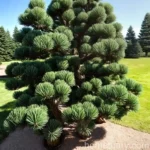
Pinus mugo ‘Gnom’ (Dwarf Mountain Pine): A Complete Guide

Pinus mugo ‘Gnom’, commonly known as Dwarf Mountain Pine, is a fascinating evergreen conifer that captivates with its unique appearance and versatility. This compact and slow-growing pine tree is a popular choice in landscaping and gardening due to its adaptability and low maintenance requirements. In this comprehensive guide, we will delve into the various aspects of Pinus mugo ‘Gnom’, including its culture, uses, care tips, and much more.
What is Pinus mugo ‘Gnom’?
Pinus mugo ‘Gnom’ is a cultivar of the species Pinus mugo, also known as mountain pine or mugo pine. It is a compact and densely branched evergreen shrub with a rounded habit, typically reaching a height of 2 to 4 feet and a spread of 3 to 5 feet at maturity. The small, dark green needles and upright cones contribute to its visually appealing characteristics. This variety is valued for its dwarf form, making it an excellent choice for smaller gardens, rockeries, and container planting. Due to its adaptability to various soil types and climates, it has become a favored option for both professional landscapers and home gardeners.
Key Takeaways – Pinus mugo ‘Gnom’ (Dwarf Mountain Pine)
Culture
Pinus mugo ‘Gnom’ thrives in a variety of cultural settings, making it a versatile and low-maintenance addition to any garden or landscape.
- Hardiness: USDA zones 2-7
- Soil: Well-drained, loamy or sandy soil
- pH: Acidic to slightly alkaline
- Exposure: Full sun to partial shade
- Watering: Moderate, prefers slightly drier conditions once established
- Pruning: Minimal pruning required to maintain shape
Uses
The versatility of Pinus mugo ‘Gnom’ extends to its numerous uses in landscaping and gardening.
- Garden Borders: Ideal for edging due to its compact size
- Rock Gardens: Adds texture and structure to rockeries
- Containers: Well-suited for container planting on patios or balconies
- Erosion Control: Effective in stabilizing slopes and preventing soil erosion
- Wildlife Gardens: Attracts birds with its seeds and provides shelter for small mammals
Water
- Watering Schedule: Regular watering during the first year of establishment; thereafter, water during prolonged dry spells
- Drainage: Ensure proper drainage to prevent waterlogging
Sunlight
- Light Requirements: Thrives in full sun to partial shade
- Optimal Exposure: Provides best growth and appearance in full sun
Fertilizer
- Fertilization: Generally not required when grown in suitable soil
- Organic Matter: Mulching with organic material can supply minor nutrients and conserve soil moisture
Soil
- Preferred Soil Type: Well-drained, loamy or sandy soil
- Acidic Environment: Thrives in slightly acidic soil but can tolerate slightly alkaline conditions
Pruning
- Maintenance: Little pruning is necessary
- Shaping: Can be pruned lightly to maintain desired shape and remove dead or damaged branches
Propagation
- Propagation Methods: Can be propagated from seeds, cuttings, or grafting
- Seed Propagation: Requires stratification for optimal germination
Container Popularity
- Container Planting: Well-suited for container growth due to its compact size
- Patio Décor: Adds a touch of greenery to patios, decks, and balconies
- Indoor Cultivation: Can be grown indoors if provided with sufficient light and care
Common Diseases and Pests
Common Diseases
Pinus mugo ‘Gnom’ is generally resistant to most diseases. However, some potential problems to watch out for include:
- Needle Blight: Caused by various fungi, leading to browning and shedding of needles
- Root Rot: Occurs in waterlogged or poorly drained soil
Disease Diagnosis
- Visual Inspection: Regularly inspect the foliage for any signs of discoloration, wilting, or abnormal growth
- Consulting Experts: Seek advice from local horticulturists or arborists for accurate diagnosis and treatment recommendations
Common Pests
While relatively resistant to pests, Pinus mugo ‘Gnom’ may occasionally encounter the following insects:
- Pine Sawfly: Larvae feed on pine needles, leading to defoliation
- Pine Needle Scale: Small, brown scale insects that can affect overall tree health
Botanist’s Tips
- Careful Placement: Select a suitable location with ample sunlight and well-drained soil for optimal growth
- Minimal Disturbance: Avoid excessive pruning, as Pinus mugo ‘Gnom’ often requires little intervention to maintain its natural form
- Mulching: Apply a layer of mulch around the base of the tree to conserve soil moisture and suppress weed growth
- Regular Monitoring: Keep an eye on the tree’s health and appearance to promptly address any potential issues
Fun Facts
- Longevity: Pinus mugo ‘Gnom’ can live for several decades, with some specimens reaching over 100 years in age
- Cultural Significance: In some regions, mugo pine trees are symbolic of strength and resilience, often planted as a representation of endurance and stability
- Bonsai Potential: Due to its compact size and resilience, Pinus mugo ‘Gnom’ is a popular choice for bonsai enthusiasts
Links to External Resources
For further information on Pinus mugo ‘Gnom’ (Dwarf Mountain Pine) and related topics, consider exploring the following resources:
These reputable sources offer valuable insights and guidance on the cultivation, care, and appreciation of this distinctive pine cultivar.
In conclusion, Pinus mugo ‘Gnom’ (Dwarf Mountain Pine) embodies resilience, adaptability, and visual appeal, making it a beloved choice among gardeners and landscapers alike. By harnessing its unique characteristics and understanding its specific needs, enthusiasts can cultivate thriving and captivating displays of this remarkable evergreen. Whether gracing a rocky slope, accentuating a garden border, or lending a touch of greenery to a patio, the allure of Pinus mugo ‘Gnom’ continues to leave an indelible mark in the world of ornamental horticulture.
With its charming demeanor and enduring nature, Pinus mugo ‘Gnom’ offers a testament to the timeless beauty and enduring appeal of horticultural treasures.
Table of Contents
1. What is Pinus mugo ‘Gnom’?
2. Key Takeaways – Pinus mugo ‘Gnom’ (Dwarf Mountain Pine)
– Culture
– Uses
– Water
– Sunlight
– Fertilizer
– Soil
– Pruning
– Propagation
– Container Popularity
3. Common Diseases and Pests
– Common Diseases
– Disease Diagnosis
– Common Pests
4. Botanist’s Tips
5. Fun Facts
6. Links to External Resources