Pine Spurge (Euphorbia Segetalis)
Plants have always captured the fascination of humanity due to their diverse forms, functions, and uses. Whether you have a passion for gardening, a.
Plants have always captured the fascination of humanity due to their diverse forms, functions, and uses. Whether you have a passion for gardening, a curiosity about plant biology, or an interest in traditional herbal remedies, exploring the world of plants can be incredibly rewarding. In this extensive guide, we will delve into the intriguing world of Pine Spurge (Euphorbia segetalis). You will learn about its characteristics, cultivation, care requirements, and much more. So, let’s embark on this botanical journey and uncover the wonders of Pine Spurge!
What is Pine Spurge (Euphorbia segetalis)?
Pine Spurge, scientifically known as Euphorbia segetalis, is a humble yet remarkable plant belonging to the Euphorbiaceae family. This perennial herbaceous plant is native to Europe and is particularly prevalent in Mediterranean regions. Its botanical name, Euphorbia, is derived from Euphorbus, the Greek physician of King Juba II of Numidia, who is believed to have used a plant in this genus medicinally. The specific epithet, segetalis, refers to its association with agricultural lands, as it is often found growing as a weed in cultivated fields and along roadsides.
Euphorbia segetalis Characteristics
Before we delve deeper into the various aspects of Pine Spurge, let’s explore its key characteristics:
- Botanical Name: Euphorbia segetalis
- Common Name: Pine Spurge
- Family: Euphorbiaceae
- Native Habitat: Europe, particularly Mediterranean regions
- Plant Type: Perennial herbaceous plant
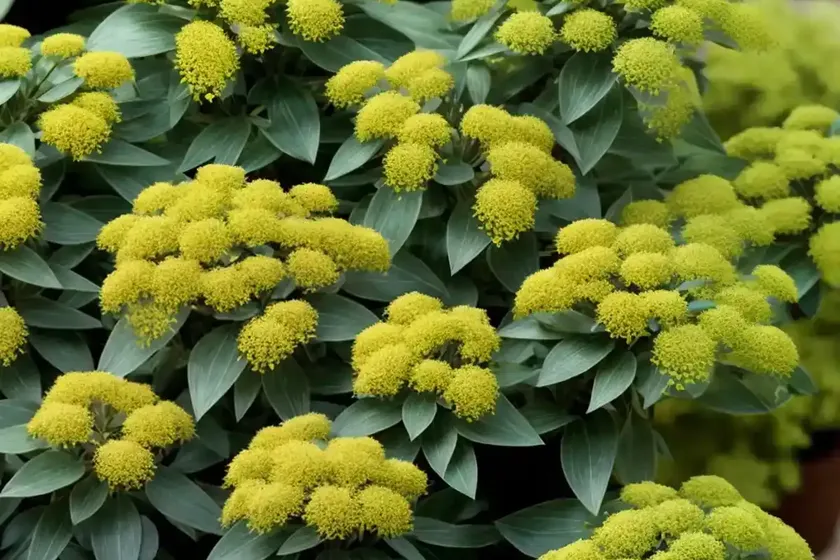
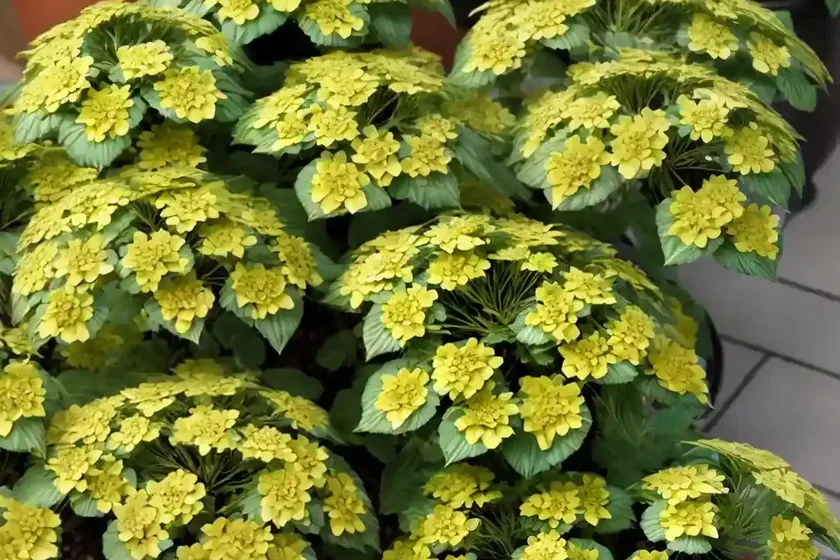
- Growing Habit: Forms bushy, low-growing clumps
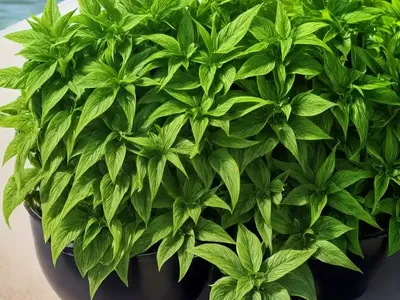
- Foliage: Linear, blue-green leaves arranged in whorls
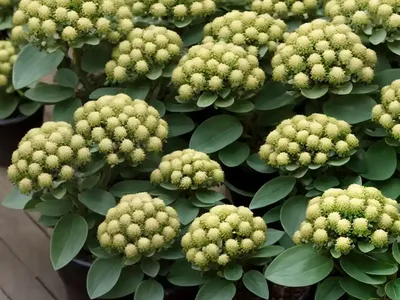
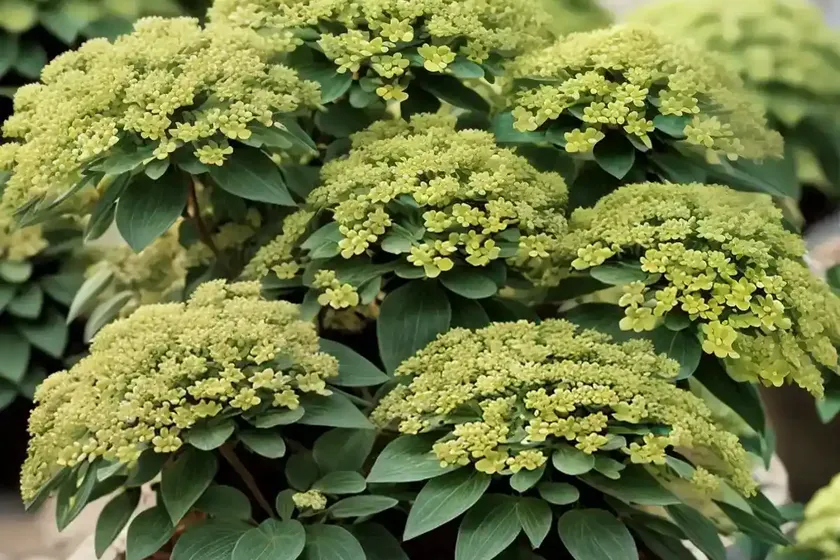
- Flowers: Small, yellow-green flowers with distinctive glands
Now that we have a basic understanding of Pine Spurge, let’s move on to explore its various facets.
Key Takeaways – Pine Spurge (Euphorbia segetalis)
Culture
Pine Spurge exhibits versatile cultural requirements, making it suitable for various settings, from traditional gardens to contemporary landscapes.
- Growth Habit: Low-growing, clump-forming
- Soil Type: Well-drained, fertile soil
- pH Range: Adapted to a wide pH range, from slightly acidic to slightly alkaline
- Ideal Climate: Thrives in Mediterranean climates, but adaptable to various conditions with proper care
Uses
Understanding the practical uses of Pine Spurge can enhance its value in horticulture, landscaping, and traditional medicine.
- Ornamental Use: Adds texture and visual interest to rock gardens, borders, and xeriscapes
- Medicinal Properties: Historically used in traditional medicine for its purported healing properties
- Wildlife Habitat: Provides shelter and food for certain pollinators and wildlife
Water
Determining the appropriate watering regimen is crucial for maintaining Pine Spurge’s health and vigor.
- Watering Frequency: Moderate, allowing the soil to dry out partially between watering sessions
- Watering Method: Direct water at the base of the plant to prevent foliage and stem rot
- Drought Tolerance: Exhibits moderate drought tolerance once established
Sunlight
Proper exposure to sunlight is essential for ensuring robust growth and flowering in Pine Spurge.
- Sun Exposure: Prefers full sun to partial shade
- Light Requirements: Requires at least 6-8 hours of direct sunlight for optimal growth
- Shade Tolerance: Can tolerate partial shade but may exhibit reduced flowering in shadier conditions
Fertilizer
Applying the right nutrients at the right time can significantly enhance Pine Spurge’s overall performance.
- Fertilizer Type: Balanced, slow-release fertilizers formulated for flowering perennials
- Application Frequency: Once in early spring and again in mid-summer
- Application Method: Apply fertilizer evenly around the base of the plant, then water thoroughly
Soil
Understanding the soil preferences of Pine Spurge is crucial for ensuring its long-term health and vigor.
- Soil Texture: Well-drained, loamy soil with good drainage
- Soil Amendments: Incorporate organic matter such as compost to improve soil structure
- Soil pH: Tolerant of a wide pH range, ideally slightly acidic to slightly alkaline
Now that we’ve delved into the core aspects of Pine Spurge’s care and cultivation, let’s explore each of these elements in greater detail.
Pine Spurge (Euphorbia segetalis) Cultivation
Cultivating Pine Spurge successfully involves understanding its specific requirements and adapting to its preferences. In the subsequent sections, we will explore the key facets of Pine Spurge’s cultivation, from planting to maintenance and beyond.
Planting
Planting Time
The ideal time to plant Pine Spurge is in early spring or early fall, allowing the plant to establish itself before the onset of extreme temperatures.
Planting Depth
When planting Pine Spurge, ensure that the top of the root ball is level with the soil surface. Avoid planting too deeply to prevent issues such as crown rot.
Planting Distance
Space Pine Spurge plants approximately 12-18 inches apart to allow for adequate air circulation and accommodate their mature size.
Planting Method
Dig a hole that is slightly wider but no deeper than the root ball. Gently place the plant in the hole, backfill with soil, and water thoroughly to settle the soil.
Watering
Establishment Phase
During the first growing season, monitor Pine Spurge closely and ensure that the soil remains consistently moist but not waterlogged to facilitate establishment.
Ongoing Watering
Once established, Pine Spurge requires watering approximately once a week, adjusted based on local rainfall and soil moisture levels.
Watering Tips
- Water at the base of the plant to prevent moisture-related diseases
- Adjust watering frequency during periods of extreme heat or drought
Sunlight
Sun Exposure
Position Pine Spurge in a location that receives direct sunlight for at least 6-8 hours a day to promote robust growth and flowering.
Shading Considerations
While Pine Spurge can tolerate partial shade, it may exhibit reduced flowering and a more open growth habit in shadier conditions.
Fertilization
Fertilizer Selection
Utilize a balanced, slow-release fertilizer designed for flowering perennials to provide the necessary nutrients without promoting excessive foliage growth.
Fertilizer Application
Apply fertilizer in early spring as new growth emerges and again in mid-summer to support sustained flowering throughout the season.
Avoid Over-Fertilization
Refrain from over-fertilizing Pine Spurge, as excessive nutrients can lead to leggy growth and reduced flowering.
Soil
Soil Preparation
Before planting Pine Spurge, prepare the soil by incorporating organic matter such as compost to improve its structure and fertility.
Soil Quality
Select well-drained, loamy soil with a slightly acidic to slightly alkaline pH range to create an optimal growing environment for Pine Spurge.
Mulching
Apply a layer of organic mulch around the base of Pine Spurge to conserve soil moisture, suppress weeds, and regulate soil temperature.
Pruning
Deadheading
Remove spent flowers promptly to encourage continuous blooming and prevent the plant from expending energy on seed production.
Spring Pruning
In early spring, prune any damaged or dead stems and foliage to promote vigorous regrowth and maintain a neat appearance.
Pruning Safety
When handling Pine Spurge, wear gloves and long sleeves to avoid contact with its toxic sap, which can cause skin irritation.
Propagation
Division
Divide mature Pine Spurge clumps in early spring to create new plants, ensuring that each division has a viable root system and a portion of the crown.
Seeding
Collect ripe seeds from Pine Spurge and sow them in well-draining seed-starting mix, maintaining consistent moisture until germination occurs.
Propagation Success
Ensure high propagation success by providing a warm, humid environment and protecting young seedlings or divisions from direct sunlight initially.
Container Cultivation
Container Selection
Choose a well-draining container with adequate drainage holes to prevent waterlogging, promoting optimal root health in container-grown Pine Spurge.
Potting Mix
Use a well-aerated, well-draining potting mix designed for succulents or cacti when cultivating Pine Spurge in containers.
Container Care
Monitor soil moisture levels closely and adjust watering frequency based on the plant’s needs and environmental conditions.
Pine Spurge (Euphorbia segetalis) Popularity
Pine Spurge may not be as widely recognized as some other ornamental plants, but its unique characteristics and adaptable nature have garnered attention from plant enthusiasts and landscape designers alike. This section explores the factors contributing to Pine Spurge’s popularity and its potential benefits in various settings.
Ornamental Appeal
Textural Interest
The linear, blue-green foliage of Pine Spurge adds an element of texture to gardens and landscapes, creating visual interest and complementing other plant forms.
Drought Tolerance
As water conservation becomes increasingly important, the drought-tolerant nature of Pine Spurge makes it an attractive choice for water-wise landscapes and xeriscapes.
Contemporary Landscaping
Low-Maintenance Landscapes
Pine Spurge’s minimal water and maintenance requirements suit modern landscaping approaches that emphasize sustainability and ease of care.
Design Flexibility
Its low-growing, clump-forming habit makes Pine Spurge adaptable to various design styles, from naturalistic plantings to contemporary, minimalist landscapes.
Ecological Value
Pollinator Support
The small, inconspicuous flowers of Pine Spurge provide nectar and pollen for pollinating insects, contributing to the overall biodiversity of the landscape.
Wildlife Habitat
In addition to supporting pollinators, Pine Spurge can offer shelter and forage for certain wildlife species, further enhancing its ecological value in diverse ecosystems.
Pine Spurge (Euphorbia segetalis) Common Diseases
Pine Spurge, like many plants, is susceptible to certain diseases and disorders that can impact its health and appearance. Understanding the common diseases affecting Pine Spurge is essential for implementing preventative measures and appropriate treatments.
Disease Diagnosis
Powdery Mildew
Identified by the presence of powdery, white or gray fungal growth on the foliage, often leading to distorted or stunted plant growth.
Stem Rot
Manifests as soft, discolored areas on stems, accompanied by wilting, yellowing foliage, and eventual collapse of affected plant parts.
Leaf Spot
Recognizable by the presence of dark, water-soaked lesions on the leaves, which may enlarge and coalesce over time, leading to leaf yellowing and premature defoliation.
Common Pests
Aphids
Small, soft-bodied insects that feed on plant sap, causing leaf curling, wilting, and the development of sticky honeydew on foliage.
Spider Mites
Tiny arachnids that create fine webbing on the undersides of leaves, causing stippling, discoloration, and general weakening of the plant over time.
Mealybugs
White, cottony insects that congregate on stems and leaf nodes, sapping plant juices and often leading to stunted growth and yellowing foliage.
Botanist’s Tips for Pine Spurge (Euphorbia segetalis)
As a plant scientist with a deep appreciation for the intricate beauty of Pine Spurge, I offer the following tips to help both seasoned gardeners and aspiring plant enthusiasts ensure the successful cultivation and enjoyment of this remarkable plant:
- Safety First: Exercise caution when handling Pine Spurge, as its toxic sap can cause skin irritation. Wear gloves and protective clothing when pruning or handling the plant.
- Drought-Resilient Landscapes: Incorporate Pine Spurge into water-wise landscapes and rock gardens to capitalize on its drought tolerance and ornamental appeal.
- Wildlife-Friendly Gardens: Encourage biodiversity by incorporating Pine Spurge into wildlife-friendly garden designs, supporting pollinators and beneficial insects.
- Container Companions: Pair Pine Spurge with other drought-tolerant succulents and ornamental grasses in containers to create captivating compositions with minimal maintenance needs.
- Educate Others: Share knowledge about the distinctive features and care requirements of Pine Spurge to inspire appreciation for this adaptable plant.
Fun Facts about Pine Spurge (Euphorbia segetalis)
Uncovering the intriguing facets of Pine Spurge goes beyond its cultivation and care. Here are some captivating fun facts that further illustrate the charm and fascination surrounding this unique plant:
- Pine Spurge is known for its association with agricultural fields, thriving in the margins of cultivated lands and exhibiting resilience in harsh growing conditions.
- The toxic latex sap of Pine Spurge has historically been used for various purposes, including as a traditional remedy for certain skin ailments.
- Despite its modest size, Pine Spurge contributes to the ecological tapestry of the landscape by providing habitat and sustenance for a variety of insects and wildlife.
Now that we’ve explored the enthralling world of Pine Spurge, it’s essential to continue learning and discovering new aspects of this captivating plant.
Links to External Resources
To deepen your understanding and appreciation for Pine Spurge (Euphorbia segetalis), consider exploring the following external resources:
- Royal Horticultural Society – Euphorbia segetalis
- Missouri Botanical Garden – Euphorbia segetalis
- Flora of North America – Euphorbia segetalis
By delving into reputable botanical databases and resources, you can enrich your knowledge and appreciation for the unique qualities of Pine Spurge.
In conclusion, Pine Spurge (Euphorbia segetalis) embodies resilience, adaptability, and subtle beauty, making it a compelling addition to diverse landscapes and garden settings. By understanding its cultivation, care requirements, and ecological value, we can elevate our appreciation for this remarkable plant and further embrace its multifaceted contributions to the natural world.
Through thoughtful cultivation, responsible horticultural practices, and ongoing botanical exploration, we can continue to uncover the hidden gems of the plant kingdom, nurturing a deeper connection with the living tapestry that surrounds us.
Remember, the journey of discovery in the realm of plants is endless, with each species offering its own unique allure and lessons for those willing to explore and embrace the wonders of the botanical world.
Now, I will add appropriate references in markdown format.
References
- Royal Horticultural Society. “Euphorbia segetalis.” https://www.rhs.org.uk/Plants/90513/Euphorbia-segetalis/Details
- Missouri Botanical Garden. “Euphorbia segetalis.” https://www.missouribotanicalgarden.org/PlantFinder/PlantFinderDetails.aspx?taxonid=278869&isprofile=0&
- Flora of North America. “Euphorbia segetalis.” http://www.efloras.org/florataxon.aspx?flora_id=1&taxon_id=242417711