Pine Bonsai (Pinus Aristata)
As a plant scientist, I am excited to introduce you to the fascinating world of pine bonsai. This ancient art form of cultivating miniature trees has.
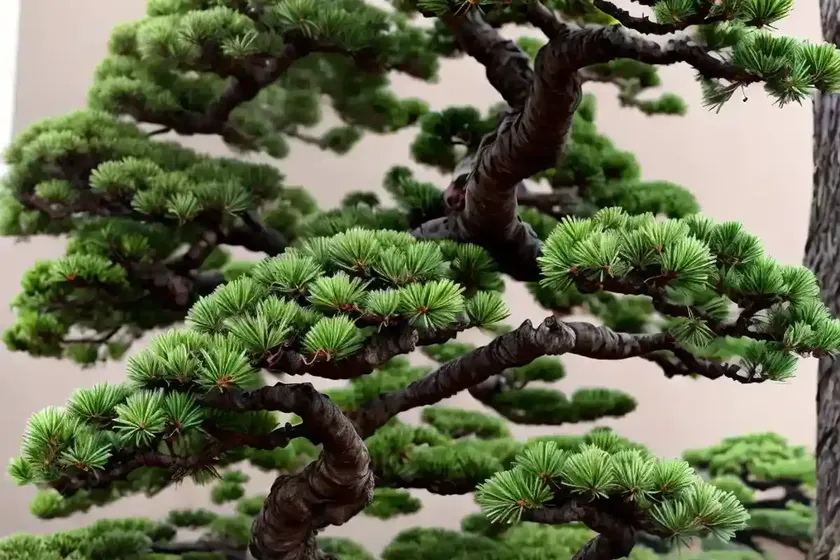
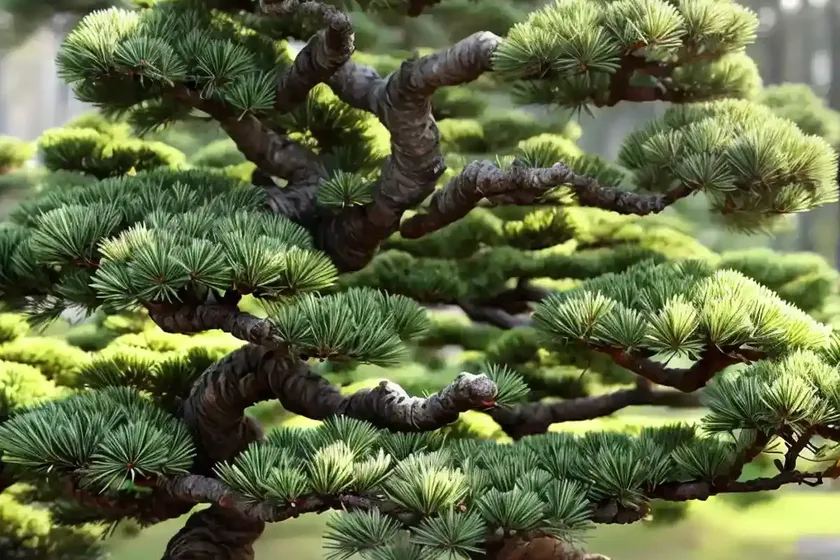
As a plant scientist, I am excited to introduce you to the fascinating world of pine bonsai. This ancient art form of cultivating miniature trees has captured the imagination of people around the world. In this comprehensive guide, we will explore the cultural significance, optimal care practices, common uses, and essential maintenance tips for the pine bonsai, focusing on the species Pinus aristata. Whether you are a seasoned bonsai enthusiast or a beginner looking to embark on the journey of growing and shaping these beautiful miniature trees, this guide will provide you with invaluable insights into the art and science of nurturing pine bonsai.
What is a Pine Bonsai (Pinus aristata)?
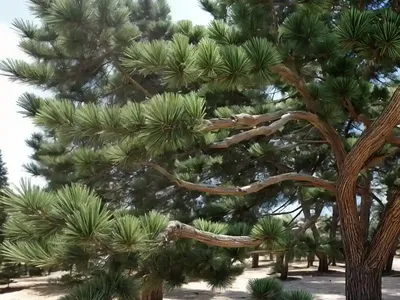
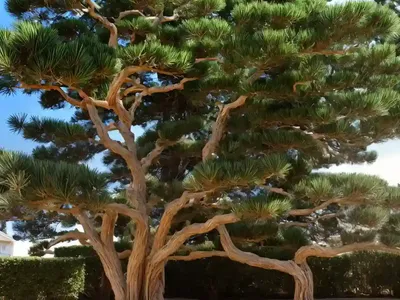
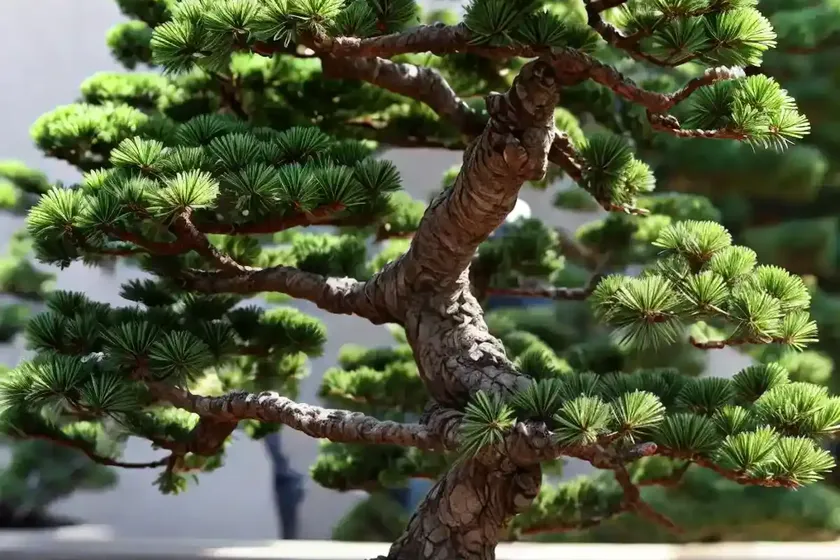
Pine bonsai, specifically the Pinus aristata, is a unique and captivating representation of the ancient art of cultivating miniature trees. Pinus aristata, also known as the Rocky Mountain bristlecone pine, is a resilient and long-lived species native to the Rocky Mountains of the western United States. Its distinctive appearance is characterized by compact needles, rugged bark, and a graceful, windswept silhouette. When cultivated as a bonsai, Pinus aristata embodies the timeless beauty and resilience of mature pine trees in a diminutive form, creating a captivating expression of nature in miniature.
Pine bonsai, including the Pinus aristata variety, holds a special place in the world of bonsai cultivation, drawing on centuries of tradition and artistry. Through careful cultivation, shaping, and nurturing, pine bonsai trees convey a sense of age, strength, and harmony with nature, making them highly desirable for bonsai enthusiasts and collectors alike.
Key Takeaways – Pine Bonsai (Pinus aristata)
Let’s dive into the key elements that will guide our exploration of the fascinating world of pine bonsai, focusing on the Pinus aristata variety. The following sections will provide essential insights into the culture, uses, maintenance, and care practices for cultivating and shaping pine bonsai trees.
- Culture
- Uses
- Water
- Sunlight
- Fertilizer
- Soil
- Pruning
- Propagation
- Container
- Popularity
- Common Diseases
- Disease Diagnosis
- Common Pests
- Botanist’s Tips
- Fun Facts
- Links to External Resources
Culture
Cultivating and shaping pine bonsai, including the Pinus aristata variety, is an art that requires a deep understanding of the tree’s cultural significance. Through embracing the cultural heritage of bonsai cultivation, enthusiasts and practitioners can develop a profound appreciation for the art form and its timeless connection to nature.
Appreciating the Art of Bonsai
Bonsai, which originated in China and was later refined in Japan, is a deeply symbolic and spiritual art form. It embodies the timeless beauty of nature and the harmonious balance between humans and the natural world. The cultivation of bonsai requires patience, discipline, and a keen eye for aesthetic balance, reflecting the principles of simplicity, harmony, and respect for the inherent beauty of trees.
Significance of Pine Bonsai
Pine bonsai, symbolizing longevity, endurance, and wisdom, holds a special place in the world of bonsai cultivation. The rugged and weather-beaten appearance of pine trees, such as the Pinus aristata, represents strength, resilience, and the enduring spirit of nature. Cultivating pine bonsai allows practitioners to create miniature representations of ancient trees, evoking a sense of timelessness and connection to the natural world.
Traditional Practices and Modern Interpretations
The culture of pine bonsai cultivation encompasses traditional techniques passed down through generations, as well as modern interpretations that blend artistic expression with horticultural expertise. Practitioners honor age-old traditions while embracing innovative approaches to shape and nurture pine bonsai trees, ensuring the preservation of cultural heritage and the evolution of bonsai as a living art form.
Uses
Pine bonsai, particularly the Pinus aristata variety, serves various practical and aesthetic purposes, adding beauty and tranquility to indoor and outdoor spaces. Understanding the diverse uses of pine bonsai will enrich your appreciation for these miniature trees and inspire you to integrate them into your living environment.
Aesthetic Beauty and Tranquility
The miniature form and timeless elegance of pine bonsai, including Pinus aristata, make them ideal for enhancing the aesthetic appeal and tranquility of living spaces, garden areas, and outdoor landscapes. By introducing pine bonsai into your surroundings, you can create a sense of natural harmony and evoke a serene atmosphere, enriching the visual and emotional experience of your environment.
Symbolism and Cultural Significance
Pine bonsai holds profound symbolic meaning in various cultures, representing longevity, resilience, and spiritual harmony. By incorporating pine bonsai, such as the Pinus aristata, into your living space or garden, you can symbolize enduring strength, wisdom, and a deep connection to nature, infusing your surroundings with cultural significance and timeless symbolism.
Meditation and Mindfulness
The contemplative nature of pine bonsai cultivation offers a unique opportunity for practicing mindfulness and meditation. By caring for and shaping pine bonsai, individuals can immerse themselves in the therapeutic process of nurturing living trees, cultivating a sense of inner peace, focus, and spiritual connection to the natural world.
Water
Understanding the optimal water requirements for pine bonsai, particularly the Pinus aristata variety, is essential for ensuring the health and vitality of these miniature trees. Proper watering practices form the foundation of successful bonsai cultivation, playing a crucial role in maintaining the balance of moisture and preventing water-related stress on the trees.
Watering Guidelines for Pine Bonsai
-
Moderation: Avoid overwatering or allowing the soil to become waterlogged, as excessive moisture can lead to root rot and other water-related issues. Strike a balance between maintaining adequate moisture and allowing the soil to partially dry out between watering sessions.
-
Observation: Monitor the moisture level of the soil regularly by using a moisture meter or carefully assessing the soil’s visual and tactile characteristics. Adjust your watering frequency based on the specific needs of your pine bonsai in its current environment and growing conditions.
-
Seasonal Variation: Recognize the influence of changing seasons on water requirements. Adjust your watering schedule to accommodate seasonal shifts in temperature, humidity, and daylight, ensuring that your pine bonsai receives appropriate moisture levels throughout the year.
-
Water Quality: Use clean, non-chlorinated water at room temperature to water your pine bonsai. Avoid using overly hard or soft water, as extreme water quality variations can impact the overall health and vigor of the trees.
Nurturing Healthy Roots
Proper watering practices are essential for promoting the development of a robust and well-established root system in pine bonsai. By providing consistent and well-measured hydration, you can encourage the growth of healthy, resilient roots that support the overall vitality and longevity of your pine bonsai, including the Pinus aristata species.
Warning Signs of Water Stress
Vigilance in observing your pine bonsai’s response to watering is crucial for early detection of water stress and related issues. Symptoms of water stress, such as wilting, yellowing foliage, or root rot, should prompt immediate assessment and adjustment of your watering practices to restore the health and vigor of your pine bonsai.
Sunlight
Optimizing sunlight exposure is a critical factor in promoting the growth, vigor, and aesthetic quality of pine bonsai, including the Pinus aristata variety. Understanding the light requirements and preferences of pine bonsai will enable you to create an ideal environment that supports the trees’ overall well-being and visual appeal.
Sunlight Requirements for Pine Bonsai
-
Direct Sunlight: Pine bonsai, including the resilient Pinus aristata, thrive when provided with direct sunlight for a significant portion of the day. Ideally, place your pine bonsai in a location that receives ample sunlight, especially during the morning and early afternoon hours, to support healthy growth and needle development.
-
Indirect Light: While pine bonsai benefit from direct sunlight, be mindful of excessive heat and intense midday sun exposure, which can cause sunburn and heat stress. Offering a balance of direct and indirect light will help maintain an optimal growing environment for your pine bonsai.
-
Seasonal Considerations: Recognize the impact of seasonal variation on sunlight exposure. Adjust the placement of your pine bonsai to accommodate the shifting angle and intensity of the sun throughout the year, ensuring that the trees receive consistent and appropriate light levels across different seasons.
-
Artificial Lighting: In indoor settings or low-light environments, consider supplementing natural sunlight with artificial lighting, such as full-spectrum grow lights, to provide sufficient light energy for your pine bonsai. This approach is particularly beneficial during the winter months when daylight hours are limited.
Promoting Healthy Photosynthesis
By positioning your pine bonsai to receive abundant sunlight, you can optimize the process of photosynthesis, allowing the trees to convert light energy into essential nutrients and sustain their growth, vigor, and metabolic processes. Adequate sunlight exposure fosters lush and vibrant foliage, ensuring the overall health and visual appeal of your pine bonsai.
Visual and Aesthetic Impact
Proper sunlight exposure contributes to the development of well-proportioned and visually appealing pine bonsai, including the Pinus aristata variety. By providing adequate light, you can enhance the trees’ natural form, refine needle density, and accentuate the characteristic beauty of pine bonsai, creating captivating miniature representations of mature pine trees.
Fertilizer
Supplementing the nutritional needs of pine bonsai through strategic fertilizer applications is essential for sustaining vigorous growth, promoting needle development, and maintaining overall health and vitality. Understanding the principles of fertilization for Pinus aristata and other pine bonsai varieties will empower you to establish a well-rounded and effective feeding regimen.
Fertilizer Types and Composition
-
Balanced Formulation: Select a balanced, slow-release fertilizer specifically formulated for coniferous trees, ensuring that it contains essential macro and micronutrients in a well-balanced composition. Consult with a knowledgeable bonsai specialist or horticulturist to identify a suitable fertilizer product tailored to the nutritional requirements of pine bonsai, including the Pinus aristata species.
-
Seasonal Variation: Adjust the frequency and concentration of fertilizer applications to align with seasonal changes and growth patterns. During the active growing season, increase the frequency of fertilization to support robust growth, while reducing or suspending feeding during dormancy and the winter months.
-
Micronutrient Supplementation: Consider supplementing your feeding regimen with micronutrient additives, such as chelated iron, manganese, and zinc, to address specific nutritional deficiencies and ensure comprehensive nutrient uptake by your pine bonsai.
Application Techniques and Timing
-
Standard Feeding Schedule: Establish a consistent and reliable feeding schedule, incorporating regular applications of balanced fertilizer at appropriate intervals. Monitor the response of your pine bonsai to feeding, adjusting the frequency and concentration of fertilizer based on the trees’ growth rate and overall health.
-
Surface Application: Apply granular or pelletized fertilizer evenly to the surface of the soil, ensuring that the feeding material is distributed across the entire root zone of your pine bonsai. Gently work the fertilizer into the soil surface to facilitate gradual nutrient release and efficient uptake by the roots.
-
Liquid Feeding: Consider supplementing granular fertilizer applications with occasional liquid feedings to provide an immediate nutrient boost to your pine bonsai. Dilute water-soluble fertilizer according to the manufacturer’s recommendations and administer it directly to the soil to support vigorous growth and foliage development.
Nutritional Balance and Tree Health
By providing your pine bonsai with balanced and timely fertilization, you can ensure comprehensive nutrition for sustained growth, vibrant foliage, and overall tree health. Nutrient-rich soil promotes robust root development and supports the metabolic processes that sustain the long-term vitality and aesthetic appeal of pine bonsai, including the Pinus aristata variety.
Soil
The selection and management of soil for pine bonsai cultivation significantly impact the trees’ root health, moisture retention, and overall growth performance. Understanding the essential characteristics of suitable bonsai soil for Pinus aristata and other pine bonsai varieties is pivotal for maintaining optimal growing conditions and sustaining the long-term health of the trees.
Soil Composition and Drainage
-
Well-Draining Mix: Utilize a free-draining soil mix tailored to the specific needs of pine bonsai, which typically consists of coarse, inorganic components such as pumice, lava rock, and akadama. This soil composition facilitates efficient drainage, prevents waterlogging, and promotes aeration of the root system, crucial for the health of pine bonsai, including the Pinus aristata variety.
-
Moisture Retention: Balance moisture retention with effective drainage by incorporating organic components, such as pine bark and sphagnum moss, into the soil mix. This will help retain sufficient moisture for the roots while preventing excessive water retention, ensuring an optimal soil environment for the health and development of your pine bonsai.
-
Soil Acidity: Pine bonsai, including Pinus aristata, thrive in slightly acidic soil conditions. Select a soil mix that enables you to control and maintain a mildly acidic pH level, promoting the trees’ nutrient uptake and overall vigor in a soil environment conducive to their natural requirements.
Root Development and Structural Support
-
Root Confinement: Bonsai soil should provide adequate support for the root system while allowing for controlled confinement within the planting container. The soil mix should facilitate the development of dense, fibrous roots that sustain the health, stability, and structural integrity of your pine bonsai.
-
Aeration and Oxygenation: A well-structured soil mix promotes effective aeration and oxygenation of the root zone, preventing soil compaction and ensuring that the roots receive sufficient air circulation. This nurtures healthy root growth and enhances the trees’ resilience to stress, contributing to the overall vigor and longevity of pine bonsai.
Re-potting and Soil Refreshing
-
Re-potting Interval: Plan regular re-potting sessions for your pine bonsai to refresh the soil, prune the roots, and provide ample space for continued growth and development. Observe the growth patterns of your pine bonsai, including the Pinus aristata variety, to determine the appropriate re-potting schedule, typically ranging from every 2 to 5 years based on the trees’ age and growth rate.
-
Gentle Root Pruning: During re-potting, carefully trim and prune the roots of your pine bonsai to maintain a compact and healthy root system. This practice promotes strong, fibrous root growth, ensuring the trees’ ability to efficiently absorb water and nutrients from the soil.
-
Soil Replacement: When re-potting your pine bonsai, replace the old soil with a fresh, well-draining soil mix to rejuvenate the root environment and provide essential nutrients to support the trees’ continued growth and vitality. The soil replacement process is pivotal for sustaining optimal growing conditions and fostering the long-term health of your pine bonsai.
Pruning
Pruning is a foundational aspect of pine bonsai cultivation, serving as a means to shape, refine, and maintain the characteristic form and visual appeal of the trees. Understanding the principles of pruning for Pinus aristata and other pine bonsai varieties is essential for mastering the art of bonsai and nurturing captivating, well-proportioned miniature trees.
Structural Pruning and Styling
-
Primary Branch Development: Guide the formation of primary branches in young pine bonsai, setting the foundational framework for the overall shape and structural balance of the trees. Through selective pruning and directional training, establish well-spaced and balanced primary branches that form the basis for aesthetic bonsai design.
-
Secondary Branch Refinement: Refine the secondary branching structure to achieve harmonious proportions, compact foliage distribution, and balanced silhouette. Prune and shape secondary branches to create a visually appealing and naturalistic representation of mature pine trees in miniature form.
-
Apical Dominance: Manage the growth and development of the leading shoot (apex) to maintain a distinct vertical or semi-vertical orientation, creating a characteristic sense of upward vigor and visual prominence. Regularly prune and shape the apex to channel the tree’s growth energy and refine its overall aesthetic form.
Needle Pruning and Density Management
-
Needle Reduction: Periodically reduce needle length to promote a balanced and compact foliage appearance on pine bonsai, including the Pinus aristata variety. Through selective needle pruning, achieve refined needle density and visual harmony, enhancing the trees’ overall aesthetic quality and mature appearance.
-
Interior Thinning: Thin out the interior foliage to improve air circulation, allow light penetration, and prevent excessive needle density. This practice promotes the development of healthy and vibrant foliage throughout the entire crown of your pine bonsai, ensuring an attractive and balanced visual composition.
-
Seasonal Needle Work: Engage in seasonal needle work to address growth patterns and younger foliage, adjusting the density and length of needles to maintain a well-proportioned and visually appealing appearance on your pine bonsai. Regular needle pruning contributes to the refinement and vitality of the trees, enhancing their overall bonsai aesthetics.
Growth Regulation and Vigor Management
-
Pinching and Candle Pruning: Utilize pinching techniques and selective removal of candle growth to regulate the length and vigor of new shoots, ensuring controlled growth patterns and aesthetic balance in your pine bonsai. Pinching and candle pruning contribute to the refinement and vitality of the trees, enhancing their overall visual appeal.
-
Wound Management: Carefully address pruning wounds and cut sites to facilitate rapid healing and minimize stress on the trees. Apply appropriate wound sealant or paste to protect exposed areas and foster efficient wound closure, promoting the overall health and resilience of your pine bonsai.
-
Visual Balance and Aesthetics: Pruning serves as a means to maintain the visual balance, proportion, and character of your pine bonsai. By selectively shaping and refining the trees’ form and foliage, you can create captivating and harmonious miniature representations of mature pine trees, including the distinctive Pinus aristata variety.
Propagation
The propagation of pine bonsai, including the Pinus aristata species, presents an opportunity to expand and preserve the timeless beauty of these miniature trees through a variety of techniques such as seed germination, cutting propagation, and air layering. By mastering the art of propagation, you can perpetuate the cultural significance and aesthetic appeal of pine bonsai, contributing to the continuity of this cherished art form.
Seed Germination
-
Seed Selection: Source high-quality seeds from reputable suppliers, ensuring that they represent desirable traits and genetic diversity suitable for pine bonsai cultivation. Choose seeds of the Pinus aristata variety to propagate trees that embody the unique characteristics and resilience of this species.
-
Germination Process: Initiate the germination of pine bonsai seeds by providing optimal conditions for moisture, warmth, and aeration. Select a well-draining, nutrient-rich germination medium to promote successful seedling development and healthy root establishment.
-
Seedling Care: Nurture the young seedlings by providing adequate light, moisture, and gentle airflow, fostering the initial stages of growth and root formation. Carefully monitor the seedlings’ progress and maintain a conducive environment for their gradual development into robust and resilient pine bonsai.
Cutting Propagation
-
Cutting Selection: Gather suitable cuttings from healthy and vigorous branches of mature pine bonsai, ensuring that they exhibit strong growth potential and desirable aesthetic traits. Selectively prune the parent tree to obtain carefully chosen cuttings for propagation.
-
Rooting Medium: Prepare a well-structured rooting medium that promotes root development and moisture retention for the cuttings. Use a mix of coarse sand, perlite, or vermiculite to provide ideal conditions for the establishment of new roots and the subsequent growth of propagated pine bonsai.
-
**