Pincushion Flower (Scabiosa ‘Pink Mist’)
The Scabiosa ‘Pink Mist’, commonly known as the pincushion flower, is a delicate and charming perennial that belongs to the honeysuckle family.
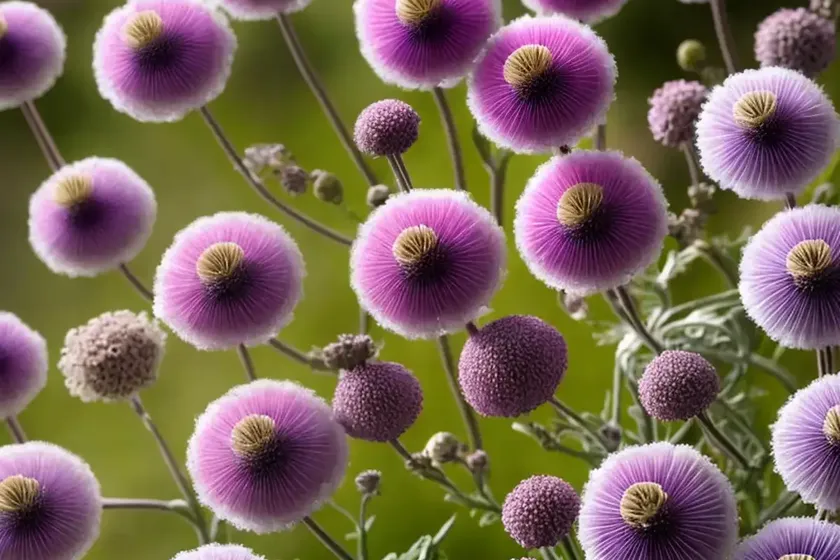
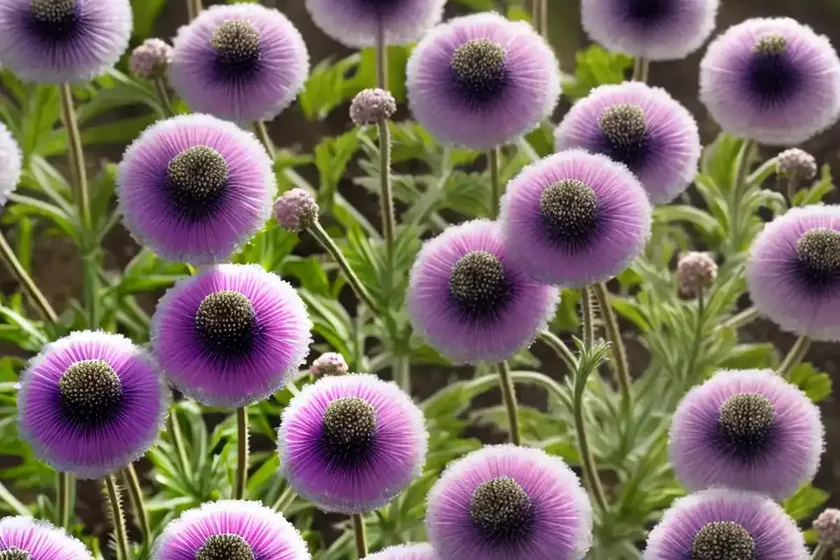
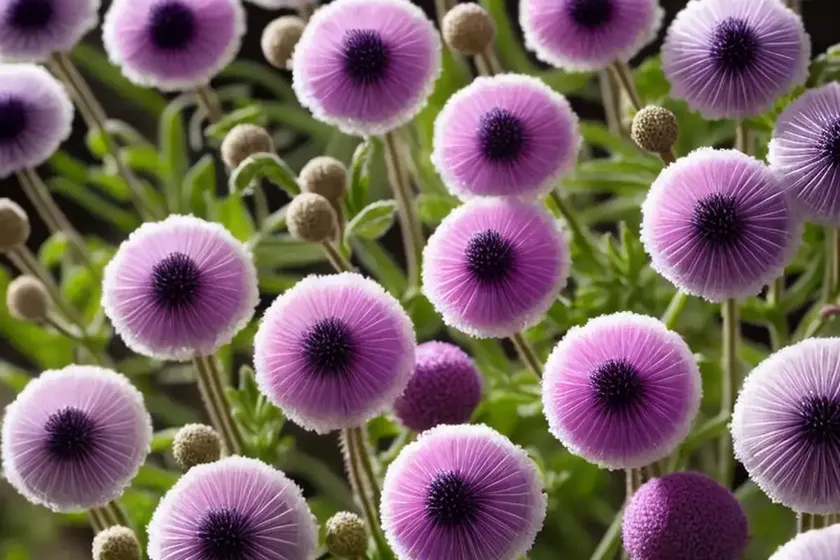
The Scabiosa ‘Pink Mist’, commonly known as the pincushion flower, is a delicate and charming perennial that belongs to the honeysuckle family (Caprifoliaceae). This beautiful plant is beloved for its unique and intricate flowerheads, which resemble pincushions. In this comprehensive guide, we will delve into all aspects of this stunning plant, from its cultivation and care to its uses and fascinating characteristics.
What is a Pincushion Flower (Scabiosa ‘Pink Mist’)?
The pincushion flower, or Scabiosa ‘Pink Mist’, is a variety of Scabiosa that is cherished for its dainty pink blossoms and long-lasting blooms. This cultivar is a relatively compact plant, typically reaching a height of around 12-18 inches and showcasing an abundance of showy, frilly flowers. The captivating appearance of the pincushion flower makes it a popular choice for gardeners and floral enthusiasts alike.
Key Takeaways – Pincushion Flower (Scabiosa ‘Pink Mist’)
Let’s explore the key aspects of cultivating and caring for the Scabiosa ‘Pink Mist’, from its cultural requirements to its common uses and potential challenges.
Culture
- The pincushion flower thrives in a variety of climates, making it a versatile and adaptable addition to gardens and landscapes.
Uses
- This charming plant is often utilized in floral arrangements, adding a touch of elegance and whimsy to bouquets and displays.
Water
- Proper watering is crucial for the health and vitality of the pincushion flower, and finding the right balance is essential for achieving optimal growth.
Sunlight
- Sunlight plays a significant role in the development of the pincushion flower, and understanding its light requirements is key to fostering robust plants.
Fertilizer
- Providing the appropriate nutrients through fertilization can support the pincushion flower’s overall health and encourage bountiful blossoms.
Soil
- Understanding the preferred soil conditions for the pincushion flower is essential for establishing thriving plants with strong root systems.
Pruning
- Regular pruning can help maintain the pincushion flower’s compact shape and encourage continuous blooming throughout the season.
Propagation
- Exploring various propagation methods can enable gardeners to expand their pincushion flower collection and share these enchanting plants with others.
Container Popularity
- The pincushion flower’s suitability for container gardening opens up opportunities for adding charm and color to diverse outdoor settings.
Common Diseases
- Awareness of potential diseases that may affect the pincushion flower is crucial for implementing preventive measures and intervening promptly if issues arise.
Disease Diagnosis
- Recognizing symptoms of common diseases can aid in accurately diagnosing and addressing potential health concerns in pincushion flower plants.
Common Pests
- Identifying and mitigating common pests can safeguard the pincushion flower from potential damage and ensure its continued vibrancy.
Botanist’s Tips
- Insights from botanists and experienced growers can offer valuable guidance on optimizing the cultivation and care of the pincushion flower.
Fun Facts
- Discovering intriguing and lesser-known facts about the pincushion flower can deepen appreciation for this captivating plant.
Scabiosa Pink Mist Care
Water
When it comes to watering the Scabiosa ‘Pink Mist’, it is essential to strike a balance. Although these plants enjoy moist soil, they are susceptible to root rot in excessively damp conditions. During the growing season, regular watering is recommended, particularly during dry spells. However, it is crucial to ensure that the soil drains well to prevent waterlogging.
Sunlight
The Scabiosa ‘Pink Mist’ flourishes in full sunlight or partial shade. Ensuring that the plant receives adequate sunlight is vital for promoting robust growth and abundant flowering. In regions with particularly hot climates, providing partial afternoon shade can help protect the plant from excessive heat.
Fertilizer
Applying a balanced, all-purpose fertilizer to the soil in spring can bolster the pincushion flower’s growth and flowering prowess. Opt for a fertilizer with a slightly higher phosphorus content to encourage the development of healthy blooms. Follow the manufacturer’s recommendations for application rates and frequency to avoid over-fertilization.
Soil
The Scabiosa ‘Pink Mist’ thrives in well-draining, loamy soil with a slightly acidic to neutral pH. Amending the soil with organic matter, such as compost or well-rotted manure, can enhance its texture and fertility, providing an optimal growing medium for these exquisite plants.
Pruning
Regular deadheading and light pruning can prolong the blooming period of the pincushion flower. Removing spent flowers not only maintains the plant’s visual appeal but also encourages the production of new blossoms. In late fall or early spring, a more substantial pruning can be performed to rejuvenate the plant and promote vigorous growth.
Propagation
The pincushion flower can be propagated through division or stem cuttings. Division is typically carried out in spring or fall, while stem cuttings are best harvested in late spring or early summer. Both methods offer gardeners the opportunity to propagate and share the delightful Scabiosa ‘Pink Mist’ with fellow enthusiasts.
Pincushion Flower Cultivation
Water Requirements
Proper watering practices are essential for cultivating healthy and vibrant pincushion flowers. These plants prefer consistently moist soil, especially during the growing season. However, it is crucial to avoid overwatering, which can lead to root rot and other complications.
Sun Exposure
The pincushion flower thrives in full sunlight or partial shade, depending on the local climate. Ensuring that the plant receives adequate sunlight is vital for stimulating robust growth and prolific blooming.
Soil Preferences
Well-draining, fertile soil with a slightly acidic to neutral pH provides an ideal environment for cultivating pincushion flowers. Amending the soil with organic matter can enhance its structure and nutrient content, contributing to the plants’ overall health and vigor.
Growth Habits
The pincushion flower exhibits a compact and bushy growth habit, adorned with an abundance of charming blossoms. Understanding the plant’s growth tendencies is valuable for planning and designing garden landscapes that complement its natural form.
Bloom Time
Pincushion flowers typically bloom from late spring to early fall, showcasing their captivating flowers for an extended period. Recognizing the plant’s bloom time enables gardeners to appreciate and anticipate its seasonal beauty.
Winter Care
In regions with cold winters, providing adequate protection for pincushion flowers is essential. Mulching the soil around the plants can help insulate the roots and shield them from harsh winter conditions.
Scabiosa Pink Mist Characteristics
Flowerhead Shape
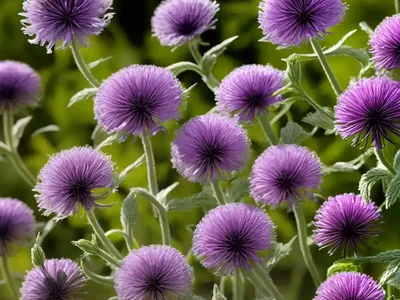
The flowerheads of the Scabiosa ‘Pink Mist’ boast a distinct pincushion-like appearance, with numerous individual flowers densely packed together to create a captivating display. This unique form adds an element of enchantment to garden landscapes and floral arrangements.
Flower Colors
The charming blossoms of the Scabiosa ‘Pink Mist’ typically feature soft pink hues, infusing gardens and floral displays with a delicate and romantic allure. The subtle, yet alluring coloration of the flowers makes them a sought-after choice for adding elegance to various settings.
Perennial Nature
As a perennial plant, the Scabiosa ‘Pink Mist’ returns year after year, delighting growers and admirers with its enduring beauty. With proper care and maintenance, these plants can grace gardens with their lovely blooms for multiple growing seasons.
Attracting Butterflies
The nectar-rich flowers of the Scabiosa ‘Pink Mist’ are known for their ability to attract butterflies and other pollinators. By incorporating these plants into garden spaces, enthusiasts can create inviting habitats for these winged visitors.
Fragrance
While the Scabiosa ‘Pink Mist’ is not renowned for its fragrance, the plant’s inherent charm and visual appeal make it a captivating addition to outdoor spaces, even without a strong scent.
Wildlife Appeal
The pincushion flower’s attractiveness to pollinators and its potential to support local wildlife highlight its ecological value and contribute to the biodiversity of garden ecosystems.
Scabiosa Pink Mist Planting Guide
Planting Season
For optimal results, plant the Scabiosa ‘Pink Mist’ in spring or early fall when the soil is workable, and the weather conditions are conducive to plant establishment. Ensuring that the plants have ample time to acclimate before the onset of adverse weather is crucial for their long-term success.
Soil pH Preferences
The pincushion flower thrives in soil with a slightly acidic to neutral pH, typically ranging from 6.0 to 7.0. Conducting a soil test can provide valuable insights into the pH levels and guide the necessary adjustments for creating an optimal growing environment.
Drought Tolerance
While the pincushion flower appreciates consistent moisture, it also exhibits a degree of drought tolerance, making it a resilient and adaptable plant for varying environmental conditions. Properly established plants with robust root systems can withstand temporary dry spells.
Pincushion Flower Garden
Growing Tips
- Providing adequate moisture while maintaining well-draining soil is crucial for fostering healthy and flourishing pincushion flowers.
- Regular deadheading and light pruning can promote continuous blooming and enhance the plant’s aesthetic appeal.
- Incorporating organic matter into the soil and applying a balanced fertilizer can support the pincushion flower’s growth and overall vigor.
Landscape and Border Suggestions
The compact form and charming blooms of the pincushion flower make it well-suited for edging garden borders and integrating into various landscape designs. Its versatility and visual appeal make it a valuable addition to garden compositions.
Planting Guide
When planting pincushion flowers, ensure that they are positioned in well-draining soil with adequate sunlight. Spacing the plants appropriately allows for sufficient air circulation and promotes their healthy development.
Scabiosa Pink Mist Companion Plants
Arrangement Ideas
The Scabiosa ‘Pink Mist’ pairs beautifully with a variety of companion plants in garden beds and containers. Whether combined with other perennial flowers, ornamental grasses, or foliage plants, the pincushion flower adds elegance and charm to diverse floral arrangements.
Container Gardening
Utilizing containers to showcase the pincushion flower provides flexibility and creative opportunities for enhancing outdoor spaces. Incorporating complementary plants and designing visually appealing arrangements can elevate the charm of container gardens.
Arrangements for Weddings
The delicate and romantic allure of the Scabiosa ‘Pink Mist’ makes it a coveted choice for wedding floral arrangements. Its subtle pink blossoms add grace and sophistication to bridal bouquets, centerpieces, and other wedding floral displays.
Scabiosa Pink Mist Pest Control
Common Pests
While the pincushion flower is relatively resistant to pest infestations, it may occasionally encounter aphids, spider mites, or whiteflies. Implementing proactive measures, such as monitoring for signs of infestation and utilizing natural predators, can help mitigate pest pressures.
Scabiosa Pink Mist Disease Resistance
Disease Resistance
The Scabiosa ‘Pink Mist’ exhibits good resistance to most common diseases. However, certain conditions, such as prolonged moisture and poor air circulation, can predispose the plants to issues like powdery mildew or botrytis. Implementing preventive strategies and maintaining optimal growing conditions can minimize the risk of disease development.
Scabiosa Pink Mist External Links
Cutting Flowers
- Learn more about using pincushion flowers in cut flower arrangements and discover tips for extending their vase life. Cutting Flowers
Attracting Butterflies
- Explore the appeal of pincushion flowers to butterflies and discover how to create a butterfly-friendly garden using these enchanting plants. Attracting Butterflies
Garden Design
- Find inspiration for incorporating the Scabiosa ‘Pink Mist’ into garden designs and explore creative ways to enhance outdoor spaces with these lovely plants. Garden Design Ideas
Pruning Techniques
- Delve into the art of pruning pincushion flowers and acquire valuable insights into maintaining their shape and promoting continuous blooming. Pruning Techniques
Pollinators
- Learn about the role of pincushion flowers in supporting pollinators and discover the impact of these plants on local wildlife and biodiversity. Pollinator Support
Care Tips
- Access comprehensive care tips for cultivating and nurturing pincushion flowers, encompassing watering, sunlight, soil, and overall plant maintenance. Care Tips
In conclusion, the Scabiosa ‘Pink Mist’ represents a delightful addition to gardens, landscapes, and floral arrangements. With its captivating appearance, easy-care nature, and diverse applications, this charming plant continues to enchant gardening enthusiasts and floral aficionados alike. By understanding its cultivation and care requirements, appreciating its unique characteristics, and exploring its uses and ecological contributions, individuals can cultivate a deeper appreciation for the beauty and allure of the pincushion flower.
Keywords: Scabiosa Pink Mist, Pincushion flower varieties, Scabiosa Pink Mist care, Pincushion flower cultivation, Scabiosa Pink Mist plant, Pincushion flower species, Scabiosa Pink Mist characteristics, Pincushion flower garden, Scabiosa Pink Mist growing tips, Pincushion flower landscape, Scabiosa Pink Mist propagation, Pincushion flower blooms, Scabiosa Pink Mist perennial, Pincushion flower planting guide, Scabiosa Pink Mist pruning, Pincushion flower colors, Scabiosa Pink Mist disease resistance, Pincushion flower pollinators, Scabiosa Pink Mist container gardening, Pincushion flower arrangement ideas, Scabiosa Pink Mist companion plants, Pincushion flower season, Scabiosa Pink Mist water requirements, Pincushion flower soil preferences, Scabiosa Pink Mist wildlife appeal, Pincushion flower care tips, Scabiosa Pink Mist cutting flowers, Pincushion flower in pots, Scabiosa Pink Mist sun exposure, Pincushion flower landscaping ideas, Scabiosa Pink Mist pest control, Pincushion flower medicinal uses, Scabiosa Pink Mist drought tolerance, Pincushion flower flowerhead shape, Scabiosa Pink Mist growth habits, Pincushion flower bloom time, Scabiosa Pink Mist garden design, Pincushion flower native habitat, Scabiosa Pink Mist planting season, Pincushion flower border suggestions, Scabiosa Pink Mist soil pH preferences, Pincushion flower arrangements for weddings, Scabiosa Pink Mist winter care, Pincushion flower foliage color, Scabiosa Pink Mist garden maintenance, Pincushion flower pruning techniques, Scabiosa Pink Mist flower fragrance, Pincushion flower seeds, Scabiosa Pink Mist attracting butterflies, Pincushion flower hardiness zone information