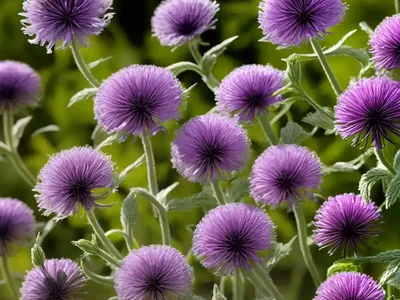
Pincushion Flower (Scabiosa ‘Fama White’)
Plants have been fascinating and essential parts of our lives since the beginning of time. Whether they are primarily used for their aesthetic appeal or.
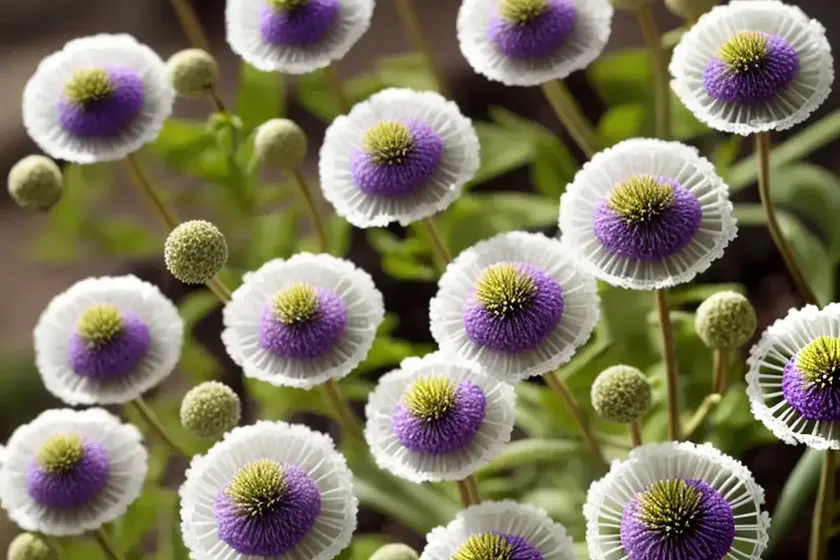
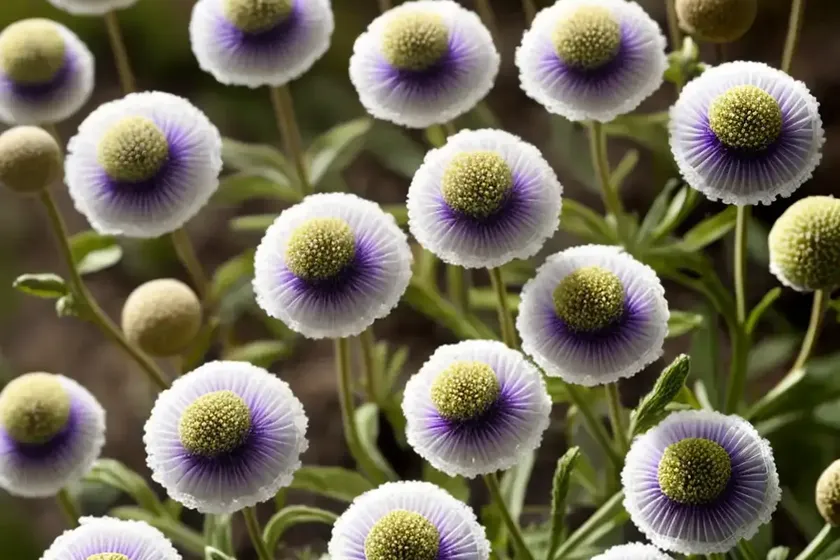
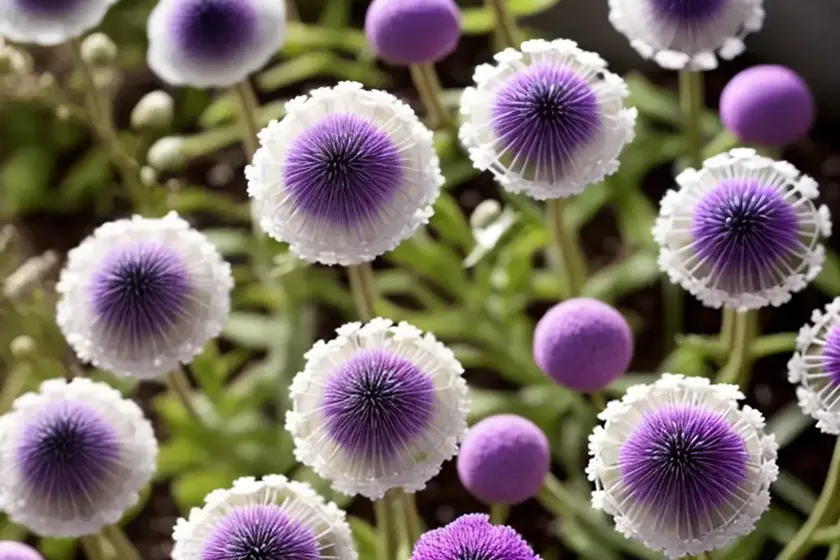
Plants have been fascinating and essential parts of our lives since the beginning of time. Whether they are primarily used for their aesthetic appeal or for their medicinal properties, plants play a crucial role in our daily lives. Among the plethora of plant species, the pincushion flower, scientifically known as Scabiosa ‘Fama White’, stands out for its exceptional beauty and versatility. In this comprehensive guide, we will delve into the intricacies of this stunning plant, exploring its characteristics, cultivation, uses, and much more.
What is Plant: Pincushion Flower (Scabiosa ‘Fama White’)?
Pincushion flower (Scabiosa ‘Fama White’) is a perennial flowering plant that belongs to the honeysuckle family (Caprifoliaceae). It is a cultivar of the Scabiosa genus, renowned for its captivating, pincushion-like blossoms, and delicate, lace-like foliage. The ‘Fama White’ variety, in particular, is celebrated for its pure white, globe-shaped flowers that add an elegant charm to any garden or landscape.
Key Takeaways – Pincushion Flower (Scabiosa ‘Fama White’)
Before we delve into the specific details of cultivating and caring for the pincushion flower (Scabiosa ‘Fama White’), let’s take a quick look at the key takeaways about this exquisite plant:
- Botanical Name: Scabiosa ‘Fama White’
- Common Name: Pincushion Flower
- Type: Perennial
- Flower Color: White
- Sunlight: Full sun to partial shade
- Water: Moderate
- Soil: Well-draining, fertile soil
- Height: 18-24 inches
- USDA Hardiness Zones: 3-7
- Uses: Borders, containers, cut flowers
Now that we have a general overview, let’s dive into the specific aspects of cultivating and caring for this beautiful plant.
Culture
Uses
The pincushion flower (Scabiosa ‘Fama White’) is a versatile plant that can be employed in various horticultural settings, adding grace and beauty with its delicate blooms. Some of the primary uses of this plant include:
-
Borders: Its compact size and profuse blooming make the ‘Fama White’ variety an excellent choice for border plantings. It adds a touch of elegance to the edges of flower beds or walkways.
-
Cut Flowers: The long, slender stems of the pincushion flower make it an ideal candidate for cut flower arrangements. Its white, pincushion-like blossoms add a unique charm to floral displays.
-
Containers: Due to its relatively small size, the ‘Fama White’ cultivar is well-suited for container gardening. It can be grown in pots or decorative containers to adorn patios, balconies, and other outdoor spaces.
Water
Sufficient moisture is essential for the healthy growth and development of the pincushion flower. While it is important to avoid waterlogging the soil, regular watering is crucial, especially during dry spells or in regions with high temperatures. As a general guideline, aim to keep the soil consistently moist but not waterlogged.
Sunlight
The pincushion flower thrives in full sun to partial shade. It is advisable to provide it with at least 6-8 hours of direct sunlight per day to ensure prolific flowering and robust growth. In regions with scorching summers, partial shade during the hottest part of the day can be beneficial for the plant.
Fertilizer
When it comes to fertilization, a balanced, all-purpose fertilizer can be applied to the pincushion flower during the growing season. A slow-release fertilizer or a liquid fertilizer diluted to half strength can be administered every 4-6 weeks to support healthy growth and abundant flowering. However, it is crucial not to over-fertilize, as excessive nutrients can lead to lush foliage at the expense of blooms.
Soil
The pincushion flower (Scabiosa ‘Fama White’) thrives in well-draining, fertile soil. A loamy soil with ample organic matter is ideal for cultivating this plant. It is essential to ensure that the soil has good drainage to prevent waterlogging, which can be detrimental to the plant’s health.
Pruning
Pruning plays a vital role in maintaining the health and appearance of the pincushion flower. Deadheading, which involves the removal of spent flowers, is particularly important to promote continuous blooming. Additionally, light pruning to remove leggy or damaged stems can help in shaping the plant and encouraging a compact, bushy form.
Propagation
The pincushion flower can be propagated through various methods, including division, stem cuttings, and seed sowing.
-
Division: In early spring or fall, mature clumps of the pincushion flower can be divided into smaller sections, each containing healthy roots and shoots. These divisions can be replanted to establish new plants.
-
Stem Cuttings: Stem cuttings can be taken from healthy, non-flowering shoots and rooted in a suitable growing medium. This method allows for the propagation of exact replicas of the parent plant.
-
Seed Sowing: The pincushion flower produces seeds that can be sown directly in the garden soil or in containers. Sowing seeds in spring or early summer can yield new plants in the following growing season.
Container Popularity
The ‘Fama White’ cultivar of the pincushion flower is particularly popular for container gardening due to its compact size and graceful appearance. It can be grown in various types of containers, ranging from terracotta pots to decorative planters, allowing individuals with limited garden space to enjoy the beauty of this plant on patios, decks, or balconies.
Common Diseases and Pests
Common Diseases
While the pincushion flower is relatively resilient, it may be susceptible to certain diseases under unfavorable growing conditions. Some of the common diseases that can affect this plant include:
-
Powdery Mildew: This fungal disease manifests as a powdery, white coating on the foliage, ultimately leading to stunted growth and reduced flowering.
-
Root Rot: Excessive moisture or poorly draining soil can contribute to root rot, causing the plant’s roots to decay and affecting its overall health.
-
Leaf Spot: Leaf spot diseases can cause dark, irregular spots to develop on the foliage, potentially leading to leaf yellowing and premature defoliation.
Disease Diagnosis
Early detection and timely intervention are crucial in managing plant diseases effectively. Regular inspection of the foliage, stems, and overall plant health can aid in the early diagnosis of potential diseases. If symptoms such as abnormal discoloration, wilting, or unusual growth patterns are observed, it is essential to promptly assess the plant and take appropriate measures to mitigate the issue.
Common Pests
The pincushion flower may also attract certain pests that can negatively impact its vitality and aesthetics. Some of the common pests that may affect this plant include:
-
Aphids: These small, sap-sucking insects can cluster on the tender shoots and buds of the plant, causing distortion of new growth and potential transmission of viral diseases.
-
Thrips: Thrips are tiny, slender insects that may feed on the flower buds and petals, leading to damage and discoloration.
-
Spider Mites: These arachnids can infest the undersides of leaves, where they feed on plant juices, causing stippling and weakening the plant.
Botanist’s Tips
To ensure the successful cultivation and care of the pincushion flower (Scabiosa ‘Fama White’), consider the following expert tips:
-
Deadheading: Regular deadheading not only promotes continuous flowering but also prevents the plant from self-seeding excessively, which could lead to overcrowding.
-
Mulching: Applying a layer of organic mulch around the base of the plant helps retain soil moisture, suppresses weeds, and provides insulation to the roots during temperature fluctuations.
-
Support: Depending on the local climate and the growth habit of the plant, providing support in the form of stakes or hoops can help prevent stems from bending or breaking, especially during heavy rain or strong winds.
-
Companion Planting: Pairing the pincushion flower with companion plants that share similar cultural requirements can create visually pleasing and ecologically beneficial combinations in the garden.
Fun Facts
To further appreciate the charm and allure of the pincushion flower (Scabiosa ‘Fama White’), here are some engaging and intriguing facts about this captivating plant:
- The common name “pincushion flower” is derived from the resemblance of its intricate, pincushion-like blooms.
- In addition to its ornamental value, the pincushion flower is also known for its attractiveness to pollinators, particularly butterflies and bees.
- The Scabiosa genus, to which the pincushion flower belongs, is native to various regions, including Europe, Africa, and Asia, encompassing a wide range of species and hybrids.
Links to External Resources
To further expand your knowledge and appreciation for the pincushion flower (Scabiosa ‘Fama White’), here are some recommended external resources:
- Royal Horticultural Society – Scabiosa cultivation guide
- University of Florida IFAS Extension – Plant Disease Control Principles and Practices
- American Society for the Prevention of Cruelty to Animals (ASPCA) – The Effect of Different Types of Fertilizers on Plant Growth
In conclusion, the pincushion flower (Scabiosa ‘Fama White’) stands as a testament to the beauty and resilience of plant life. Its exquisite white blooms, coupled with its adaptability to various growing conditions, make it a prized addition to gardens, landscapes, and floral arrangements. By understanding the nuances of its cultivation, caring for its needs, and appreciating its ecological contributions, we can foster a deeper connection with this enchanting plant and enhance our horticultural pursuits.
Remember, the pincushion flower not only adds visual appeal but also enriches the natural tapestry of the environment, attracting pollinators and contributing to the overall biodiversity. As we continue to explore and celebrate the wonders of the natural world, may the pincushion flower inspire us to cherish and protect the botanical treasures that grace our lives.
The guide above explicates the comprehensive details about the pincushion flower (Scabiosa ‘Fama White’), covering its cultural requirements, uses, common diseases, pests, and expert tips. It aims to provide a valuable resource for plant enthusiasts, horticulturists, and individuals seeking insights into the care and appreciation of this exquisite flowering perennial. The inclusion of fun facts and external resources further enriches the reader’s understanding and engagement with the subject matter.