Pignolia (Pinus Edulis)
Pignolia, scientifically known as Pinus edulis, is a species of pine tree renowned for its flavorful nuts and its significance in various ecological and.
Introduction
Pignolia, scientifically known as Pinus edulis, is a species of pine tree renowned for its flavorful nuts and its significance in various ecological and culinary aspects. As a plant scientist, it is fascinating to explore the characteristics, uses, and cultivation practices associated with this remarkable plant. In this comprehensive guide, we will delve into the intricate details of Pignolia, encompassing its cultural significance, uses, ideal growing conditions, common diseases, and botanical tips. Moreover, we will highlight interesting facts, provide insights into its propagation and container cultivation, and offer guidance on diagnosing diseases and managing pests. This blog post aims to serve as an invaluable resource for plant enthusiasts, botanists, and individuals interested in the ecological and culinary aspects of Pignolia.
What is Pignolia (Pinus Edulis)?
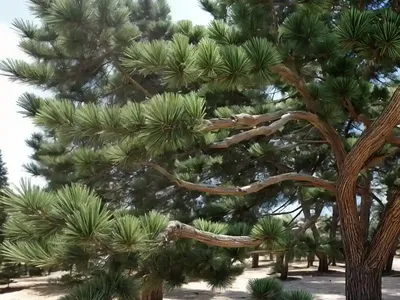
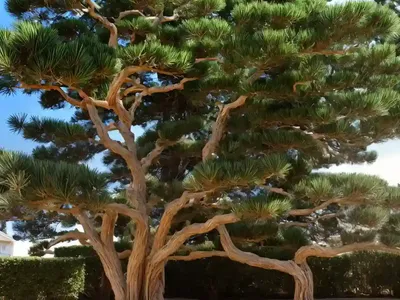
Pinus edulis, commonly referred to as Pignolia, is a slow-growing, medium-sized pine tree that belongs to the stone pine family, Pinaceae. This species is native to the southwestern United States and northern Mexico, thriving in arid and semi-arid environments.
Key Takeaways – Pignolia (Pinus Edulis)
Before delving into the cultural practices and uses of Pignolia, let’s summarize the key takeaways associated with this fascinating plant.
- Pignolia nuts are rich in nutrition and are esteemed for their health benefits.
- The Pignolia tree exhibits unique ecological characteristics and growth habits.
- Pinus edulis holds cultural significance and is utilized in various culinary and medicinal applications.
- The conservation and reforestation efforts for Pignolia are fundamental to sustaining its natural habitat and ecological balance.
With these key takeaways in mind, let’s embark on a detailed exploration of Pignolia, encompassing its culture, uses, and essential growing requirements.
Culture
Water
Pignolia trees are well-adapted to arid and semi-arid environments, exhibiting a remarkable tolerance to drought conditions. When establishing young Pignolia trees, it is crucial to provide regular watering throughout the first year to promote healthy root development. However, once established, the tree can thrive with minimal irrigation, making it an ideal choice for water-conscious landscapes.
Sunlight
In its natural habitat, Pignolia thrives in full sun, requiring at least six hours of direct sunlight per day. When cultivating Pignolia trees, ensure that they are planted in locations with ample sunlight exposure to support robust growth and nut production.
Fertilizer
Given its adaptation to nutrient-deficient soils, Pignolia trees generally do not require extensive fertilization. In fact, excessive fertilization can be detrimental to the plant’s health. If necessary, a balanced, slow-release fertilizer can be applied sparingly during the tree’s early growth stages to support establishment.
Soil
Pignolia trees favor well-draining, sandy soils with minimal organic content. They are well-suited to rocky, alkaline soils commonly found in arid environments. When planting Pignolia, it is essential to ensure that the soil facilitates efficient drainage to prevent waterlogging, which can have adverse effects on the tree’s root system.
Pruning
Pruning Pignolia trees is generally minimal, primarily focused on maintaining a healthy and balanced canopy structure. Remove any dead or damaged branches, and consider light shaping to enhance the tree’s aesthetic appeal. Pruning should be conducted during the dormant season to minimize stress on the tree.
Uses
Pignolia, particularly valued for its nutritious nuts, holds significant cultural, ecological, and culinary importance. Let’s explore some of the primary uses associated with this remarkable tree.
-
Culinary Uses: Pignolia nuts, often referred to as pine nuts, are widely utilized in culinary applications, adding a delightful flavor and texture to various dishes. They are commonly used in savory and sweet recipes, including pesto, salads, and baked goods. The rich, buttery flavor of Pignolia nuts makes them a sought-after ingredient in diverse cuisines.
-
Medicinal Properties: In addition to their culinary uses, Pignolia nuts are recognized for their health benefits. They are a good source of essential nutrients, including vitamins, minerals, and antioxidants. Pignolia nuts are believed to support heart health, aid in weight management, and provide an energy boost due to their nutrient-dense composition.
-
Ecological Significance: Within their natural habitat, Pignolia trees contribute to the ecological balance of arid regions, providing habitat and sustenance for diverse wildlife species. Their role in stabilizing soil and minimizing erosion is fundamental to the resilience of arid ecosystems.
-
Symbolic and Cultural Significance: Pignolia trees hold cultural significance for indigenous communities and have been utilized in traditional ceremonies and practices. Their enduring presence in arid landscapes symbolizes resilience and adaptation to harsh environmental conditions.
Propagation
Propagation of Pignolia trees can be accomplished through seed germination. Collect mature Pignolia cones when they naturally open and release their seeds. Extract the seeds from the cones and stratify them by storing them in a cool, moist environment for several weeks to mimic the natural conditions required for germination.
Container Cultivation
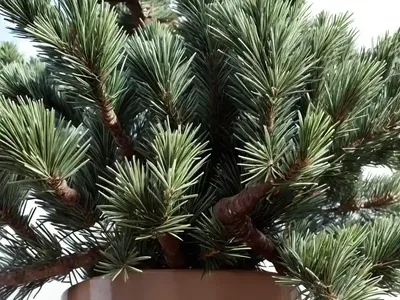
While Pignolia trees are typically grown in open landscapes, they can also thrive in large containers. When cultivating Pignolia in containers, it is crucial to ensure sufficient space for root development and provide well-draining soil mixtures suitable for arid-adapted plants.
Popularity
The popularity of Pignolia trees transcends cultural and culinary boundaries, with their nutritional value and ecological significance contributing to their widespread appreciation. As a favored ingredient in gourmet cuisine and a resilient landscaping option, Pignolia has garnered attention from chefs, conservationists, and plant enthusiasts alike.
Common Diseases
Pignolia trees are generally resistant to many common tree diseases. However, they may be susceptible to some fungal infections, particularly in humid environments and during periods of prolonged moisture. Keeping the tree’s canopy adequately pruned to promote airflow and ensuring proper drainage can help prevent common fungal issues.
Disease Diagnosis
When assessing the health of Pignolia trees, be vigilant for signs of fungal infections, such as discolored or wilting foliage, resinous cankers on the trunk or branches, and abnormal growth patterns. Swift intervention with appropriate fungicidal treatments may be necessary to mitigate disease progression.
Common Pests
While Pignolia trees are relatively resistant to pests, they may occasionally face challenges from insect pests such as bark beetles and caterpillars. Regular inspections and prompt management practices can help minimize pest-related damage to the trees.
Botanist’s Tips
For individuals passionate about cultivating Pignolia trees or incorporating them into their landscapes, adhering to the following botanist’s tips can enhance the success and vitality of these remarkable plants.
-
Optimal Growing Conditions: When cultivating Pignolia, prioritize well-draining soils, ample sunlight, and minimal irrigation to mimic its natural habitat and promote robust growth.
-
Conservation Efforts: Stay informed about conservation initiatives aimed at safeguarding Pignolia populations and their natural habitats. Supporting reforestation and conservation projects can contribute to the long-term preservation of this species.
-
Culinary Applications: Experiment with Pignolia nuts in diverse culinary creations, embracing their rich flavor and nutritional benefits. Explore traditional and contemporary recipes that showcase the versatility of Pignolia nuts in various cuisines.
Fun Facts
To further appreciate the allure of Pignolia trees, let’s uncover some intriguing and lesser-known facts about this captivating species.
- Pignolia trees can live for several centuries, demonstrating remarkable longevity in their arid habitats.
- Pignolia nuts have been cherished for their culinary and medicinal properties for millennia, showcasing their enduring relevance across diverse cultures.
- The unique cone structure of Pignolia trees facilitates the release of their nutritious seeds, contributing to the propagation and ecological significance of the species.
Links to External Resources
For individuals seeking additional information and insights into Pignolia (Pinus edulis), the following external resources offer valuable perspectives on the plant’s ecological, culinary, and cultural significance.
- Pignolia Nut Nutrition and Culinary Uses
- Pinus Edulis: Ecology and Conservation
- Pignolia Tree Planting and Care Guide
- Cultural Significance of Pignolia Trees
- Pignolia Tree Health and Disease Management
In conclusion, the enduring appeal of Pignolia (Pinus edulis) stems from its ecological resilience, culinary versatility, and cultural significance. As a plant scientist, exploring the intricate aspects of Pignolia has illuminated the plant’s adaptive traits, nutritional value, and ecological role. Whether integrated into arid landscapes or featured in gourmet cuisine, Pignolia perpetuates its legacy as a revered and multifaceted botanical treasure, embodying the enduring harmony between nature and culture.