Philodendron Xanadu (Philodendron Xanadu)
Philodendron Xanadu, scientifically known as Philodendron xanadu, is an exquisite plant that has gained popularity among plant enthusiasts for its lush.
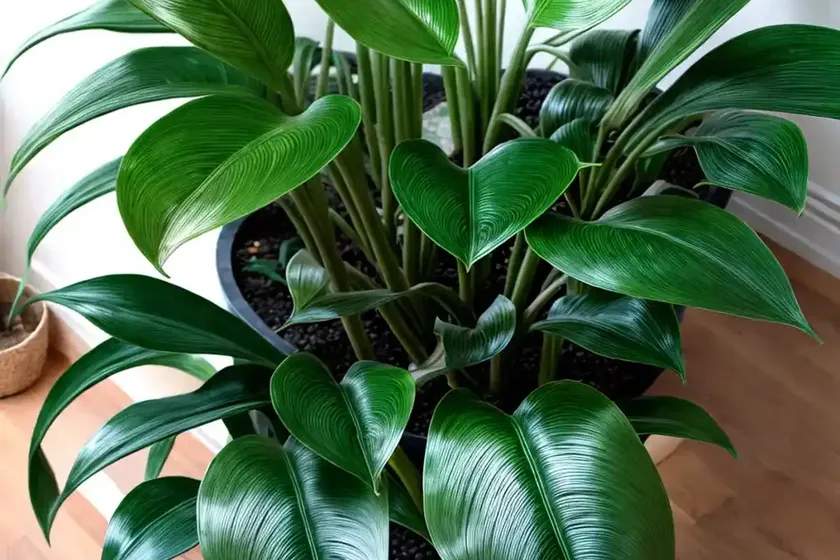
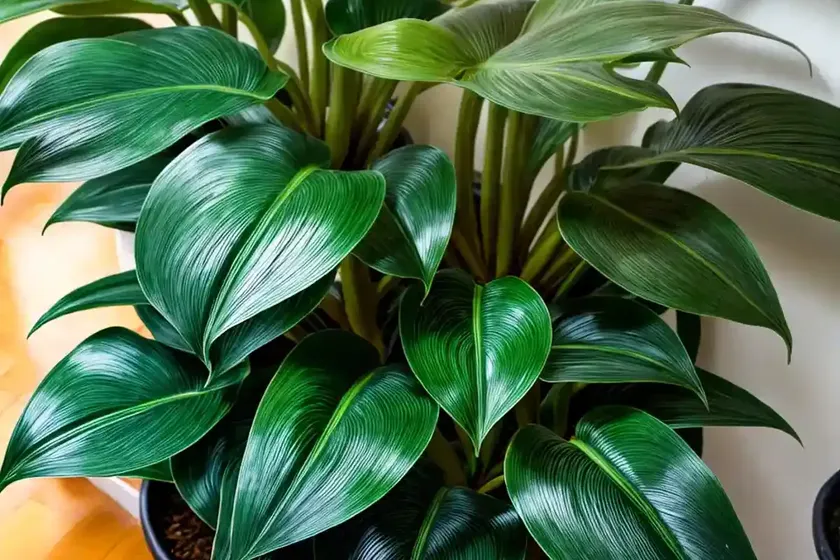
Philodendron Xanadu, scientifically known as Philodendron xanadu, is an exquisite plant that has gained popularity among plant enthusiasts for its lush foliage and ease of care. This species belongs to the Araceae family and is native to Brazil, known for its tropical climate and diverse flora. In this comprehensive guide, we will delve into the various aspects of Philodendron Xanadu, including its culture, uses, care requirements, common pests and diseases, propagation techniques, and much more. Whether you are a seasoned plant enthusiast or a novice in the world of gardening, this guide will provide you with valuable insights into the world of Philodendron Xanadu.
What is Philodendron Xanadu?
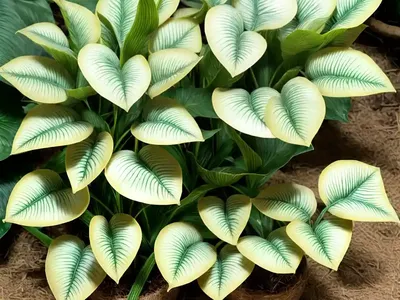
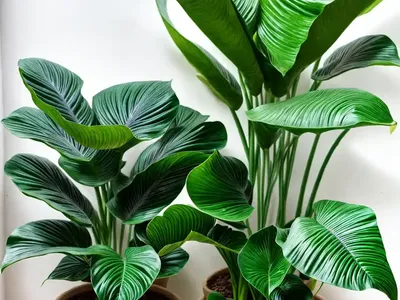
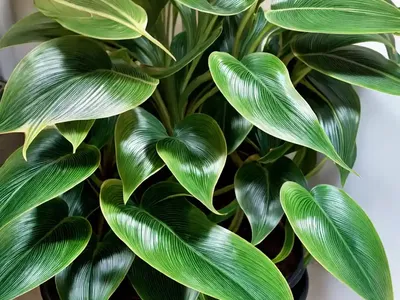
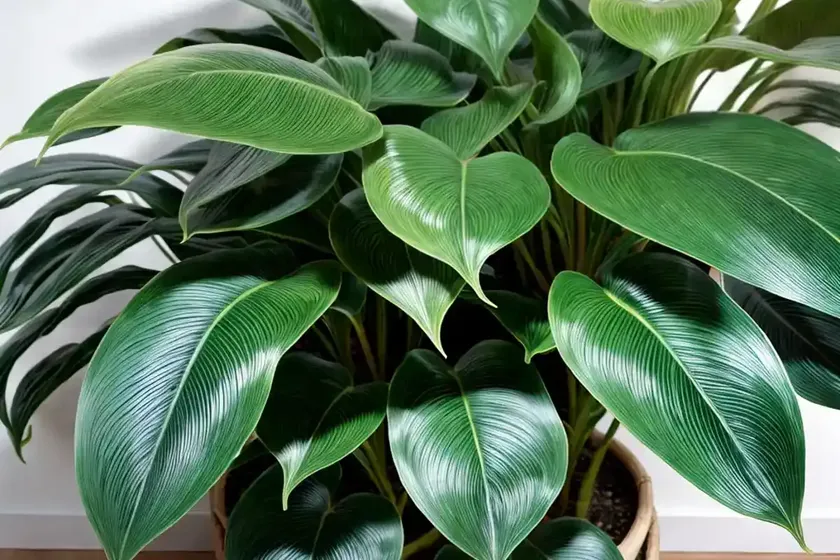
Philodendron Xanadu is a member of the Philodendron genus, renowned for its striking appearance and low maintenance requirements. This species is characterized by its deeply lobed, glossy green leaves that form a dense, upright clump, creating a lush and tropical ambiance in both indoor and outdoor settings. With its compact growth habit and resilience, Philodendron Xanadu has become a popular choice for interior landscaping, adding a touch of elegance to homes, offices, and public spaces.
Key Takeaways – Philodendron Xanadu
Before we delve further into the intricacies of Philodendron Xanadu, let’s explore the key takeaways associated with this beloved plant:
- Scientific Name: Philodendron xanadu
- Family: Araceae
- Common Names: Philodendron Xanadu, Winterbourn Philodendron
- Growth Habit: Upright, dense clump of foliage
- Foliage: Glossy, deeply lobed green leaves
- Uses: Interior landscaping, outdoor ornamental plant
Now that we have gained a foundational understanding of Philodendron Xanadu, let’s embark on a comprehensive journey to explore the culture, care, propagation, and more aspects of this fascinating plant.
Culture of Philodendron Xanadu
Understanding the cultural requirements of Philodendron Xanadu is essential for promoting its healthy growth and vibrant foliage. From suitable environmental conditions to appropriate maintenance practices, a well-rounded knowledge of the plant’s culture will pave the way for a thriving Philodendron Xanadu in your living space or garden.
Water
Proper watering is crucial for the well-being of Philodendron Xanadu, ensuring that the plant remains adequately hydrated without succumbing to issues such as root rot or dehydration. When it comes to watering this species, consider the following guidelines:
- Moderation is Key: Philodendron Xanadu thrives in moderately moist soil, but it is essential to allow the soil to partially dry out between waterings. Overwatering can lead to waterlogged soil and root rot, while underwatering can result in wilting and leaf discoloration.
- Consistent Moisture: Aim to maintain a consistent level of soil moisture, providing water when the top inch of the soil feels dry to the touch. Adjust the frequency of watering based on environmental factors such as temperature and humidity.
- Water Quality: Use room-temperature water to prevent shock to the plant and minimize the accumulation of salts and chemicals in the soil. Consider using filtered or distilled water if your tap water contains high levels of chlorine or fluoride.
- Seasonal Adjustments: During the growing seasons of spring and summer, Philodendron Xanadu may require more frequent watering to support its active growth. In contrast, reduce the watering frequency during the dormant phase in fall and winter.
By adhering to proper watering practices, you can ensure that your Philodendron Xanadu thrives and maintains its vibrant appearance throughout the year.
Sunlight
Sunlight plays a pivotal role in the growth and development of Philodendron Xanadu, influencing aspects such as leaf coloration, photosynthesis, and overall vigor. To harness the benefits of sunlight while safeguarding the plant from potential harm, consider the following sunlight guidelines:
- Filtered Bright Light: Philodendron Xanadu thrives in bright, indirect light, making it an ideal choice for interior spaces with ample natural light. Position the plant near a window where it can receive filtered sunlight, avoiding direct exposure to intense rays that may scorch the leaves.
- Low-Light Tolerance: While Philodendron Xanadu appreciates bright light, it also demonstrates resilience in low-light conditions. However, prolonged exposure to dim environments may lead to reduced growth and less vibrant foliage.
- Sunlight Duration: Aim to provide Philodendron Xanadu with 6 to 8 hours of indirect sunlight per day, maintaining a balance between light exposure and shade. Regularly assess the plant’s response to its current light conditions and make adjustments as needed.
By ensuring that your Philodendron Xanadu receives appropriate sunlight, you can promote healthy growth and vibrant foliage, contributing to the plant’s visual appeal and overall well-being.
Fertilizer
Fertilization is an integral aspect of Philodendron Xanadu care, providing essential nutrients to support robust growth and lush foliage. When implementing a fertilization regimen for Philodendron Xanadu, consider the following guidelines:
- Balanced Fertilizer: Choose a well-balanced, water-soluble fertilizer with a formulation such as 20-20-20 or 10-10-10, containing nitrogen, phosphorus, and potassium in equal proportions. This balanced blend will provide the plant with the necessary nutrients for overall health and vitality.
- Frequency: During the active growing seasons of spring and summer, fertilize Philodendron Xanadu every 4 to 6 weeks to sustain its vigor and promote leaf expansion. Reduce the frequency to every 6 to 8 weeks in the fall and winter when the plant’s growth rate decreases.
- Dilution and Application: Dilute the fertilizer to half or quarter strength to prevent potential fertilizer burn and apply it to moist soil to facilitate even distribution and uptake by the plant’s roots.
By adhering to a well-structured fertilization schedule and choosing a suitable fertilizer formulation, you can provide your Philodendron Xanadu with the essential nutrients it needs to thrive and flourish.
Soil
The choice of soil directly impacts the overall health and growth of Philodendron Xanadu, influencing factors such as drainage, aeration, and nutrient availability. When selecting a suitable soil medium for this species, consider the following soil recommendations:
- Well-Draining Medium: Philodendron Xanadu thrives in a well-draining, peat-based potting mix that retains moisture without becoming waterlogged. Look for soil mixtures that contain ingredients such as peat moss, perlite, and pine bark, promoting adequate aeration and drainage.
- pH Considerations: The ideal soil pH for Philodendron Xanadu ranges from 5.5 to 6.5, creating an acidic to slightly acidic environment that enhances nutrient uptake and microbial activity.
- Avoid Compaction: As you plant Philodendron Xanadu in its designated container, ensure that the soil is gently tamped down to eliminate air pockets without becoming overly compacted, as this may restrict root growth and water penetration.
By providing Philodendron Xanadu with a well-draining, nutrient-rich soil mixture, you can create an optimal growing environment that fosters the plant’s overall well-being and longevity.
Pruning
Pruning is a fundamental aspect of Philodendron Xanadu maintenance, serving to shape the plant, remove damaged foliage, and promote healthy growth. When engaging in pruning activities, consider the following guidelines to ensure the best outcomes for your Philodendron Xanadu:
- Sterilized Tools: Prior to pruning, sterilize your pruning shears or scissors with rubbing alcohol or a diluted bleach solution to minimize the risk of transmitting diseases or pathogens to the plant.
- Selective Trimming: Focus on removing yellowing or damaged leaves, as well as any leggy or overgrown stems and foliage. By selectively pruning the plant, you can maintain its compact form and enhance its visual appeal.
- Pruning Frequency: Regularly assess your Philodendron Xanadu for any pruning needs, addressing issues as they arise to prevent the accumulation of unsightly or unhealthy foliage.
- Post-Pruning Care: After pruning, monitor the plant for signs of stress and ensure that it receives proper care in terms of watering, light exposure, and fertilization to support its recovery and regrowth.
By integrating regular pruning into your Philodendron Xanadu care routine, you can promote a tidy appearance and encourage the plant to allocate its resources towards healthy, new growth.
Propagation of Philodendron Xanadu
Propagation techniques serve as a gateway to expanding your collection of Philodendron Xanadu plants, allowing you to create new specimens from existing parent plants. Whether you seek to share the beauty of this species with fellow gardening enthusiasts or desire to nurture additional Philodendron Xanadu plants for your personal space, familiarizing yourself with propagation methods is essential.
Propagation Methods
- Stem Cuttings: Propagating Philodendron Xanadu through stem cuttings is a straightforward and effective method that yields reliable results. To propagate the plant through stem cuttings, follow these steps:
- Select a healthy, mature stem with several nodes and at least one aerial root.
- Use sanitized pruning shears to make a clean cut just below a node, ensuring that the cutting is 4 to 6 inches in length.
- Remove any leaves from the lower portion of the cutting to expose the nodes, which serve as the potential sites for new root and shoot development.
- Dip the cut end of the stem cutting into a rooting hormone to promote the initiation of roots and enhance the cutting’s ability to establish itself.
- Plant the cutting in a well-draining, moist potting mix and provide it with the appropriate environmental conditions for rooting, including warmth, humidity, and indirect light.
-
Regularly monitor the cutting for root development and provide it with gentle watering to support its growth.
-
Division: Another propagation technique for Philodendron Xanadu involves division, wherein the parent plant is carefully separated into smaller sections, each possessing its own set of roots and foliage. To propagate Philodendron Xanadu through division, follow these steps:
- Carefully remove the parent plant from its container, gently shaking off excess soil to expose the root system.
- Locate the natural points of division, which may include distinctive sections of the plant with their own stems, leaves, and roots.
- Use sanitized scissors or a sharp knife to divide the plant into smaller sections, ensuring that each division possesses a sufficient portion of roots and foliage to sustain its growth.
- Plant each divided section in its own container filled with a well-draining potting mix and provide it with appropriate care and environmental conditions to encourage root establishment and new growth.
By exploring the art of propagation and integrating these techniques into your plant care repertoire, you can expand your collection of Philodendron Xanadu while gaining valuable hands-on experience in horticulture.
Container Popularity of Philodendron Xanadu
Given its versatility and ornamental charm, Philodendron Xanadu has secured a prominent position as a popular container plant, gracing indoor and outdoor spaces with its lush foliage and visually captivating presence. Whether placed in decorative planters, hanging baskets, or garden beds, Philodendron Xanadu adds a touch of natural elegance to its surroundings, enhancing the aesthetic appeal and ambiance of various settings.
Indoor Containers
As an indoor container plant, Philodendron Xanadu thrives in a range of interior environments, transforming living spaces into vibrant green sanctuaries and contributing to the overall well-being of occupants. Consider the following aspects when cultivating Philodendron Xanadu in indoor containers:
- Decorative Planters: Opt for decorative planters that complement the interior decor while providing sufficient space for the plant’s root system to grow and expand. Consider materials such as ceramic, terracotta, or modern composite materials to achieve a harmonious blend of functionality and aesthetics.
- Suitable Locations: Position indoor containers of Philodendron Xanadu near windows or areas with bright, indirect light, ensuring that the plant receives the necessary sunlight for optimal growth. Additionally, consider the plant’s space requirements and allocate adequate room for its foliage to spread and flourish.
- Indoor Landscaping: By integrating Philodendron Xanadu into indoor landscaping compositions, such as botanical displays or green walls, you can create visually stunning focal points that elevate the ambiance and visual appeal of interior spaces.
Outdoor Containers
In outdoor settings, Philodendron Xanadu serves as a versatile and captivating container plant, contributing to garden landscapes, patio arrangements, and balcony gardens with its verdant beauty. When incorporating Philodendron Xanadu into outdoor containers, consider the following recommendations for optimal results:
- Climate Considerations: Select outdoor containers for Philodendron Xanadu that are suitable for the local climate and weather conditions, ensuring durability and stability in outdoor environments. Factors such as UV resistance and frost protection should be taken into account when choosing outdoor planters.
- Strategic Positioning: Place the containers in areas that receive bright, indirect light while offering protection from intense, direct sunlight and inclement weather. Consider the natural microclimates of the outdoor space and position the containers accordingly to promote the plant’s well-being.
- Combination Plantings: Experiment with creative container combinations by pairing Philodendron Xanadu with companion plants that complement its growth habits and aesthetic qualities, creating visually dynamic and harmonious outdoor arrangements.
By leveraging the popularity of Philodendron Xanadu as a container plant, both indoor and outdoor gardening enthusiasts can infuse their living spaces with the allure of lush foliage and botanical elegance, fostering a deeper connection to nature.
Common Diseases of Philodendron Xanadu
Despite its resilience, Philodendron Xanadu is susceptible to certain diseases and ailments that may compromise its health and visual appeal. By familiarizing yourself with the common diseases that affect this species, you can preemptively implement measures to safeguard your plants and maintain their vitality.
Disease Diagnosis
- Leaf Spot Diseases: Philodendron Xanadu is vulnerable to fungal infections such as leaf spot diseases, which manifest as circular, darkened lesions on the plant’s foliage. These lesions may gradually expand and coalesce, leading to extensive leaf damage and defoliation if left unmanaged. To diagnose and address leaf spot diseases in Philodendron Xanadu, consider the following strategies:
- Inspect the foliage for the presence of dark or water-soaked lesions, which may be accompanied by yellowing or browning of the surrounding tissue.
- Implement cultural practices that promote good air circulation, adequate spacing between plants, and reduced leaf moisture to mitigate the risk of fungal infections.
-
Apply appropriate fungicidal treatments to control the spread of leaf spot diseases and prevent their recurrence in susceptible plants.
-
Root Rot: Overwatering and waterlogged soil can predispose Philodendron Xanadu to root rot, a condition characterized by the decay and deterioration of the plant’s root system. To diagnose and combat root rot in Philodendron Xanadu, consider the following diagnostic and management approaches:
- Carefully inspect the plant’s root system for signs of rot, including darkening, foul odor, and mushy texture in the roots. Healthy roots should appear firm, white, and free of discoloration or decay.
- Adjust the plant’s watering regimen to prevent prolonged periods of soil saturation and encourage the establishment of a healthy, aerated root environment.
- Repot affected plants in fresh, well-draining soil and prune away any compromised roots to support the plant’s recovery and mitigate the spread of root rot.
By actively monitoring your Philodendron Xanadu for signs of common diseases and intervening promptly with targeted treatments, you can safeguard your plants and foster their resilience in the face of potential health challenges.
Common Pests Affecting Philodendron Xanadu
In addition to diseases, Philodendron Xanadu may fall victim to various pests that can compromise its vitality and aesthetic appeal. By understanding the common pests that affect this species and learning effective pest management strategies, you can protect your Philodendron Xanadu from infestations and promote its long-term well-being.
Common Pests
- Spider Mites: Infestations of spider mites can cause stippling, webbing, and overall decline in the health of Philodendron Xanadu, necessitating prompt intervention to mitigate their impact. To address spider mite infestations, consider the following pest management measures:
- Inspect the plant’s foliage for signs of stippling, which appears as small, yellow or white speckles on the leaves, signaling the presence of spider mite feeding activity.
- Introduce predatory mites or other natural enemies of spider mites to the affected plants, leveraging biological control to curtail pest populations and restore the plant’s health.
-
Apply targeted insecticidal treatments to eradicate spider mites, adhering to product instructions and safety guidelines for optimal efficacy and minimal impact on beneficial organisms.
-
Mealybugs: Mealybugs are another common pest that can afflict Philodendron Xanadu, utilizing their piercing-sucking mouthparts to feed on plant sap and weaken the plant over time. To combat mealybug infestations, consider the following pest management strategies:
- Thoroughly examine the plant for the presence of cottony, white masses on the foliage, stems, or leaf axils, which indicate the presence of mealybugs and their egg sacs.
- Utilize horticultural oils or insecticidal soaps to target and eliminate mealybug populations, ensuring that the products come into direct contact with the pests for effective control.
- Implement cultural practices such as regular pruning, sanitation, and inspection to prevent mealybug infestations and maintain a pest-resistant growing environment.
By remaining vigilant and proactive in your efforts to identify and address pest issues in Philodendron Xanadu, you can uphold the plant’s health and vitality, fostering a resilient and pest-resistant growing environment.
Botanist’s Tips for Philodendron Xanadu Care
To further enhance your understanding of Philodendron Xanadu and refine your care practices for this captivating species, consider the following botanist’s tips that encapsulate best practices and insightful recommendations for nurturing and enjoying your Philodendron Xanadu plants:
Fun Facts
- Aerial Roots: Philodendron Xanadu possesses aerial roots, which are specialized structures that facilitate climbing and provide additional support to the plant as it grows.
- Air Purification: In addition to its ornamental appeal, Philodendron Xanadu contributes to air purification by removing common indoor pollutants and enhancing the overall air quality in interior spaces.
- Tropical Origin: Originating from the tropical regions of Brazil,