Philodendron Sun Red (Philodendron Imperial Red)
Philodendron Sun Red, also known as Philodendron Imperial Red, is a stunning and popular plant known for its vibrant foliage and easy care requirements. In.
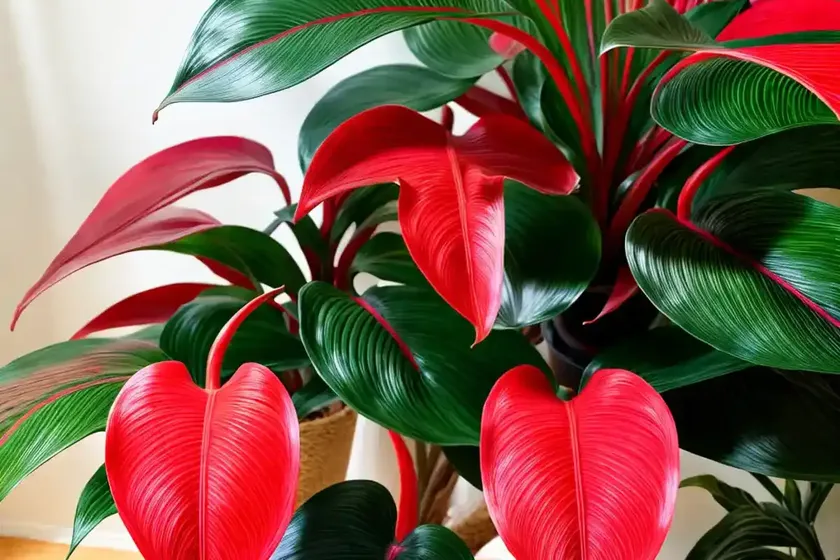
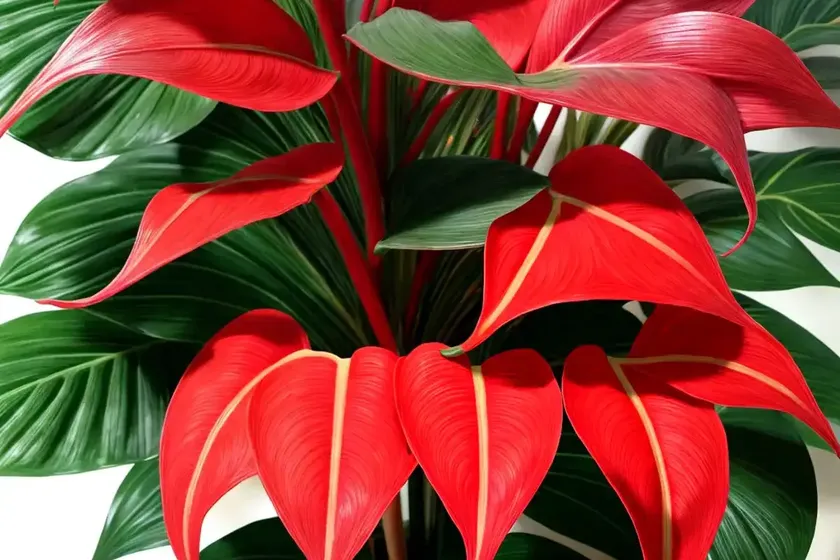
Philodendron Sun Red, also known as Philodendron Imperial Red, is a stunning and popular plant known for its vibrant foliage and easy care requirements. In this comprehensive guide, we will delve into the various aspects of this plant, including its culture, uses, care requirements, propagation, common diseases, and much more. Whether you are a seasoned plant enthusiast or a beginner looking to add a touch of greenery to your living space, this guide will provide you with valuable insights into the world of Philodendron Sun Red.
What is Philodendron Sun Red (Philodendron Imperial Red)?
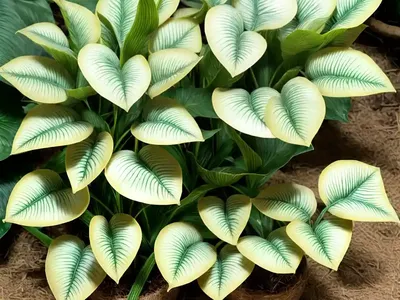
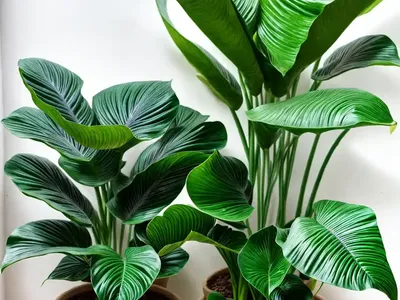
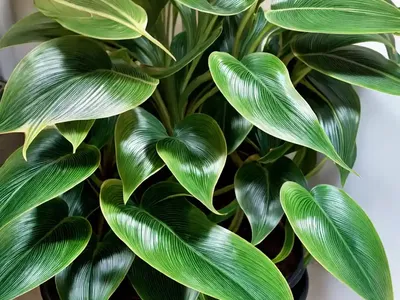
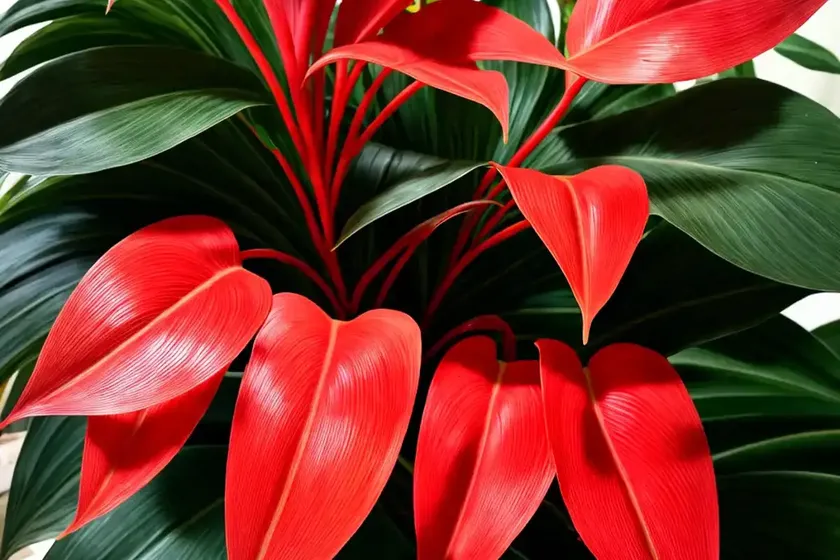
Philodendron Sun Red, scientifically known as Philodendron erubescens, is a member of the Araceae family and is native to Colombia. This striking plant is characterized by its heart-shaped leaves and rich, red hues, which intensify under bright light, giving it the moniker “Imperial Red.” Its vibrant foliage and cascading growth habit make it a popular choice for both indoor and outdoor settings, adding a touch of tropical elegance to any space.
Key Takeaways – Philodendron Sun Red (Philodendron Imperial Red)
Before we delve into the specifics of caring for Philodendron Sun Red, let’s summarize the key takeaways that will be covered in this comprehensive guide:
- Culture: Understanding the cultural requirements and natural habitat of Philodendron Sun Red.
- Uses: Exploring the various uses and benefits of incorporating Philodendron Sun Red into interior and exterior spaces.
- Water: Learning about the optimal watering practices to maintain the health and vigor of the plant.
- Sunlight: Understanding the light requirements for promoting optimal growth and foliage coloration.
- Fertilizer: Identifying the appropriate fertilization regimen to support the plant’s nutritional needs.
- Soil: Selecting the ideal soil composition for healthy root development and overall plant vitality.
- Pruning: Guidelines for maintaining the plant’s shape and promoting healthy growth through proper pruning techniques.
- Propagation: Exploring methods for propagating Philodendron Sun Red to expand your plant collection.
- Container: Choosing suitable containers and potting methods to accommodate the plant’s growth habits and aesthetic appeal.
- Popularity: Recognizing the widespread popularity and appeal of Philodendron Sun Red among plant enthusiasts.
- Common Diseases: Identifying potential diseases and ailments that may affect the plant and implementing appropriate measures for prevention and treatment.
- Common Pests: Understanding the common pests that may pose a threat to Philodendron Sun Red and implementing effective pest management strategies.
Now, let’s dive into the intricate details of caring for this captivating plant, exploring its unique characteristics, care requirements, and much more.
Culture
Understanding the natural habitat and cultural requirements of Philodendron Sun Red is essential for providing it with the optimal conditions for growth and vitality. Here are the key aspects of the plant’s culture:
-
Natural Habitat: In its native environment in Colombia, Philodendron Sun Red thrives in the tropical rainforests, where it enjoys dappled sunlight and rich, well-draining soil. It is often found climbing trees or growing along the forest floor, utilizing its aerial roots for support and hydration.
-
Indoor Environment: When cultivated indoors, Philodendron Sun Red thrives in well-lit spaces with indirect sunlight. It can adapt to a variety of light conditions, making it a versatile and resilient houseplant.
-
Moisture Levels: The plant appreciates consistent moisture, but it’s crucial to avoid overwatering, as this can lead to root rot. Maintaining moderate humidity levels is also beneficial, especially during the dry winter months or in arid climates.
-
Temperature: Philodendron Sun Red prefers warm temperatures and is sensitive to cold drafts. It thrives in environments with average room temperatures and should be protected from sudden temperature fluctuations.
Uses
The vibrant and lush foliage of Philodendron Sun Red makes it a versatile and aesthetically pleasing addition to both indoor and outdoor spaces. Some of the common uses of this plant include:
-
Interior Decor: Philodendron Sun Red is often used as an ornamental houseplant, adding a pop of color and a touch of tropical elegance to living spaces, offices, and commercial settings.
-
Container Gardens: Its cascading growth habit and attractive foliage make it an excellent choice for hanging baskets and container gardens, adding visual interest and texture to outdoor patios and garden spaces.
-
Air Purification: Like many other plants in the Philodendron genus, Philodendron Sun Red is known for its air-purifying qualities, effectively removing toxins such as formaldehyde from indoor air.
-
Landscape Enhancement: In suitable climates, Philodendron Sun Red can be utilized in landscape designs to create lush and tropical outdoor settings, either as ground cover or climbing vine when provided with adequate support.
Water
Proper watering practices are essential for maintaining the health and vigor of Philodendron Sun Red. Here are some key considerations when it comes to watering this plant:
-
Moisture Monitoring: It’s important to monitor the moisture levels in the soil to avoid both underwatering and overwatering. A good practice is to allow the top inch of the soil to dry out before watering, as the plant prefers slightly moist but not waterlogged conditions.
-
Water Quality: Using lukewarm water at room temperature is preferable, as cold water can shock the plant’s roots. Additionally, using filtered or distilled water can help prevent the buildup of mineral deposits in the soil.
-
Seasonal Adjustments: During the growing season, which typically spans from spring to early fall, Philodendron Sun Red may require more frequent watering to support its active growth. In contrast, during the dormant winter months, it’s important to scale back on watering to prevent waterlogged soil and root rot.
-
Humidity Considerations: In low-humidity environments, such as heated indoor spaces, misting the plant or placing it on a pebble tray filled with water can help increase ambient moisture levels around the plant.
Sunlight
Optimal light conditions are crucial for promoting healthy growth and vibrant foliage coloration in Philodendron Sun Red. Here’s what you need to know about providing the right amount of sunlight for this plant:
-
Indirect Light: Philodendron Sun Red thrives in bright, indirect sunlight. Positioning the plant near east or west-facing windows is ideal, as it allows it to receive gentle, filtered light throughout the day without being exposed to direct, intense sun.
-
Leaf Coloration: Adequate light is essential for maintaining the rich red and burgundy hues that Philodendron Sun Red is known for. Insufficient light can result in faded or greenish leaves, while excessive sun exposure can lead to sunburn and leaf damage.
-
Low-Light Tolerance: While the plant prefers bright conditions, it can also adapt to lower light levels, making it suitable for spaces with moderate light if necessary. However, prolonged low-light exposure can affect its growth and vibrancy.
-
Avoiding Direct Sun: Direct sun exposure, especially during the harsh afternoon hours, should be avoided, as it can scorch the leaves and cause irreversible damage.
Fertilizer
To support healthy growth and vibrant foliage, it’s important to provide Philodendron Sun Red with the necessary nutrients through a balanced fertilization regimen. Here are some key points to consider when fertilizing this plant:
-
Fertilizer Type: A balanced, water-soluble fertilizer with an equal ratio of nitrogen, phosphorus, and potassium is suitable for Philodendron Sun Red. Additionally, using a fertilizer formulated specifically for foliage plants can provide the necessary micronutrients for optimal growth.
-
Frequency: During the active growing season in spring and summer, fertilizing the plant every four to six weeks can help promote lush foliage and robust growth. In contrast, reducing or ceasing fertilization during the winter months, when the plant’s growth slows, is advisable.
-
Dilution and Application: Diluting the fertilizer to half or quarter strength is recommended to prevent the risk of over-fertilization, which can lead to salt buildup in the soil. Applying the diluted fertilizer to moist soil can help prevent root burn and ensure even distribution of nutrients.
-
Soil Condition: Fertilizing Philodendron Sun Red when the soil is dry can increase the risk of root damage, so it’s important to water the plant prior to fertilization to ensure that the roots are adequately hydrated.
Soil
Selecting the right soil composition is crucial for providing Philodendron Sun Red with a supportive and nurturing environment for its roots. Consider the following when choosing soil for this plant:
-
Well-Draining Mix: Philodendron Sun Red thrives in a well-draining, airy potting mix that allows excess water to flow through rather than becoming waterlogged. A combination of peat moss, perlite, and coarse sand can create a suitable medium for the plant.
-
Nutrient Content: The soil should be rich in organic matter to provide essential nutrients for the plant’s growth. Adding compost or well-aged organic matter to the potting mix can enhance its nutritional value.
-
pH Levels: Philodendron Sun Red prefers slightly acidic to neutral soil with a pH range of 5.5 to 6.5. Monitoring the pH levels and ensuring optimal soil acidity can support healthy root development and nutrient uptake.
-
Aeration and Structure: A well-structured, aerated soil mix promotes healthy root growth and prevents compaction, allowing the roots to access oxygen and necessary nutrients.
Pruning
Proper pruning practices are essential for maintaining the shape, appearance, and overall health of Philodendron Sun Red. Here are some key guidelines for pruning this plant:
-
Removing Dead or Damaged Foliage: Regularly inspecting the plant for any diseased, discolored, or damaged leaves and promptly removing them can prevent the spread of diseases and enhance the plant’s aesthetic appeal.
-
Promoting Bushiness: Trimming the plant’s vines and stems can encourage lateral growth and create a fuller, bushier appearance. This can be especially beneficial for shaping the plant in hanging baskets or container gardens.
-
Cutting Back Overgrown Vines: If Philodendron Sun Red begins to outgrow its space or becomes unruly, selectively pruning the longest stems and vines can help manage its size and prevent it from overtaking its surroundings.
-
Sterilization: Using clean, sharp pruning tools and sterilizing them between each cut, especially when dealing with diseased or ailing foliage, can prevent the spread of pathogens.
Propagation
Expanding your collection of Philodendron Sun Red can be an exciting endeavor, and propagation methods such as stem cuttings can help you multiply your plants. Here’s an overview of the propagation process:
-
Stem Cuttings: Propagating Philodendron Sun Red from stem cuttings is a straightforward and effective method. Select a healthy stem with several nodes and aerial roots, trim it just below a node, and place the cutting in a jar of water or a moistened potting mix.
-
Rooting Hormone (Optional): Using a rooting hormone on the cut end of the stem can expedite the rooting process and increase the chances of successful propagation.
-
Warm, Humid Environment: Providing the cuttings with warmth, humidity, and indirect light can encourage the development of roots. A clear plastic bag or a propagation box can create a favorable environment for root formation.
-
Patience and Monitoring: It may take several weeks for the cuttings to develop a healthy root system. Regularly checking the moisture levels and ensuring that the cuttings are not exposed to direct sun or drying out is essential for successful propagation.
-
Transplanting: Once the cuttings have developed a sufficient root system, they can be carefully transplanted into individual pots with well-draining soil to continue their growth.
Container
Selecting the right container and potting method is essential for accommodating the growth habits of Philodendron Sun Red and providing it with an optimal environment for thriving. Here are some considerations when it comes to containers:
-
Drainage Holes: Choosing containers with drainage holes is crucial for preventing waterlogging and root rot. If using decorative pots without drainage, placing a layer of gravel or clay shards at the bottom can improve drainage.
-
Size and Space: Selecting a container that allows room for the plant to grow and expand its root system is important. However, a snug fit that is not excessively large can encourage the plant to focus its energy on foliage growth.
-
Material: Containers made of porous materials such as terracotta can help wick away excess moisture from the soil, while plastic pots retain moisture more effectively, which can be advantageous in arid environments.
-
Potting Mix: Using a well-draining, high-quality potting mix that provides support, aeration, and adequate moisture retention is essential for container cultivation.
Popularity
Philodendron Sun Red, with its striking foliage and easy care requirements, has gained widespread popularity among plant enthusiasts and interior decorators. Its appeal lies in its vibrant red and burgundy leaves, which can add a captivating splash of color to any space. Additionally, its adaptability to various light conditions and robust growth habits make it a desirable choice for both seasoned plant aficionados and beginners alike. Whether used as a standalone statement plant or incorporated into lush tropical displays, Philodendron Sun Red continues to captivate and inspire plant lovers around the world.
Common Diseases
Like all plants, Philodendron Sun Red is susceptible to certain diseases and health issues that can impact its vitality. Identifying and addressing these ailments promptly is essential for maintaining the plant’s health and vigor. Some common diseases and issues that may affect Philodendron Sun Red include:
-
Leaf Spot: This fungal disease can cause dark, water-soaked spots on the plant’s leaves, leading to leaf yellowing and defoliation if left untreated.
-
Root Rot: Overwatering or poorly draining soil can lead to root rot, characterized by mushy, discolored roots and wilting foliage.
-
Pests and Pathogens: Mealybugs, spider mites, and aphids are common pests that can infest Philodendron Sun Red, along with pathogens such as bacterial leaf blight.
-
Nutritional Deficiencies: Inadequate nutrition, especially a lack of essential micronutrients, can manifest as discolored or distorted leaves, stunted growth, and general weakness in the plant.
Disease Diagnosis
Diagnosing and addressing diseases and health issues in Philodendron Sun Red involves careful observation and proactive measures. Here are some steps to consider when identifying and managing common plant ailments:
-
Visual Inspection: Regularly examining the plant for any changes in foliage color, texture, or overall appearance can help identify potential issues early on.
-
Leaf and Root Examination: Inspecting the undersides of leaves for pests and checking the root system for signs of rot or discoloration is essential.
-
Isolation and Treatment: If a plant shows signs of disease, promptly isolating it from other plants to prevent the spread of the issue is important. Treating the plant with targeted remedies such as fungicides or insecticidal soaps can help address specific ailments.
-
Optimizing Growing Conditions: Ensuring that the plant is provided with optimal light, water, and nutrition can help bolster its natural defenses against diseases and promote overall resilience.
Common Pests
Philodendron Sun Red may be vulnerable to infestations by various pests, which can affect its growth and appearance if not managed effectively. Some common pests that may target this plant include:
-
Mealybugs: These small, cotton-like insects can congregate on the undersides of leaves and along the stems, sucking sap from the plant and causing leaf yellowing and distortion.
-
Spider Mites: These microscopic pests can create fine webbing on the plant and cause stippling and discoloration on the foliage as they feed on plant fluids.
-
Aphids: Aphids can cluster on new growth and tender shoot tips, causing leaf curling, yellowing, and the secretion of sticky honeydew.
-
Scale Insects: Scale insects can appear as raised, waxy bumps on the plant, sucking sap and causing leaf yellowing and weakening.
Botanist’s Tips
As a plant scientist, I have observed and studied Philodendron Sun Red extensively, and I’d like to share some valuable tips for caring for this captivating plant:
-
Balance and Adaptability: Philodendron Sun Red is a remarkably adaptable plant that can thrive in a range of conditions, from bright, indirect light to slightly lower light levels. Finding the right balance in terms of light, water, and nutrition is key for promoting its best growth and coloration.
-
Root Health: Monitoring the moisture levels in the soil and ensuring proper drainage can help prevent root rot and other soil-borne issues. Healthy roots are essential for the overall vigor and resilience of the plant.
-
Pruning for Aesthetics: Regularly pruning the plant to maintain its shape and prevent legginess can contribute to a more compact and lush growth habit. Trimming back overgrown vines can also encourage new growth and branching.
-
Network Care: Participating in plant communities and networks can provide valuable insights and support for caring for Philodendron Sun Red. Sharing experiences, tips, and successes with other plant enthusiasts can be both rewarding and educational.
Fun Facts
Here are some intriguing and fun facts about Philodendron Sun Red that you may not know:
- The vibrant red and burgundy hues of Philodendron Sun Red are more pronounced under bright light, creating a spectacular display of color.
- Philodendron Sun Red can produce aerial roots, which not only provide support but can also absorb moisture and nutrients from the air.
- This plant’s lush, trailing vines make it a popular choice for hanging baskets and tall plant stands, adding an elegant touch to any space.
- Philodendron Sun Red is not only visually appealing but also contributes to indoor air purification, making it a beneficial addition to interior environments.
Links to External Resources
For further information on Philodendron Sun Red care, propagation, and maintenance, I recommend exploring the following valuable resources:
- The American Phytopathological Society – A comprehensive repository of plant pathology resources and information on diagnosing and managing plant diseases.
- The Royal Horticultural Society – A trusted source of horticultural guidance and expertise, offering insights into plant care, propagation techniques, and gardening practices.
- University of Florida IFAS Extension – An educational resource providing research-based information on plant science, horticulture, and pest management for home gardeners and professionals.
- Missouri Botanical Garden – A renowned botanical institution offering a wealth of botanical knowledge, including plant care guides, educational resources, and plant database access.
In conclusion, Philodendron Sun Red, or Philodendron Imperial Red, is a captivating and versatile plant that has captured the hearts of plant enthusiasts worldwide. Its striking foliage, low-maintenance care requirements, and air-purifying qualities make it a beloved addition to interior and exterior spaces. By understanding and implementing the key care considerations and guidelines outlined in this comprehensive guide, you can cultivate and enjoy the beauty