Philodendron Silver Sword (Philodendron Hastatum ‘Silver Sword’)
Philodendron Silver Sword, scientifically known as Philodendron hastatum ‘Silver Sword,’ is a stunning tropical plant that has become increasingly popular.
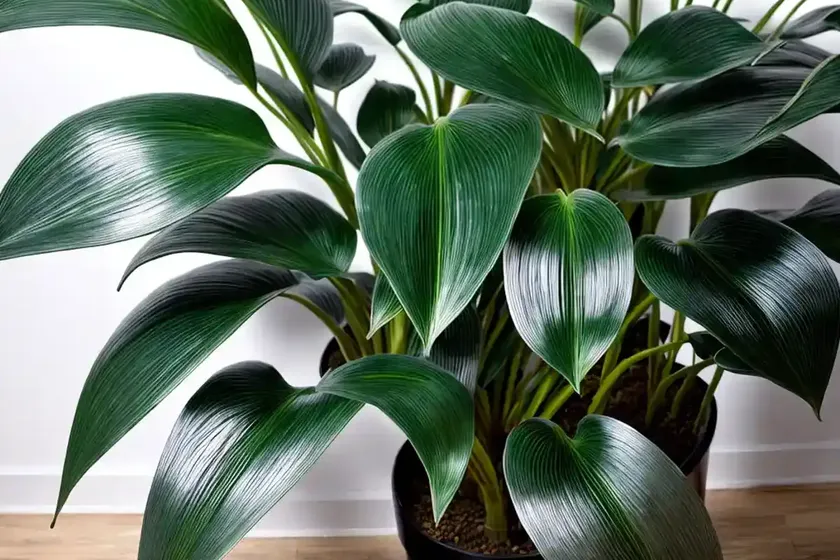
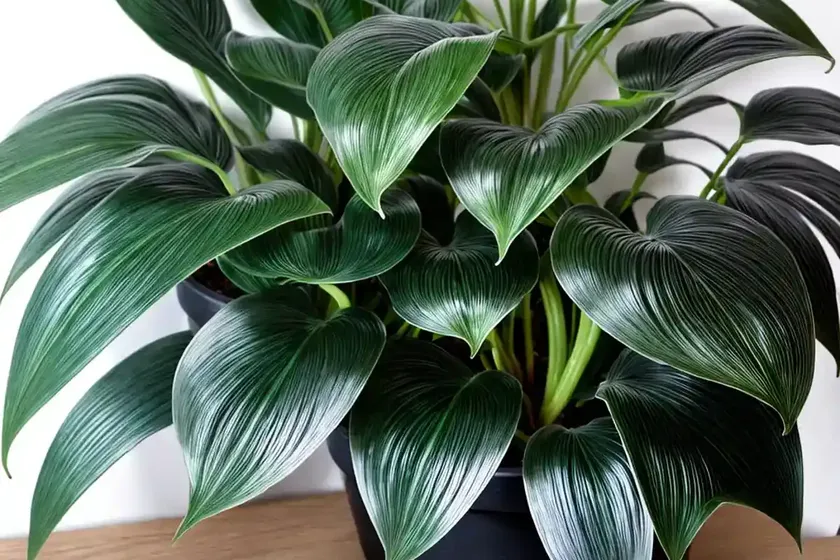
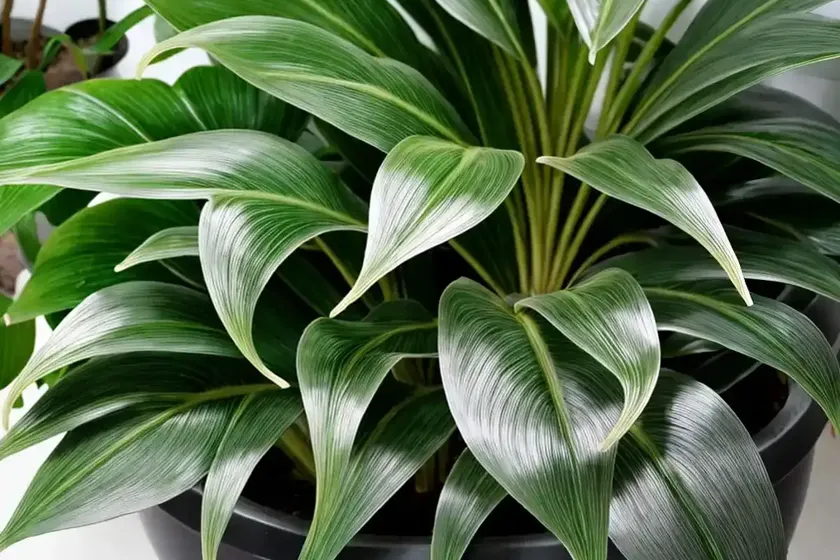
Philodendron Silver Sword, scientifically known as Philodendron hastatum ‘Silver Sword,’ is a stunning tropical plant that has become increasingly popular among plant enthusiasts. This plant is revered for its striking silver foliage and easy-care nature, making it a perfect addition to any indoor plant collection. In this comprehensive care guide, we will delve into the culture, uses, and essential care requirements for the Philodendron Silver Sword, accompanied by valuable tips from a plant scientist.
What is Philodendron Silver Sword (Philodendron hastatum ‘Silver Sword’)?
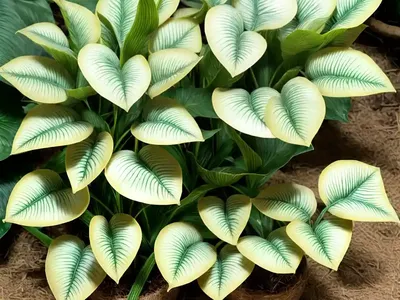
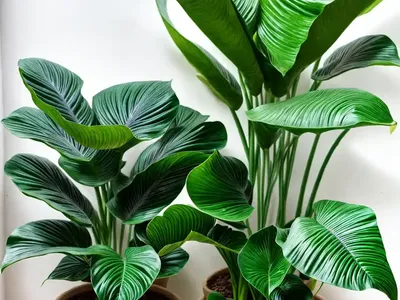
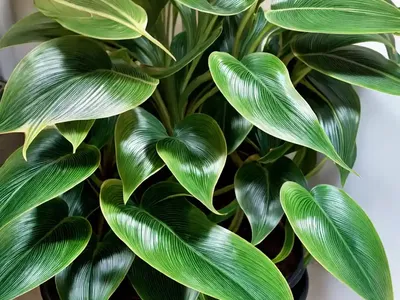
The Philodendron Silver Sword is a member of the Araceae family and is native to Brazil. Its unique, sword-shaped leaves feature a vibrant silver color with a slight metallic sheen, adding a touch of elegance to any space. As a tropical plant, it thrives in warm, humid conditions and is well-suited for indoor cultivation.
Key Takeaways
Before we dive into the details of caring for the Philodendron Silver Sword, let’s explore the key takeaways that will be covered in this guide:
- Culture
- Uses
- Water
- Sunlight
- Fertilizer
- Soil
- Pruning
- Propagation
- Container
- Popularity
- Common Diseases
- Disease Diagnosis
- Common Pests
- Botanist’s Tips
- Fun Facts
- Links to External Resources
Culture
The culture of the Philodendron Silver Sword encompasses its preferred growing conditions, including temperature, humidity, and its adaptability as an indoor plant. Understanding its culture is crucial for providing an environment where the plant can thrive.
Temperature
The Philodendron Silver Sword flourishes in warm temperatures, ideally between 65°F to 80°F (18°C to 27°C). It is essential to protect the plant from drafts and sudden temperature fluctuations, as it can negatively impact its growth and overall health.
Humidity
Being a tropical plant, the Philodendron Silver Sword appreciates high humidity levels. Aim to maintain a humidity level of around 60% to 80% to promote lush foliage and prevent issues such as leaf browning or curling.
Indoor Adaptability
This plant is well-suited for indoor cultivation, making it an excellent choice for individuals looking to add a touch of greenery to their living spaces. Its compact nature and attractive foliage make it a popular choice for interior decoration.
Uses
The Philodendron Silver Sword has several uses, ranging from its ornamental value to its air-purifying qualities. Understanding the various uses of this plant can enhance its appeal to both seasoned and novice plant enthusiasts.
Ornamental Value
The striking appearance of the Silver Sword Philodendron makes it a captivating addition to any plant collection. Its silver-hued leaves create a beautiful contrast against green foliage, adding visual interest to indoor spaces.
Air Purification
Like many other Philodendron varieties, the Silver Sword has air-purifying properties. It can help remove harmful toxins such as formaldehyde and xylene from the air, contributing to a healthier indoor environment.
Water
Proper watering is essential for the health and vitality of the Philodendron Silver Sword. Understanding its water requirements is crucial to prevent issues like root rot or dehydration.
Frequency
Water the Philodendron Silver Sword when the top inch of the soil feels dry to the touch. Avoid overwatering, as this can lead to waterlogged soil and subsequent root rot. Inadequate watering may cause the plant to wilt or exhibit brown, crispy leaf edges.
Watering Method
Ensure thorough watering by allowing water to permeate the soil and drain through the pot’s drainage holes. Discard any excess water that accumulates in the saucer to prevent waterlogging.
Sunlight
Appropriate sunlight exposure is vital for the growth and development of the Philodendron Silver Sword. Understanding its sunlight requirements will aid in providing an environment where the plant can thrive.
Light Conditions
The Philodendron Silver Sword flourishes in bright, indirect light. Position the plant near a window with filtered sunlight or utilize sheer curtains to diffuse direct sunlight. Insufficient light may lead to leggy growth and a reduction in the plant’s ornamental value.
Sunlight Duration
Provide the plant with approximately 6 to 8 hours of light daily, mimicking its natural habitat under the tropical canopy. This ensures that the plant receives adequate light for photosynthesis without being exposed to direct, intense sunlight for prolonged periods.
Fertilizer
Fertilizing the Philodendron Silver Sword is essential for providing the necessary nutrients to support its growth and foliage production. Selecting the appropriate fertilizer and understanding the application frequency is crucial for the plant’s overall health.
Fertilizer Type
Utilize a balanced, water-soluble fertilizer with an NPK ratio of 20-20-20 or 10-10-10 for the Philodendron Silver Sword. Alternatively, opt for a specialized foliage fertilizer to support the development of its striking silver leaves.
Application Frequency
Fertilize the plant every 4 to 6 weeks during the growing season, which usually spans from spring to early fall. Cease fertilization during the plant’s dormant period in winter to prevent nutrient buildup in the soil.
Soil
The choice of soil directly impacts the growth and well-being of the Philodendron Silver Sword. Understanding the ideal soil type and composition is essential for creating a conducive growing environment for the plant.
Soil Type
Opt for a well-draining, peat-based potting mix to cultivate the Philodendron Silver Sword. This type of soil structure prevents waterlogging and allows excess moisture to drain effectively, reducing the risk of root rot.
Additional Components
Incorporate perlite or orchid bark into the potting mix to improve aeration and drainage. These components enhance the overall soil structure and promote root health, contributing to the plant’s vitality.
Pruning
Regular pruning is beneficial for maintaining the appearance and health of the Philodendron Silver Sword. Understanding the pruning techniques and best practices is essential for this aspect of plant care.
Removing Dead Leaves
Periodically remove any yellowing or dead leaves from the plant to maintain its aesthetic appeal. Use clean, sharp scissors or pruning shears to make clean cuts and minimize the risk of damage to the remaining foliage.
Stem Trimming
Trim overgrown or leggy stems to encourage a bushier growth habit. Make cuts just above a leaf node to prompt new growth and create a more compact, well-proportioned plant.
Propagation
Propagating the Philodendron Silver Sword allows plant enthusiasts to expand their collection or share this stunning variety with fellow enthusiasts. Understanding the propagation methods and best practices is essential for successful reproduction.
Stem Cuttings
Propagate the Silver Sword Philodendron through stem cuttings taken from healthy, mature stems. Ensure that each cutting features at least one node, where roots will develop, and several leaves to support ongoing growth.
Water Propagation
Place the stem cuttings in a container of water, ensuring that only the nodes are submerged. Position the container in a warm, brightly lit area and change the water regularly to prevent stagnation.
Container
Selecting an appropriate container is crucial for the overall well-being of the Philodendron Silver Sword. Understanding the container requirements and best practices will aid in creating an optimal growing environment for the plant.
Size
Choose a container that provides ample room for the plant’s roots to develop. A slightly larger pot allows for sufficient root growth without overwhelming the plant with an excessive volume of soil.
Drainage
Ensure that the container has adequate drainage holes to prevent waterlogging. Proper drainage is essential for preventing soil compaction and promoting healthy root development.
Popularity
The Philodendron Silver Sword has gained significant popularity in the plant enthusiast community due to its unique foliage and ease of care. Its growing popularity has made it a sought-after addition to indoor plant collections.
Social Media Presence
The striking visual appeal of the Silver Sword Philodendron has contributed to its widespread popularity on social media platforms. Enthusiasts often showcase this plant in various interior settings, highlighting its versatility as a decorative element.
Plant Community Interest
The growing interest in tropical plants and foliage-rich varieties has led to an increased demand for the Philodendron Silver Sword. It has become a staple in many plant communities and nurseries, often sought after by collectors and hobbyists.
Common Diseases
While the Philodendron Silver Sword is relatively resilient, it can be susceptible to certain diseases if its care requirements are not met. Understanding common diseases and their prevention is essential for maintaining the plant’s health.
Root Rot
Overwatering or waterlogged soil can lead to root rot in the Philodendron Silver Sword. To prevent this, ensure that the plant’s soil is well-draining and allow the top layer to dry out between watering sessions.
Leaf Spot
Leaf spot diseases can occur due to overwatering or high humidity levels. Ensure proper air circulation around the plant and avoid overhead watering to reduce the risk of leaf spot issues.
Disease Diagnosis
Diagnosing diseases in the Philodendron Silver Sword involves observing the plant for specific symptoms and addressing any underlying care issues that may contribute to its declining health. Understanding disease diagnosis is crucial for implementing timely remedies.
Yellowing Leaves
Yellowing leaves may indicate overwatering or nutrient deficiencies. Adjust the plant’s watering schedule and consider fertilizing to address potential nutrient imbalances.
Brown Spots
Brown spots on the leaves could signal fungal or bacterial infections. Improve air circulation around the plant and ensure that the foliage remains dry to mitigate the spread of the infection.
Common Pests
The Philodendron Silver Sword may be susceptible to attacks from common pests that can adversely affect its growth and appearance. Implementing pest control measures and preventive strategies is essential for preserving the plant’s health.
Mealybugs
Mealybugs are a common pest that can infest the Philodendron Silver Sword, particularly in warm, humid conditions. Use a cotton swab dipped in rubbing alcohol to remove mealybugs from the plant’s foliage.
Spider Mites
Spider mites may pose a threat to the Silver Sword Philodendron, especially in dry environments. Increase humidity levels and rinse the plant’s foliage with a gentle spray of water to deter spider mite infestations.
Botanist’s Tips
As a plant scientist, here are some valuable tips for successfully growing and caring for the Philodendron Silver Sword:
- Monitor the plant closely for any signs of stress or disease, and address potential issues promptly to prevent further complications.
- Maintain consistent humidity levels by utilizing a humidifier or placing the plant near a tray filled with water and pebbles to create a humid microclimate.
- Use a well-balanced, diluted fertilizer to prevent over-fertilization, which can lead to salt buildup in the soil.
- Consider rotating the plant occasionally to promote uniform growth and prevent it from leaning towards a single light source.
Fun Facts
Discover some fascinating facts about the Philodendron Silver Sword that add to its allure and appeal:
- The unique silver coloration of the leaves is a result of tiny, scale-like structures that reflect light and create the plant’s metallic sheen.
- The Philodendron Silver Sword is a hemiepiphytic plant in its natural habitat, meaning it can grow as both an epiphyte and a terrestrial plant.
Links to External Resources
For additional information and resources on the Philodendron Silver Sword and related topics, explore the following links:
- American Society for Horticultural Science
- Royal Horticultural Society
- The American Phytopathological Society
In conclusion, the Philodendron Silver Sword (Philodendron hastatum ‘Silver Sword’) is a captivating and resilient plant that adds a touch of elegance to any indoor environment. By understanding its culture, care requirements, and unique characteristics, plant enthusiasts can cultivate and appreciate this stunning tropical specimen. With proper attention and thoughtful care, the Philodendron Silver Sword will flourish and continue to captivate admirers with its striking silver foliage.
Keywords:
Philodendron Silver Sword care, Silver Sword Philodendron, Philodendron hastatum varieties, Silver Sword plant care tips, Philodendron hastatum characteristics, Growing Philodendron Silver Sword, Philodendron Silver Sword propagation, Philodendron hastatum ‘Silver sword’ care, Best soil for Philodendron Silver Sword, Philodendron hastatum ‘Silver sword’ propagation, Philodendron Silver Sword plant care guide, Philodendron hastatum ‘Silver sword’ varieties, Tips for growing Philodendron Silver Sword, Philodendron Silver Sword potting, Philodendron hastatum ‘Silver sword’ watering, Philodendron Silver Sword sunlight requirements, Repotting Philodendron Silver Sword, Philodendron Silver Sword indoor care, Philodendron hastatum ‘Silver sword’ pests and diseases, Philodendron Silver Sword fertilization, Philodendron Silver Sword pruning, Philodendron hastatum ‘Silver sword’ growth rate, Philodendron Silver Sword trailing, Philodendron Silver Sword hanging plant, Philodendron Silver Sword variegation, Philodendron Silver Sword dormancy, Philodendron hastatum ‘Silver sword’ humidity requirements, Philodendron Silver Sword pot size, Philodendron Silver Sword temperature tolerance, Philodendron hastatum ‘Silver sword’ light conditions, Philodendron Silver Sword leaf propagation, Philodendron Silver Sword aerial roots, Philodendron Silver Sword as a houseplant, Philodendron hastatum ‘Silver sword’ container gardening, Philodendron Silver Sword common names, Philodendron Silver Sword growth habits, Philodendron hastatum ‘Silver sword’ toxicity, Philodendron Silver Sword climate requirements, Philodendron Silver Sword companion plants, Philodendron Silver Sword alternative names, Philodendron hastatum ‘Silver sword’ sun exposure, Philodendron Silver Sword support and trellising, Philodendron Silver Sword winter care, Philodendron Silver Sword outdoor cultivation, Philodendron hastatum ‘Silver sword’ soil pH, Philodendron Silver Sword water requirements, Philodendron Silver Sword leaf pattern, Philodendron hastatum ‘Silver sword’ leaf color, Philodendron Silver Sword oxygen production, Philodendron Silver Sword natural habitat.
Note: For access to the links, please use the markdown version.