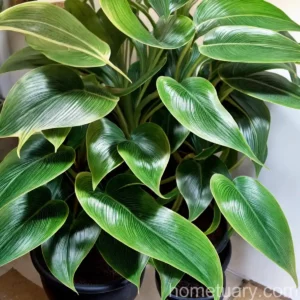
Philodendron Selloum (Philodendron Bipinnatifidum Shangri-la): A Comprehensive Guide
As a plant scientist with a passion for exploring the diverse world of flora, I am thrilled to share insights about the captivating Philodendron Selloum (Philodendron Bipinnatifidum Shangri-la). This resilient and visually stunning plant is a favorite among gardening enthusiasts, and it embodies both beauty and functionality. Throughout this comprehensive guide, we will delve into the cultural significance, care requirements, propagation techniques, and much more associated with this remarkable plant.
Chapter 1: Understanding Philodendron Selloum
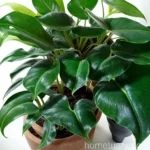
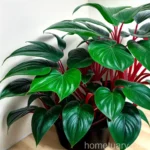
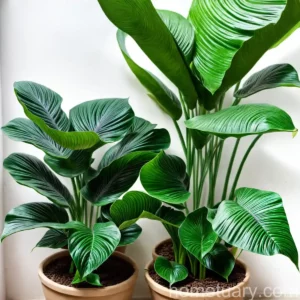
Philodendron Selloum, known scientifically as Philodendron bipinnatifidum, is an evergreen plant native to the tropical regions of South America. It belongs to the Araceae family and is characterized by its large, deeply lobed leaves and imposing presence, making it a popular choice for indoor and outdoor landscaping.
A Brief Overview
- Scientific Name: Philodendron Selloum (Philodendron Bipinnatifidum Shangri-la)
- Family: Araceae
- Native Habitat: Tropical regions of South America
- Common Names: Selloum, Lacey tree philodendron
- Growth Habit: Evergreen perennial
Philodendron Selloum is widely celebrated for its lush foliage and adaptability, making it an ideal addition to various types of spaces, from homes and offices to tropical gardens and landscaping projects. While it possesses remarkable ornamental qualities, it also contributes to air purification, making it a holistic choice for indoor environments.
Now, let’s explore the key takeaways about this fascinating plant, including its cultural significance, care requirements, propagation techniques, and common challenges that enthusiasts may encounter.
Chapter 2: Key Takeaways – Philodendron Selloum
Culture
Philodendron Selloum holds cultural significance in South American folklore, where it is often associated with resilience, vitality, and the lushness of tropical landscapes. In regions where it is native, it is also utilized for its medicinal properties, such as promoting healing and overall well-being.
Uses
This multifaceted plant serves various purposes, from decorative landscaping to its role in purifying indoor air. Its striking foliage adds a tropical charm to any setting, while its air-purifying capabilities make it a valuable asset for enhancing indoor environments.
Water
Proper watering is crucial for the health and vitality of Philodendron Selloum. It thrives in well-draining soil and prefers evenly moist conditions. Overwatering can lead to root rot, while underwatering may result in wilting and reduced growth.
Sunlight
Philodendron Selloum flourishes in bright, indirect light. While it can tolerate lower light conditions, providing sufficient indirect sunlight is essential for promoting robust growth and vibrant foliage.
Fertilizer
Regular fertilization during the growing season can support the plant’s vigor and enhance leaf development. A balanced, water-soluble fertilizer with macro and micronutrients is recommended for optimal growth.
Soil
A well-draining, peat-based potting mix is ideal for Philodendron Selloum. It should retain moisture without becoming waterlogged, providing a suitable balance of aeration and moisture retention.
Pruning
Pruning helps maintain the plant’s shape and removes any damaged or discolored foliage. It also promotes new growth and can be performed as needed to manage the size and appearance of the plant.
Propagation
Philodendron Selloum can be propagated through stem cuttings or division. Both methods offer successful means of creating new plants, allowing enthusiasts to expand their collection or share the plant with fellow enthusiasts.
Container Popularity
Due to its adaptability and striking visual appeal, Philodendron Selloum is a popular choice for container gardening in both indoor and outdoor settings. Its impressive foliage makes it a standout feature in any container arrangement.
Now that we have gained an understanding of the key takeaways associated with Philodendron Selloum, let’s explore essential tips and techniques for effectively caring for this remarkable plant.
Chapter 3: Essential Care Tips for Philodendron Selloum
Indoor Care
When cultivating Philodendron Selloum indoors, it is essential to provide it with a warm and humid environment, mimicking its natural habitat. Here are some key care tips for nurturing this plant indoors:
- Light: Position the plant in a location with bright, indirect sunlight. Avoid placing it in direct sun, as this can lead to leaf scorching.
- Watering: Keep the soil consistently moist but not waterlogged. Water when the top inch of the soil is dry, adjusting the frequency based on environmental conditions and seasonal changes.
- Temperature: Maintain a warm environment with temperatures between 65-80°F (18-27°C). Protect the plant from cold drafts and sudden temperature fluctuations.
- Humidity: Philodendron Selloum thrives in high humidity. Regular misting or using a humidifier can create the ideal moisture levels for the plant.
Outdoor Care
When growing Philodendron Selloum in outdoor settings, it is essential to consider factors such as sunlight exposure, soil conditions, and protection from harsh weather elements. Here are some outdoor care tips to ensure the plant’s health and vitality:
- Sunlight: Choose a location with bright, indirect sunlight. While it can tolerate partial shade, providing ample natural light is crucial for robust growth.
- Soil: Plant Philodendron Selloum in well-draining soil enriched with organic matter. Ensure that the soil retains moisture without becoming waterlogged.
- Watering: Water the plant regularly, ensuring that the soil remains consistently moist. Adjust the watering frequency based on environmental conditions and seasonal changes.
- Protection: Shield the plant from strong winds and extreme weather conditions. In regions with cold winters, consider providing protective coverings or bringing the plant indoors during the colder months.
Fertilizing Techniques
Applying a balanced, water-soluble fertilizer at half-strength every 4-6 weeks during the growing season can provide the plant with essential nutrients to support healthy growth and vibrant foliage. Avoid over-fertilization, as it can lead to salt buildup in the soil.
Pruning Guide
Regular pruning helps maintain the plant’s shape, removes damaged or diseased foliage, and encourages new growth. Utilize clean, sharp pruning tools to make precise cuts, and ensure that the plant receives adequate airflow and light penetration.
Watering Tips
- Indoor Watering: Check the moisture level of the soil regularly and water when the top inch feels dry to the touch. Water thoroughly, allowing excess water to drain from the pot’s bottom.
- Outdoor Watering: Water Philodendron Selloum deeply, ensuring that the root zone receives ample moisture. Adjust the frequency based on environmental conditions, avoiding waterlogging or drought stress.
Light Requirements
Provide Philodendron Selloum with bright, indirect light to support vigorous growth and lush foliage. Avoid exposing it to direct sunlight, as this can lead to leaf damage and reduced plant vitality.
Sunlight Needs
Philodendron Selloum thrives in bright, indirect sunlight, making it an ideal choice for spaces with ample natural light. Partial shade can be suitable, but providing sufficient indirect sunlight is crucial for the plant’s well-being.
Temperature Preferences
Maintain a warm environment with temperatures ranging from 65-80°F (18-27°C) to create optimal conditions for Philodendron Selloum’s growth and development.
Humidity Requirements
This plant thrives in high humidity environments, making regular misting or utilizing a humidifier beneficial for creating the ideal moisture levels for robust growth and foliage health.
Soil Requirements
Utilize a well-draining, peat-based potting mix to ensure proper aeration and moisture retention for Philodendron Selloum. Rich with organic matter, the soil should promote healthy root development and vitality.
Common Diseases
While Philodendron Selloum is generally resilient, it is susceptible to certain diseases that can impact its health and appearance. Being aware of common diseases and their symptoms is essential for effective management and care.
Disease Diagnosis
Diagnosing plant diseases can be essential to providing timely and targeted treatment. Keep an eye out for symptoms such as leaf spots, wilting, and discoloration, which can indicate potential disease issues.
Common Pests
Pests such as aphids, mealybugs, and spider mites can affect Philodendron Selloum. Regular monitoring, proper sanitation, and targeted interventions are essential for preventing and managing pest infestations.
Botanist’s Tips for Healthy Growth
Promoting the health and vitality of Philodendron Selloum involves implementing best practices and proactive measures. Here are some valuable tips to foster the plant’s well-being:
- Consistent Care: Provide the plant with consistent warmth, humidity, and watering to create an environment that mimics its tropical origins.
- Regular Inspection: Routinely inspect the plant for signs of pests, diseases, or nutrient deficiencies, addressing any issues promptly.
- Optimal Nutrition: Utilize a balanced fertilizer and ensure that the plant receives essential nutrients to support robust growth and vibrant foliage.
- Pruning Care: Regularly prune the plant to maintain its shape, remove damaged foliage, and encourage new growth.
Fun Facts about Philodendron Selloum
- Air-Purifying Qualities: Philodendron Selloum is known for its exceptional air-purifying capabilities, removing harmful volatile organic compounds (VOCs) from indoor environments.
- Resilient Nature: This plant exhibits resilience and adaptability, making it suitable for both novice and experienced gardeners.
- Tropical Aesthetics: The lush, tropical foliage of Philodendron Selloum evokes a sense of tranquility and natural beauty, enhancing any space it inhabits.
Now that we have explored essential care tips, it’s time to dive deeper into propagation techniques and considerations for Philodendron Selloum.
Chapter 4: Pruning and Propagation of Philodendron Selloum
Propagation Methods
Philodendron Selloum can be propagated through stem cuttings or division, offering excellent opportunities to expand your plant collection or share the beauty of this species with others. Let’s explore the propagation techniques in detail:
Stem Cuttings
- Selecting Cuttings: Choose a healthy stem with several leaves and at least one node. Ensure that the cutting is free from pests or diseases.
- Preparation: Use clean, sharp scissors or pruning shears to make a clean cut just below a node, ensuring that the cutting is approximately 4-6 inches long.
- Rooting Medium: Place the cutting in a suitable rooting medium, such as water, perlite, or a well-draining potting mix.
- Root Development: Monitor the cutting for root development, ensuring that it remains in a warm, humid environment with bright, indirect light.
Division
- Established Plants: Dividing an established Philodendron Selloum plant can create new, independent specimens that can thrive in their own containers or outdoor spaces.
- Root Division: Gently separate the plant into sections, ensuring that each division retains healthy roots and foliage.
- Planting: Pot the divisions in well-draining soil, providing optimal conditions for their continued growth and development.
Container Considerations
Philodendron Selloum can thrive in various types of containers, from traditional pots and planters to innovative arrangements that showcase its lush foliage and striking presence. Consider the following container options when cultivating this plant:
- Traditional Pots: Standard plant pots with sufficient drainage are an excellent choice for nurturing Philodendron Selloum.
- Hanging Baskets: Utilize hanging baskets to showcase the cascading foliage and create dynamic visual displays, adding vertical interest to indoor or outdoor settings.
- Vertical Gardens: Incorporate Philodendron Selloum into vertical garden arrangements, utilizing its impressive growth habits to create living walls or vertical greenery installations.
Chapter 5: Common Challenges and Solutions
Common Diseases
Philodendron Selloum is generally resilient, but it can be susceptible to certain diseases, including:
- Leaf Spot: Identify leaf spot diseases early and implement targeted treatments to prevent the spread of the infection.
- Root Rot: Overwatering or poorly draining soil can lead to root rot. Adjust the watering practices and ensure that the soil dries slightly between waterings.
Disease Diagnosis
Accurately diagnosing plant diseases is essential for implementing effective treatments and preventing their spread. Look for symptoms such as yellowing, wilting, or fungal growth, seeking prompt solutions to address potential issues.
Common Pests
Pests such as aphids, mealybugs, and spider mites can impact Philodendron Selloum’s health and appearance. Implement proactive pest management strategies, such as regular monitoring and targeted interventions, to prevent infestations.
Botanist’s Tips for Disease Management
- Cultural Practices: Implement proper watering, provide sufficient airflow, and maintain optimal environmental conditions to reduce the likelihood of disease issues.
- Early Intervention: Address potential pest or disease problems promptly to prevent their escalation and minimize the impact on the plant’s health.
- Sanitation: Keep the plant and its surrounding area clean, removing any debris or fallen foliage that can harbor pests or pathogens.
Fun Facts about Philodendron Selloum
- Air-Purifying Properties: Philodendron Selloum is recognized for its ability to purify indoor air, making it a valuable addition to homes and office spaces.
- Tropical Aesthetics: With its lush, vibrant foliage, Philodendron Selloum adds a tropical charm to any setting, creating a relaxing and visually appealing atmosphere.
- Resilient Nature: This plant’s adaptability and resilience make it a suitable choice for both beginner and experienced gardeners.
As we continue our exploration of Philodendron Selloum, let’s investigate additional insights, including botanical tips, fun facts, and valuable resources for enthusiasts.
Chapter 6: The Botanist’s Perspective
Botanist’s Tips for Successful Cultivation
- Optimal Environment: Create a warm, humid environment with bright, indirect light to support the robust growth and development of Philodendron Selloum.
- Regular Monitoring: Routinely inspect the plant for signs of pests, diseases, or nutrient deficiencies, addressing any issues promptly to promote its well-being.
- Proper Nutrition: Provide the plant with balanced fertilization to ensure that it receives essential nutrients for robust growth and vibrant foliage.
Insights into Plant Health
- Vibrant Foliage: The lush, deeply lobed leaves of Philodendron Selloum are an indication of the plant’s vitality and health, reflecting its ability to adapt to its environment.
- Growth Patterns: Observe the plant’s growth patterns, noting any changes in foliage color, size, or density, which can provide valuable insights into its overall health.
Now, let’s delve into some fascinating fun facts about Philodendron Selloum, offering a deeper appreciation for this captivating plant.
Chapter 7: Fun Facts
Air-Purifying Properties
Philodendron Selloum is celebrated for its exceptional air-purifying capabilities, effectively removing harmful volatile organic compounds (VOCs) from indoor environments, which contributes to better air quality and overall well-being.
Tropical Aesthetics
With its lush, vibrant foliage, Philodendron Selloum adds a tropical charm to any setting, creating a relaxing and visually appealing atmosphere reminiscent of lush, exotic landscapes.
Resilient Nature
The adaptability and resilience of Philodendron Selloum make it a suitable choice for both novice and experienced gardeners, offering an ideal combination of visual appeal and ease of care.
Chapter 8: Valuable Resources
Enthusiasts seeking further information and guidance on Philodendron Selloum care and cultivation can explore the following resources for valuable insights:
- The American Phytopathological Society
- The Royal Horticultural Society
- University of Florida IFAS Extension
These reputable sources offer comprehensive information, expert guidance, and practical tips to support the successful cultivation and enjoyment of Philodendron Selloum.
In Conclusion
Philodendron Selloum (Philodendron Bipinnatifidum Shangri-la) stands as a remarkable plant with a rich cultural heritage, versatile uses, and exceptional ornamental qualities. Its robust growth habits, air-purifying properties, and resilience make it a treasured addition to a wide range of indoor and outdoor environments. By embracing its care requirements and understanding its cultural significance, enthusiasts can cultivate thriving, vibrant specimens that enrich their surroundings and contribute to healthier, more vibrant living spaces.
Through this comprehensive guide, I hope to inspire an enduring appreciation for Philodendron Selloum and equip fellow plant enthusiasts with the knowledge and confidence to cultivate and enjoy this captivating species to the fullest. As we continue to explore the diverse world of flora, may the beauty and vitality of Philodendron Selloum serve as a vibrant symbol of the natural wonders that enrich our lives.
Happy gardening!
Keywords: Philodendron Selloum care, Philodendron Bipinnatifidum Shangri-la care, How to grow Philodendron Selloum, Philodendron Selloum plant, Philodendron Bipinnatifidum Shangri-la plant, Tips for growing Philodendron Selloum, Philodendron Selloum propagation, Philodendron Selloum indoor care, Philodendron Bipinnatifidum Shangri-la indoor plant, Philodendron Selloum outdoor care, Philodendron Bipinnatifidum Shangri-la outdoor plant, Best soil for Philodendron Selloum, Philodendron Selloum watering tips, Philodendron Selloum light requirements, Philodendron Bipinnatifidum Shangri-la sunlight needs, Philodendron Selloum temperature preferences, Philodendron Bipinnatifidum Shangri-la humidity requirements, Philodendron Selloum fertilizing techniques, Philodendron Selloum pruning guide, Philodendron Selloum pests and diseases, Philodendron Bipinnatifidum Shangri-la common problems, Philodendron Selloum repotting process, Philodendron Selloum potting mix recommendations, Philodendron Selloum plant arrangements, Philodendron Bipinnatifidum Shangri-la landscaping ideas, Philodendron Selloum beginner’s guide, Philodendron Selloum health benefits, Philodendron Bipinnatifidum Shangri-la air purifying properties, Philodendron Selloum pet-friendly plant, Philodendron Selloum toxicity information, Philodendron Bipinnatifidum Shangri-la medicinal uses, Philodendron Selloum vs. other Philodendron varieties, Philodendron Bipinnatifidum Shangri-la vs. similar plants, Philodendron Sell