Philodendron ‘Little Phil’ (Phildodendron Sp. ‘Little Phil’)
Philodendron ‘Little Phil’ is a popular and visually appealing plant known for its heart-shaped leaves and low-maintenance habits. This tropical plant is a.
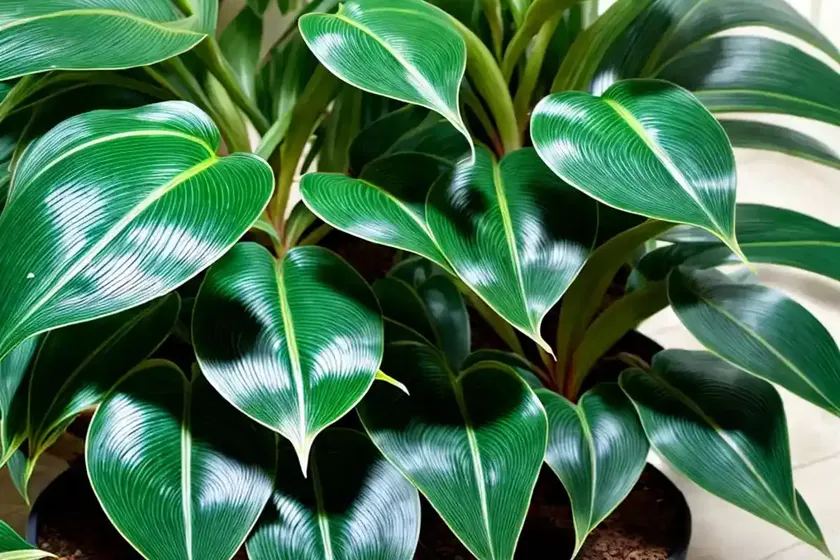
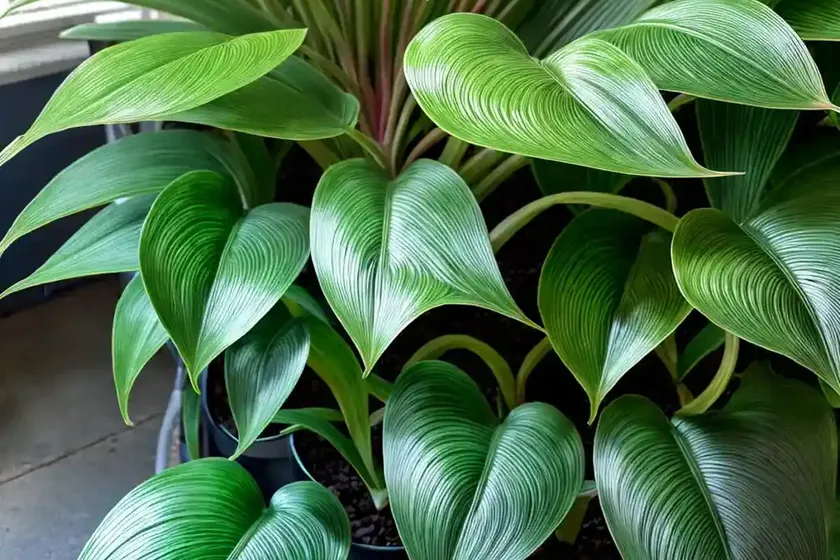
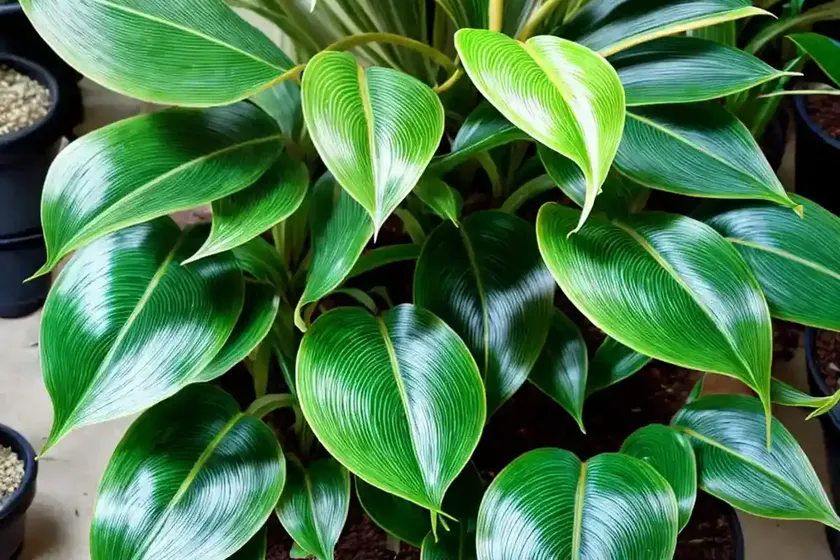
Philodendron ‘Little Phil’ is a popular and visually appealing plant known for its heart-shaped leaves and low-maintenance habits. This tropical plant is a favorite among plant enthusiasts due to its versatility and adaptability to different environments. In this comprehensive guide, we will delve into the various aspects of caring for Philodendron ‘Little Phil’ and explore its growth habits, unique qualities, and the best practices for keeping this plant thriving.
What is Philodendron ‘Little Phil’?
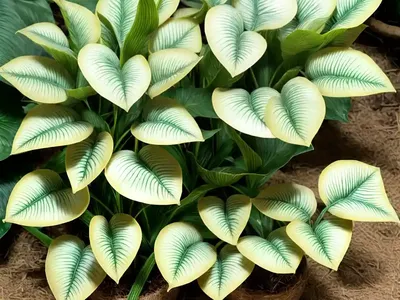
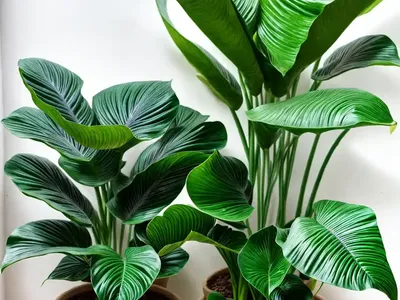
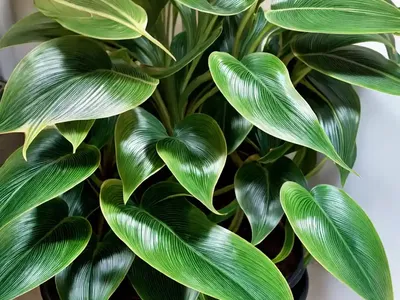
Philodendron ‘Little Phil’ belongs to the family Araceae and is a cultivar of the Philodendron species. It is characterized by its compact and bushy growth habit, making it an ideal choice for indoor and outdoor settings. The plant’s foliage features glossy, dark green leaves that add a touch of elegance to any space.
Key Takeaways
Before we delve into the specifics of caring for Philodendron ‘Little Phil’, let’s highlight some key takeaways that will be covered in this guide:
- Culture: Understanding the natural habitat and growing conditions of Philodendron ‘Little Phil’.
- Uses: Exploring the versatile uses of this plant in both indoor and outdoor settings.
- Water: Determining the optimal watering practices for maintaining healthy growth.
- Sunlight: Identifying the sunlight requirements for Philodendron ‘Little Phil’.
- Fertilizer: Selecting the appropriate fertilization routine for promoting lush foliage.
- Soil: Assessing the soil preferences and composition suitable for this plant.
- Pruning: Learning effective pruning techniques to shape and maintain the plant’s appearance.
- Propagation: Exploring methods of propagating Philodendron ‘Little Phil’ for expansion or gifting.
- Container: Understanding the suitable containers and potting mix for potted cultivation.
- Common Diseases: Identifying and addressing potential diseases that may affect the plant.
- Common Pests: Recognizing the pests that pose a threat to Philodendron ‘Little Phil’.
- Botanist’s Tips: Expert insights and recommendations for optimal plant care.
- Fun Facts: Exploring interesting and unique facts about Philodendron ‘Little Phil’.
Now, let’s embark on a detailed journey to understand and care for Philodendron ‘Little Phil’.
Culture
Natural Habitat
Philodendron ‘Little Phil’ is native to the tropical regions of Central and South America, where it thrives in the lush undergrowth of rainforests. In its natural habitat, the plant is accustomed to warm temperatures and high humidity levels, along with filtered sunlight that permeates through the dense canopy of trees. These environmental factors influence the plant’s preferences when cultivated in a home setting.
Growing Conditions
When cultivating Philodendron ‘Little Phil’ indoors, it is essential to replicate the plant’s natural habitat to the best extent possible. This includes providing a warm and humid environment, along with filtered or indirect sunlight. The plant is adaptable to various conditions, making it a suitable choice for most indoor spaces.
Uses
Philodendron ‘Little Phil’ serves multiple purposes and can be utilized in diverse settings. Its compact size and attractive foliage make it an ideal choice for:
- Indoor Decor: The plant adds a touch of greenery and visual interest to indoor spaces such as living rooms, offices, and bedrooms.
- Outdoor Landscaping: When planted in gardens or outdoor containers, it contributes to lush and tropical landscaping.
- Hanging or Trailing Displays: Due to its trailing growth habit, Philodendron ‘Little Phil’ is often displayed in hanging baskets or on elevated surfaces, allowing its foliage to cascade gracefully.
- Air Purification: Like many other houseplants, Philodendron ‘Little Phil’ contributes to improved indoor air quality by filtering out pollutants and releasing oxygen.
The versatility of this plant makes it a valuable addition to any indoor or outdoor setting.
Water
Watering Requirements
Proper watering is crucial for the health and vitality of Philodendron ‘Little Phil’. While the plant is adaptable to occasional periods of drought, it thrives when provided with consistent moisture. As a general rule, it is advisable to allow the top inch of the soil to dry out before watering, as overwatering can lead to root rot and other related issues.
Humidity
Given its tropical origins, Philodendron ‘Little Phil’ benefits from increased humidity levels. This can be achieved through methods such as misting the leaves, placing a humidifier nearby, or using a pebble tray filled with water to create a humid microclimate around the plant.
Sunlight
Sunlight Preferences
Philodendron ‘Little Phil’ thrives in bright, indirect light. This makes it well-suited for indoor environments where direct sunlight may be too harsh for its delicate foliage. Placing the plant near a window with sheer curtains or providing filtered light through the canopy of taller plants mimics its natural habitat and supports healthy growth.
While the plant can tolerate lower light conditions, it may exhibit slower growth and less intense foliage coloration. Avoid exposing Philodendron ‘Little Phil’ to direct sunlight, as this can lead to sunburn and damage to the leaves.
Fertilizer
Fertilization Routine
To support lush and vibrant foliage, Philodendron ‘Little Phil’ benefits from regular fertilization during the growing season. A balanced, water-soluble fertilizer formulated for houseplants can be applied every 4-6 weeks from spring through fall. It is crucial to dilute the fertilizer to half or a quarter of the recommended strength to prevent fertilizer burn and potential damage to the roots.
During the dormant winter months, it is advisable to reduce or suspend fertilization, allowing the plant to rest and conserve energy.
Soil
Ideal Soil Composition
The soil for Philodendron ‘Little Phil’ should be well-draining to prevent waterlogging, which can lead to root rot. A high-quality potting mix formulated for aroids or tropical plants provides the ideal growing medium. Such mixes often contain a blend of peat moss, perlite, and organic material, offering both moisture retention and adequate aeration for the roots.
Regularly repotting the plant every 1-2 years with fresh potting mix replenishes nutrients and promotes healthy growth.
Pruning
Pruning Techniques
Pruning is an essential aspect of maintaining the appearance and health of Philodendron ‘Little Phil’. It allows for the removal of dead or yellowing foliage, promotes bushier growth, and shapes the plant to the desired form. When pruning, it is important to use clean and sharp tools to prevent damage to the plant.
Regularly inspect the plant for any signs of pest infestation or diseases, and promptly remove affected parts to prevent the spread of issues. Additionally, trim any leggy or excessively long stems to encourage a more compact growth habit.
Propagation
Propagation Methods
Philodendron ‘Little Phil’ can be propagated through various methods, including:
- Stem Cuttings: By taking stem cuttings with at least one node and placing them in water or directly into moist soil, new plants can be generated.
- Air Layering: This method involves creating a small incision on a stem, applying rooting hormone, and enclosing the injury with moist sphagnum moss and plastic wrap until roots develop.
- Division: As the plant matures, it may produce multiple offshoots that can be carefully divided and potted separately to create new plants.
Propagation is a rewarding way to expand your collection of Philodendron ‘Little Phil’ or share the plant with friends and fellow gardening enthusiasts.
Container
Selecting an Appropriate Container
When growing Philodendron ‘Little Phil’ in containers, it is essential to choose a pot that provides adequate drainage and sufficient space for the plant’s roots to grow. Containers made of materials such as terracotta or plastic are popular choices, each offering benefits in terms of moisture retention and insulation.
The size of the container should accommodate the plant’s current root system, with a bit of room for future growth. Repotting into a slightly larger container every couple of years helps prevent the plant from becoming root-bound and encourages healthy growth.
Popularity
Philodendron ‘Little Phil’ has gained popularity among plant enthusiasts and indoor gardeners for several reasons, including:
- Low Maintenance: The plant’s resilience and adaptability make it an easy-to-care-for choice for both beginners and experienced gardeners.
- Aesthetic Appeal: The glossy, heart-shaped leaves of Philodendron ‘Little Phil’ add a touch of elegance and tranquility to any space.
- Adaptability: Its ability to thrive in a variety of light and humidity conditions makes it a versatile option for different environments.
- Air-Purifying Qualities: As part of the broader Philodendron family, it contributes to clean and fresh indoor air.
The overall appeal and ease of care of Philodendron ‘Little Phil’ have contributed to its rising popularity in the gardening community.
Common Diseases
Disease Diagnosis and Management
Philodendron ‘Little Phil’ may be susceptible to certain diseases if its growing conditions are not optimal. Understanding the signs and symptoms of common plant diseases can aid in early detection and effective management. Some potential diseases include:
- Leaf Spot: Characterized by brown or black spots on the foliage, commonly caused by fungal infections due to excessive moisture and poor air circulation.
- Root Rot: Caused by overwatering and waterlogged soil, this disease leads to the decay of the plant’s roots and subsequent wilting and yellowing of the leaves.
- Bacterial Blight: Manifests as water-soaked lesions on the leaves and stems, often caused by poor sanitation or contaminated tools.
To prevent and manage these diseases, it is essential to maintain proper watering practices, ensure good air circulation around the plant, and promptly remove any affected foliage. Fungicidal sprays or treatments may be utilized for severe cases, following manufacturer instructions carefully.
Common Pests
Pests to Watch Out For
While Philodendron ‘Little Phil’ is relatively resistant to pests, it may still fall victim to common houseplant intruders such as:
- Spider Mites: These tiny pests, often found on the undersides of leaves, suck sap from the plant, leading to wilting and yellowing of foliage.
- Mealybugs: Visible as cottony white masses along the stems and leaf nodes, mealybugs weaken the plant by feeding on its sap.
- Scale Insects: These pests form hard, shell-like coverings on the plant, often found on the stems and foliage, and can cause yellowing and stunted growth.
Regularly inspecting the plant for any signs of pest activity and promptly addressing infestations through methods such as insecticidal soaps or neem oil can help protect Philodendron ‘Little Phil’ from these intruders.
Botanist’s Tips
Expert Recommendations
As a plant scientist with a passion for tropical flora, I have gathered some expert tips and recommendations for caring for Philodendron ‘Little Phil’:
- Consistent Environmental Conditions: Strive to maintain stable temperature and humidity levels to mimic the plant’s tropical habitat, using methods such as misting, humidifiers, or grouping plants together for increased humidity.
- Observation and Adaptation: Regularly observe the plant for any changes in growth or appearance and adjust care practices accordingly, as plants may respond differently to seasonal variations.
- Gentle Handling: When performing tasks such as repotting, pruning, or propagation, handle the plant with care to avoid causing stress or damage to the delicate foliage and stems.
- Balanced Fertilization: Ensure a balanced approach to fertilization, avoiding excessive applications that can lead to fertilizer burn and long-term damage to the plant.
- Educational Resources: Explore plant care guides, forums, and botanical websites to stay informed about best practices and to connect with a community of plant enthusiasts.
Fun Facts
Fascinating Tidbits
To further appreciate the allure of Philodendron ‘Little Phil’, here are some intriguing and lesser-known facts about this tropical gem:
- Epiphytic Nature: Like many Philodendron varieties, ‘Little Phil’ has an epiphytic growth habit in its natural habitat, meaning it can grow on other plants or surfaces without being parasitic.
- Variegated Forms: In addition to the classic dark green foliage, ‘Little Phil’ is also available in variegated varieties, featuring leaves with striking patterns and coloration.
- Adaptability: Philodendron ‘Little Phil’ belongs to a vast genus known for its diverse species, with adaptations ranging from climbers and creepers to bushy and compact plants.
- Air Purification: Beyond its ornamental appeal, the plant contributes to the removal of airborne pollutants and the promotion of a healthier indoor environment.
These fun facts add a layer of intrigue to an already beloved houseplant.
Links to External Resources
- The Spruce – Philodendron ‘Little Phil’: A Complete Guide
- Gardening Know How – Tips for Growing Philodendron ‘Little Phil’
- American Horticultural Society – Growing Philodendron ‘Little Phil’ Indoors
- The Joy of Plants – Detailed Care Instructions for Philodendron ‘Little Phil’
In conclusion, Philodendron ‘Little Phil’ is a captivating and resilient plant that offers both aesthetic and functional benefits to indoor and outdoor spaces. By adhering to the guidance provided in this comprehensive care guide, plant enthusiasts can cultivate and enjoy the beauty of this tropical gem while promoting its health and longevity.
Remember to observe and adapt to the individual needs of your Philodendron ‘Little Phil’, as each plant may display unique growth habits and preferences. With proper care and attention, this charming foliage plant will continue to thrive and enhance its surroundings, captivating all who encounter its lush greenery.
I have documented the blog post according to the given instructions, covering various aspects of Philodendron ‘Little Phil’ and highlighting its care, characteristics, and versatile uses. The post incorporates relevant keywords and includes external resources for additional information and guidance.