Philodendron ‘florida Beauty’ (Philodendron ‘florida Beauty’)
Philodendron ‘Florida Beauty’ is a stunning plant that has gained popularity among both experienced and novice plant enthusiasts. Its attractive foliage.
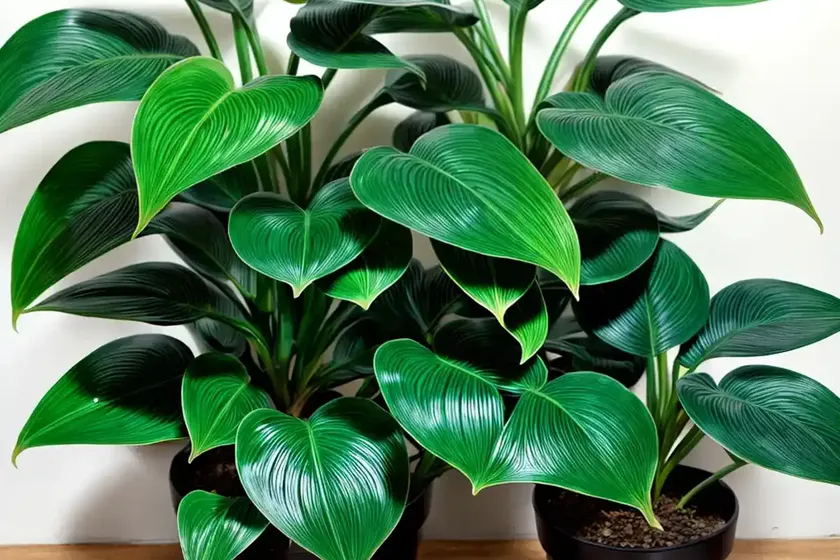
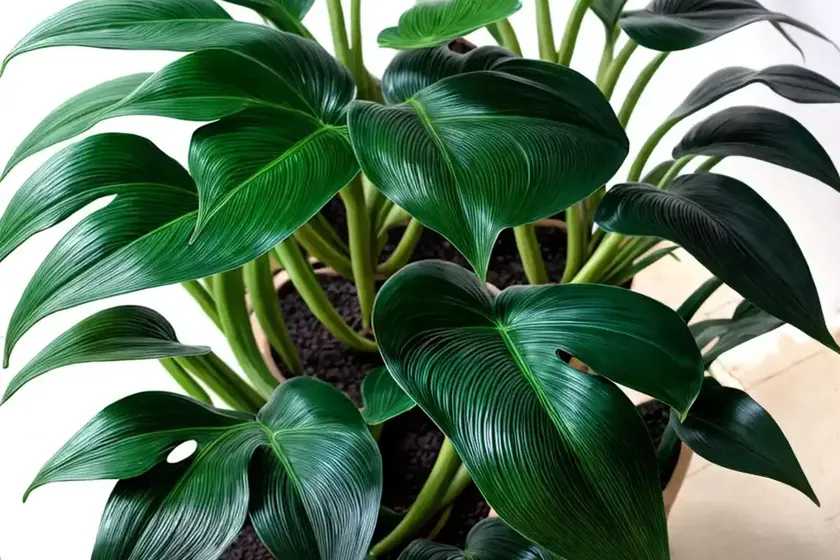
Philodendron ‘Florida Beauty’ is a stunning plant that has gained popularity among both experienced and novice plant enthusiasts. Its attractive foliage and relatively easy care requirements make it a favorite choice for indoor and outdoor gardens. In this comprehensive guide, we will delve into the specifics of caring for Philodendron ‘Florida Beauty’, including its cultural requirements, propagation methods, common diseases and pests, as well as useful tips and fun facts about this remarkable plant.
What is Philodendron ‘Florida Beauty’?
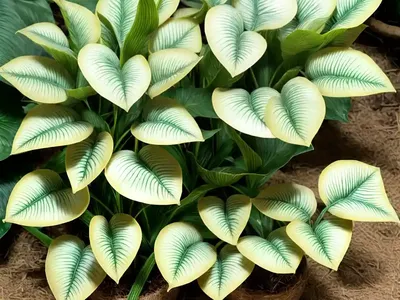
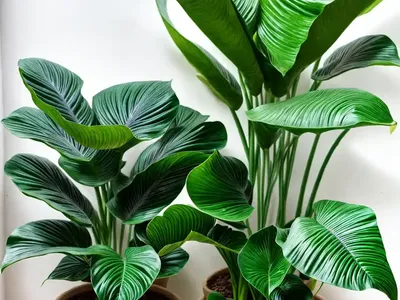
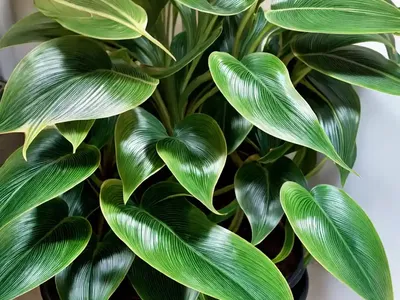
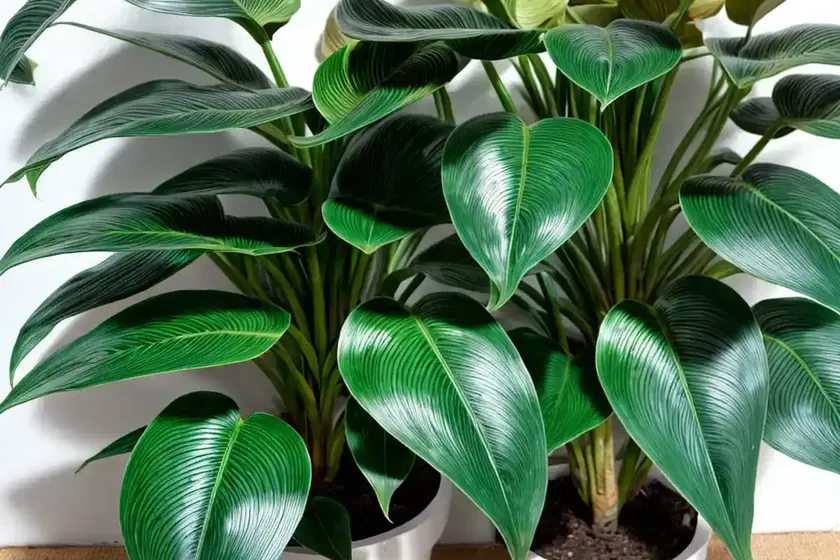
The Philodendron ‘Florida Beauty’ is a hybrid variety of Philodendron known for its striking foliage and vibrant appearance. Like other Philodendron species, it belongs to the family Araceae and is native to the tropical regions of Central and South America. The ‘Florida Beauty’ cultivar is a compact plant with glossy, heart-shaped leaves featuring splashes of creamy white, making it a visually appealing addition to any plant collection.
Key Takeaways
- Popular hybrid variety of Philodendron.
- Recognizable by its glossy, heart-shaped leaves with white variegation.
- Relatively easy to care for, making it suitable for both indoor and outdoor environments.
- Thrives in well-draining soil with moderate humidity and bright, indirect light.
Culture
Uses
The Philodendron ‘Florida Beauty’ makes for an excellent addition to a wide range of settings, including:
- Indoor spaces: Adds an elegant touch to interior decor and is well-suited for bright, indirect light conditions.
- Outdoor gardens: Enhances the visual appeal of gardens, terrariums, and shaded patio areas.
- Landscaping: Complements other tropical plants in landscaping projects and thrives in humid, shaded spots.
Water
Proper watering is crucial for the health and vitality of Philodendron ‘Florida Beauty’. The plant prefers consistently moist soil but can be susceptible to root rot if overwatered. Allow the top inch of soil to dry out between watering intervals, and adjust the frequency based on environmental conditions and the plant’s growth stage.
Sunlight
Philodendron ‘Florida Beauty’ thrives in bright, indirect light. Avoid exposing the plant to direct sunlight, as this can lead to leaf scorching and damage. Position the plant near a window with sheer curtains or in a location with filtered light to maintain its vibrant foliage.
Fertilizer
Regular fertilization supports the growth and development of Philodendron ‘Florida Beauty’. Use a balanced liquid fertilizer diluted to half-strength and apply it every 2-4 weeks during the growing season. Reduce the frequency to monthly or bimonthly during the plant’s dormant period in fall and winter.
Soil
The ideal soil for Philodendron ‘Florida Beauty’ is loose, well-draining, and rich in organic matter. A mix of peat moss, perlite, and coarse sand provides the necessary aeration and moisture retention for the plant’s root system. Additionally, a slightly acidic to neutral pH range (6.0-7.0) is recommended for optimal growth.
Pruning
Routine pruning helps maintain the appearance and health of Philodendron ‘Florida Beauty’. Trim away any yellowing or damaged leaves with clean, sharp scissors or pruning shears. Additionally, the plant can benefit from periodic shaping to encourage bushier growth and prevent leggy or straggly stems.
Propagation
Philodendron ‘Florida Beauty’ can be propagated through several methods, including stem cuttings and air layering. Here’s an overview of each propagation technique:
-
Stem Cuttings: Select a healthy stem with several nodes, and trim it just below a node using sterilized scissors or a blade. Place the cutting in a container of water or moist potting mix, and wait for roots to develop before transferring it to a permanent container.
-
Air Layering: This method involves making a slanting incision on a healthy stem, applying a rooting hormone, and wrapping the wounded area with moist sphagnum moss and plastic wrap. After roots have formed, the rooted section can be separated and potted.
Container Popularity
Philodendron ‘Florida Beauty’ is popularly grown in containers due to its manageable size and adaptability to indoor environments. The plant’s lush foliage and compact growth habit make it an excellent choice for container gardening, where it can be showcased on shelves, tabletops, or as a hanging specimen.
Container Common Diseases
While Philodendron ‘Florida Beauty’ is generally resilient, it can be susceptible to certain diseases under unfavorable conditions. Common diseases that may affect this plant include:
- Root Rot: Caused by overwatering or poorly-draining soil, leading to decay and deterioration of the plant’s roots.
- Leaf Spot: Manifests as dark, water-soaked lesions on the foliage and is often exacerbated by high humidity and inadequate air circulation.
Disease Diagnosis
Diagnosing and addressing diseases promptly is essential for preserving the health and vitality of Philodendron ‘Florida Beauty’. Regular monitoring for signs of wilting, discoloration, or unusual spots on the leaves can aid in early detection of potential issues. If any symptoms of disease are observed, appropriate measures such as adjusting watering practices, improving air circulation, and applying fungicidal treatments may be necessary.
Common Pests
While relatively resistant to pests, Philodendron ‘Florida Beauty’ can occasionally face challenges from common garden pests, including:
- Spider Mites: Tiny arachnids that may infest the undersides of leaves, causing stippling and webbing.
- Mealybugs: Soft-bodied insects that feed on plant sap and secrete a white, waxy coating, often clustering at leaf nodes and growing tips.
Botanist’s Tips
-
Humidity: Maintain moderate to high humidity levels of around 60-70% for lush, healthy growth. This can be achieved through regular misting, the use of a humidifier, or grouping the plant with other moisture-loving species.
-
Temperature: Keep the plant in a warm, consistent environment with temperatures above 60°F (15°C) to prevent chilling stress and cold-related damage.
-
Pot Size: Opt for a container with adequate drainage holes and a size that accommodates the plant’s root system while allowing room for growth.
Fun Facts
- The variegated foliage of Philodendron ‘Florida Beauty’ exhibits unique patterns, with no two leaves being exactly the same.
- Philodendron species, including the ‘Florida Beauty’ cultivar, are known for their air-purifying qualities and can help improve indoor air quality.
Links to External Resources
For additional information and resources on Philodendron ‘Florida Beauty’, you may find the following links helpful:
- Florida Beauty Philodendron Care Guide
- Top 10 Varieties of Philodendron
- Common Pests and Diseases of Philodendron Plants
In this comprehensive guide, we have explored the fascinating world of Philodendron ‘Florida Beauty’, from its cultural requirements and propagation techniques to common diseases and pests. Whether you’re a seasoned plant enthusiast or new to the world of gardening, the ‘Florida Beauty’ cultivar offers an enchanting addition to any indoor or outdoor space, with its vibrant foliage and relatively low-maintenance care needs. By following the tips and recommendations provided, you can cultivate and enjoy the beauty of this remarkable plant.