Phacelia Sericea (Silky Phacelia)
Phacelia sericea, commonly known as Silky Phacelia, is a fascinating and valuable plant that has captivated the attention of botanists, gardeners, and.
Phacelia sericea, commonly known as Silky Phacelia, is a fascinating and valuable plant that has captivated the attention of botanists, gardeners, and conservationists. As a plant scientist, I am excited to delve into the intricacies of this species, exploring its characteristics, optimal growing conditions, uses, and much more. In this comprehensive guide, we will navigate through the diverse facets of Phacelia sericea, providing insights into its cultivation, benefits, and ecological significance.
What is Phacelia sericea?
Phacelia sericea belongs to the genus Phacelia within the family Boraginaceae. This perennial plant is native to North America and is renowned for its delicate, intricate flowers and potential ecological benefits.
Silky Phacelia Description
Phacelia sericea is characterized by its distinctive features:
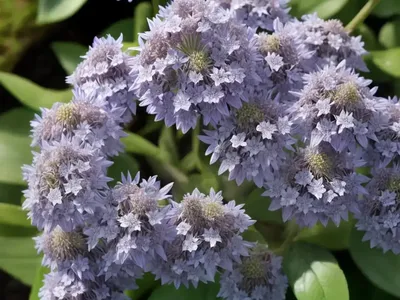
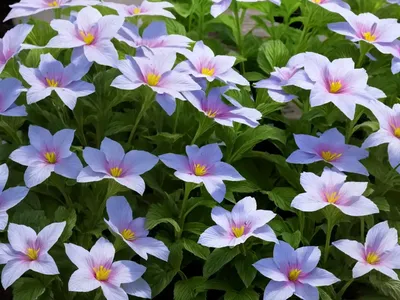
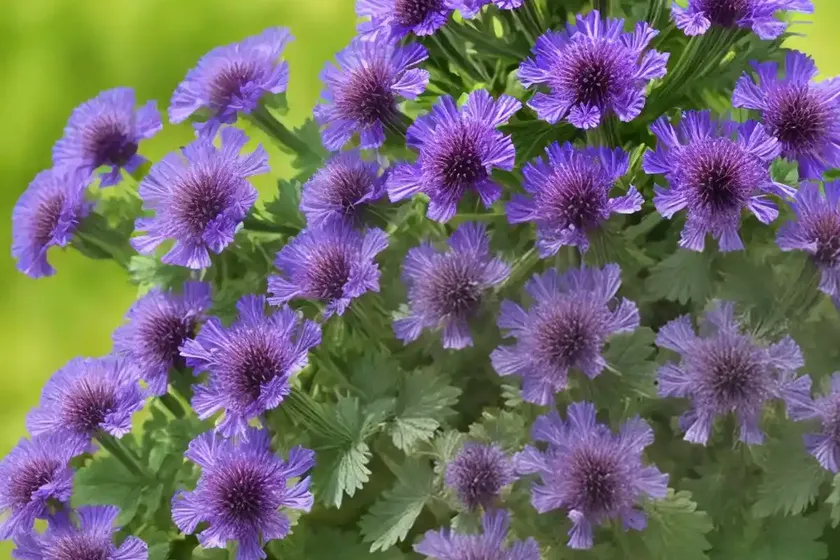
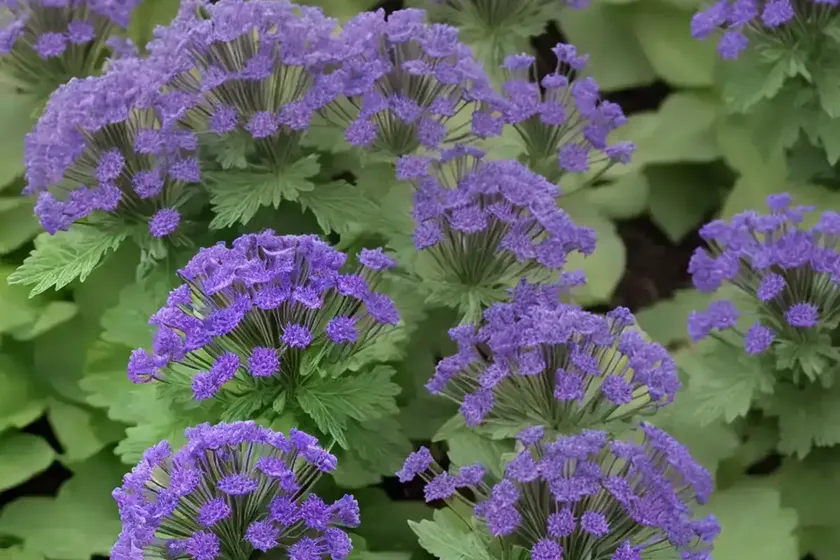
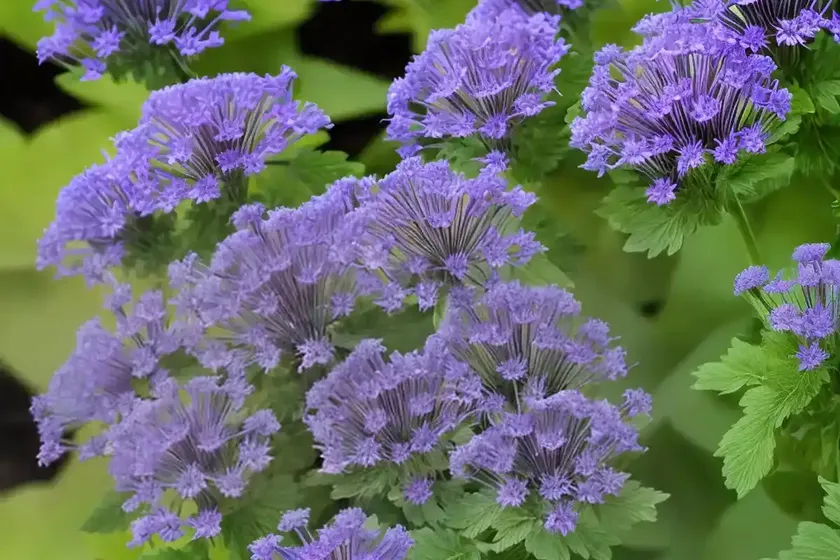
- Flowers: The plant produces clusters of small, fragrant, bell-shaped flowers that can vary in color from pale lavender to deep purple. These blooms are visually captivating and serve as a vital food source for various pollinators.
- Foliage: The foliage of Silky Phacelia is typically soft and hairy, evoking a velvety texture. The leaves are deeply lobed, contributing to the plant’s ornamental appeal.
- Habitat: In its natural habitat, Silky Phacelia thrives in a range of ecosystems, including prairies, meadows, and open woodlands. The plant’s adaptability to diverse environments is a testament to its resilience and ecological versatility.
Key Takeaways – Phacelia sericea (Silky Phacelia)
Before we embark on the intricacies of growing and caring for Phacelia sericea, let’s explore some key takeaways about this remarkable plant:
- Silky Phacelia is a native North American species known for its intricate, bell-shaped flowers and velvety foliage.
- The plant is a valuable source of nectar and pollen, making it an essential component of pollinator habitats.
- Phacelia sericea exhibits adaptability to various soil types and environmental conditions, underscoring its ecological resilience.
As we continue our exploration, we will delve into the specific cultural requirements, uses, and benefits of Phacelia sericea, offering valuable insights for gardeners, conservationists, and enthusiasts alike.
Culture
Cultivating Phacelia sericea requires an understanding of its unique cultural needs, encompassing aspects such as water requirements, sunlight exposure, soil conditions, and maintenance practices.
Water
Silky Phacelia exhibits moderate water needs, particularly during its establishment phase. Once the plant is well-established, it demonstrates a degree of drought tolerance, making it suitable for regions characterized by limited water availability. However, during periods of prolonged drought, supplemental watering may be necessary to support optimal growth and flowering.
Sunlight
In terms of sunlight requirements, Phacelia sericea thrives in full sun to partial shade. Adequate sunlight exposure is essential for promoting robust flowering and overall plant vigor. When grown in partial shade, the plant may exhibit reduced flowering but can still maintain healthy growth.
Fertilizer
While Silky Phacelia is generally adaptable to various soil conditions, it benefits from well-draining, nutrient-rich soils. Incorporating organic matter into the soil during planting can provide essential nutrients for the plant’s initial growth. However, excessive fertilization should be avoided, as it may lead to lush foliage at the expense of flower production.
Soil
The ideal soil for Phacelia sericea should be loamy and well-draining, preventing waterlogging and promoting healthy root development. The plant demonstrates a degree of adaptability to different soil types, including sandy and clay soils, as long as adequate drainage is maintained. A slightly acidic to neutral pH range is generally favorable for optimal growth.
Pruning
Pruning requirements for Silky Phacelia are minimal, primarily focusing on the removal of spent flowers to encourage prolonged blooming. Deadheading the plant can also help redirect its energy towards new growth and flowering, ensuring a continuous display of its charming blossoms.
Uses
Phacelia sericea serves a multitude of purposes, ranging from its ornamental value in gardens to its ecological significance in supporting pollinators and wildlife.
Ornamental Use
As an ornamental plant, Silky Phacelia adds a touch of natural beauty to gardens, meadows, and wildflower landscapes. Its delicate flowers and soft foliage make it an enchanting addition to floral arrangements and pollinator gardens. The plant’s adaptability to various soil types and climates contributes to its widespread use in landscaping and horticulture.
Ecological Importance
One of the most noteworthy uses of Phacelia sericea lies in its ecological contributions. As a valuable source of nectar and pollen, the plant supports a diverse array of pollinators, including bees, butterflies, and other beneficial insects. By cultivating Silky Phacelia, gardeners and conservationists can play a direct role in promoting biodiversity and supporting imperiled pollinator populations.
Propagation
Growing from Seeds
Propagation of Silky Phacelia is commonly achieved through seed sowing. The process involves preparing a seedbed with well-prepared soil, sowing the seeds at the appropriate depth, and ensuring consistent moisture to facilitate germination. Direct sowing in the intended growing site is often recommended, as the plant demonstrates robust establishment when grown in its permanent location.
Container
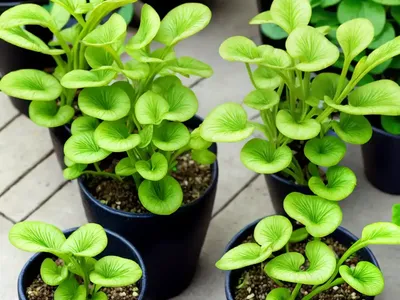
While Silky Phacelia is predominantly grown in outdoor gardens and naturalized settings, it can also be cultivated in containers. When growing Phacelia sericea in pots, it is essential to use well-draining potting mixes and provide adequate sunlight to support healthy growth. Regular watering and occasional fertilization are crucial for sustaining the plant’s vitality in a containerized environment.
Popularity
In recent years, Phacelia sericea has garnered increased attention and popularity among gardeners, conservationists, and sustainable farming advocates. Its striking visual appeal, ecological benefits, and adaptability to diverse climates have contributed to its rising prominence in various horticultural and environmental initiatives.
Common Diseases
While Silky Phacelia is generally resilient to most pests and diseases, it can occasionally encounter certain health issues that warrant attention and preventive measures.
Disease Diagnosis
Common diseases that may affect Phacelia sericea include fungal pathogens such as powdery mildew and leaf spot diseases. These diseases can manifest as powdery white growth on the plant’s foliage or as dark lesions on the leaves. Regular inspections and prompt intervention can help mitigate the impact of these diseases on the plant’s overall health.
Common Pests
Phacelia sericea is relatively resistant to pest infestations, owing in part to the aromatic compounds present in its foliage, which can act as natural insect repellents. However, occasional encounters with aphids, spider mites, and caterpillars may occur. Vigilant monitoring and the use of organic pest control methods can effectively manage pest populations without compromising the plant’s ecological integrity.
Botanist’s Tips
As a plant scientist with a profound appreciation for the ecological and horticultural significance of Phacelia sericea, I offer the following tips for cultivating and stewarding this remarkable plant:
- Embrace its Ecological Role: Recognize Silky Phacelia as a vital component of pollinator habitats, and strategically incorporate it into garden designs and restoration projects to support biodiversity.
- Foster Soil Health: Prioritize soil enrichment and maintenance to provide a favorable growing environment for Phacelia sericea, reinforcing the plant’s resilience and longevity.
- Promote Pollinator Conservation: Leverage the nectar and pollen resources of Silky Phacelia to enhance pollinator forage availability, contributing to the conservation of vital insect species.
Fun Facts
- The common name “Silky Phacelia” alludes to the plant’s velvety foliage, which imparts a lush and tactile quality to its appearance.
- Phacelia sericea has been recognized for its value in erosion control and soil stabilization, particularly in restoration efforts aimed at rehabilitating disturbed landscapes.
- Silky Phacelia’s intricate flowers undergo a fascinating transformation as they unfurl and display their captivating hues, providing a spectacle of natural beauty.
Links to External Resources
For further exploration and in-depth understanding of Phacelia sericea, I recommend the following external resources:
- The Xerces Society: An organization dedicated to the conservation of invertebrates and their habitats, offering valuable insights into pollinator-friendly plants such as Silky Phacelia.
- USDA Plants Database: A comprehensive resource for botanical information, including detailed profiles of native plant species like Phacelia sericea.
- Lady Bird Johnson Wildflower Center: A reputable source of information on native plants, ecological landscaping, and conservation, with a focus on promoting biodiversity and sustainable practices.
As we conclude this comprehensive exploration of Phacelia sericea, I encourage readers to embrace the inherent beauty and ecological importance of this captivating plant. Whether cultivated for its ornamental charm, pollinator support, or ecological benefits, Silky Phacelia stands as a testament to the inherent value of native plants in enriching our landscapes and ecosystems.
By understanding and cultivating Phacelia sericea, we affirm our commitment to fostering a harmonious coexistence with the natural world, recognizing the intrinsic worth of each plant species in sustaining the web of life that surrounds us. Let us continue to celebrate and steward the wondrous diversity of plants, acknowledging their profound impact on our lives and the planet as a whole.