Phacelia Hastata (Silverleaf Phacelia)
Phacelia hastata, commonly known as Silverleaf Phacelia, is a stunning and versatile plant belonging to the Boraginaceae family. This species is renowned.
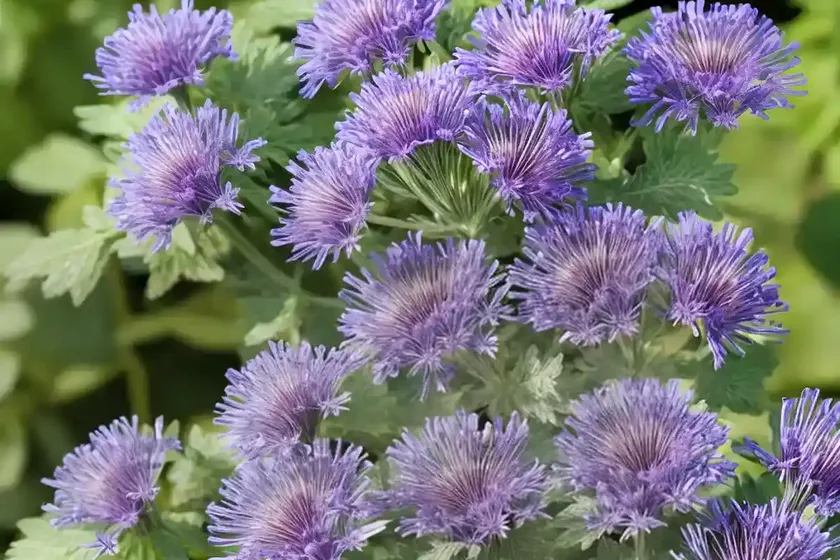
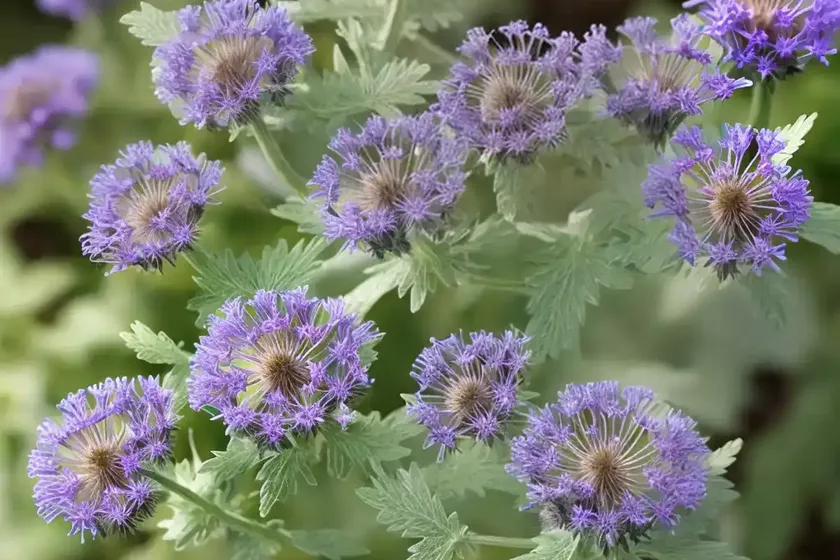
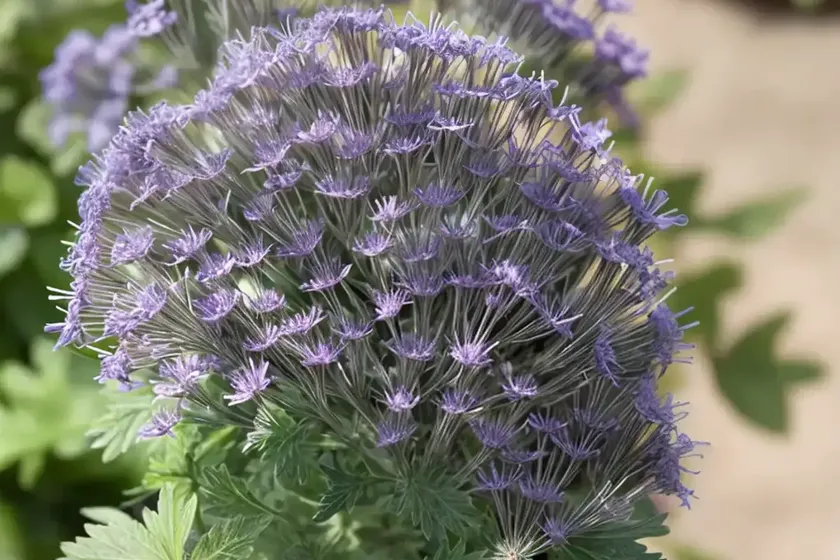
Phacelia hastata, commonly known as Silverleaf Phacelia, is a stunning and versatile plant belonging to the Boraginaceae family. This species is renowned for its delicate, lacy foliage and attractive purple flowers, often leaving a lasting impression on enthusiasts and horticulturists alike. In this comprehensive guide, we will delve into the various aspects of understanding, growing, and caring for Phacelia hastata. From its characteristics and cultivation to ecological significance and maintenance, every facet of this remarkable plant will be explored in detail.
What is Phacelia hastata?
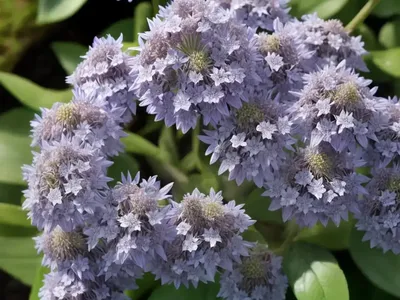
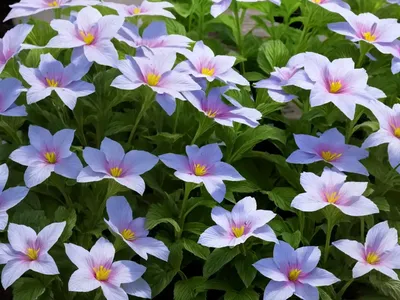
Phacelia hastata is a native North American wildflower that thrives in a variety of habitats, primarily in prairies, open woodlands, and along roadsides. It is characterized by its deeply lobed, silver-green leaves and striking lavender-blue flowers, which are a favorite among pollinators such as bees and butterflies.
Phacelia hastata Characteristics
- Common Name: Silverleaf Phacelia
- Family: Boraginaceae
- Type: Perennial
- Foliage: Silver-green, deeply lobed
- Flowers: Lavender-blue, bell-shaped
- Height: 1-3 feet
Key Takeaways – Phacelia hastata
Culture
Phacelia hastata thrives in a variety of habitats, including prairies, open woodlands, and along roadsides. It is well-adapted to diverse environmental conditions, making it a valuable addition to naturalistic landscape designs.
Uses
The plant has several uses, including its attraction to pollinators such as bees and butterflies. It also has potential medicinal properties and can be cultivated for its aesthetic value in gardens and landscapes.
Water
Phacelia hastata prefers well-draining soil and moderate water. While it can tolerate drought conditions to some extent, regular watering is essential, especially during the flowering season.
Sunlight
It thrives in full sun to partial shade, making it an adaptable plant for a range of light conditions.
Fertilizer
Minimal fertilizer is required for Phacelia hastata. It is best to use a balanced, organic fertilizer during the growing season to support healthy foliage and flower production.
Soil
The plant prefers well-drained, loamy soil, with a slightly acidic to neutral pH level. Amending the soil with organic matter can improve its overall health and vigor.
Pruning
Minimal pruning is required for Phacelia hastata. However, deadheading spent flowers can promote prolonged blooming and prevent self-seeding.
Propagation
Phacelia hastata can be propagated through seeds or division. Both methods have their advantages and can be utilized depending on the specific needs and goals of the gardener.
Container Popularity
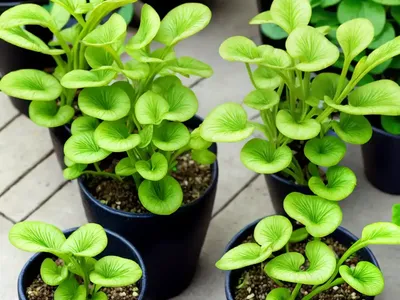
Due to its manageable size and attractive foliage, Phacelia hastata is gaining popularity as a container plant, adding a touch of elegance to small gardens and urban landscapes.
Common Diseases
The plant is relatively resistant to diseases, but proper cultural practices and vigilant monitoring can mitigate potential issues such as powdery mildew and root rot.
Disease Diagnosis
Observing the foliage and overall vigor of the plant is key to diagnosing and combating diseases. Timely intervention and appropriate treatments can help maintain the plant’s health.
Common Pests
Phacelia hastata is generally not highly susceptible to pest infestations. However, occasional scrutiny may be necessary to address potential threats from aphids, thrips, and spider mites.
Silverleaf Phacelia Facts
- Medicinal Properties: Some Native American tribes utilized Phacelia as a dermatological and respiratory aid due to its potential anti-inflammatory and expectorant properties.
- Wildlife Attraction: The plant is highly attractive to pollinators and serves as a crucial food source for many native bee species.
- Ecological Significance: Phacelia hastata contributes to the overall biodiversity of ecosystems, supporting a variety of wildlife and playing a role in conserving native plant communities.
Phacelia hastata Cultivation Guide
Soil Requirements
Phacelia hastata thrives in well-drained, moderately fertile soil with a slightly acidic to neutral pH. Incorporating organic matter into the soil can enhance its structure and fertility, promoting healthy growth.
Table 1: Soil Requirements for Phacelia hastata
| Soil Type | Well-drained, loamy soil |
|---|---|
| pH Level | Slightly acidic to neutral |
| Soil Fertility | Moderately fertile |
| Amendments | Organic matter for improved soil structure and fertility |
Sun Exposure
The plant prefers full sun to partial shade, making it adaptable to various light conditions. It performs best in an environment with ample sunlight, which promotes robust growth and prolific flowering.
Table 2: Sun Exposure for Phacelia hastata
| Sunlight | Full sun to partial shade |
|---|---|
| Light Requirements | Thrives in environments with ample sunlight |
Water Requirements
Phacelia hastata has moderate water needs and prefers well-draining soil. While it exhibits some drought tolerance, consistent moisture during the growing season is essential for healthy growth and flowering.
Table 3: Water Requirements for Phacelia hastata
| Water Needs | Moderate, regular watering during the growing season |
|---|---|
| Drought Tolerance | Moderate drought tolerance with regular watering |
Silverleaf Phacelia Care Tips
Fertilization
Minimal fertilization is needed for Phacelia hastata. Applying a balanced, organic fertilizer during the growing season can support healthy foliage and promote abundant flowering without overstimulating growth.
Pruning Techniques
While the plant requires minimal pruning, deadheading spent flowers can prolong the blooming period and prevent self-seeding, promoting a tidy and attractive appearance.
Container Gardening
Phacelia hastata is well-suited for container gardening, where its elegant foliage and vibrant flowers can add an enchanting touch to patios, balconies, and small garden spaces.
Phacelia hastata Uses
Medicinal Properties
Some Native American tribes historically used Phacelia hastata for its potential medicinal attributes, employing it as a dermatological and respiratory aid due to its anti-inflammatory and expectorant properties.
Wildlife Habitat
Phacelia hastata is a wildlife-friendly plant, attracting various pollinators like bees and butterflies. It contributes to the preservation of native plant communities by providing essential food sources for diverse wildlife.
Garden Aesthetics
The plant’s delicate foliage and vibrant flowers make it a charming addition to gardens and landscapes, adding an aesthetically pleasing touch to naturalistic designs and wildflower meadows.
Conclusion
In conclusion, Phacelia hastata, or Silverleaf Phacelia, is a captivating and ecologically significant plant with remarkable features and diverse uses. From its cultural requirements and medicinal significance to its ecological role and ornamental appeal, this species holds immense value for horticulture, conservation, and wildlife support. By understanding and appreciating the nuances of growing and caring for Phacelia hastata, enthusiasts and horticulturists can harness its potential to enhance landscapes, support biodiversity, and create captivating garden spaces.