Phacelia Campanularia (Desert Bluebell)
Phacelia campanularia, commonly known as the Desert Bluebell, is a striking wildflower native to the southwestern United States and parts of Mexico. This.
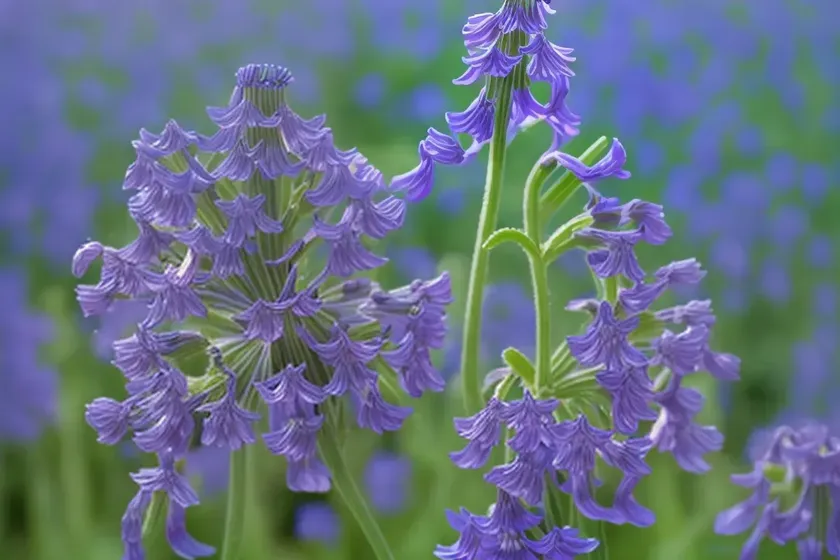
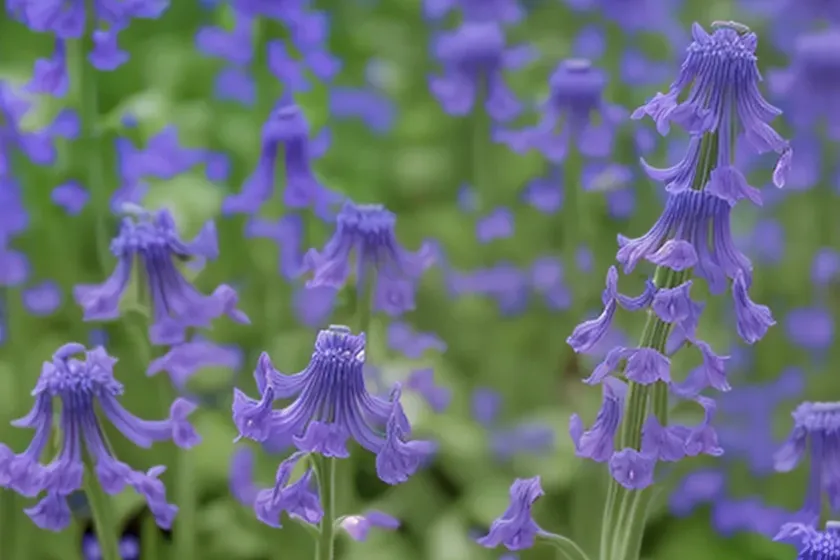
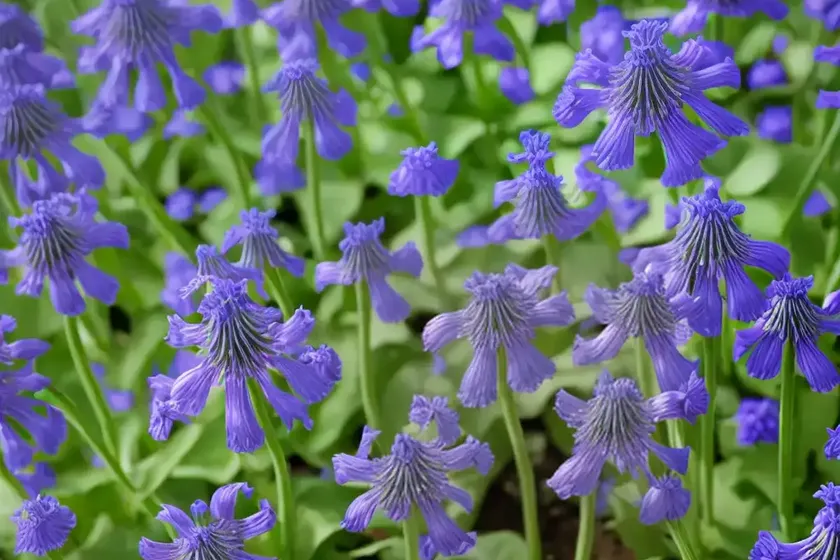
Phacelia campanularia, commonly known as the Desert Bluebell, is a striking wildflower native to the southwestern United States and parts of Mexico. This resilient, drought-tolerant plant is a favorite among gardeners and conservationists due to its vibrant blue flowers and its ecological benefits. In this comprehensive guide, we will explore everything you need to know about the cultivation, care, and ecological significance of Phacelia campanularia.
What is Phacelia campanularia?
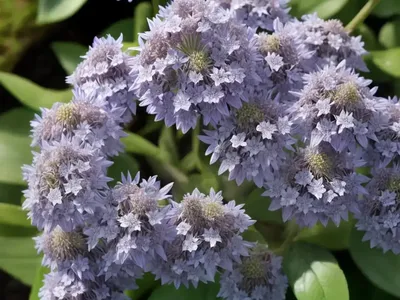
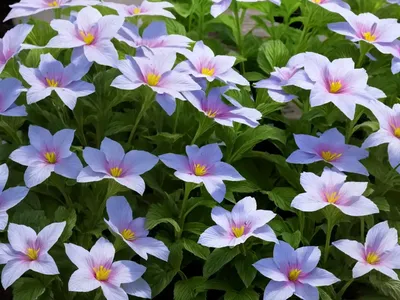
Phacelia campanularia belongs to the Hydrophyllaceae family and is known for its bell-shaped, vivid blue flowers that bloom in clusters along graceful, branching stems. It is a hardy annual plant that thrives in arid and semi-arid climates, making it an ideal choice for xeriscaping and native plant landscaping. In addition to its ornamental value, Phacelia campanularia plays a crucial role in supporting pollinators and improving soil health, making it a valuable addition to any garden or natural habitat.
Key Takeaways – Phacelia campanularia (Desert Bluebell)
Culture
- Common Name: Desert Bluebell
- Scientific Name: Phacelia campanularia
- Family: Hydrophyllaceae
- Type: Annual
- Native Range: Southwestern United States, Mexico
- Flower Color: Blue
- Growth Habit: Upright, branching
Uses
- Ornamental: Phacelia campanularia is prized for its striking blue blooms and is commonly used in wildflower gardens, natural landscapes, and pollinator-friendly plantings.
- Ecological: This plant has significant ecological value, attracting a wide variety of pollinators and improving soil health.
Water
- Watering Requirements: Phacelia campanularia is drought-tolerant once established. It prefers well-drained soil and is well-suited to xeriscaping projects.
Sunlight
- Sun Exposure: Full sun to partial shade
- Sunlight Needs: Phacelia campanularia thrives in full sun but can tolerate some shade, especially in hotter climates.
Fertilizer
- Fertilization: Phacelia campanularia generally does not require heavy fertilization. A light application of balanced, organic fertilizer at planting time can support early growth.
Soil
- Soil Type: Well-drained, sandy or loamy soil
- pH: Neutral to slightly acidic (pH 6.0-7.0)
- Soil Preparation: Good soil preparation is essential. Amend the soil with organic matter to improve drainage and fertility.
Pruning
- Pruning Needs: Minimal pruning is required for Phacelia campanularia. Deadheading spent flowers can encourage prolonged blooming.
Propagation
- Propagation Methods: Phacelia campanularia can be propagated from seeds, which are easily collected from mature plants.
Container Popularity
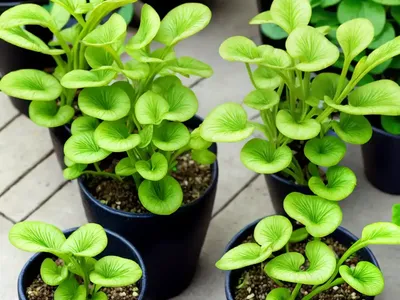
- Container Gardening: Phacelia campanularia can thrive in containers, making it a versatile choice for balconies, patios, and small gardens.
Container Common Diseases
- Pests and Diseases: While relatively resistant to pests and diseases, Phacelia campanularia can occasionally be affected by aphids, spider mites, and powdery mildew in humid conditions.
Disease Diagnosis
- Symptoms: Look out for yellowing or distorted leaves, webbing on the undersides of leaves, and white powdery patches on the foliage.
Common Pests
- Pest Issues: Aphids and spider mites may occasionally infest Phacelia campanularia, especially in dry conditions.
Botanist’s Tips
- Best Growing Conditions: Provide well-drained soil, ample sunlight, and good air circulation to ensure the optimal growth of Phacelia campanularia.
- Companion Planting: Pair Phacelia campanularia with other pollinator-friendly plants such as Echinacea, Salvia, and Penstemon to create a vibrant, wildlife-attracting garden.
- Early Sowing: Directly sow Phacelia campanularia seeds in the early spring for the best results.
Fun Facts
- The flowers of Phacelia campanularia are not only visually stunning but also provide a valuable nectar source for bees, butterflies, and other pollinators.
- Phacelia campanularia’s ability to thrive in arid conditions makes it an excellent choice for water-wise gardening and landscaping practices.
Links to External Resources
For more information on Phacelia campanularia and related topics, consider exploring the following resources:
– American Horticultural Society
– Lady Bird Johnson Wildflower Center
– University of California Statewide Integrated Pest Management Program
In the following sections, we will delve deeper into the various aspects of cultivating and caring for Phacelia campanularia, covering topics such as soil preparation, watering needs, propagation methods, and its role in supporting beneficial wildlife.
Phacelia campanularia Growing Tips
Desert Bluebell Care Guide
When it comes to caring for Phacelia campanularia, it’s important to understand its specific requirements to ensure optimal growth and flowering. Here are some essential care tips for cultivating Desert Bluebells:
How to Grow Phacelia campanularia
Phacelia campanularia is relatively easy to grow, particularly in regions with dry, sunny climates. Follow these steps to successfully grow Desert Bluebells:
-
Selecting a Planting Location: Choose a well-drained, sunny location for planting Phacelia campanularia. Avoid areas with standing water or dense shade.
-
Soil Preparation: Prepare the soil by loosening it and incorporating organic matter, such as compost, to improve drainage and fertility.
-
Sowing Seeds: Directly sow Phacelia campanularia seeds in the early spring, and lightly cover them with a thin layer of soil. Water gently to ensure good seed-to-soil contact.
-
Watering: Water the newly sown seeds lightly to keep the soil consistently moist until germination occurs. Once established, Desert Bluebells are drought-tolerant and require minimal additional watering.
-
Maintenance: Monitor the plants for any signs of pests or diseases, and provide support or gentle pruning if necessary.
Desert Bluebell Plant Characteristics
Understanding the key characteristics of Phacelia campanularia can help in creating an environment that meets its specific needs. Here are some important characteristics of the Desert Bluebell:
-
Flower Color and Shape: Phacelia campanularia produces beautiful, bell-shaped flowers in shades of vivid blue, creating a stunning visual display.
-
Growth Habit: This plant exhibits an upright, branching growth habit, with each stem bearing multiple flower clusters.
-
Ecological Significance: Phacelia campanularia plays a crucial role in supporting pollinators, such as bees and butterflies, and enhancing the overall biodiversity of its habitat.
Phacelia campanularia Cultivation Tips
Successfully cultivating Phacelia campanularia involves paying attention to specific cultivation tips that can promote healthy growth and abundant flowering. Consider the following tips for the optimal cultivation of Desert Bluebells:
-
Siting: Choose a sunny location that receives at least 6-8 hours of sunlight per day for best results.
-
Soil Requirements: Ensure the soil is well-drained, as Phacelia campanularia is sensitive to waterlogging. Sandy or loamy soils are highly suitable.
-
Watering Practices: While young plants benefit from consistent moisture, mature Phacelia campanularia plants are remarkably drought-tolerant and require minimal watering once established.
-
Pruning Techniques: Minimal pruning is needed for Desert Bluebells. Deadhead spent flowers to encourage prolonged blooming and maintain a tidy appearance.
Desert Bluebell Plant Care Essentials
To provide optimal care for Phacelia campanularia, it’s essential to understand the core elements of its care requirements. Here are some plant care essentials for Desert Bluebells:
-
Sunlight: Provide Phacelia campanularia with full sun to ensure vigorous growth and profuse flowering. In hotter climates, a partial shade in the afternoon can also be beneficial.
-
Watering: While Phacelia campanularia benefits from consistent moisture during the establishment phase, it becomes remarkably drought-tolerant once mature and generally requires minimal additional watering.
-
Soil Quality: Ensure that the soil is well-drained and moderately fertile, with ample organic matter to support healthy growth.
-
Pest and Disease Management: Monitor the plants for any signs of pests or diseases, addressing them promptly to maintain plant health.
Growing Phacelia campanularia from Seeds
Phacelia campanularia can be easily grown from seeds, providing an accessible and cost-effective method for propagation. Here’s a step-by-step guide to growing Desert Bluebells from seeds:
-
Seed Collection: Collect seeds from mature Phacelia campanularia plants after the flowers have faded and the seed heads have formed.
-
Seed Saving: Allow the seed heads to dry on the plant before carefully collecting the seeds. Store the seeds in a cool, dry place until ready for sowing.
-
Sowing Time: In early spring, when the soil can be worked, sow the seeds directly into prepared soil. Alternatively, seeds can be sown in the fall for spring germination.
-
Germination: Keep the soil consistently moist until the seeds germinate, which typically occurs within 10-14 days under optimal conditions.
-
Seedling Care: Thin the seedlings as needed, providing adequate spacing for vigorous growth. Once established, Desert Bluebells require minimal ongoing care.
Best Soil for Desert Bluebell Plants
The choice of soil is a critical factor in determining the health and growth of Phacelia campanularia. Here’s what to consider when selecting the best soil for Desert Bluebell plants:
-
Drainage: Opt for well-drained soil, as Phacelia campanularia is highly sensitive to waterlogged conditions. Incorporating organic matter, such as compost, can improve soil drainage and fertility.
-
Soil Type: Sandy or loamy soils are ideal for Phacelia campanularia, providing the right balance of drainage and moisture retention.
-
Soil pH: Aim for a slightly acidic to neutral pH range, ideally between 6.0 and 7.0, to support the optimal growth of Desert Bluebells.
Phacelia campanularia Watering Requirements
Understanding the watering requirements of Phacelia campanularia is essential for maintaining the plant’s health and longevity. Consider the following guidelines for watering Desert Bluebells:
-
Establishment Phase: During the initial establishment phase, ensure that the soil remains consistently moist to support the germination and early growth of Phacelia campanularia.
-
Mature Plants: Once established, Desert Bluebells are remarkably drought-tolerant and generally require minimal additional watering, particularly in arid and semi-arid climates.
-
Monitoring Soil Moisture: Regularly monitor the soil moisture levels, especially during hot and dry periods. Water sparingly, focusing on maintaining moderate soil moisture rather than saturation.
Desert Bluebell Plant Pests and Diseases
While Phacelia campanularia is relatively resistant to pests and diseases, it can occasionally face challenges that require prompt attention. Here’s what to know about managing pests and diseases for Desert Bluebells:
-
Pest Issues: Watch for potential pest infestations, including aphids and spider mites, especially in dry conditions. Use appropriate pest management strategies if necessary.
-
Disease Management: Keep an eye out for signs of powdery mildew, a common fungal disease that can affect Phacelia campanularia in humid conditions. Maintain good air circulation to help prevent this issue.
-
Integrated Pest Management: Consider employing integrated pest management (IPM) techniques, including natural predators and cultural practices, to manage pests and diseases effectively.
How to Propagate Phacelia campanularia
Propagating Phacelia campanularia allows you to expand your collection of these beautiful wildflowers and share them with others. Follow these steps to successfully propagate Desert Bluebells:
-
Seed Collection: Collect mature seeds from the existing plants, ensuring that the seed heads have fully ripened and dried on the plant.
-
Seed Storage: Store the collected seeds in a cool, dry place until you are ready to sow them. Proper seed storage helps maintain seed viability.
-
Sowing Process: Choose a suitable location for sowing the seeds, ensuring that the soil is well-drained and receives adequate sunlight.
-
Seed Sowing: Sow the seeds at the appropriate time, either in the early spring or fall, depending on your local climate and growing conditions.
-
Seedling Care: Provide consistent moisture to newly sown seeds, and thin the seedlings as needed to promote healthy growth. Once the seedlings are established, minimal ongoing care is required.
Ideal Climate for Desert Bluebell Plants
Phacelia campanularia thrives in warm, arid climates, making it well-suited for regions with dry, sunny conditions. Consider the following climate factors when assessing the suitability of Desert Bluebells for your garden or landscape:
-
Temperature: Phacelia campanularia prefers moderately warm to hot temperatures, thriving in the range of 65-85°F (18-29°C).
-
Climate Adaptability: This plant is well-adapted to arid and semi-arid climates, displaying remarkable drought tolerance once established.
-
Hardiness Zones: Phacelia campanularia is typically grown in USDA hardiness zones 6-10, where it can thrive in the unique environmental conditions of these regions.
Phacelia campanularia Companion Plants
Pairing Phacelia campanularia with compatible companion plants can enhance the visual appeal of garden beds or natural landscapes and provide additional ecological benefits. Consider the following companion plants for Desert Bluebells:
-
Echinacea: The vibrant blooms of Echinacea not only complement the blue flowers of Phacelia campanularia but also attract pollinators, creating a pollinator-friendly garden.
-
Salvia: Choose species of Salvia that are native to your region to provide nectar sources for beneficial insects and hummingbirds while adding complementary colors to the landscape.
-
Penstemon: The tubular flowers of Penstemon are attractive to bees and other pollinators, making them an excellent addition to a planting scheme that includes Phacelia campanularia.
Desert Bluebell Container Gardening
Phacelia campanularia’s adaptability to container gardening makes it a versatile option for creating vibrant displays in limited spaces. Here’s what to consider when growing Desert Bluebells in containers:
-
Container Selection: Choose well-draining containers of appropriate size, ensuring that they have sufficient drainage holes to prevent waterlogging.
-
Growing Medium: Use a well-draining, quality potting mix to support healthy growth. Consider adding perlite or coarse sand to improve drainage.
-
Sunlight Needs: Position the containers in a location that receives full sun, providing the optimal light conditions for Phacelia campanularia.
-
Watering Practices: Be mindful of the moisture level in container-grown Desert Bluebells, allowing the soil to dry out slightly between waterings to prevent overwatering.
Sunlight Needs for Phacelia campanularia
Phacelia campanularia has specific sunlight requirements to thrive and produce an abundance of flowers. Consider the following guidelines for meeting the sunlight needs of this plant:
-
Full Sun Exposure: Provide Phacelia campanularia with full sun, ensuring that it receives at least 6-8 hours of direct sunlight per day for vigorous growth and prolific blooming.
-
Partial Shade Tolerance: While Desert Bluebells prefer full sun, they can tolerate some afternoon shade, especially in hot climates, without compromising their overall health and performance.
Growing Phacelia campanularia in Pots
Cultivating Phacelia campanularia in pots and containers offers an excellent opportunity to enjoy its vibrant beauty in various outdoor spaces. Consider the following tips for growing Desert Bluebells in pots:
-
Container Size: Select appropriately sized containers, ensuring that they can accommodate the mature size of Phacelia campanularia and provide ample space for root development.
-
Drainage: Prioritize containers with adequate drainage holes to prevent waterlogging, as Phacelia campanularia is sensitive to overly moist conditions.
-
Potting Mix: Use a well-draining, quality potting mix to promote healthy root growth and overall plant development.
-
Watering Schedule: Monitor the moisture level in the pots, allowing the soil to dry out slightly before watering to maintain optimal growing conditions.
Desert Bluebell Medicinal Properties
While primarily valued for its ornamental and ecological attributes, Phacelia campanularia also has traditional and potential medicinal uses in some cultures. Consider the following information on the medicinal properties of Desert Bluebell:
-
Historical Use: Some indigenous cultures have historically used Phacelia campanularia in traditional medicine to address specific health concerns, although modern scientific research on its medicinal properties is limited.
-
Ethnobotanical Significance: Phacelia campanularia holds ethnobotanical significance as a plant that has been historically used for certain medicinal purposes within specific cultural contexts.
-
Contemporary Research: Ongoing research may shed light on the potential medicinal properties or bioactive compounds present in Phacelia campanularia, contributing to our understanding of its broader uses and applications.
Phacelia campanularia for Pollinators
The role of Phacelia campanularia in supporting pollinators, such as bees, butterflies, and other beneficial insects, underscores its ecological significance. Here’s how Desert Bluebells benefit pollinators:
-
Nectar Source: The abundant nectar produced by the vibrant blue flowers of Phacelia campanularia serves as a valuable food source for pollinators, supporting their health and vitality.
-
Attracting Beneficial Insects: By attracting beneficial insects such as bees and butterflies, Phacelia campanularia contributes to the overall ecological balance and biodiversity of the surrounding area.
-
Pollinator Gardens: Incorporating Phacelia campanularia into pollinator-friendly gardens and natural landscapes can play a key role in providing essential resources for pollinators.
Best Fertilizers for Desert Bluebell Plants
Fertilization can support the growth and flowering of Phacelia campanularia, although Desert Bluebells generally have modest fertility requirements. Consider the following tips for selecting the best fertilizers for these plants:
-
Balanced Fertilizer: Use a balanced, organic fertilizer with an equal ratio of nitrogen, phosphorus, and potassium to provide essential nutrients for the plants without promoting excessive vegetative growth.
-
Low Application Rates: Apply fertilizers sparingly, as Phacelia campanularia generally thrives without heavy feeding and may be sensitive to excessive nutrients in the soil.
-
**Fertil