Phacelia Bipinnatifida (Fernleaf Phacelia)
As a plant scientist with a passion for biodiversity and sustainable gardening, I am thrilled to explore the fascinating world of Phacelia bipinnatifida.
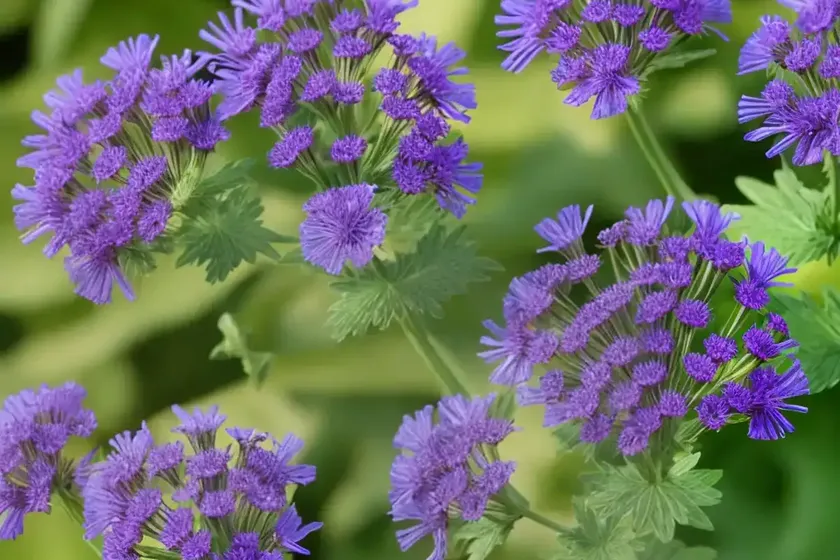
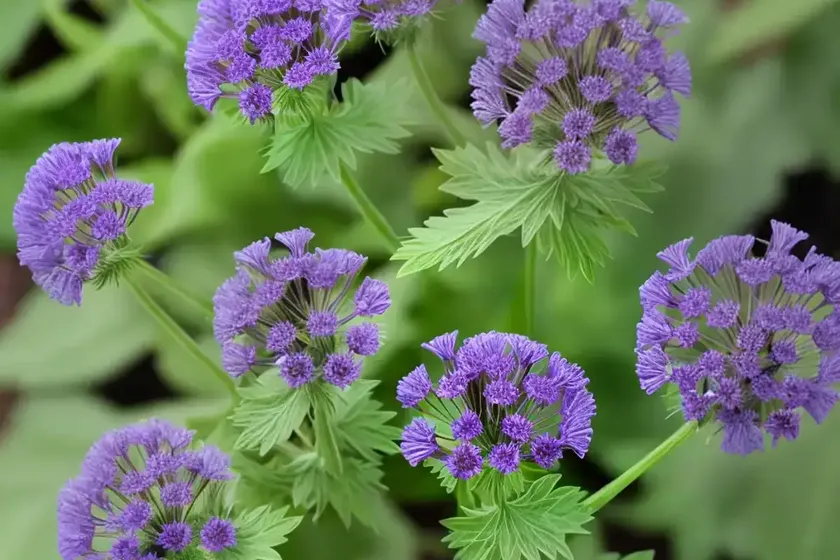
As a plant scientist with a passion for biodiversity and sustainable gardening, I am thrilled to explore the fascinating world of Phacelia bipinnatifida, commonly known as Fernleaf Phacelia. This beautiful plant belongs to the Boraginaceae family and is native to diverse habitats in North America. Its unique characteristics, low maintenance requirements, and ecological benefits make it a valuable addition to both native landscapes and cultivated gardens.
In this comprehensive guide, we will delve into the various aspects of Phacelia bipinnatifida – from its cultural requirements to its role as a wildlife attractant and its ecological significance. By the end of this journey, you will gain a deep understanding of how to grow, care for, and appreciate the Fernleaf Phacelia, and you will be inspired to incorporate this remarkable plant into your own gardening endeavors.
What is Phacelia bipinnatifida (Fernleaf Phacelia)?
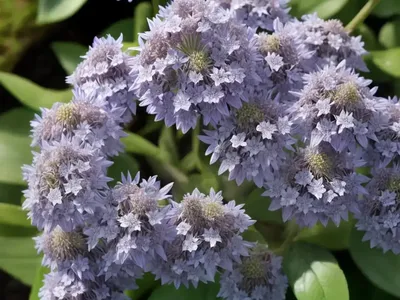
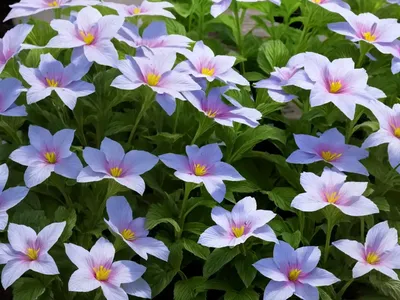
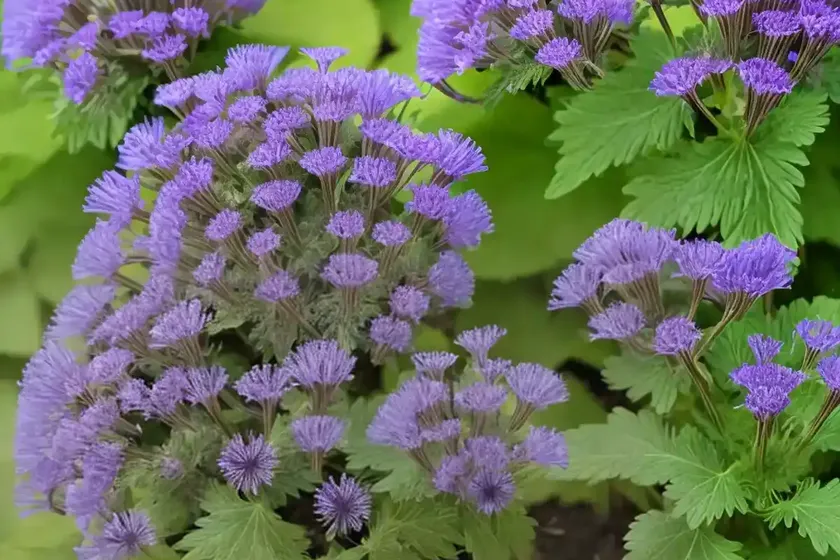
Phacelia bipinnatifida is a herbaceous annual plant with delicate, fern-like foliage, and clusters of lavender to purple star-shaped flowers. Its distinctive appearance and its ability to thrive in various environments have made it a favorite among gardeners, conservationists, and advocates for pollinator-friendly landscaping.
Key Takeaways – Phacelia bipinnatifida (Fernleaf Phacelia)
- Botanical Name: Phacelia bipinnatifida
- Common Name: Fernleaf Phacelia
- Family: Boraginaceae
- Native Range: North America
- Plant Type: Annual
- Flower Color: Lavender to Purple
- Foliage: Fine, Fern-like
- Attracts: Bees, Butterflies, and Other Pollinators
- Ecological Benefits: Soil Improvement, Pollinator Support
Now, let’s dive deeper into the various aspects of Phacelia bipinnatifida, exploring its cultural requirements, uses, and importance in sustainable gardening practices.
Culture
Uses
Phacelia bipinnatifida serves a multitude of purposes, ranging from its value as an ornamental plant to its significant role in ecological restoration and sustainable agriculture.
-
Ornamental Value: In garden settings, the striking appearance of Fernleaf Phacelia makes it a popular choice for borders, meadows, and wildflower gardens. Its delicate flowers and lacy foliage create an enchanting display, especially when planted in mass or allowed to naturalize in appropriate landscapes.
-
Soil Improvement: As a member of the borage family, Phacelia bipinnatifida possesses the characteristic of being a dynamic accumulator. Its deep taproot system aids in breaking up compacted soils and scavenging nutrients from deeper layers, thus enhancing soil structure and fertility.
-
Pollinator Support: The nectar-rich flowers of Fernleaf Phacelia attract a diverse array of pollinators, including bees, butterflies, and beneficial insects. By planting this species, gardeners actively contribute to the preservation of native pollinator populations and the broader ecosystem.
Water
Phacelia bipinnatifida exhibits moderate water requirements and is well-adapted to a range of soil moisture levels. While it can tolerate brief periods of drought once established, consistent moisture is beneficial for optimal growth and flowering. When cultivating Fernleaf Phacelia, it is essential to monitor soil moisture and provide supplemental irrigation during prolonged dry spells, particularly in sandy or well-draining soils.
Sunlight
Fernleaf Phacelia thrives in full sun to partial shade, demonstrating its adaptability to varied light conditions. When situated in full sun, it tends to produce more prolific blooms, resulting in a striking visual impact. However, it can also succeed in partially shaded areas, making it a versatile choice for diverse garden settings.
Fertilizer
Phacelia bipinnatifida generally thrives in nutrient-rich soils and typically does not require additional fertilization under favorable growing conditions. However, in soils with low fertility, incorporating organic matter or a balanced, slow-release fertilizer during planting can promote healthy growth and abundant flowering. Care should be taken to avoid excessive nitrogen, as it can lead to lush foliage at the expense of flower production.
Soil
The ideal growing medium for Fernleaf Phacelia is well-draining, loamy soil with a neutral to slightly acidic pH. It can adapt to a range of soil textures, including sandy and clayey soils, provided that adequate drainage is ensured. Prior to planting, amending the soil with organic matter, such as compost or aged manure, can enhance its water retention capacity and overall quality, creating a hospitable environment for this species.
Pruning
Minimal pruning is required for Phacelia bipinnatifida in garden settings. Deadheading spent flowers can prolong the blooming period and encourage continuous flowering. Additionally, removing any yellowing or damaged foliage can contribute to the plant’s overall appearance and vitality. However, overall, Fernleaf Phacelia is low-maintenance in terms of pruning, making it an attractive option for both novice and experienced gardeners.
Propagation
Phacelia bipinnatifida can be propagated from seeds, making it a relatively easy and cost-effective process. The seeds can be sown directly into prepared garden beds or containers after the last frost date, as the plant is sensitive to frost. It is important to lightly cover the seeds with soil and keep them consistently moist until germination occurs. Once established, Fernleaf Phacelia may self-sow, resulting in volunteer seedlings in subsequent growing seasons.
Container Popularity
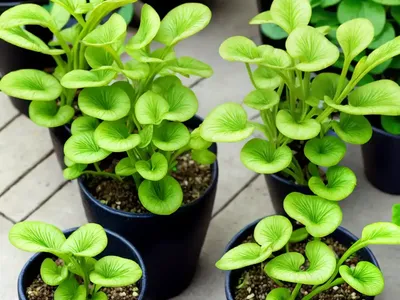
While Phacelia bipinnatifida is often grown in traditional garden beds and naturalized areas, it also exhibits potential for container gardening. Its compact size, attractive foliage, and prolific flowers make it a charming addition to patio planters, window boxes, and other container arrangements. By incorporating this species into container gardens, individuals can enjoy its beauty in smaller spaces while supporting pollinator populations.
Common Diseases
Fernleaf Phacelia is generally resistant to most common plant diseases. However, it may face issues such as:
-
Powdery Mildew: In conditions of high humidity and poor air circulation, Phacelia bipinnatifida may become susceptible to powdery mildew, characterized by a white, powdery growth on the foliage. Ensuring adequate spacing between plants and providing good air circulation can help prevent this fungal disease.
-
Root Rot: Overly wet or poorly-drained soils can lead to root rot in Fernleaf Phacelia. To mitigate this risk, it is crucial to maintain well-draining soil conditions and avoid overwatering, particularly in heavy or compacted soils.
Disease Diagnosis
When monitoring the health of Phacelia bipinnatifida, careful observation of its foliage, stems, and overall vigor can reveal signs of potential diseases. Early symptoms, such as yellowing, wilting, or the presence of unusual growths, should be promptly investigated to determine the cause and appropriate course of action. Consulting with local extension services or plant health experts can provide valuable insights into disease diagnosis and management specific to the region.
Common Pests
Fernleaf Phacelia is relatively resistant to pest attacks, owing to its natural resilience and minimal susceptibility to common garden pests. However, it may encounter occasional challenges from the following:
-
Aphids: These small, soft-bodied insects may infest the tender growth of Phacelia bipinnatifida, particularly during periods of rapid growth. Regular monitoring and the use of insecticidal soaps or natural predators can help control aphid populations without the need for harsh chemical interventions.
-
Spider Mites: Under hot and dry conditions, spider mites may appear on the undersides of Fernleaf Phacelia’s leaves, causing stippling and discoloration. Employing measures such as increasing humidity and utilizing natural predators can aid in managing spider mite infestations.
Botanist’s Tips
As a plant enthusiast and advocate for biodiversity, I am excited to share some valuable tips for cultivating and appreciating Phacelia bipinnatifida:
-
Companion Planting: Pair Fernleaf Phacelia with complimentary species that share similar cultural requirements and support pollinators and beneficial insects. Examples include native wildflowers, such as Coreopsis and Gaillardia, and herbs like Lavender and Rosemary.
-
Sustainable Landscaping: Integrate Phacelia bipinnatifida into sustainable landscaping initiatives, such as rain gardens, butterfly meadows, and eco-friendly landscaping projects. Its ecological benefits make it an asset in efforts to create resilient, biodiverse landscapes.
-
Seed Saving: Consider collecting seeds from mature Phacelia bipinnatifida plants to support seed saving initiatives and to share with local gardening communities. This practice can contribute to the preservation of native plant genetics and enhance access to regionally adapted seeds.
-
Educational Outreach: Utilize Fernleaf Phacelia as an educational tool in schools, community gardens, and nature centers to raise awareness about native plants, pollinator conservation, and the importance of sustainable gardening practices.
Fun Facts
-
Medicinal History: In traditional herbal medicine, some indigenous cultures utilized Phacelia bipinnatifida for its purported medicinal properties, including as a treatment for respiratory ailments and skin conditions.
-
Ecological Significance: Fernleaf Phacelia plays a vital role in supporting native pollinator populations, contributing to the resilience of ecosystems and the productivity of agricultural landscapes.
-
Symbiotic Relationships: The flowers of Phacelia bipinnatifida hold nectar and pollen that serve as essential food sources for bees, butterflies, and other pollinators, highlighting its value within complex ecological networks.
Links to External Resources
For further exploration of Phacelia bipinnatifida and related topics, I recommend the following resources:
- Lady Bird Johnson Wildflower Center – Phacelia bipinnatifida
- USDA Plants Database – Phacelia bipinnatifida
- Xerces Society for Invertebrate Conservation – Pollinator Plants Northeast Region
In conclusion, Phacelia bipinnatifida (Fernleaf Phacelia) stands as a captivating example of a native plant with myriad benefits for both cultivated landscapes and natural ecosystems. By learning about its characteristics, cultural requirements, and ecological contributions, individuals can embrace the potential of this species to enrich their gardens, support pollinators, and foster a deeper connection with the natural world.
Whether you are a seasoned gardener, a conservation enthusiast, or simply someone who appreciates the beauty and resilience of native plants, incorporating Phacelia bipinnatifida into your gardening endeavors can be a rewarding and impactful choice. I hope this guide inspires you to explore the wonders of Fernleaf Phacelia and encourages you to join the movement towards sustainable, pollinator-friendly, and biodiverse landscapes.
Note: The information presented in this guide is based on the knowledge and expertise of the author as a plant scientist. It is important to consult local gardening resources and experts for region-specific recommendations and practices.