Peyote (Lophophora Williamsii)
Peyote (Lophophora williamsii) is a small, spineless cactus native to North America. It has a long history of traditional use for its psychoactive.
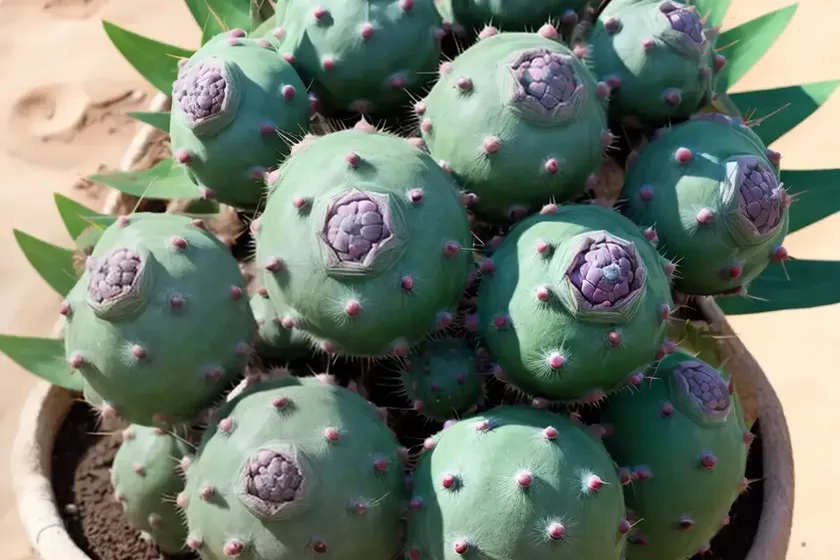
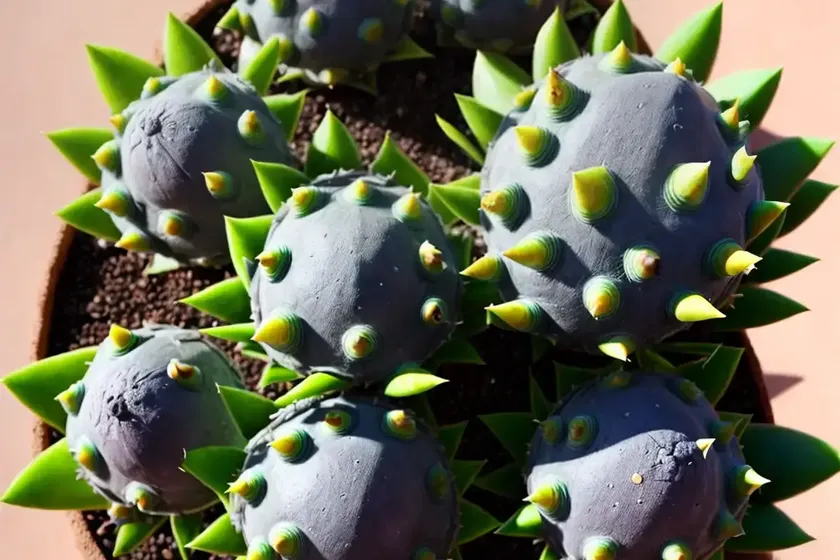
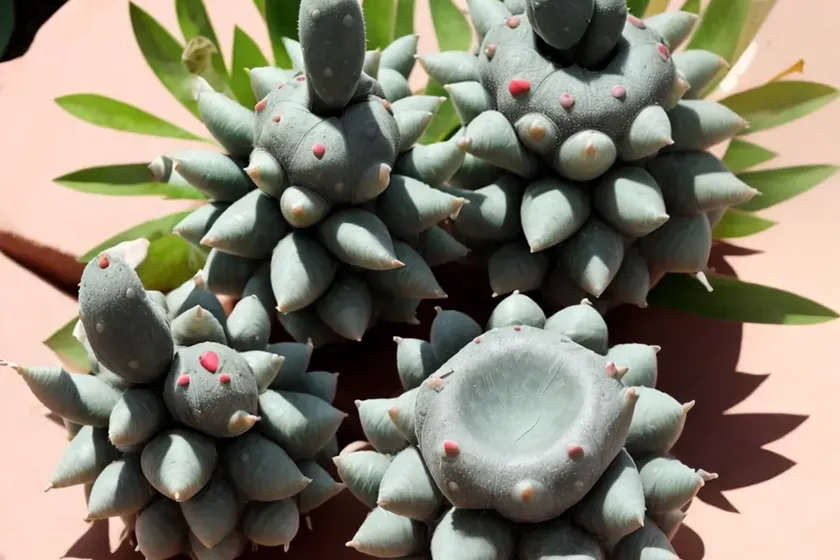
Peyote (Lophophora williamsii) is a small, spineless cactus native to North America. It has a long history of traditional use for its psychoactive properties, medicinal benefits, and cultural significance. In this comprehensive guide, we will explore the fascinating world of Peyote, from its botany and habitat to its cultural uses and conservation efforts. Whether you are a plant enthusiast, a botanist, or simply curious about this unique cactus, this article will provide valuable insights into the Peyote plant.
What is Peyote?
Botanical Description
Peyote, scientifically known as Lophophora williamsii, belongs to the Cactaceae family and is characterized by its small, button-shaped stems and distinctive crown of tufted, white, or pinkish flowers. The plant is low-growing, with a flattened, ribbed, and spineless green body, typically reaching a height of 2-7 centimeters. It is primarily found in the Chihuahuan Desert of southern Texas and northern Mexico.
Key Takeaways – Peyote (Lophophora williamsii)
Peyote (Lophophora williamsii) is a culturally, medicinally, and spiritually significant plant known for its psychoactive properties and traditional uses in indigenous rituals. Below are the key takeaways about this unique cactus:
- Peyote has been traditionally used for its psychoactive properties in indigenous ceremonies and spiritual rituals.
- The plant has a rich history of traditional medicinal uses for treating various ailments.
- Peyote is a symbol of cultural and spiritual significance, particularly among Native American tribes.
- The conservation status of Peyote is a growing concern due to habitat loss and overharvesting.
- The legal status of Peyote is subject to regulations and restrictions, particularly regarding its psychoactive and medicinal uses.
Botanical Classification and Taxonomy
The Peyote cactus belongs to the following taxonomic classification:
- Kingdom: Plantae
- Order: Caryophyllales
- Family: Cactaceae
- Genus: Lophophora
- Species: L. williamsii
Morphology and Anatomy
The Lophophora williamsii plant is characterized by the following morphological features:
- Small, button-shaped stems with a flattened, ribbed appearance
- Lack of spines or thorns, making it unique among cacti
- Dense tufts of pinkish or white flowers with multiple petals
- Shallow root system adapted to arid desert environments
Distribution and Habitat
Peyote is native to the Chihuahuan Desert, primarily in the regions of southern Texas and northern Mexico. It thrives in arid and semi-arid habitats with well-drained sandy or gravelly soils. The plant is well-adapted to these harsh conditions, with its ability to store water in its fleshy tissues and withstand high levels of sunlight.
Conservation Status
The conservation status of Peyote is a growing concern due to factors such as habitat destruction, overharvesting, and illegal poaching. Efforts to protect and conserve Peyote populations are crucial for ensuring the plant’s long-term survival and maintaining its ecological balance in its natural habitat.
Water
Peyote is well-adapted to dry, arid environments and is highly drought-tolerant. When grown in cultivation, it is essential to mimic its natural habitat by providing well-draining soil and exercising caution with watering. Overwatering can lead to root rot and other moisture-related issues. A general guideline is to water the plant sparingly and only when the soil has completely dried out.
Sunlight
As a desert-dwelling plant, Peyote thrives in full sunlight and requires at least 6-8 hours of direct sunlight per day. When grown indoors, it is crucial to place the plant in a bright, sunny location such as a south-facing window to ensure adequate light exposure. Insufficient light can lead to elongation of the stems and a weakened, etiolated appearance.
Soil
The ideal soil mix for Peyote should be well-draining and sandy, mimicking its natural habitat in desert environments. A combination of cactus or succulent potting mix with added perlite or coarse sand can provide the necessary drainage while retaining some moisture for the plant’s roots.
Fertilizer
Peyote is a low-maintenance plant and typically does not require regular fertilization. During the growing season in spring and summer, a diluted, balanced cactus fertilizer can be applied at half-strength to provide some nutrients. However, it is essential to avoid excessive fertilization, as this can lead to adverse effects on the plant’s health.
Pruning
Peyote generally requires minimal pruning, as its compact, spherical shape is part of its natural appeal. However, removing any dead or damaged stems or flowers can help maintain the plant’s overall health and aesthetic appeal.
Propagation
Peyote can be propagated from seeds or offsets, which are small, new growths that emerge from the base of the main plant. When propagating from seeds, it is important to use well-draining soil and provide the appropriate warmth and moisture conditions for germination. Offsets can be carefully separated from the parent plant and rooted in a suitable growing medium.
Container Cultivation
When growing Peyote in containers, it is crucial to choose a pot with adequate drainage holes to prevent waterlogged soil. Select a shallow, wide container to accommodate the plant’s shallow root system and provide stability for the low-growing stems. Additionally, a terracotta or clay pot can help wick away excess moisture and provide a more stable environment for the plant.
Traditional and Cultural Significance
Peyote holds deep cultural and spiritual significance for various indigenous tribes, particularly in the southwestern United States and northern Mexico. It has been used in traditional ceremonies and rituals, often as a means of achieving altered states of consciousness and spiritual connection. The plant is considered sacred and plays a central role in the religious practices of certain Native American communities.
Medicinal Properties
Peyote has a long history of traditional medicinal uses, with indigenous cultures using it to treat various ailments such as fever, arthritis, and toothache. The plant contains psychoactive compounds, including mescaline, which is known for its mind-altering effects. However, it is essential to note that the medicinal uses of Peyote are subject to legal restrictions in many regions.
Psychoactive Properties
The psychoactive effects of Peyote are primarily attributed to the presence of mescaline, a naturally occurring alkaloid with hallucinogenic properties. When consumed, mescaline induces altered states of consciousness, visual hallucinations, and sensory distortions. These effects have been historically utilized in religious and spiritual contexts for introspection and transcendental experiences.
Modern and Ethnobotanical Applications
Beyond its traditional uses, Peyote has garnered scientific interest for its potential therapeutic applications. Research into the medicinal properties of mescaline and other components of the plant has explored their potential in treating conditions such as depression, anxiety, and substance use disorders. However, ethical and legal considerations surrounding its use remain complex and subject to regulation.
Endangered Status
Peyote faces growing challenges related to habitat loss, overexploitation, and climate change, all of which contribute to its status as an endangered species in certain regions. The increasing demand for Peyote, coupled with unsustainable harvesting practices, poses a significant threat to its long-term survival in the wild.
Legal Considerations
The legal status of Peyote varies across different jurisdictions and is influenced by cultural, religious, and conservation concerns. In many areas, the harvesting, possession, and consumption of Peyote are subject to regulations aimed at preserving its populations and respecting its cultural significance. Efforts to balance legal considerations with cultural and spiritual traditions are ongoing, reflecting the complex interplay of botanical, legal, and cultural perspectives.
Disease Diagnosis
Peyote is generally resistant to many pests and diseases due to its natural adaptation to harsh desert environments. However, it can be susceptible to issues such as root rot, caused by overwatering, and fungal infections in overly moist conditions. Monitoring the plant for signs of discoloration, wilting, or unusual spots can help identify and address potential disease issues promptly.
Common Pests
Under favorable conditions, Peyote may attract certain pests such as mealybugs, aphids, and spider mites. These pests can cause damage to the plant by feeding on its tissues and sap. Regular inspection of the plant and prompt intervention with natural or targeted pest control methods can help mitigate pest-related issues and protect the health of the plant.
- Provide well-draining soil and ensure minimal moisture to mimic its natural arid habitat.
- Place the plant in a sunny location for optimal growth and flowering.
- Avoid overfertilization and excessive watering to prevent stress on the plant.
- Monitor the plant for signs of disease, pests, or environmental stress and take appropriate action.
- The term “Peyote” is derived from the Nahuatl word “peyōtl,” which refers to the cactus and its psychoactive properties.
- Peyote has been used for centuries in traditional indigenous ceremonies, demonstrating its enduring cultural significance.
- The psychoactive compound mescaline, found in Peyote, has inspired artistic and literary works and influenced cultural perceptions of altered states of consciousness.
For additional information about Peyote, its uses, and conservation efforts, explore the following resources:
- The Peyote Foundation: A non-profit organization dedicated to the conservation and sustainable use of Peyote and other sacred plants.
- Botanical Society of America: An educational resource for botanical knowledge and research, featuring information about Peyote and other plant species.
- Rainforest Trust: Learn about conservation initiatives and efforts to protect endangered plant species, including Peyote.
In conclusion, Peyote (Lophophora williamsii) embodies a rich tapestry of cultural, botanical, and medicinal significance. Its history as a revered plant in traditional ceremonies and its potential therapeutic applications underscore the multidimensional nature of its existence. As we continue to explore and appreciate the intricate relationships between plants and human societies, the conservation and responsible stewardship of Peyote remain critical for preserving its natural heritage and cultural legacy.