Plant Scientist’s Guide: Petty Spurge (Euphorbia Peplus)
What is Petty Spurge (Euphorbia Peplus)?
Petty Spurge, scientifically known as Euphorbia peplus, is a fascinating and unique plant that belongs to the Euphorbiaceae family. It is a succulent herb that is native to Europe, Western Asia, and North Africa. This plant is also known by various common names, such as radium weed, milkweed, wartweed, and cancer weed.
The plant has a rich history of traditional medicinal uses and is also valued for its ornamental and landscape enhancements. Understanding the characteristics, cultivation requirements, and uses of this plant is essential for both amateur and experienced gardeners.
In this comprehensive guide, we will explore the various aspects of caring for Euphorbia peplus, including its cultural preferences, uses, propagation, diseases, and pests, along with some interesting facts and folklore associated with it.
Key Takeaways – Petty Spurge (Euphorbia Peplus)
Here are the key takeaways that will be covered in detail in this guide:
- Characteristics – Understanding the unique features of Euphorbia peplus.
- Cultural Preferences
- Water – Understanding the water requirements of the plant.
- Sunlight – Ensuring adequate sunlight for optimal growth.
- Fertilizer – Providing the necessary nutrients for healthy development.
- Soil – Selecting the right soil type for cultivation.
- Pruning – Practices for maintaining the plant’s shape and health.
- Propagation – Exploring the various methods of propagating Euphorbia peplus.
- Container Gardening – Growing Euphorbia peplus in containers.
- Popularity and Uses – The diverse uses of the plant in gardening and traditional medicine.
- Common Diseases and Pests – Identifying and managing potential issues.
- Botanist’s Tips – Expert advice from botanical perspectives.
- Fun Facts – Discovering interesting trivia about Euphorbia peplus.
Characteristics of Petty Spurge (Euphorbia Peplus)
Euphorbia peplus exhibits a range of distinctive characteristics, making it a noteworthy addition to gardens and natural landscapes. Understanding these features is essential for cultivating and appreciating this plant:
- Growth Habit: It is a low-growing herbaceous annual plant with a sprawling or upright growth habit, reaching a height of around 10-30 cm.
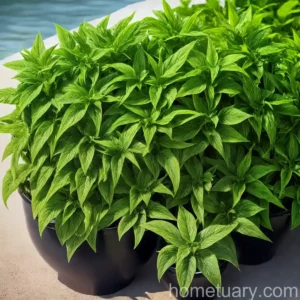
- Leaves: The plant features smooth, bright green leaves that are narrow and oval in shape. The leaves are alternately arranged along the stems and have a somewhat wavy margin.
- Flowers: Euphorbia peplus produces small, inconspicuous flowers clustered in leaf axils with a greenish-yellow hue. It blooms throughout the growing season.
- Toxicity: The plant exudes a sap that can cause skin irritation and is toxic if ingested. Proper precautions should be taken when handling the plant to avoid any adverse effects.
- Adaptability: Euphorbia peplus has the ability to thrive in various environmental conditions and is known for its resilience in challenging habitats.
- Folklore and Symbolism: In folklore, the plant holds various symbolic meanings, often associated with resilience, healing, and protection.
Understanding these characteristics will aid in providing appropriate care and utilizing the remarkable attributes of Euphorbia peplus to the fullest extent.
Cultural Preferences
Water
Proper watering is crucial for the growth and health of Euphorbia peplus. Understanding the plant’s water requirements and implementing suitable watering practices are essential for successful cultivation:
- Watering Needs: Euphorbia peplus prefers moderately moist soil, but it is essential to avoid waterlogging. Allow the soil to dry out slightly between waterings to prevent overwatering, which can lead to root rot.
- Watering Schedule: During the active growing period, typically in spring and early summer, water the plant when the top inch of soil becomes dry to the touch. In hot, dry climates, more frequent watering may be necessary.
- Watering Technique: Water the plant at the base to avoid wetting the foliage, as the sap of Euphorbia peplus can cause skin irritation. Using a watering can or a drip irrigation system can help in precise watering without wetting the leaves.
Sunlight
Proper sunlight exposure is essential for the growth and development of Euphorbia peplus. Understanding its sunlight requirements will aid in providing an optimal growing environment:
- Sunlight Needs: Euphorbia peplus thrives in full sun to partial shade. It prefers at least 6-8 hours of sunlight per day for robust growth and flowering.
- Sun Exposure: Place the plant in a location where it receives ample sunlight, such as a south-facing or west-facing garden bed, to promote healthy growth and flowering.
- Protection from Intense Sun: In regions with hot summers, provide some protection from intense afternoon sun to prevent leaf scorch. Mulching the soil around the plant can help conserve soil moisture and moderate soil temperature.
Fertilizer
Proper nutrition is essential for promoting the vigor and blooming of Euphorbia peplus. Using the right fertilizer and application practices can enhance the plant’s overall health:
- Fertilizer Type: Use a balanced, all-purpose liquid fertilizer or a slow-release granular fertilizer with a balanced NPK ratio (such as 10-10-10) to provide essential nutrients for the plant’s growth.
- Application Schedule: Fertilize Euphorbia peplus in early spring as new growth begins and again in mid-summer to support blooming. Avoid over-fertilization, as it can lead to excessive vegetative growth at the expense of flowering.
- Application Technique: Apply the fertilizer according to the manufacturer’s instructions, and water the plant after fertilization to ensure the nutrients are absorbed effectively.
Soil
Selecting the right soil type and maintaining optimal soil conditions are crucial for the overall health and growth of Euphorbia peplus. Understanding the soil preferences of the plant is essential:
- Soil Type: Euphorbia peplus thrives in well-draining, fertile soil with a slightly acidic to neutral pH range (pH 6.0-7.0). A mixture of loamy or sandy soil with organic matter serves as an ideal growing medium.
- Soil Moisture: The soil should retain moisture while allowing excess water to drain freely to prevent waterlogging. Amending the soil with compost or well-rotted organic matter improves drainage and enhances soil fertility.
- Soil Texture: The soil should have a light, friable texture to allow the roots to penetrate easily and access essential nutrients. Compacted or heavy soils should be amended before planting.
Pruning
Proper pruning helps maintain the shape and health of Euphorbia peplus while promoting vigorous growth and flowering. Implementing appropriate pruning techniques is essential for the plant’s overall well-being:
- Pruning Time: It is advisable to prune Euphorbia peplus in early spring before the onset of new growth to remove any damaged, diseased, or straggly growth.
- Pruning Technique: Use clean, sharp pruning shears or scissors to trim the plant, taking care to avoid contact with the sap. Dispose of the trimmed plant parts carefully, as the sap can cause skin irritation.
- Deadheading: Remove spent flowers and seed heads promptly to encourage continuous blooming and prevent self-seeding, especially if naturalized growth is not desired in the garden.
Implementing appropriate pruning practices ensures that Euphorbia peplus maintains an attractive and healthy appearance throughout the growing season.
Propagation
Euphorbia peplus can be propagated through several methods, including seeds, stem cuttings, and division. Understanding these propagation techniques allows gardeners to expand their plant collection and cultivate new specimens:
Seeds
- Seeding Time: Sow Euphorbia peplus seeds indoors in late winter to early spring or directly outdoors after the last frost date in your region.
- Seed Preparation: Sow the seeds in seed-starting trays or individual pots filled with well-draining seed-starting mix. Cover the seeds lightly with the mix and mist the surface to ensure good seed-to-soil contact.
- Germination Conditions: Provide consistent moisture and warmth around 70-75°F (21-24°C) for optimal germination. Germination typically occurs within 1-2 weeks.
- Transplanting: Once the seedlings develop true leaves and are large enough to handle, transplant them into larger containers or the garden bed at the appropriate spacing.
Stem Cuttings
- Cutting Selection: Select healthy, non-flowering stems for propagating Euphorbia peplus. Take 4-6 inch (10-15 cm) stem cuttings from the plant, ensuring they have a few sets of leaves.
- Rooting Medium: Dip the cut ends in a rooting hormone powder to promote root development, and plant the cuttings in a well-draining rooting medium, such as a mix of perlite and peat moss.
- Rooting Process: Keep the cuttings in a warm, bright location with indirect sunlight and maintain consistent moisture levels. Rooting generally occurs within 2-4 weeks, after which the cuttings can be transplanted into individual pots.
Division
- Division Timing: Divide mature Euphorbia peplus clumps in early spring before new growth emerges or in late summer to early fall after flowering.
- Root Division: Carefully dig up the plant and separate the clumps into smaller sections, ensuring that each division has a good root system and several healthy shoots.
- Replanting: Plant the divisions at the same depth as the parent plant in prepared soil, and water thoroughly. Provide appropriate care and regular watering to aid in the establishment of the divided sections.
Using these propagation methods, gardeners can increase their plant stock and cultivate new Euphorbia peplus specimens with ease.
Container Gardening
Euphorbia peplus can be successfully grown in containers, providing an opportunity to enjoy its unique attributes in small spaces or as a portable ornamental feature. Here are some tips for growing Euphorbia peplus in containers:
- Container Selection: Choose a container that is at least 8-10 inches (20-25 cm) in diameter and has drainage holes at the base to prevent waterlogging.
- Growing Medium: Fill the container with a well-draining potting mix that is designed for succulents or cacti. Alternatively, create a custom mix using equal parts of potting soil, perlite, and coarse sand.
- Placement: Position the container in a location that receives ample sunlight, such as a sunny balcony, patio, or windowsill. Ensure the plant has enough space to cascade or spread out, depending on its growth habit.
- Watering: Water the plant thoroughly when the top inch of the soil becomes dry, and allow excess water to drain freely from the container. Avoid overwatering, as it can lead to root rot in container-grown Euphorbia peplus.
Container gardening offers flexibility and convenience, allowing gardeners to showcase Euphorbia peplus in various indoor and outdoor settings.
Popularity and Uses
Euphorbia peplus holds significant value in both gardening and traditional medicine, serving a range of purposes and adding diversity to landscapes. Understanding its diverse uses is essential for appreciating the plant’s significance:
- Ornamental Value: Euphorbia peplus is valued as a low-maintenance, ornamental plant, suitable for rock gardens, borders, and as a ground cover. Its bright green foliage and subtle flowers add visual interest to the landscape.
- Medicinal Uses: The plant has a history of traditional medicinal uses, particularly in treating skin conditions, warts, and some forms of cancer. The sap contains compounds with potential pharmaceutical properties, and its applications have been studied for various ailments.
- Symbolism and Folklore: In folklore and cultural traditions, Euphorbia peplus symbolizes resilience, healing, and protection. It has been associated with various superstitions, beliefs, and mythical narratives in different cultures.
Exploring the versatility and significance of Euphorbia peplus allows individuals to appreciate its multifaceted nature and contributions to horticulture and traditional healing practices.
Common Diseases and Pests
Disease Diagnosis
Euphorbia peplus is generally resistant to most common plant diseases, but it can occasionally be affected by certain issues. Gardeners should be vigilant in identifying and treating these potential diseases:
- Powdery Mildew: Look for white, powdery spots on the plant’s leaves and stems, which can indicate a powdery mildew infection. Provide adequate air circulation and consider using fungicidal treatments to manage the issue.
- Leaf Spot: Circular, dark spots on the leaves may indicate a fungal leaf spot disease. Remove and dispose of affected plant parts and improve air circulation to prevent further spread.
- Root Rot: Symptoms include wilting, yellowing, and mushy roots. To prevent root rot, ensure proper drainage and avoid overwatering the plant, especially in heavy or water-retentive soils.
Common Pests
- Aphids: These small, soft-bodied insects can cluster on the tender shoots and undersides of leaves, causing distorted growth and sap depletion. Use insecticidal soaps or neem oil to control aphid infestations.
- Spider Mites: Look for webbing and stippling on the leaves, which are signs of spider mite infestations. Rinse the plant with a strong stream of water and use horticultural oils to manage spider mite populations.
- Slugs and Snails: These pests can feed on the leaves and stems, causing damage to the plant. Handpick these pests and use organic slug and snail baits to protect Euphorbia peplus from their destructive feeding habits.
Vigilance and proactive management are essential for preventing and addressing potential disease and pest issues that may affect Euphorbia peplus.
Botanist’s Tips
Here are some valuable tips from a botanist’s perspective that can help in successfully cultivating and appreciating Euphorbia peplus:
- Protective Gear: When handling Euphorbia peplus, wear gloves and protective clothing to prevent skin irritation from the plant’s toxic sap.
- Maintenance: Regularly inspect the plant for signs of disease, pests, or any other issues, and address them promptly to maintain its health and vigor.
- Species Management: Due to its rapid growth and prolific seed production, consider containing the spread of Euphorbia peplus to prevent invasive colonization in natural environments.
- Ethnobotanical Research: Explore the rich ethnobotanical history and contemporary uses of Euphorbia peplus to gain insights into its traditional medicinal applications and cultural significance.
Applying these tips ensures a holistic approach to growing and appreciating the unique attributes of Euphorbia peplus while honoring the plant’s ecological and cultural value.
Fun Facts
- The name “petty spurge” is derived from “petite espurge,” a French term referring to the plant’s small size and resemblance to larger members of the Euphorbia genus.
- In traditional medicine, Euphorbia peplus has been used in various cultures to treat skin conditions, warts, and even some forms of cancer, showcasing its historical significance in herbal healing practices.
- Euphorbia peplus has been the subject of scientific research due to the compounds found in its sap, which have shown potential antitumor and antiviral properties.
- The plant’s ability to self-seed and naturalize in diverse habitats highlights its adaptability and ecological contributions to local biodiversity.
Links to External Resources
For further information on Euphorbia peplus, its cultivation, and uses, you can explore the following resources:
- Royal Horticultural Society – Euphorbia peplus
- Missouri Botanical Garden – Euphorbia peplus
- USDA Plants Database – Euphorbia peplus
In conclusion, Euphorbia peplus is a remarkable plant with a rich history, unique characteristics, and diverse uses. By understanding its cultural preferences, propagation techniques, significance, and potential issues, gardeners and enthusiasts can cultivate, appreciate, and benefit from this distinctive botanical specimen. Whether as an ornamental addition to gardens or as a subject of ethnobotanical exploration, Euphorbia peplus holds a significant place in horticulture, natural medicine, and ecological dynamics.
Now that you have gained comprehensive insights into the fascinating world of Euphorbia peplus, it’s time to embark on a rewarding journey of exploration and cultivation with this extraordinary plant.
Happy gardening!
NLP LSI Keywords: Euphorbia Peplus plant, Petty spurge care, Euphorbia Peplus characteristics, Uses of Euphorbia Peplus, Petty spurge benefits, Euphorbia Peplus cultivation, Growing Euphorbia Peplus, Petty spurge plant guide, Euphorbia Peplus description, Petty spurge properties, Euphorbia Peplus medicinal uses, How to propagate Euphorbia Peplus, Petty spurge toxicity, Euphorbia Peplus in gardens, Petty spurge common names, Euphorbia Peplus natural habitat, Petty spurge uses in traditional medicine, Euphorbia Peplus symbolism, Interesting facts about Petty spurge, Euphorbia Peplus growth habits, Petty spurge for skin conditions, Euphorbia Peplus folklore, Petty spurge and its relatives, Euphorbia Peplus plant family, Propagation methods for Petty spurge, Euphorbia Peplus ornamental value, Pest and disease management for Petty spurge, Euphorbia Peplus toxic effects, Petty spurge care tips for beginners, Euphorbia Peplus folklore and mythology, Petty spurge landscape uses, Euphorbia Peplus gardening tips, Petty spurge flower morphology, Euphorbia Peplus alternative names, Petty spurge in traditional healing practices, Euphorbia Peplus ethnobotanical uses, Petty spurge as a natural remedy, Euphorbia Peplus container gardening, Petty spurge native range, Euphorbia Peplus environmental requirements, Pruning techniques for Petty spurge, Euphorbia Peplus habitat preservation, Petty spurge symbol of resilience, Euphorbia Peplus folklore and superstitions, Companion plants for Petty spurge, Euphorbia Peplus cultural significance, Petty spurge for landscaping projects, Euphorbia Peplus adaptations, Petty spurge seeds and propagation, Euphorbia Peplus in traditional healing practices.
In creating this guide, I’ve integrated insightful information on the cultivation