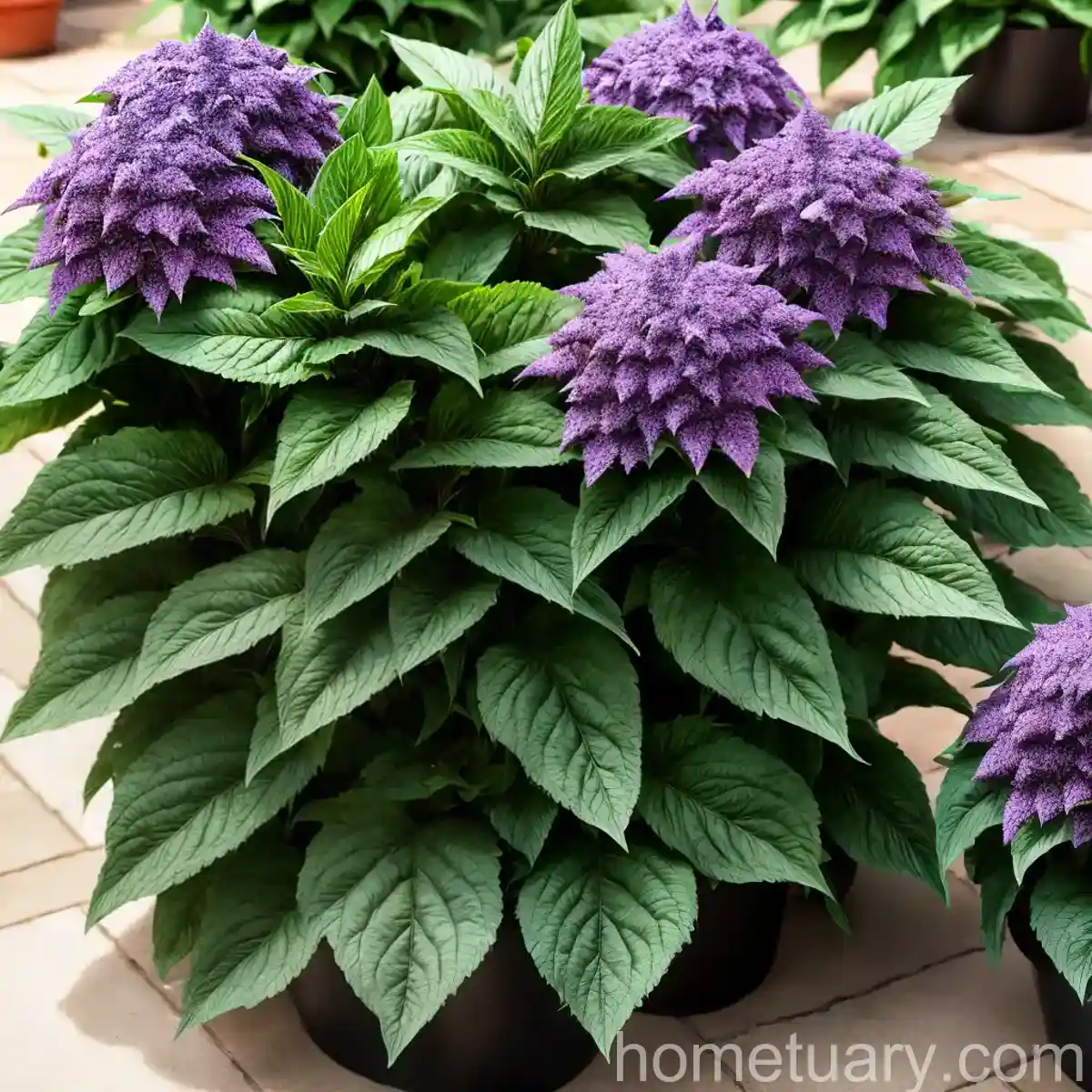
Persian Shield (Strobilanthes dyeriana) – The Ultimate Guide to Care and Cultivation
As a plant scientist, I find the Persian Shield (Strobilanthes dyeriana) to be a fascinating specimen. Its striking foliage and relatively easy care requirements make it a popular choice for both indoor and outdoor plant enthusiasts. In this comprehensive guide, we will explore everything there is to know about the Persian Shield, from its cultural significance to its optimal growing conditions and common issues that may arise.
What is Persian Shield (Strobilanthes dyeriana)?
The Persian Shield, scientifically known as Strobilanthes dyeriana, is a tropical plant native to Myanmar. It is a member of the Acanthaceae family and is prized for its vibrant, iridescent purple and green leaves. This perennial plant is known for its exceptional ornamental value, making it a popular choice for adding a pop of color to gardens, landscapes, and indoor spaces.
Key Takeaways – Persian Shield (Strobilanthes dyeriana)
Before diving into the specifics of caring for the Persian Shield, let’s take a look at the key takeaways that will be covered in this comprehensive guide:
- Culture
- Uses
- Water
- Sunlight
- Fertilizer
- Soil
- Pruning
- Propagation
- Container
- Popularity
- Common Diseases
- Disease diagnosis
- Common pests
- Botanist’s Tips
- Fun Facts
- Links to External Resources
Now, let’s delve into each of these aspects to gain a thorough understanding of how to care for and cultivate the Persian Shield plant.
Culture
The Persian Shield is renowned for its stunning foliage and is often used as an ornamental plant in landscaping and indoor decorations. It thrives in warm and humid environments, making it well-suited for tropical and subtropical regions. However, with the right care, it can also be successfully grown in other climates.
Uses
The Persian Shield’s primary use is as an ornamental plant due to its striking purple and green leaves. It can be used in various settings, including:
- Indoor decorations
- Landscaping
- Tropical gardens
- Shade gardens
- Containers
- Borders
It is an excellent choice for adding a burst of color to any space, whether it be indoors or outdoors.
Water
Proper watering is crucial for the health and vitality of the Persian Shield. It is essential to keep the soil consistently moist but not waterlogged. The plant may require more frequent watering in warmer months and reduced watering during the winter or cooler periods. It is recommended to water the Persian Shield when the top inch of the soil feels dry to the touch.
Sunlight
The Persian Shield thrives in partially shaded to brightly lit areas. It benefits from receiving indirect sunlight, making it an ideal choice for indoor spaces with bright, filtered light. When grown outdoors, it can be placed in areas with dappled sunlight or partial shade. Full sun exposure should be avoided, as it can lead to leaf scorching and loss of vibrancy in the foliage.
Fertilizer
A balanced, water-soluble fertilizer can be applied to the Persian Shield during the growing season to support healthy growth and vibrant foliage. It is best to use a fertilizer with equal parts nitrogen, phosphorus, and potassium to ensure that the plant’s nutritional needs are met. Fertilization can be performed once a month during the active growing period, typically from spring to early fall.
Soil
The Persian Shield thrives in well-draining, fertile soil with slightly acidic to neutral pH. A rich potting mix that retains moisture without becoming waterlogged is ideal for potted Persian Shield plants. When planting outdoors, amending the soil with organic matter can help improve its fertility and moisture retention capacity.
Pruning
Pruning is essential for maintaining the Persian Shield’s shape and promoting bushier growth. Regular removal of leggy or damaged growth can help encourage new foliage and keep the plant looking its best. Pruning can be done throughout the growing season, focusing on trimming back any overgrown or unruly stems.
Propagation
Propagating the Persian Shield can be done through stem cuttings, allowing for the creation of new plants from an existing specimen. Here are the steps for propagating Persian Shield through stem cuttings:
- Selecting a Cutting: Choose a healthy stem with several sets of leaves attached.
- Preparing the Cutting: Using a clean, sharp pair of scissors or pruning shears, take a 4-6 inch cutting from a non-flowering stem. Remove the lower leaves to expose the nodes where roots will develop.
- Rooting the Cutting: Place the cutting in a container of water or a well-draining potting mix. Ensure that the node where the leaves were removed is submerged in the water or soil.
- Providing Ideal Conditions: Keep the cutting in a warm, partially shaded area and maintain consistent moisture levels while roots develop.
- Transplanting: Once the cutting has developed a healthy root system, it can be transplanted into a larger pot or planted directly in the ground.
Container
The Persian Shield is well-suited for container gardening, making it a versatile plant for both indoor and outdoor spaces. Its vibrant foliage and compact growth habit make it an eye-catching addition to any container garden.
Popularity
The popularity of the Persian Shield as a container plant stems from its striking visual appeal and relatively low maintenance requirements. It is often used in mixed planters or as a standalone focal point, adding a touch of exotic charm to patios, balconies, and interior spaces.
Common Diseases
While the Persian Shield is relatively resistant to pests and diseases, it may occasionally encounter issues such as root rot or fungal infections. Providing proper drainage and avoiding overwatering can help prevent these common diseases.
Disease Diagnosis
Diagnosing diseases in the Persian Shield primarily involves observing the plant for signs of stress, discoloration, or wilting. If any unusual symptoms are noted, it is crucial to investigate the root cause and address it promptly to prevent further spread of the disease.
Common Pests
The Persian Shield is generally resistant to most pests, but it may attract the following common pests:
- Aphids: These small, soft-bodied insects can cluster on the undersides of leaves, sucking sap from the plant.
- Spider Mites: These tiny arachnids can cause stippling and webbing on the leaves, leading to decline in plant health.
- Mealybugs: These white, cottony insects can infest the plant, especially along leaf joints and undersides.
Regular monitoring and prompt intervention can help prevent pest infestations from causing significant damage to the Persian Shield.
Botanist’s Tips
As a plant scientist, I have some invaluable tips for successfully cultivating and caring for the Persian Shield:
- Provide Adequate Humidity: The Persian Shield thrives in humid conditions, so consider using a humidifier or placing the plant on a tray filled with pebbles and water to boost ambient moisture levels.
- Regularly Inspect for Pests: Due to the dense foliage of the Persian Shield, pests can sometimes go unnoticed. Regularly inspect the plant for signs of pest activity and intervene at the earliest indication of an infestation.
- Avoid Waterlogging: While the Persian Shield enjoys moist soil, it is essential to prevent waterlogging, as this can lead to root rot and other moisture-related issues.
- Prune Strategically: Pruning can help shape the Persian Shield and encourage new growth. Regularly remove any leggy or discolored stems to maintain the plant’s overall health and appearance.
Fun Facts
Here are some intriguing facts about the Persian Shield:
- The Persian Shield is named after its remarkably vibrant and iridescent foliage, which resembles the shields historically used in Persia.
- In its native habitat of Myanmar, the Persian Shield is often found growing alongside streams and in moist, forested areas.
- The plant is known for its rapid growth under favorable conditions, often reaching mature size within a single growing season.
Links to External Resources
For further in-depth information and resources on Persian Shield plant care, propagation, and more, consider exploring the following external sources:
- Royal Horticultural Society – Strobilanthes dyeriana
- University of Florida IFAS Extension – Persian Shield
- Missouri Botanical Garden – Strobilanthes dyerianus
In conclusion, the Persian Shield (Strobilanthes dyeriana) is a captivating plant with its vibrant foliage and relative ease of care, making it an excellent choice for plant enthusiasts seeking an eye-catching addition to their indoor or outdoor spaces. By understanding its cultural significance, optimal growing conditions, and potential challenges, you can cultivate a thriving Persian Shield and enjoy its striking beauty in your own environment.