Peregrina (Jatropha Integerrima)
Plants have the incredible ability to enhance the aesthetic appeal of any space and bring nature closer to our daily lives. Among the diverse range of.
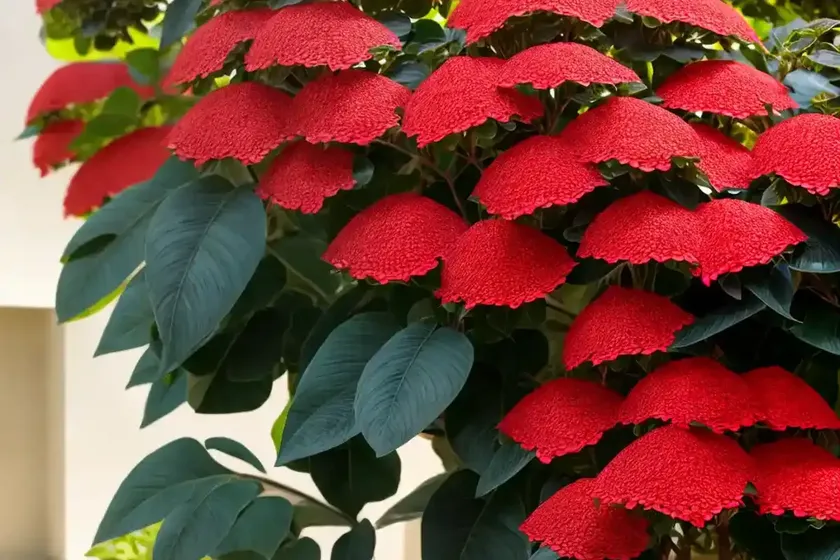
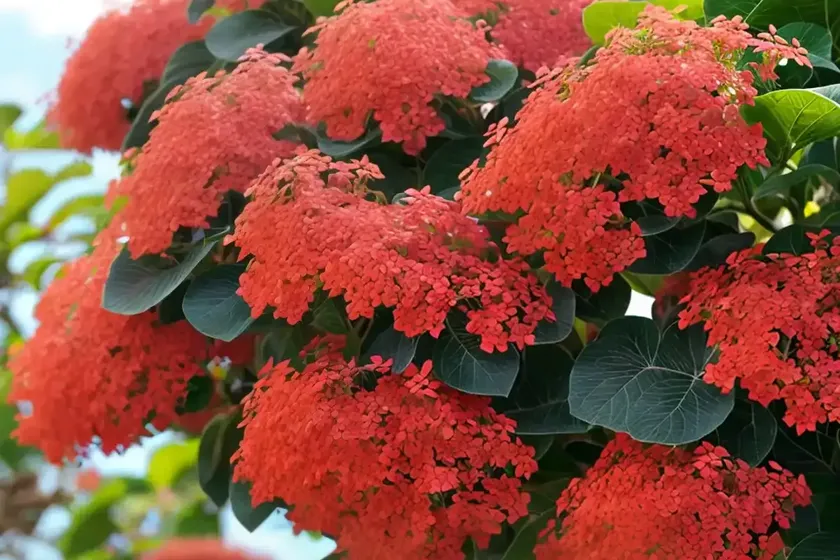
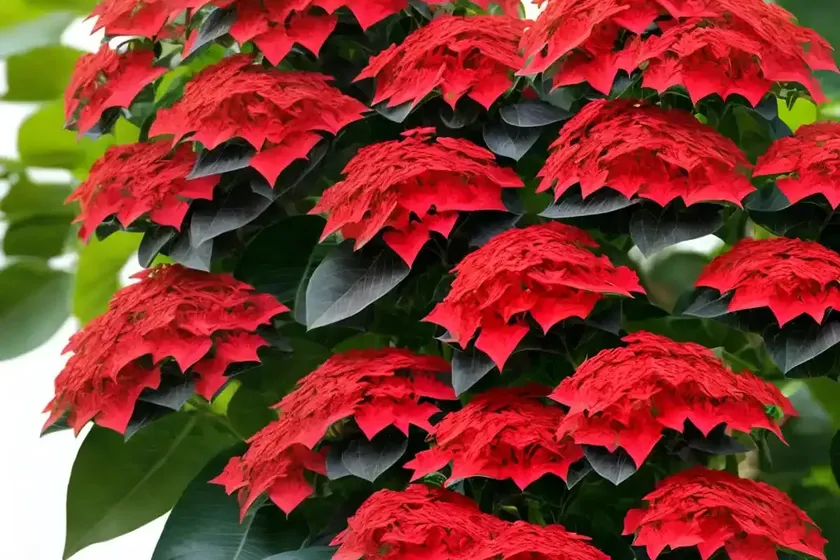
Plants have the incredible ability to enhance the aesthetic appeal of any space and bring nature closer to our daily lives. Among the diverse range of plants available, Peregrina (Jatropha Integerrima) stands out as a popular choice for its vibrant flowers and versatility. In this guide, we will delve into the intricacies of caring for, utilizing, and maintaining Peregrina plants, while also exploring their characteristics, uses, and interaction with their environment.
What is Plant Peregrina (Jatropha Integerrima)?
Peregrina, scientifically known as Jatropha Integerrima, is a species of flowering plant belonging to the Euphorbiaceae family. This evergreen shrub is native to Cuba and has found its way into landscapes and gardens across tropical and subtropical regions worldwide. The plant is known for its striking clusters of bright red or pink flowers that adorn it for most of the year, making it a sought-after ornamental feature in gardens, parks, and urban landscapes.
The name “Peregrina” is derived from the Spanish word for “pilgrim” or “foreigner,” reflecting the plant’s Cuban origin and its widespread cultivation in other regions. The species name “Integerrima” comes from the Latin words “inte,” meaning whole or complete, and “gerra,” meaning skin or case, likely referring to the plant’s smooth, unbroken seed capsules.
Key Takeaways – Peregrina (Jatropha Integerrima)
Before we dive into the specifics of caring for Peregrina plants, it’s essential to highlight some key takeaways about this captivating species. Understanding these fundamental aspects will provide a strong foundation for successful cultivation and utilization of Peregrina in various settings.
- Scientific Name: Jatropha Integerrima
- Family: Euphorbiaceae
- Common Name: Peregrina
- Origin: Cuba
- Characteristics: Evergreen shrub with bright red or pink flowers
- Uses: Ornamental purposes, landscaping, and medicinal properties
- Habitat: Tropical and subtropical regions
- Growth Habit: Bushy and compact
- Flowering: Throughout the year in favorable conditions
- Special Features: Drought-tolerant, attractive to pollinators
With these key takeaways in mind, let’s explore the intricacies of caring for Peregrina plants, their cultural requirements, common uses, and their interaction with environmental factors.
Culture
The successful cultivation of Peregrina plants relies on an understanding of their cultural requirements, encompassing aspects such as water, sunlight, fertilizer, soil, and pruning. By meeting these requirements, plant enthusiasts can ensure the optimal growth, flowering, and overall health of Peregrina specimens.
Uses
Ornamental Purposes
Peregrina plants are primarily grown for their ornamental value, thanks to the dazzling display of red or pink flowers that adorn the plant throughout the year. Whether used as standalone features in garden beds or as part of mixed borders, the vibrant blooms of Peregrina add a splash of color to any landscape. The plant’s bushy and compact growth habit further enhances its appeal as an ornamental specimen.
Landscaping
Beyond individual plantings, Peregrina also has a place in landscaping projects where its vibrant flowers can be utilized to create eye-catching displays in public parks, botanical gardens, and urban landscapes. The plant’s ability to thrive in tropical and subtropical climates makes it a valuable addition to landscaping schemes in such regions.
Medicinal Properties
In addition to its ornamental uses, Peregrina is known to have certain medicinal properties. In traditional medicine, various parts of the plant, such as the leaves and seeds, have been used to create remedies for different ailments. While the medicinal use of Peregrina requires careful consideration and expertise due to the plant’s toxic properties, it adds another dimension to the overall value of the species.
Water
Proper watering practices are essential for the health and vitality of Peregrina plants. Understanding the water requirements of this species is crucial to prevent issues associated with overwatering or drought stress.
Sunlight
As with many flowering plants, adequate sunlight is vital for the growth and flowering of Peregrina. Understanding the sunlight requirements of this species allows for optimal placement in gardens or landscapes to ensure healthy development and prolific flowering.
Fertilizer
Providing the right nutrients through fertilization is a key aspect of caring for Peregrina plants. By understanding the specific fertilizer requirements of this species, individuals can support vigorous growth and abundant blooming.
Soil
The choice of soil and its preparation play a vital role in the successful cultivation of Peregrina plants. Understanding the soil preferences of this species enables gardeners to create suitable growing conditions for healthy and thriving specimens.
Pruning
Pruning is an important aspect of maintaining the shape, health, and flowering of Peregrina plants. Knowing the appropriate pruning methods and schedule is essential for promoting a well-balanced and aesthetically pleasing growth habit.
Propagation
The propagation of Peregrina plants allows for the expansion of their presence in gardens, landscapes, and botanical collections. Understanding the techniques for propagating this species, such as from seeds or cuttings, offers opportunities to increase the abundance of these captivating plants.
Container Popularity
Peregrina’s compact growth habit and ornamental value make it a popular choice for container gardening. Understanding how to grow and care for Peregrina in containers provides opportunities for individuals with limited garden space or those seeking to create vibrant displays on patios, balconies, or other confined areas.
Common Diseases
Like all living organisms, Peregrina plants are susceptible to certain diseases that can impact their health and appearance. Being aware of common diseases and their causes allows for proactive measures to prevent and manage such issues.
Disease Diagnosis
The ability to identify and diagnose diseases affecting Peregrina plants is crucial for implementing effective control measures. Understanding the symptoms and causes of common diseases supports timely interventions to minimize the impact on plant health.
Common Pests
Pest infestations can pose challenges to the well-being of Peregrina plants. Recognizing common pests and their effects on this species facilitates the implementation of pest control strategies to protect plant vitality.
Understanding the cultural requirements, propagation techniques, pest and disease management, and other aspects of Peregrina care is essential for ensuring the successful cultivation and utilization of this remarkable species. With this knowledge in hand, plant enthusiasts can embark on their journey of nurturing and appreciating Peregrina plants in various settings, from home gardens to public landscapes.
Botanist’s Tips
To further enhance the understanding of caring for Peregrina plants, here are some expert tips and insights from botanists and horticulturists with experience in cultivating this species:
- Ensure well-draining soil: Peregrina plants thrive in soil that provides good drainage, preventing waterlogging and associated issues.
- Monitor watering frequency: While Peregrina is drought-tolerant once established, young plants may require regular watering to promote healthy growth.
- Prune selectively: When pruning Peregrina, focus on removing dead or damaged growth and shaping the plant rather than excessively trimming live branches, as this can affect flowering.
- Watch for signs of stress: Changes in leaf color, wilting, or reduced flowering can indicate stress factors such as inadequate sunlight, water, or nutrient deficiencies.
- Consider companion planting: Pairing Peregrina with suitable companion plants can enhance the overall aesthetic appeal and provide ecological benefits in the garden or landscape.
Implementing these botanist’s tips alongside the fundamental cultural practices will contribute to the successful cultivation and maintenance of Peregrina plants, ensuring their long-term health and vigor.
Fun Facts
Beyond the practical aspects of caring for Peregrina, there are numerous intriguing and engaging facts about this species that add to its allure and appeal. Here are some fun facts about Peregrina that showcase its unique characteristics and value:
- Attracts pollinators: The vibrant flowers of Peregrina are known to attract bees, butterflies, and hummingbirds, contributing to the overall biodiversity of the surrounding environment.
- Drought-tolerant properties: Peregrina exhibits a remarkable ability to withstand periods of drought, making it a valuable addition to water-wise and xeriscape landscapes.
- Toxic properties: Various parts of the Peregrina plant contain toxic compounds, requiring caution when handling and using it, especially in proximity to children and pets.
- Landscape versatility: Beyond being a standalone ornamental feature, Peregrina can be used in mixed shrub borders, hedges, and foundation plantings to create diverse landscape designs.
- Long-lasting cut flowers: The flowers of Peregrina have a relatively long vase life, making them suitable for floral arrangements and indoor displays.
These fun facts provide insight into the captivating nature of Peregrina and its multifaceted value in horticulture, landscaping, and ecological contexts.
Links to External Resources
For further exploration of Peregrina (Jatropha Integerrima) and its care, uses, and characteristics, here are some valuable external resources that offer detailed insights and practical guidance:
- Peregrina Plant Care Guide – Royal Horticultural Society
- Jatropha Integerrima Information and Cultivation Tips – University of Florida IFAS Extension
- Growing Peregrina Plant – University of Florida IFAS Extension
- Jatropha Plant Varieties and Landscaping Uses – The Morton Arboretum
- Tips for Planting Peregrina – University of Florida IFAS Extension
- Jatropha Integerrima Pruning Methods – University of Florida IFAS Extension
- How to Propagate Peregrina – University of Florida IFAS Extension
- Jatropha Plant Diseases and Management – University of California Agriculture and Natural Resources
- Peregrina Plant Uses – Missouri Botanical Garden
- Jatropha Integerrima Water Requirements and Irrigation – University of Florida IFAS Extension
This collection of external resources provides a wealth of information on Peregrina (Jatropha Integerrima), catering to enthusiasts, horticulturists, and landscape professionals seeking comprehensive guidance on every aspect of the species.
In conclusion, Peregrina (Jatropha Integerrima) stands as a captivating and versatile plant species with widespread appeal in horticulture, landscaping, and ecological contexts. By understanding the cultural requirements, uses, maintenance, and propagation techniques associated with this species, individuals can embark on a rewarding journey of cultivating and appreciating the beauty and value of Peregrina in various settings.
Now with the knowledge of Peregrina’s characteristics, care requirements, and uses, plant enthusiasts are equipped to embrace the allure of this remarkable species and contribute to its preservation and appreciation in diverse landscapes and horticultural endeavors.