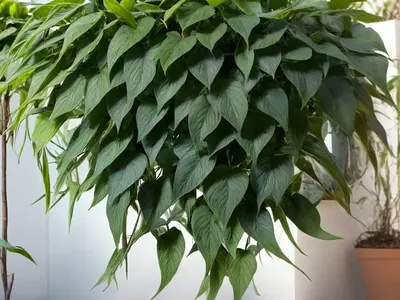
Pepper Vine (Ampelopsis)
In this comprehensive guide, we will delve into the intriguing world of the Pepper Vine plant, scientifically known as Ampelopsis. This climbing plant.
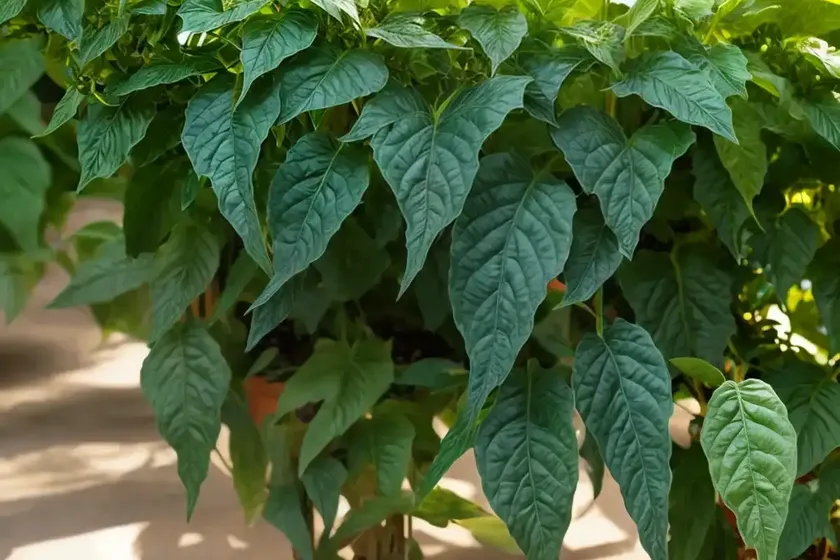
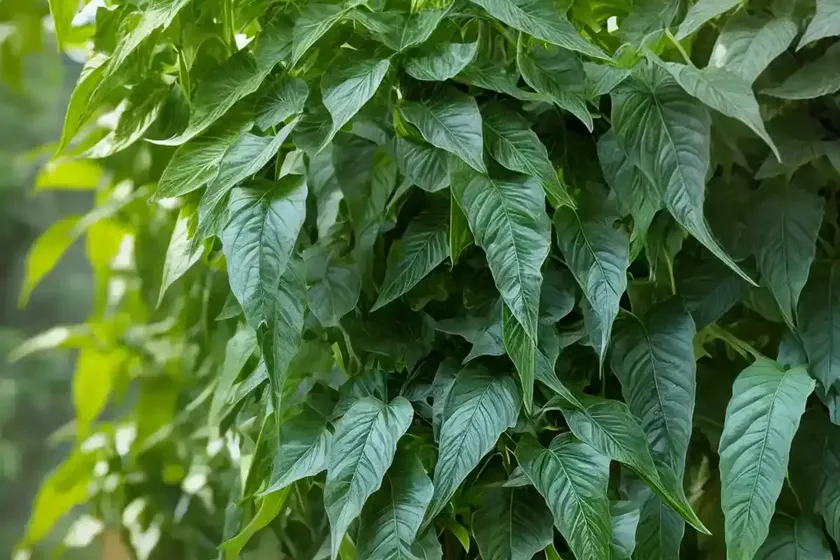
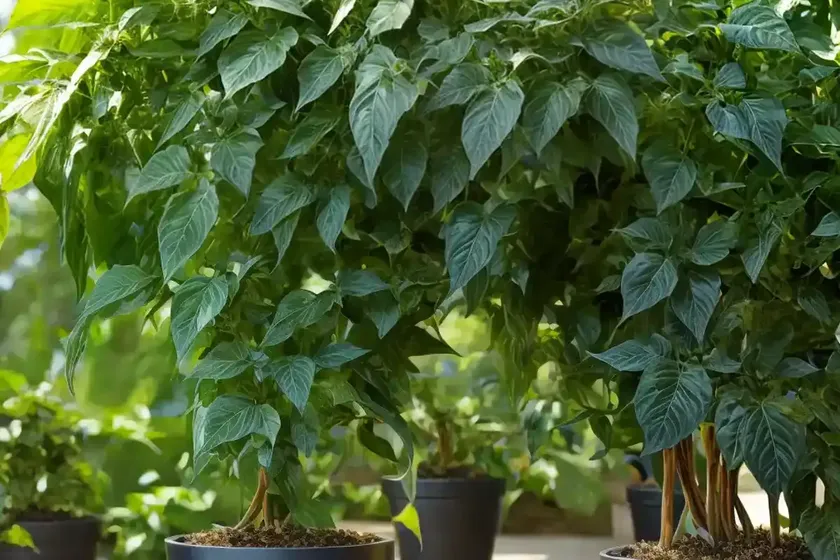
In this comprehensive guide, we will delve into the intriguing world of the Pepper Vine plant, scientifically known as Ampelopsis. This climbing plant belongs to the Vitaceae family and is renowned for its ornamental appeal, culinary uses, and medicinal properties. Whether you are an avid gardener, a landscape enthusiast, or someone intrigued by the diverse applications of plants, this article will provide valuable insights into the culture, uses, care, and cultivation of the Pepper Vine.
What is Pepper Vine (Ampelopsis)?
The Pepper Vine, or Ampelopsis, encompasses a diverse group of climbing plants that are valued for their multifaceted attributes. With several species falling under this genus, including Ampelopsis brevipedunculata, Ampelopsis glandulosa, and Ampelopsis cordata, the plant is recognized for its vigorous growth, attractive foliage, and adaptability to various growing conditions.
Key Takeaways – Pepper Vine (Ampelopsis)
Before we embark on a detailed journey exploring the nuances of caring for Pepper Vine, let’s highlight some of the key takeaways related to this fascinating plant:
- Scientific Name: Ampelopsis
- Other Names: Pepper Vine, Climbing Plant Ampelopsis
- Family: Vitaceae
- Climatic Suitability: Versatile, suitable for various regions
- Cultivation: Adaptable to different soil types and sunlight conditions
- Uses: Ornamental, Culinary, Medicinal
- Propagation: Can be propagated through seeds or stem cuttings
- Diseases: Susceptible to certain fungal diseases
- Pests: Vulnerable to aphids, spider mites, and scale insects
Now, let’s delve into each of these aspects in greater detail to gain a comprehensive understanding of the Pepper Vine and its cultivation.
Culture
The culture of the Pepper Vine is influenced by various environmental factors and horticultural practices that contribute to its growth, development, and overall well-being. Understanding the optimal cultural requirements of Ampelopsis is essential for successfully nurturing and harnessing the full potential of this versatile plant.
Uses
One of the most appealing aspects of the Pepper Vine is its diverse range of uses, spanning from ornamental landscaping to culinary and medicinal applications. Let’s explore these in further detail:
- Ornamental Use: Ampelopsis species are valued for their ornamental appeal, especially as climbing vines adorning trellises, arbors, pergolas, and fences.
- Culinary Applications: Certain parts of the Pepper Vine, such as the young leaves and shoots, are utilized in traditional Asian cuisines for their unique flavor and nutritional value.
- Medicinal Properties: The plant is attributed with medicinal properties, including antioxidant effects, making it a valuable addition to herbal remedies and traditional medicine practices.
Water
Water is an essential element for the healthy growth and sustenance of Pepper Vine plants. Understanding the water requirements of Ampelopsis is crucial to avoid issues related to overwatering or underwatering, which can impact its vigor and overall health.
Sunlight
Like many plants, the Pepper Vine exhibits distinct responses to varying light conditions. Understanding its sunlight requirements is pivotal for ensuring optimal growth and foliage development.
Fertilizer
Fertilization plays a significant role in supporting the growth and vitality of the Pepper Vine. A balanced approach to fertilization is essential for promoting healthy foliage, flowering, and fruiting in Ampelopsis plants.
Soil
The choice of soil and its characteristics significantly influence the growth and performance of Pepper Vine plants. Understanding the ideal soil conditions ensures the provision of a supportive growing medium for the plant.
Pruning
Pruning is an integral aspect of managing the growth and form of the Pepper Vine. Employing appropriate pruning techniques is crucial for maintaining the desired shape, controlling size, and promoting optimal flowering and fruiting.
Propagation
The propagation of Ampelopsis can be achieved through various methods, such as seeds and stem cuttings. Knowledge of effective propagation techniques is indispensable for expanding the plant population and preserving desirable traits.
Container Popularity
The utilization of containers for cultivating Pepper Vine offers unique opportunities for versatile gardening and landscape design. Understanding the implications of container gardening for Ampelopsis is vital for successful cultivation in restricted spaces.
Common Diseases
Pepper Vine plants are susceptible to certain diseases, which can impact their health and vigor. Recognizing these diseases and implementing appropriate control measures is essential for preserving the well-being of the plant.
Disease Diagnosis
Accurate diagnosis of diseases affecting the Pepper Vine is crucial for implementing targeted management strategies. Familiarizing oneself with the symptoms and causal agents of prevalent diseases equips growers with the knowledge to address these issues effectively.
Common Pests
Pests pose a potential threat to the health and vitality of Pepper Vine plants. Identifying common pests and understanding their impact is essential for implementing proactive pest management strategies to safeguard the plant.
Botanist’s Tips
Gleaning insights from botanical perspectives can enhance our understanding of the Pepper Vine and offer valuable guidance for successful cultivation and utilization of this remarkable plant.
Fun Facts
Exploring the intriguing and lesser-known facts about the Pepper Vine adds a layer of fascination to this plant, further enriching our appreciation for its unique attributes and cultural significance.
Links to External Resources
To broaden the scope of knowledge pertaining to the Pepper Vine, it is valuable to explore external resources that offer comprehensive insights, research findings, and practical guidance related to Ampelopsis.
In this guide, we have covered a wide range of aspects related to the Pepper Vine and its cultivation. From its cultural requirements to its diverse uses and potential pitfalls, understanding the nuances of Ampelopsis is essential for harnessing its full potential. Whether you are a gardening enthusiast, a landscape designer, or someone intrigued by the multifaceted nature of plants, the Pepper Vine stands as a testament to nature’s boundless offerings.
By delving into the world of Pepper Vine cultivation, we gain a deeper appreciation for the intricate interplay between plants and their environment. As we nurture and celebrate the diversity of plant life, the Pepper Vine stands as a remarkable example of nature’s resilience, adaptability, and bountiful contributions to our lives.
So, whether you are considering incorporating the Pepper Vine into your garden, exploring its culinary potential, or simply marveling at its ornamental allure, the journey of discovery continues. Embrace the transformative power of plants and immerse yourself in the captivating realm of the Pepper Vine – a testament to nature’s enduring beauty and boundless versatility.
References:
1. Ampelopsis tricuspidata: Missouri Botanical Garden. Available from: https://www.missouribotanicalgarden.org/
2. Ampelopsis: The Plant List. Available from: http://www.theplantlist.org/
3. Vitaceae: Royal Botanic Gardens, Kew. Available from: https://www.kew.org/
4. Container Gardening: University of Missouri Extension. Available from: https://extension.missouri.edu/
5. Plant Disease Diagnosis: University of California Agriculture and Natural Resources. Available from: http://ucanr.edu/
6. Integrated Pest Management: Penn State Extension. Available from: https://extension.psu.edu/
7. Botanical Research: Royal Botanic Gardens, Kew. Available from: https://www.kew.org/
8. Horticultural Fun Facts: The Morton Arboretum. Available from: https://www.mortonarb.org/
9. Culinary Uses of Plants: University of California, Davis. Available from: https://ucanr.edu/
10. Ornamental Landscaping: American Society of Landscape Architects. Available from: https://www.asla.org/