Parodia Comarapana (Parodia Comarapana)
Parodia comarapana, also known as Notocactus comarapanus or Eriocactus comarapanus, is a species of flowering plant in the family Cactaceae. It is native.
What is Parodia comarapana?
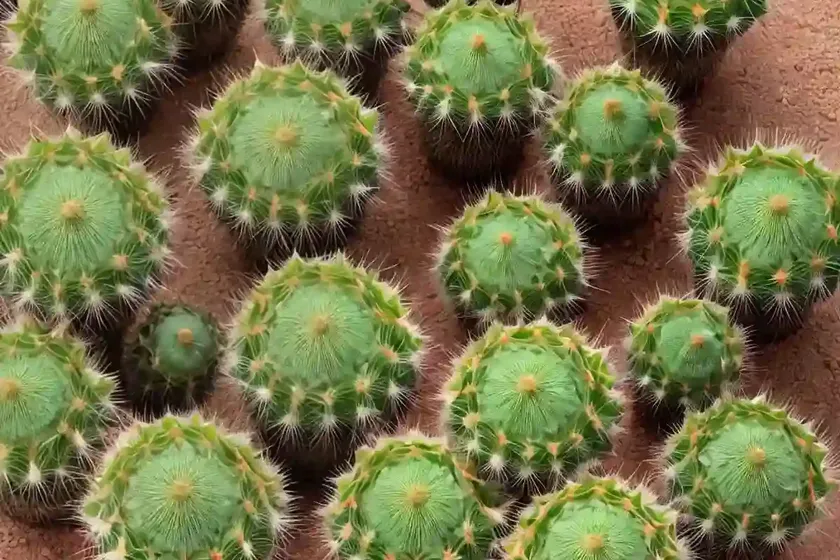
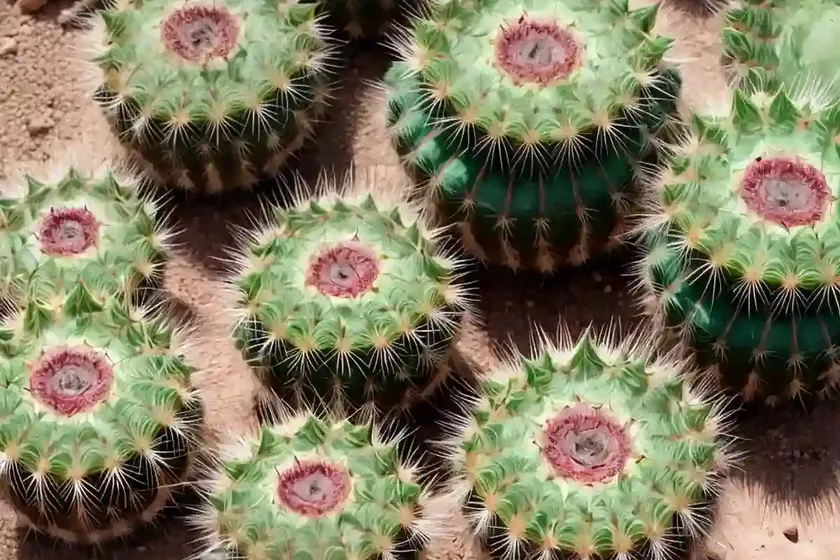
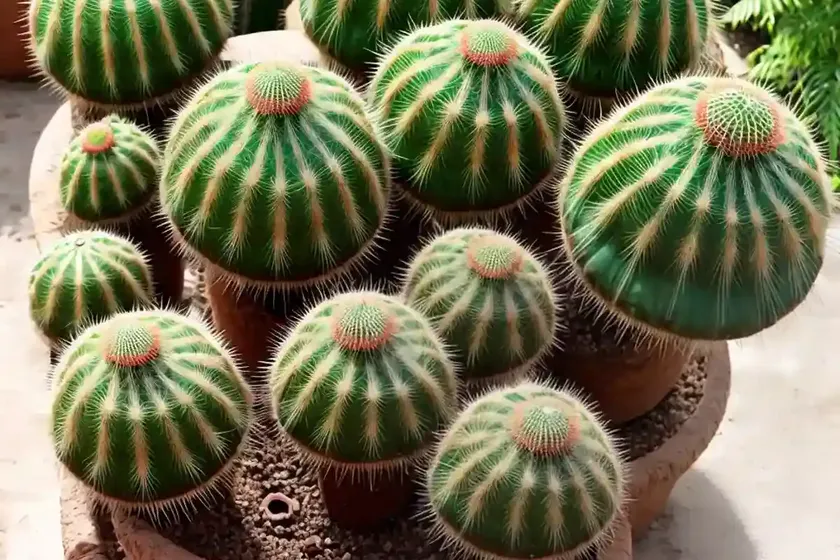
Parodia comarapana, also known as Notocactus comarapanus or Eriocactus comarapanus, is a species of flowering plant in the family Cactaceae. It is native to South America, specifically found in Paraguay and Bolivia. This cactus species is characterized by its spherical to cylindrical body, covered in distinct ribs with prominent areoles. The vibrant yellow flowers that appear in the summer months add to the appeal of this unique succulent.
Key Takeaways
Before delving into the detailed care guide for Parodia comarapana, let’s take a quick look at the key takeaways for growing and nurturing this plant.
- Culture: Parodia comarapana is a low-maintenance plant that thrives in arid and sunny conditions.
- Uses: It is commonly grown as an ornamental plant, adding a touch of vibrant color to indoor and outdoor landscapes.
- Water: The watering regimen for Parodia comarapana should mimic its natural habitat, with infrequent but thorough watering.
- Sunlight: This cactus species requires ample sunlight to thrive, making it an ideal addition to sunny spots in gardens and homes.
- Fertilizer: During the growing season, a balanced cactus fertilizer can promote healthy growth and flowering.
- Soil: Well-draining soil with a slightly acidic to neutral pH is essential for the health of Parodia comarapana.
- Pruning: Limited pruning is necessary, primarily to remove any dead or damaged parts.
- Propagation: Propagation is commonly achieved through the harvesting and sowing of seeds or the removal and rooting of offsets.
- Container: When grown in containers, providing adequate drainage and selecting the right pot size are crucial for the plant’s well-being.
- Popularity: The unique appearance and relatively easy care requirements have contributed to the popularity of Parodia comarapana among plant enthusiasts.
Now, let’s delve into the specific care recommendations for Parodia comarapana.
Culture
Uses
Parodia comarapana is primarily cultivated for its ornamental value. Whether grown in containers, rock gardens, or xeriscapes, its striking appearance and stunning blooms make it an eye-catching addition to any landscape or indoor plant collection. The vibrant yellow flowers, which usually appear in the summer, provide a captivating contrast to the greenish or bluish hues of the cactus body.
Water
In its natural habitat, Parodia comarapana experiences periods of drought interspersed with occasional heavy rainfall. This plant’s water requirements should mimic these natural conditions, requiring infrequent but thorough watering. During the active growing season, typically spring and summer, thoroughly water the plant when the top layer of the soil is completely dry. However, it’s crucial to ensure that excess water can freely drain from the pot to prevent waterlogged soil, which can lead to root rot.
During the dormant period in winter, reduce watering frequency significantly, only providing a small amount of water every 4-6 weeks to prevent the plant from completely drying out. Overwatering, especially in low-temperature conditions, increases the risk of root rot and other moisture-related issues.
Sunlight
Parodia comarapana is a sun-loving plant that thrives in bright, direct sunlight. When grown outdoors, choose a location that receives ample sunlight, such as a south-facing spot with full sun exposure. When grown indoors, place the plant near a sunny window where it can receive at least 6-8 hours of sunlight per day. Insufficient light can lead to elongated growth and a reduction in flower production.
During the summer months, it’s important to protect the plant from intense, direct midday sunlight, as this can cause sunburn and heat stress. Providing light shade during the hottest part of the day can help prevent damage to the plant.
Fertilizer
During the active growing season in spring and summer, Parodia comarapana benefits from periodic fertilization to support healthy growth and flowering. Choose a balanced cactus fertilizer or a specifically formulated succulent fertilizer and apply it at half-strength every 4-6 weeks. Avoid fertilizing during the winter dormancy period, as the plant’s reduced metabolic activity does not require additional nutrients.
Soil
The right soil mix is essential for the health and vitality of Parodia comarapana. Well-draining soil with a slightly acidic to neutral pH is optimal for this cactus species. A commercial cactus and succulent potting mix, which typically consists of a combination of coarse sand, perlite, and peat or coconut coir, provides the necessary drainage and aeration for the plant’s root system. Consider amending the potting mix with additional perlite or coarse sand to further improve drainage, especially if the standard mix retains moisture for extended periods.
Pruning
Minimal pruning is typically required for Parodia comarapana. Remove any dead or damaged parts as necessary to maintain the plant’s overall health and appearance. When handling the cactus, it’s essential to use gloves or a suitable cloth to protect the skin from the sharp spines or glochids that are present on the plant’s surface.
Propagation
Seeds
Propagation of Parodia comarapana is commonly achieved through seed sowing. To successfully propagate the plant from seeds, follow these steps:
- Obtain fresh seeds from a reputable source or collect them from mature fruits that have dried on the plant.
- Sow the seeds in a shallow tray or pot filled with a well-draining cactus potting mix.
- Gently press the seeds into the soil surface and lightly mist the top with water to settle the seeds.
- Place the tray or pot in a warm location with indirect sunlight and maintain consistent moisture levels by lightly misting the soil as needed.
- Germination typically occurs within 1-3 weeks, and once the seedlings have developed their first set of true leaves, they can be transplanted into individual pots.
Offsets
Another method of propagation involves the removal and rooting of offsets, which are small, genetically identical shoots that develop at the base of the parent plant. To propagate Parodia comarapana using offsets, carefully remove the offset from the parent plant and allow the cut end to callus for a few days to reduce the risk of rot. Once calloused, plant the offset in a small pot filled with a well-draining potting mix and water sparingly until new growth is observed.
Container
When cultivating Parodia comarapana in containers, several factors should be considered to ensure the well-being of the plant:
- Drainage: Adequate drainage is crucial for preventing waterlogged soil, which can lead to root rot. Choose a pot with drainage holes in the bottom to allow excess water to escape freely.
- Size: Select a pot that provides ample room for the plant’s root system to expand. However, be mindful that the pot should not be excessively large, as this can lead to excessively moist soil and potential root rot. A pot that is 1-2 inches larger in diameter than the plant’s current container is generally sufficient.
- Material: Opt for a container made of clay, ceramic, or breathable plastic, as these materials allow for the evaporation of excess moisture, reducing the risk of water-related issues.
- Repotting: Repot Parodia comarapana every 2-3 years to refresh the soil and provide additional room for root growth. When repotting, carefully lift the plant from its current container and reposition it in a slightly larger pot, filling the remaining space with fresh potting mix.
Popularity
Parodia comarapana has gained popularity among plant enthusiasts and collectors due to its unique appearance and relatively low maintenance requirements. Whether grown as a striking addition to outdoor landscapes or as a conversation piece in indoor plant collections, its vibrant flowers and distinctive cactus body make it a sought-after species.
Now that we’ve covered the essential aspects of growing and caring for Parodia comarapana, let’s explore some common diseases and pests that may affect this cactus, along with effective preventive measures and management strategies.
Common Diseases
While Parodia comarapana is generally resilient to many diseases, proper care and attention can help prevent and manage potential issues. Some common diseases that may affect this cactus include:
- Rot Diseases: Excessive moisture or poor drainage can lead to various forms of rot, including root rot and stem rot. These conditions may arise from overwatering or the use of poorly draining soil.
- Fungal Diseases: In high-humidity environments or when plants are consistently exposed to moisture, fungal diseases such as powdery mildew and stem rot can occur.
- Bacterial Infections: Wounding or damage to the plant can provide entry points for bacteria, potentially leading to infections that cause rot and decline.
Disease Diagnosis
If any signs of disease or decline are observed in Parodia comarapana, prompt action is essential to identify and address the underlying issue. Some common symptoms that may indicate the presence of disease include:
- Yellowing or browning of stems or roots.
- Soft, mushy areas on the plant.
- White, powdery growth on the surface of the plant.
- Unusual odor emanating from the plant.
Should any of these symptoms be noticed, a thorough examination of the plant and its growing conditions should be conducted to identify the potential cause of the issue. Corrective actions can then be implemented to restore the plant’s health.
Common Pests
Parodia comarapana may also face challenges from various pests that can affect its growth and overall well-being. Some common pests that may trouble this cactus species include:
- Scale Insects: These tiny, flat insects can attach themselves to the plant’s surface, feeding on the sap and causing wilting and decline.
- Spider Mites: These arachnids can create fine webbing on the plant and cause stippling or discoloration of the leaves.
- Mealybugs: Mealybugs are soft-bodied insects that appear as white, cottony masses on the plant, sucking sap and potentially spreading diseases.
Botanist’s Tips
For optimal success in cultivating Parodia comarapana, consider these insightful tips from botanists and experienced plant enthusiasts:
- Mindful Watering: Pay close attention to the plant’s water needs, allowing the soil to dry out between waterings and adjusting the frequency based on seasonal and environmental factors.
- Adequate Sunlight: Provide the plant with consistent exposure to bright, indirect sunlight or direct sun, ensuring that it receives the light it needs to thrive.
- Proper Soil Mix: Use a well-draining potting mix tailored to cacti and succulents, ensuring that excess moisture can easily escape from the root zone.
- Protect from Cold: While Parodia comarapana tolerates heat well, it is sensitive to cold temperatures. Protect the plant from frost and overly cold conditions, especially during the winter months.
Fun Facts
- The genus name “Parodia” is derived from the name of Lorenzo Raimundo Parodi, an Argentine botanist known for his contributions to the study of cacti and succulents.
- Parodia comarapana is a self-fertile species, meaning that it can produce viable seeds through self-pollination, contributing to its natural reproductive success.
- In its native habitat, Parodia comarapana grows in rocky, well-drained slopes and hillsides, often in areas with minimal topsoil and frequent exposure to sunlight.
Links to External Resources
For readers seeking further information on Parodia comarapana and related topics, the following external resources provide valuable insights and guidance:
In conclusion, Parodia comarapana, with its striking appearance and relatively low-maintenance care needs, is an appealing addition to both indoor and outdoor plant collections. By following the recommended guidelines for culture, watering, sunlight, and propagation, plant enthusiasts can successfully grow and enjoy the unique beauty of this cactus species. Additionally, practicing disease prevention and prompt pest management, along with adhering to botanist’s tips, can contribute to the long-term health and vitality of Parodia comarapana in various growing environments. As a notable addition to the diverse world of cacti and succulents, Parodia comarapana showcases the captivating allure and resilience of these remarkable plants.
Disclaimer: The information provided in this guide is for educational and informational purposes. It is not intended to be a substitute for professional advice in plant care and cultivation. Always seek guidance from qualified professionals for specific plant care needs and health concerns.