Paper Mulberry (Broussonetia Papyrifera)
Introduction
Introduction
Plants have always been an essential part of human life, providing food, shelter, and medicine. Among the diverse range of plant species, the Paper Mulberry (Broussonetia Papyrifera) stands out as a particularly remarkable and versatile plant. Its rich history, cultural significance, and myriad uses make it a captivating subject for plant enthusiasts, horticulturalists, and historians alike.
In this comprehensive guide, we will delve into the captivating world of Paper Mulberry, exploring its cultural, ecological, and horticultural significance. From its growth habits and medicinal uses to its ecological impact and historical significance, we will uncover the multifaceted nature of this intriguing plant.
What is Paper Mulberry (Broussonetia Papyrifera)?
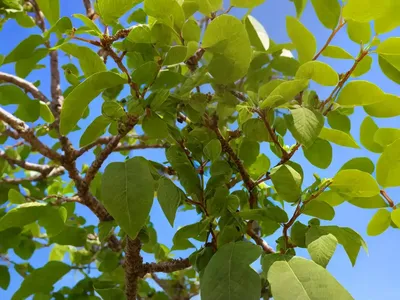
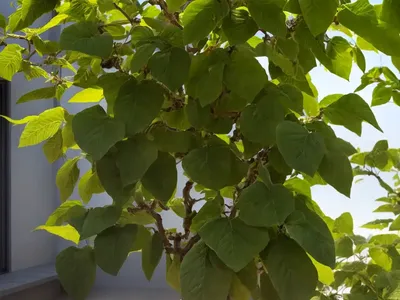
Paper Mulberry, scientifically known as Broussonetia Papyrifera, is a deciduous tree native to East Asia and the Pacific Islands. Belonging to the Moraceae family, this versatile plant species has been cultivated for centuries for its multifaceted uses. The tree can reach heights of 10-20 meters and has distinctively lobed leaves.
The remarkable properties of Paper Mulberry have led to its widespread cultivation and utilization in various fields. From traditional crafts and medicine to ecological benefits, this species has a profound impact on diverse aspects of human life and the environment.
Key Takeaways – Paper Mulberry (Broussonetia Papyrifera)
1. Culture
Paper Mulberry holds deep cultural significance in many regions where it is cultivated. It has been traditionally used in crafts, rituals, and as a source of materials for various purposes.
2. Uses
The uses of Paper Mulberry are varied and encompass traditional crafts, papermaking, and medicinal applications. Its bark, leaves, and wood are utilized for a wide range of purposes, reflecting its versatility.
3. Water
Paper Mulberry trees require moderate water levels, and proper drainage is essential for their healthy growth. They are adaptable to different moisture levels, making them suitable for a range of habitats.
4. Sunlight
Thriving in full sun to partial shade, Paper Mulberry trees are adaptable to various light conditions, making them suitable for diverse environments.
5. Fertilizer
While Paper Mulberry trees can benefit from balanced fertilization, they can also grow well in nutrient-rich soils without additional fertilization, making them relatively low-maintenance.
6. Soil
Adaptable to a wide range of soil types, including loamy, sandy, and clay soils, Paper Mulberry trees showcase remarkable resilience across different soil conditions.
7. Pruning
Pruning Paper Mulberry trees can help shape their growth and maintain their health. Careful pruning techniques are essential to promote their longevity and vigor.
8. Propagation
Paper Mulberry trees can be propagated through various methods, including seeds, cuttings, and layering, offering opportunities for propagation and cultivation.
9. Container Popularity
In some regions, Paper Mulberry trees are cultivated in containers, showcasing their adaptability to confined spaces and diverse growing conditions.
10. Common Diseases
Several diseases, including powdery mildew and leaf spot, can affect Paper Mulberry trees, requiring proper management and care.
11. Disease Diagnosis
Diagnosing and addressing diseases affecting Paper Mulberry trees is essential for maintaining their health and vitality.
12. Common Pests
Various pests, such as scales and caterpillars, can pose threats to Paper Mulberry trees, necessitating effective pest management strategies.
13. Botanist’s Tips
Insights from botanists can provide invaluable guidance on the cultivation, conservation, and utilization of Paper Mulberry, offering expert knowledge on the species.
14. Fun Facts
Discovering intriguing and lesser-known facts about Paper Mulberry can deepen our appreciation for this remarkable plant and its cultural and ecological significance.
15. Links to External Resources
Exploring external resources can provide further insights into the cultivation, ecology, and uses of Paper Mulberry, offering a comprehensive perspective on the plant.
Plant Name: “Paper Mulberry (Broussonetia Papyrifera)”
As we embark on our journey to explore the multifaceted nature of Paper Mulberry, we will delve into its botanical characteristics, cultural significance, ecological role, and practical uses, uncovering the diverse dimensions of this captivating plant species.
Paper Mulberry – Botanical Characteristics
Paper Mulberry, known by its scientific name Broussonetia Papyrifera, is a deciduous tree with distinctive lobed leaves and a spreading canopy. The species belongs to the Moraceae family, which includes other well-known plants such as figs and mulberries. Native to East Asia and the Pacific Islands, Paper Mulberry has a rich history of cultivation and utilization, dating back centuries.
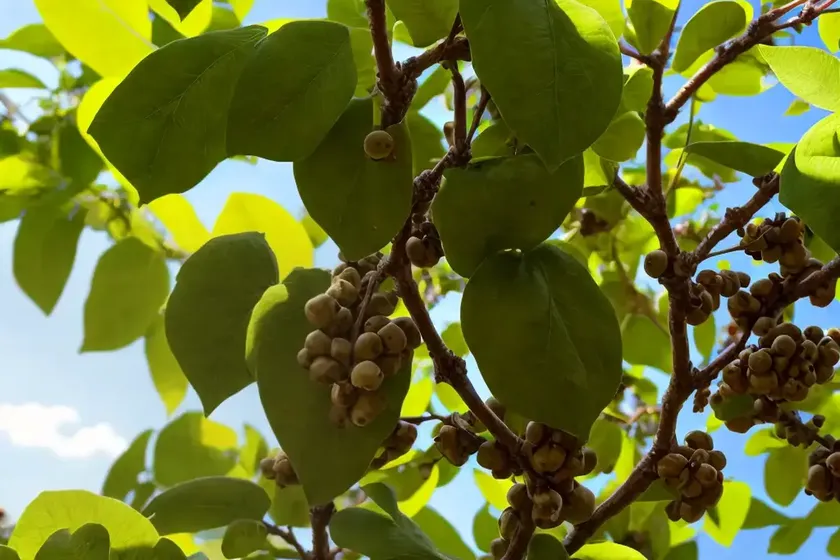
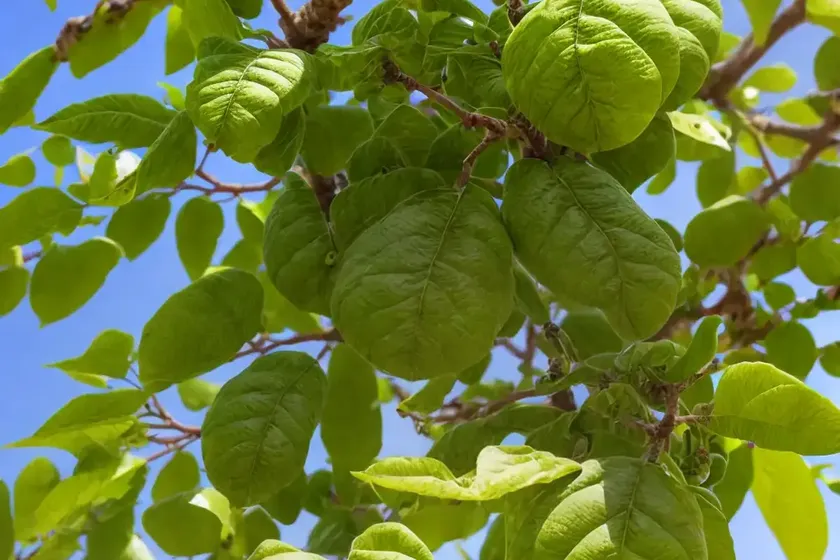
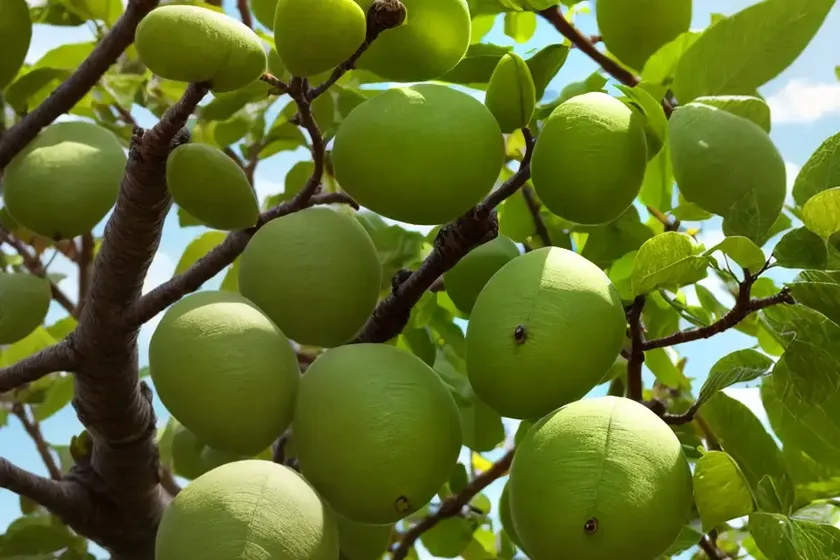
The leaves of Paper Mulberry are characterized by their lobed margins and deep green color, providing a lush canopy during the growing season. The tree produces small, inconspicuous flowers and round, fleshy fruits, adding to its ornamental and ecological value. With its moderate growth rate and adaptability to different environmental conditions, Paper Mulberry has become a valuable resource in various cultural, ecological, and horticultural contexts.
Broussonetia Papyrifera – The Cultural Tapestry
The cultural significance of Paper Mulberry spans across regions where the species is cultivated, reflected in its traditional uses, rituals, and crafts. The bark of Paper Mulberry has been a vital resource for indigenous communities, serving as a raw material for fiber, traditional papermaking, and crafts. The plant’s bark fibers are renowned for their strength and flexibility, making them suitable for weaving, textiles, and paper production.
In addition to its practical uses, Paper Mulberry holds symbolic and ceremonial significance in various cultures, representing resilience, creativity, and the interconnectedness of nature and human communities. The plant’s historical and contemporary importance in traditional crafts, art, and cultural practices underscores its enduring relevance in diverse cultural landscapes.
Paper Mulberry – Ecological Resilience
Ecologically, Paper Mulberry plays a multifaceted role in diverse ecosystems, contributing to soil stabilization, wildlife habitat, and biodiversity. The tree’s extensive root system and adaptive traits make it an effective species for erosion control and soil conservation in various landscapes. Furthermore, the fruits of Paper Mulberry serve as a valuable food source for wildlife, contributing to the ecological sustenance of native species.
Beyond its role in terrestrial ecosystems, Paper Mulberry has a unique relationship with traditional farming and agroforestry systems, where its contributions to soil fertility, shade provisioning, and traditional crafts are recognized and integrated into sustainable land use practices. The plant’s resilience, adaptability, and ecological benefits position it as a valuable ally in conservation and sustainable land management efforts.
Broussonetia Papyrifera – Horticultural Versatility
From a horticultural perspective, Paper Mulberry captures attention for its adaptability to various growing conditions, including urban landscapes, gardens, and container cultivation. Its tolerance to different soil types, moderate water requirements, and resilience to pests and diseases make it an appealing choice for horticultural enthusiasts seeking a versatile and low-maintenance tree species.
The ornamental value of Paper Mulberry, represented by its lush foliage and distinct growth habit, further enhances its appeal in garden and landscape designs. Whether planted as a shade tree, an ornamental specimen, or a focal point in diverse settings, Paper Mulberry stands out as an attractive and practical addition to horticultural endeavors.
Paper Mulberry: A Closer Look at Cultivation and Uses
As we delve deeper into the world of Paper Mulberry, we will explore its specific requirements for cultivation, its myriad uses, and the practical considerations for harnessing its ecological and cultural benefits.
Paper Mulberry: Growth Habits and Adaptability
Paper Mulberry Growth Habits
The growth habits of Paper Mulberry trees are characterized by their moderate growth rate and broad spreading canopy. The trees can reach heights of 10-20 meters, creating a substantial presence in their respective landscapes. The distinctive lobed leaves and overall leafy appearance contribute to the ornamental and ecological value of Paper Mulberry, making it a sought-after species in diverse horticultural and ecological contexts.
Broussonetia Papyrifera Leaves
The leaves of Paper Mulberry are notable for their lobed margins and deep green color, adding to the tree’s visual appeal and ecological contributions. The leaves provide ample shade and serve as a valuable resource for traditional crafts, reflecting the multi-faceted nature of the species.
Paper Mulberry Bark
The bark of Paper Mulberry holds significant cultural and practical value, serving as a source of fibers for traditional papermaking, crafts, and textiles. The bark possesses unique properties that make it suitable for weaving, producing durable papers, and contributing to the rich tapestry of traditional crafts.
Broussonetia Papyrifera Wood
The wood of Paper Mulberry has been utilized in various applications, including construction, tool making, and woodworking. With its strength and resilience, the wood of Paper Mulberry has been a valuable resource in traditional and contemporary contexts, adding to its practical significance.
Paper Mulberry: Cultivation Practices and Requirements
Paper Mulberry Water Requirements
Paper Mulberry trees thrive in moderate moisture levels, requiring adequate water for healthy growth and vitality. While the trees are adaptable to different moisture conditions, proper drainage is essential to prevent waterlogged soils and ensure optimal growth.
Broussonetia Papyrifera Sunlight Needs
Adaptable to full sun to partial shade, Paper Mulberry trees can thrive in diverse light conditions, making them suitable for a wide range of environments, including open landscapes, gardens, and urban settings.
Paper Mulberry Fertilizer Preferences
While Paper Mulberry trees can benefit from balanced fertilization, they can also exhibit robust growth in nutrient-rich soils without additional fertilization. Understanding the soil conditions and nutrient levels is essential for determining the appropriate fertilization practices for Paper Mulberry cultivation.
Broussonetia Papyrifera Soil Adaptability
The adaptability of Paper Mulberry to various soil types, including loamy, sandy, and clay soils, underscores its resilience and versatility in diverse landscapes. Understanding the specific soil requirements and characteristics can guide successful cultivation and management practices for Paper Mulberry.
Paper Mulberry Pruning Guidelines
Pruning Paper Mulberry trees is an essential practice for shaping their growth, managing their canopy, and promoting overall health and vigor. Careful pruning techniques, including removing dead or damaged branches and shaping the tree’s structure, contribute to the long-term well-being of Paper Mulberry trees.
Paper Mulberry: Propagation and Container Considerations
Broussonetia Papyrifera Propagation Methods
Paper Mulberry trees can be propagated through various methods, including seeds, cuttings, and layering. Understanding the propagation techniques and their specific requirements can facilitate successful cultivation and expansion of Paper Mulberry populations.
Paper Mulberry in Containers
In some regions, Paper Mulberry trees are cultivated in containers, showcasing their adaptability to confined spaces and diverse growing conditions. Container cultivation offers opportunities for horticultural enthusiasts and urban gardeners to incorporate Paper Mulberry into limited spaces, adding to the plant’s versatility.
Paper Mulberry: Unveiling Its Popularity and Practical Considerations
Paper Mulberry’s wide-ranging uses, ecological contributions, and cultural significance underscore its enduring popularity and practical applications in diverse contexts. As we navigate through its ecological benefits, practical considerations, and cultural symbolism, we gain a deeper appreciation for the multifaceted nature of this captivating plant.
Paper Mulberry: Common Diseases and Disease Diagnosis
Paper Mulberry Common Diseases
Several diseases, including powdery mildew and leaf spot, can affect Paper Mulberry trees, requiring vigilant monitoring and management practices to preserve their health and vitality. Understanding the common diseases and their symptoms is essential for timely intervention and care.
Disease Diagnosis and Management
Diagnosing and addressing diseases affecting Paper Mulberry trees necessitates a systematic approach, including visual inspection, symptom identification, and appropriate treatment measures. Timely diagnosis and targeted management practices contribute to the long-term well-being of Paper Mulberry trees.
Paper Mulberry: Management of Common Pests
Paper Mulberry Pests
Various pests, including scales and caterpillars, can pose threats to the health and vigor of Paper Mulberry trees. Implementing effective pest management strategies and monitoring practices is essential for mitigating pest-related challenges and maintaining the plant’s resilience.
Pest Monitoring and Control
Regular monitoring of pests, including visual inspection, pest identification, and strategic interventions, is crucial for preventing widespread infestations and minimizing the impact of pests on Paper Mulberry trees. Integrated pest management approaches can offer sustainable and effective solutions for pest control.
Botanist’s Tips: Insights from the Experts
Gaining insights from botanists and plant specialists can provide invaluable guidance on the cultivation, conservation, and utilization of Paper Mulberry. Expert knowledge on the species, including its ecological interactions, cultural significance, and horticultural considerations, enriches our understanding and management of Paper Mulberry trees.
Fun Facts: Uncovering the Intriguing Stories
Exploring the lesser-known and fascinating facts about Paper Mulberry deepens our connection with this remarkable plant. From historical anecdotes and cultural symbolism to ecological interactions and practical uses, the fun facts surrounding Paper Mulberry contribute to its allure and significance in diverse landscapes.
Paper Mulberry: Resources and Further Exploration
External resources, including research papers, botanical databases, and horticultural guides, offer valuable insights into the ecology, cultivation, and uses of Paper Mulberry. By delving into such resources, we can expand our knowledge and appreciation for the multifaceted nature of this captivating plant.
Links to External Resources
Conservation Efforts and Research
Engaging with conservation initiatives and research endeavors focused on Paper Mulberry can contribute to its sustainable management, preservation of genetic diversity, and understanding of its ecological roles. Supporting conservation efforts and participating in citizen science initiatives can enhance the knowledge and conservation of Paper Mulberry.
Community Engagement and Advocacy
Involving local communities, schools, and horticultural groups in the appreciation and cultivation of Paper Mulberry can foster awareness, conservation, and cultural revitalization efforts. Engaging in educational outreach, advocacy for sustainable uses, and community-based projects can amplify the significance of Paper Mulberry in diverse settings.
Practical Applications and Craft Traditions
Exploring the practical applications of Paper Mulberry, such as traditional crafts, papermaking, and woodworking, offers insights into its enduring cultural and practical significance. Discovering the traditional craft traditions and contemporary artisanal enterprises centered around Paper Mulberry enriches our understanding of its cultural tapestry and material contributions.
Paper Mulberry: A Reflection of Resilience and Traditional Wisdom
Promoting the sustainable cultivation, conservation, and appreciation of Paper Mulberry underscores its enduring legacy and multifaceted contributions to human societies and natural ecosystems. By celebrating its resilience, cultural symbolism, and ecological versatility, we honor the intricate tapestry woven by Paper Mulberry in the history and landscapes it inhabits.