Papaver Somniferum ‘Danish Flag’ (Opium Poppy)
Welcome to today’s blog post! In this comprehensive guide, we will delve into the fascinating world of Papaver somniferum ‘Danish Flag,’ commonly known as.
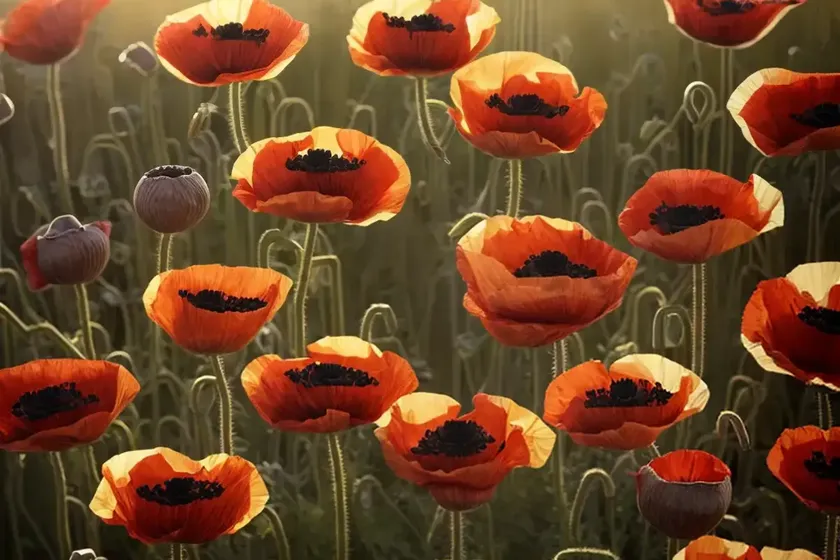
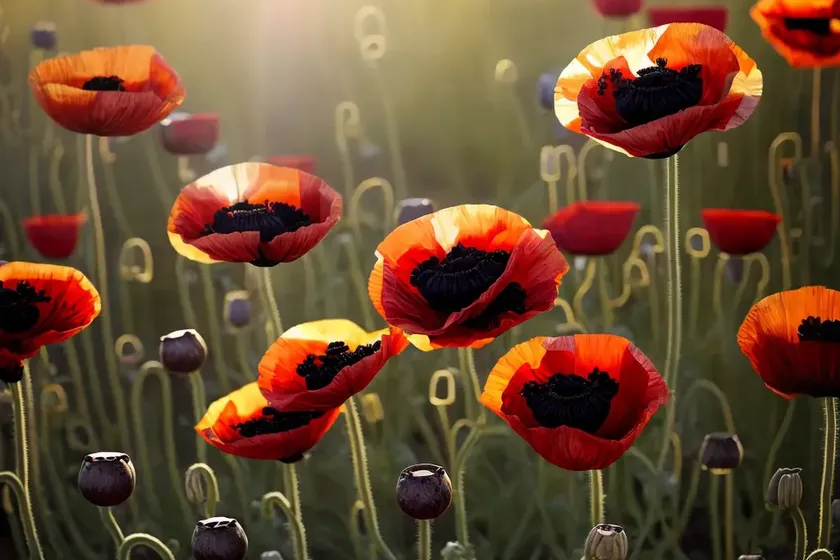
Welcome to today’s blog post! In this comprehensive guide, we will delve into the fascinating world of Papaver somniferum ‘Danish Flag,’ commonly known as the Opium Poppy. As a plant scientist, I am excited to share valuable insights about the cultivation, uses, maintenance, and interesting facts about this beautiful and intriguing plant.
What is Papaver somniferum ‘Danish Flag’?
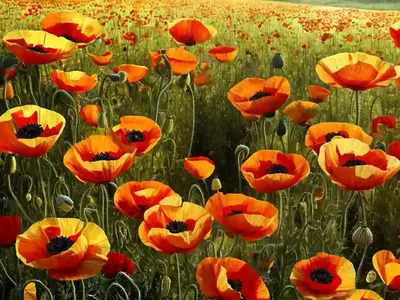
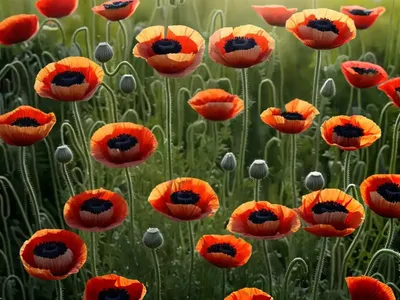
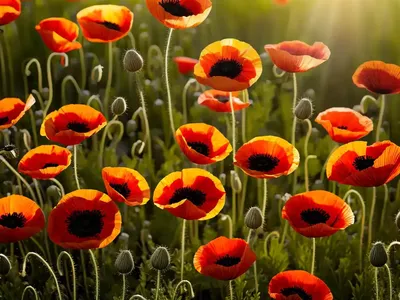
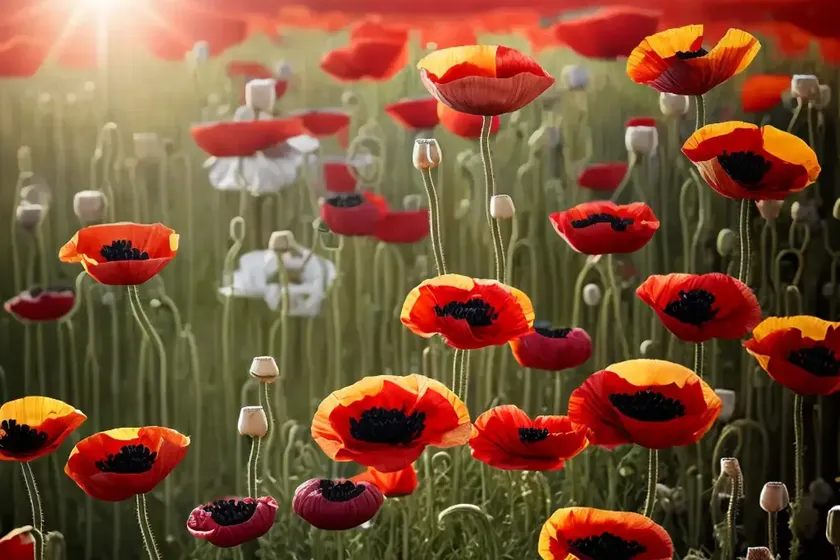
Papaver somniferum ‘Danish Flag’ is a stunning variety of the opium poppy, a species known for its vibrant flowers and historical significance. This particular cultivar is distinct for its striking red and white petals, resembling the colors of the Danish flag, from which it derives its name.
The Opium Poppy is an annual flowering plant belonging to the Papaveraceae family, known for its ornamental and medicinal properties. It has been cultivated for centuries and holds cultural significance in various parts of the world.
Key Takeaways – Papaver somniferum ‘Danish Flag’
Let’s explore the key takeaways related to the care, cultivation, uses, and maintenance of Papaver somniferum ‘Danish Flag.’
Culture
- The Opium Poppy has been deeply ingrained in human culture and history, with references dating back to ancient civilizations.
- It holds symbolic and medicinal significance in different cultures across the globe.
- The cultivation and consumption of opium and its derivatives have played a pivotal role in shaping world events.
Uses
- The plant has both ornamental and medicinal uses.
- Its striking blooms make it a popular choice for ornamental gardens and landscapes.
- Historically, opium extracted from the plant has been used for its analgesic and narcotic properties.
- The seeds are also utilized in culinary applications and oil production.
Water
- Opium Poppies require regular watering, particularly during dry spells and periods of active growth.
- Adequate moisture is essential for healthy flower and seed production.
Sunlight
- This plant thrives in full sunlight and prefers well-lit conditions for optimal growth and flowering.
- It is important to provide sufficient sunlight for the plant to flourish.
Fertilizer
- A well-balanced fertilizer can support the growth and development of Papaver somniferum ‘Danish Flag.’
- Fertilize the soil before planting and consider additional applications during the growing season if necessary.
Soil
- Well-drained, loamy soil with good fertility is ideal for cultivating Opium Poppies.
- A slightly alkaline soil pH is preferred by these plants.
Pruning
- Minimal pruning is required for Opium Poppies, primarily for deadheading spent flowers to encourage continuous blooming.
Propagation
- The plant can be propagated from seeds, which are easily collected from mature seed pods.
Container Popularity
- Opium Poppies can thrive in containers, making them an excellent choice for balcony gardens, patios, and urban spaces.
Common Diseases: Disease Diagnosis
- While Opium Poppies are relatively low-maintenance, they may be susceptible to certain fungal diseases such as powdery mildew and damping off.
- Proper diagnosis and timely treatment are essential to manage and prevent diseases.
Common Pests
- Aphids, thrips, and flea beetles are among the common pests that may affect Opium Poppies.
- Regular inspection and appropriate pest control measures can help mitigate infestations.
Botanist’s Tips
- When growing Papaver somniferum ‘Danish Flag,’ ensure adequate spacing between plants for better air circulation and reduced risk of diseases.
- Deadhead the flowers regularly to promote prolonged flowering and prevent self-seeding in the garden.
Fun Facts
- Opium Poppies have been depicted in art and literature for centuries, showcasing their cultural and aesthetic significance.
- The poppy flower holds symbolic meaning, often associated with remembrance and commemoration.
Links to External Resources
- Royal Horticultural Society – Papaver somniferum ‘Danish Flag’
- The Opium Poppy: Botany and Identification of Papaver somniferum
- Medicinal Uses of Opium Throughout History
Now that we have gained a broader understanding of the key aspects related to Papaver somniferum ‘Danish Flag,’ let’s delve deeper into each of these factors to uncover the nuances of cultivating and caring for this captivating plant.
Papaver somniferum ‘Danish Flag’ Care
The care and cultivation of Papaver somniferum ‘Danish Flag’ involve various factors that contribute to its overall health and vitality as a garden ornamental. Let’s explore these aspects in detail.
Opium Poppy Growing Tips
When embarking on the journey of growing Papaver somniferum ‘Danish Flag,’ it is essential to consider the following growing tips for successful cultivation:
-
Selection of Growing Location: Choose a well-drained and sunny location for planting Opium Poppies. Full sunlight is crucial for robust growth and prolific flowering.
-
Soil Preparation: Prepare the soil by ensuring it is well-drained and rich in organic matter. Loamy soil with a slightly alkaline pH is ideal for opium poppies’ cultivation.
-
Sowing Seeds: Opium Poppy seeds can be sown directly into the garden soil in early spring, after the last frost date. Ensure the soil is moist for germination to occur.
-
Watering Regimen: Maintain consistent moisture levels during the germination and early growth stages. Once established, water the plants regularly, especially during dry spells.
-
Mulching: Apply a layer of organic mulch around the plants to conserve soil moisture, suppress weed growth, and maintain an even soil temperature.
-
Supporting Growth: Consider providing support for tall varieties to prevent them from toppling over in windy conditions.
-
Deadheading Flowers: Regularly remove spent flowers to encourage continuous blooming and prevent self-seeding in the garden.
By adhering to these growing tips, you can create an optimal environment for the successful cultivation of Papaver somniferum ‘Danish Flag.’
Opium Poppy Variety
Papaver somniferum encompasses a diverse range of varieties, each distinguished by unique characteristics such as flower color, size, and growth habits. Some notable Opium Poppy varieties include:
- ‘Black Swan’: This variety features deep purple-black petals with ruffled edges, creating a striking contrast in garden settings.
- ‘Lauren’s Grape’: Known for its rich, wine-colored blooms, this variety adds a touch of elegance to floral displays and landscapes.
- ‘Danebrog’: Similar to ‘Danish Flag,’ this variety displays the colors of the Danish flag with its red and white petals, paying homage to its national origins.
- ‘Drama Queen’: With dark, dramatic hues and ruffled petals, this variety stands out as a focal point in ornamental gardens.
Diversifying your garden with a selection of Opium Poppy varieties can introduce a captivating array of colors and forms, enhancing the visual appeal of outdoor spaces.
How to Grow Papaver somniferum ‘Danish Flag’
Cultivating Papaver somniferum ‘Danish Flag’ involves following specific steps to ensure the optimal growth and development of this striking plant.
-
Planting Time: Sow Opium Poppy seeds in early spring, once the threat of frost has passed. This allows the plants to establish and flourish during the growing season.
-
Seed Preparation: Prior to planting, soak the Opium Poppy seeds in water overnight to enhance germination rates.
-
Seed Sowing: Prepare the planting site by loosening the soil and removing any debris. Sow the seeds at a shallow depth and cover them lightly with soil.
-
Watering Schedule: Water the newly planted seeds gently to avoid displacing them. Maintain consistent moisture levels to support germination and early growth.
-
Thinning Seedlings: Once the seedlings emerge, thin them to ensure proper spacing and allow for adequate airflow between the plants.
-
Maintenance: Monitor the plants for signs of pests and diseases, and provide ongoing care by watering, mulching, and deadheading as necessary.
By following these steps, you can cultivate Papaver somniferum ‘Danish Flag’ with confidence and ensure its successful establishment in the garden.
Opium Poppy Planting Guide
A comprehensive planting guide can serve as a valuable resource for gardeners looking to embark on the journey of growing Papaver somniferum ‘Danish Flag.’ Here’s a step-by-step planting guide for Opium Poppies:
-
Site Selection: Choose a sunny location with well-drained soil for planting Opium Poppies.
-
Soil Preparation: Amend the soil with organic matter such as compost or well-rotted manure to improve its fertility and structure.
-
Seed Sowing: Sow Opium Poppy seeds directly into the prepared soil, ensuring they are spaced according to the specific requirements of the variety.
-
Watering: Gently water the planting area after sowing the seeds to settle them into the soil.
-
Mulching: Apply a layer of organic mulch around the plants to conserve moisture, suppress weeds, and promote a conducive soil environment.
-
Supporting Growth: Consider providing support structures for taller varieties to prevent bending or breakage of the stems.
-
Maintenance: Monitor the plants for signs of growth, watering them regularly, mulching, and providing care as needed to ensure their well-being.
By adhering to these guidelines, gardeners can set the stage for successful Opium Poppy cultivation and witness beautiful displays of red and white blooms.
Papaver somniferum ‘Danish Flag’ Maintenance
The maintenance of Papaver somniferum ‘Danish Flag’ involves ongoing care practices that support the plant’s health, longevity, and ornamental value in garden settings. Here are key maintenance considerations:
-
Watering: Maintain a consistent watering schedule, ensuring that the plants receive adequate moisture, particularly during dry spells and periods of active growth.
-
Mulching: Apply a layer of organic mulch to the soil surface, replenishing it as needed to retain soil moisture and suppress weed growth.
-
Deadheading: Remove spent flowers regularly to encourage continuous blooming and prevent the formation of seeds, which can lead to self-seeding in the garden.
-
Pest and Disease Management: Monitor the plants for common pests and diseases, taking appropriate measures to control infestations and prevent damage.
-
Fertilization: Consider supplementing the soil with a balanced fertilizer to provide essential nutrients for robust growth and flowering.
By integrating these maintenance practices into the care routine for Papaver somniferum ‘Danish Flag,’ gardeners can promote the plant’s well-being and maximize its ornamental appeal.
Opium Poppy Propagation Methods
Propagation of Papaver somniferum ‘Danish Flag’ can be achieved through various methods, offering gardeners the opportunity to expand their plantings and share the beauty of this distinctive cultivar. Here are the primary propagation methods for Opium Poppies:
-
Seed Propagation: Collect mature seeds from the plants and sow them directly into the soil or into seed-starting trays for indoor germination.
-
Division: In cases where the plant develops multiple stems, it may be possible to divide the root system to create new plantings.
-
Stem Cuttings: While less common for Papaver somniferum, stem cuttings can be taken to propagate the plants in specific growing conditions.
By exploring these propagation methods, gardeners can expand their Opium Poppy collection and share the beauty of Papaver somniferum ‘Danish Flag’ with fellow gardening enthusiasts.
Papaver somniferum ‘Danish Flag’ Facts
Delving into the intriguing facts about Papaver somniferum ‘Danish Flag’ can offer a deeper appreciation for this exceptional plant.
-
Cultural Significance: The Opium Poppy has held cultural significance for centuries, featuring in art, literature, and traditional ceremonies.
-
Medicinal History: Opium extracted from the plant has been used for its medicinal properties, particularly as an analgesic and narcotic substance.
-
Ornamental Appeal: The vibrant red and white blooms of ‘Danish Flag’ serve as a striking ornamental feature in garden landscapes.
-
Culinary Uses: Opium Poppy seeds are utilized in culinary applications, adding a delicate nutty flavor and texture to dishes.
-
Symbolism: The poppy flower holds symbolic meaning, often associated with remembrance, commemoration, and tribute.
Opium Poppy Medicinal Uses
Throughout history, Papaver somniferum has been esteemed for its medicinal properties and its role in traditional medicine. The plant’s therapeutic uses have been documented and continue to be explored for their potential applications. Some significant medicinal uses of the Opium Poppy include:
- Analgesic Properties: Opium and its derivatives have long been recognized for their pain-relieving properties, with applications in pain management and palliative care.
- Antitussive Effects: Substances derived from the Opium Poppy have been utilized as antitussive agents, providing relief from coughing and respiratory symptoms.
- Narcotic Applications: Certain compounds sourced from the plant have been harnessed for their sedative and narcotic effects in medical contexts.
- Traditional Remedies: The Opium Poppy has been incorporated into various traditional remedies for addressing ailments and promoting general well-being.
The historical and contemporary medicinal uses of Papaver somniferum underscore the plant’s significance in the realm of natural medicine and pharmacology.
Opium Poppy Growing Conditions
To optimize the growth and development of Papaver somniferum ‘Danish Flag,’ it is essential to provide favorable growing conditions that align with the plant’s requirements. Key considerations for Opium Poppy growing conditions include:
-
Sun Exposure: Opium Poppies thrive in full sunlight and require at least 6-8 hours of direct sunlight daily for robust growth and prolific flowering.
-
Water Requirements: These plants benefit from regular watering, particularly during the active growth phase and flowering period. Ensure that the soil remains consistently moist but well-drained.
-
Soil Preferences: Well-drained, loamy soil with good fertility is ideal for Opium Poppies. The soil should be amended with organic matter to enhance its structure and nutrient content.
-
Climatic Needs: Papaver somniferum ‘Danish Flag’ flourishes in temperate climates and is best suited to regions with mild to moderate temperatures during the growing season.
By tailoring the growing conditions to meet these requirements, gardeners can create an optimal environment for Papaver somniferum ‘Danish Flag’ to thrive and showcase its captivating blooms.
Opium Poppy Soil Preferences
Understanding the soil preferences of Papaver somniferum ‘Danish Flag’ is crucial for establishing a nurturing environment that supports the plant’s growth and vitality. The following soil preferences are essential for cultivating Opium Poppies:
- Well-Drained Soil: Opt for well-drained soil that prevents waterlogging and facilitates proper aeration of the root system.
- Loamy Texture: Opium Poppies thrive in loamy soil, which offers a balanced combination of sand, silt, and clay, promoting optimal root development and moisture retention.
- Fertile Composition: Amend the soil with organic matter such as compost or well-rotted manure to enrich its fertility and provide essential nutrients for the plants.
By accommodating these soil preferences, gardeners can create an environment that favors the growth, flowering, and overall well-being of Papaver somniferum ‘Danish Flag.’
Opium Poppy Harvesting Techniques
Harvesting Opium Poppies requires care and precision to ensure the collection of seeds and other plant materials at the appropriate stage of maturity. Here are fundamental techniques for harvesting Papaver somniferum ‘Danish Flag’:
-
Seed Collection: Wait for the seed pods to dry and turn a light brown color before harvesting the seeds. Carefully cut the seed pods from the plant and collect the seeds for culinary or propagation purposes.
-
Latex Collection: In regions where opium extraction is legally permitted, the latex produced by the plant can be harvested by making incisions in the immature seed pods.
-
Drying and Storage: Store harvested seeds in a dry, well-ventilated area to prevent mold and maintain their viability for future use.
By approaching the harvesting process with attentiveness and respect for the plant, gardeners can gather the fruits of their labor and appreciate the bountiful yield of Papaver somniferum ‘Danish Flag.’
Opium Poppy Pest Control
While cultivating Papaver somniferum ‘Danish Flag,’ it is important to be vigilant and proactive in implementing pest control measures to safeguard the plants from common pests. Some effective pest control strategies for Opium Poppies include:
-
Integrated Pest Management: Adopt a holistic approach to pest control, emphasizing preventive measures, cultural practices, and targeted interventions to manage pest populations.
-
Natural Predators: Encourage the presence of beneficial insects and natural predators that help regulate pest populations, such as ladybugs, lacewings, and parasitic wasps.
-
Companion Planting: Select companion plants that repel or deter common pests, contributing to a balanced and harmonious garden ecosystem.
By employing these pest control methods, gardeners can minimize pest damage and foster a healthy growing environment for Papaver somniferum ‘Danish Flag.’
Historical Significance of Papaver somniferum
Papaver somniferum holds a rich historical significance, with its cultivation and uses tracing back millennia across different cultures and civilizations. Exploring the historical significance of Opium Poppies reveals the following fascinating aspects:
- Cultural Rituals: The plant has been incorporated into cultural and religious rituals, symbolizing concepts of fertility, remembrance, and transformation.
- Medicinal Traditions: Through the ages, Opium Poppies have been esteemed for their pharmacological properties, with records of their therapeutic applications in ancient medical systems.
- Trade and Commerce: The historical trade of opium and its derivatives shaped geopolitical dynamics and economic interactions, contributing to significant historical events and conflicts.
- Cultural Artifacts: Artifacts and representations of the Opium Poppy in art, literature, and archaeological findings offer insights into its enduring cultural and aesthetic appeal.
By appreciating the historical significance of Papaver somniferum, we gain a deeper understanding of its enduring relevance and cultural resonance.
Conclusion
In conclusion, Papaver somniferum ‘Danish Flag’ encompasses a wealth of cultural, ornamental, and historical significance, offering a multifaceted tapestry of symbolism, uses, and beauty. By delving into its care, cultivation, and fascinating attributes, we gain a richer appreciation for this captivating plant and its enduring legacy.
Whether grown for its