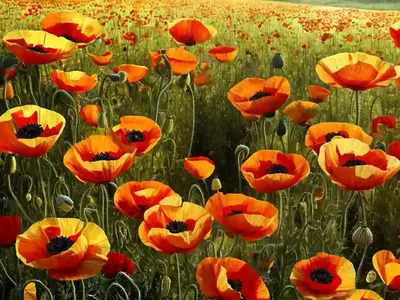
Papaver Somniferum ‘Blue Moon’ (Opium Poppy)
Opium poppy ‘Blue Moon’, scientifically known as Papaver somniferum ‘Blue Moon’, is a captivating plant that has been cultivated for centuries for its.
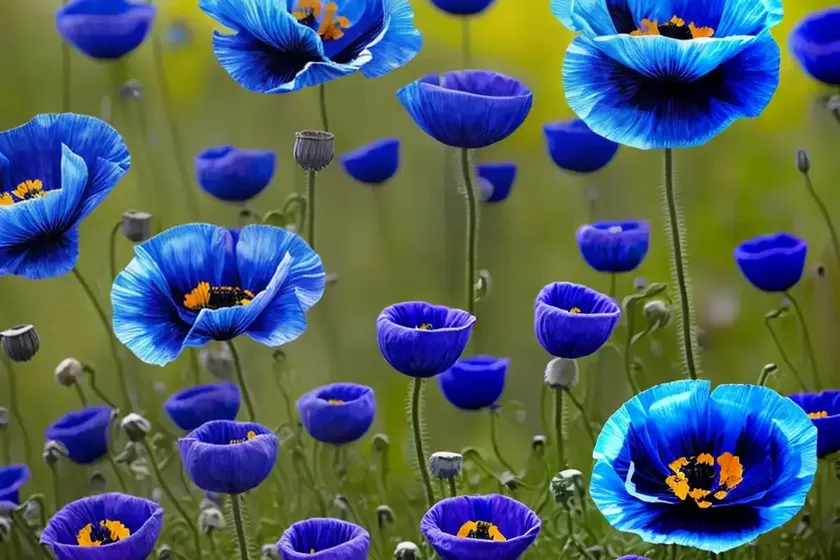
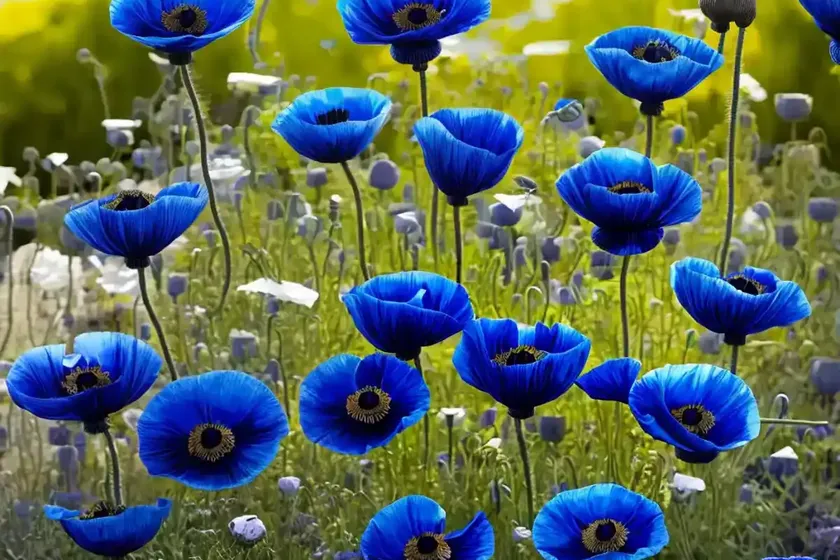

Opium poppy ‘Blue Moon’, scientifically known as Papaver somniferum ‘Blue Moon’, is a captivating plant that has been cultivated for centuries for its ornamental beauty, historical significance, and medicinal properties. This versatile plant has a rich cultural heritage and offers a plethora of uses and benefits. In this comprehensive guide, we will delve into the various aspects of Papaver somniferum ‘Blue Moon’, exploring its culture, uses, propagation, care tips, and much more.
Key Takeaways
Papaver somniferum ‘Blue Moon’ possesses a multitude of characteristics and features that make it a fascinating subject for enthusiasts, horticulturists, and botanists alike. Some of the key takeaways about this opulent plant include:
- Rich historical and cultural significance
- Ornamental beauty with striking blue-purple blooms
- Despite its controversial nature, it has diverse medicinal uses
- Requires well-drained soil and ample sunlight for optimal growth
- Proper pruning and maintenance are essential for plant health
- Can be propagated through both seeds and divisions
- Susceptible to certain diseases and pests, requiring vigilance
- Requires careful management due to its narcotic properties
- Offers a unique addition to landscape and garden designs
Now, let’s delve deeper into each of these key takeaways and explore the fascinating aspects of Papaver somniferum ‘Blue Moon’.
What is Papaver somniferum ‘Blue Moon’?
Papaver somniferum ‘Blue Moon’, commonly known as the Opium Poppy ‘Blue Moon’, is a herbaceous annual flowering plant that belongs to the Papaveraceae family. This striking plant is renowned for its oversized, cup-shaped flowers and unique coloration, typically featuring shades of blue and purple. It is also acclaimed for its role in the production of opium, which has historically been used for its analgesic and narcotic properties.
With its captivating beauty and diverse uses, Papaver somniferum ‘Blue Moon’ has garnered attention across various cultures and disciplines, including horticulture, medicine, and history. While its notoriety often centers around its opiate properties, this plant also holds significance in ornamental gardening and landscaping due to its alluring flowers and attractive foliage.
In the following sections, we will explore the different facets of Papaver somniferum ‘Blue Moon’, including its culture, uses, care requirements, propagation methods, common diseases and pests, as well as insightful tips and fun facts from a botanist’s perspective.
Culture
Water
Papaver somniferum ‘Blue Moon’ thrives in well-drained soil and generally prefers moderate watering, especially during dry periods. It is important to ensure that the soil does not become waterlogged, as excessive moisture can lead to root rot and other detrimental conditions. When watering the opium poppy, allow the soil to dry slightly between each watering session. This can help prevent issues related to overwatering while ensuring that the plant receives adequate moisture for healthy growth.
Sunlight
Like most flowering plants, Papaver somniferum ‘Blue Moon’ flourishes in full sunlight. It requires at least 6-8 hours of sunlight daily to maintain robust and vibrant blooms. Selecting a planting location that receives ample sunlight is crucial for the successful cultivation of this opulent species. In regions with scorching temperatures, providing partial shade during the hottest part of the day can help prevent heat stress and sunburn.
Fertilizer
When it comes to fertilization, Papaver somniferum ‘Blue Moon’ benefits from a balanced, all-purpose fertilizer that is applied during the early stages of growth. This provides essential nutrients that support strong root development and healthy foliage. However, it is important to avoid over-fertilizing, as excessive amounts of nitrogen can lead to lush foliage at the expense of flower production. A controlled-release fertilizer or a diluted, liquid fertilizer applied monthly during the growing season can help maintain optimal nutrition levels for the plant.
Soil
Opium poppies thrive in well-draining, loamy soil that is rich in organic matter. They are adaptable to various soil types but perform best in soil with good drainage, as they are susceptible to root rot if the soil becomes overly saturated. A slightly acidic to neutral soil pH (6.0-7.5) is ideal for Papaver somniferum ‘Blue Moon’. It is advisable to amend the soil with organic compost or well-rotted manure before planting to enhance its fertility and drainage capabilities.
Pruning
Pruning is an essential aspect of caring for Papaver somniferum ‘Blue Moon’. Regular deadheading, which involves the removal of spent flowers, not only promotes continuous blooming but also prevents the plant from expending energy on seed production. This encourages the opium poppy to redirect its resources toward new growth and flower production. Additionally, removing any diseased or damaged foliage can help maintain the plant’s overall health and vitality.
Uses
Ornamental Beauty
Papaver somniferum ‘Blue Moon’ is primarily cultivated for its striking ornamental value. The plant’s large, showy blooms and unique coloration make it a captivating addition to garden beds, borders, and container gardens. Its vibrant flowers, coupled with its attractive foliage, can create visually stunning displays that add a touch of elegance to any landscape.
Medicinal Purposes
The opium poppy has a long history of medicinal use, dating back to ancient times. While its primary use has been geared towards the production of opiates such as morphine and codeine, it also contains other compounds with potential therapeutic applications. The plant’s latex, derived from the unripe seed pods, has been utilized for its analgesic properties and as a source of various alkaloids.
Culinary Applications
In some cultures, the seeds of Papaver somniferum ‘Blue Moon’ are used in culinary preparations, adding a nutty flavor and crunchy texture to various dishes. While the seeds do not contain narcotic compounds, they are a rich source of essential nutrients such as unsaturated fats, protein, and dietary fiber. They are often used as a topping for bread, pastries, and confections or incorporated into savory dishes for added crunch and flavor.
Landscape Design
Due to its regal blooms and distinct foliage, the Opium Poppy ‘Blue Moon’ is sought after as a landscaping plant. Its ability to attract beneficial pollinators and its vibrant presence in mixed borders and cottage gardens make it a valuable asset for landscape design. Whether featured in mass plantings or as a solo focal point, this plant offers an enchanting visual appeal that enhances outdoor spaces.
Propagation
Papaver somniferum ‘Blue Moon’ can be propagated through both seeds and divisions, offering enthusiasts various options for expanding their opium poppy collection. Below are the primary methods of propagation for this captivating plant:
Seed Propagation
Seeds are the most common and straightforward method for propagating Papaver somniferum ‘Blue Moon’. The seeds should be sown directly into the garden soil or containers in the spring or fall, depending on the climate and growing conditions. It is essential to lightly cover the seeds with a thin layer of soil, as they require darkness to germinate successfully. Adequate moisture and warmth will promote germination, and as the seedlings develop, they can be thinned to allow ample space for growth.
Division
Division is another viable method for propagating Opium Poppy ‘Blue Moon’, particularly for established plants with multiple stems or offshoots. This process involves gently separating the plant into smaller sections, each containing a portion of the root system and foliage. These divisions can then be replanted in suitable locations, ensuring that they receive adequate water and care to promote successful establishment and growth.
Common Diseases and Pests
Disease Diagnosis
Papaver somniferum ‘Blue Moon’ is susceptible to certain diseases that can affect its overall health and appearance. Among the common issues that may arise are:
-
Gray Mold (Botrytis cinerea) – This fungal disease can lead to the development of grayish mold on plant tissues, affecting the flowers, stems, and leaves. It thrives in moist conditions and can be exacerbated by overcrowding and poor air circulation.
-
Downy Mildew – Characterized by the presence of fuzzy, grayish patches on the undersides of leaves, downy mildew is a common issue that affects a wide range of plant species. It is favored by high humidity and can cause defoliation, stunted growth, and reduced flower production.
Common Pests
In addition to diseases, Papaver somniferum ‘Blue Moon’ may also face challenges from various pests, including:
-
Aphids – These small, sap-sucking insects can cause damage to the plant by feeding on its sap, resulting in distorted growth, yellowing leaves, and wilting. They also excrete honeydew, which can attract sooty mold and other secondary issues.
-
Slugs and Snails – These mollusks are known to feed on the tender foliage and shoots of the opium poppy, leaving behind irregular holes and damage. They are particularly active during moist and humid conditions, posing a threat to the plant’s overall health.
Botanist’s Tips
Prudent Management
Given the controversial nature of Papaver somniferum ‘Blue Moon’ and its narcotic properties, it is imperative to exercise prudent management and caution when cultivating and handling this plant. Understanding the regulatory requirements and legal implications related to opium poppy cultivation is essential, particularly in regions where specific laws and restrictions are in place.
Vigilant Monitoring
Regular monitoring of the plant for signs of diseases, pests, and nutrient deficiencies is crucial for maintaining its health and vitality. By promptly addressing any issues that arise, such as yellowing leaves, abnormal growth, or pest infestations, enthusiasts can help sustain the opium poppy’s overall well-being and ornamental appeal.
Ethical Considerations
Given the historical and contemporary significance of opium poppies and their derivative substances, it is important to approach their cultivation and use with ethical considerations in mind. This includes being mindful of the potential implications and societal impact of engaging with a plant that has a complex history and varied perspectives across different cultures and societies.
Fun Facts
- The opium poppy has been cultivated for thousands of years and has ties to numerous ancient civilizations, including those in Mesopotamia, Egypt, and Greece.
- The plant’s species name, sommiferum, translates to “sleep-bringing,” reflecting its historical association with inducing sleep and providing relief from pain and discomfort.
- Opium poppies have been featured in works of art, literature, and folklore, often symbolizing themes of beauty, transformation, and the enigmatic nature of the natural world.
Links to External Resources
For a deeper understanding of Papaver somniferum ‘Blue Moon’ and related topics, the following resources offer valuable insights and information:
- Papaver somniferum ‘Blue Moon’ – Plant Profile and Care Guide
- Medicinal Uses of Opium Throughout History
- The Cultural Significance of Opium Poppy in Different Societies
Papaver somniferum ‘Blue Moon’ stands as a captivating symbol of beauty, history, and cultural significance. From its opulent blooms to its diverse uses, this plant continues to enchant and intrigue individuals across the globe. As we appreciate its ornamental allure and explore its multifaceted nature, it is essential to approach the Opium Poppy ‘Blue Moon’ with respect, mindfulness, and a deep appreciation for its heritage and contributions to human history and botanical knowledge.
Through thoughtful cultivation, ethical consideration, and a deeper understanding of its characteristics, we can celebrate the unique allure of Papaver somniferum ‘Blue Moon’ while honoring its complex and storied legacy.
In conclusion, the Opium Poppy ‘Blue Moon’ encapsulates the enduring interplay between botanical wonders, historical narratives, and the intricate connections between plants and humanity.
Keep the fascination growing, and the wisdom blooming!