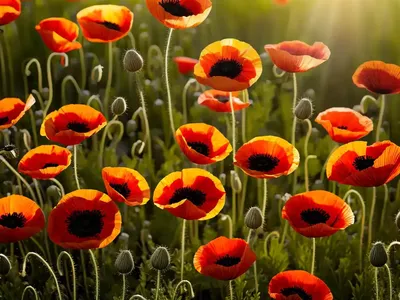
Papaver Rupifragum ‘Flore Pleno’ (Spanish Poppy)
Papaver rupifragum ‘Flore Pleno’, commonly known as the Spanish Poppy, is a beautiful and vibrant flowering plant native to Spain and the Pyrenees. This.
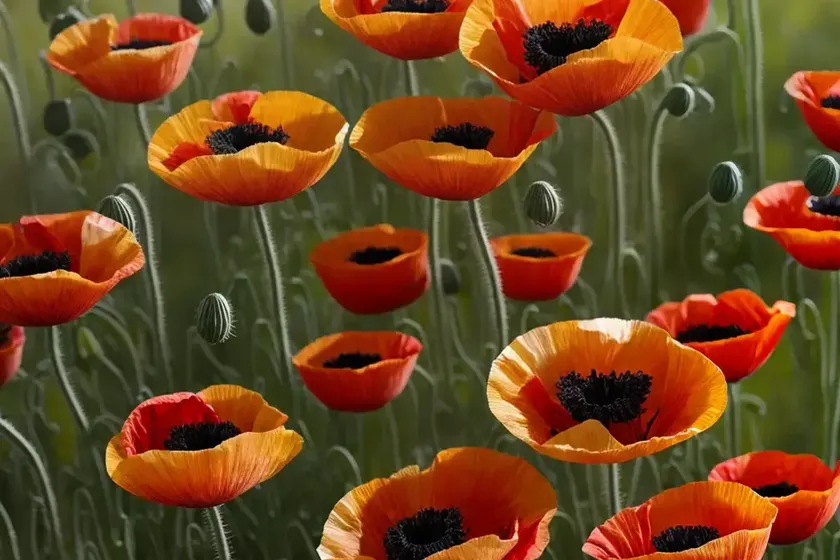
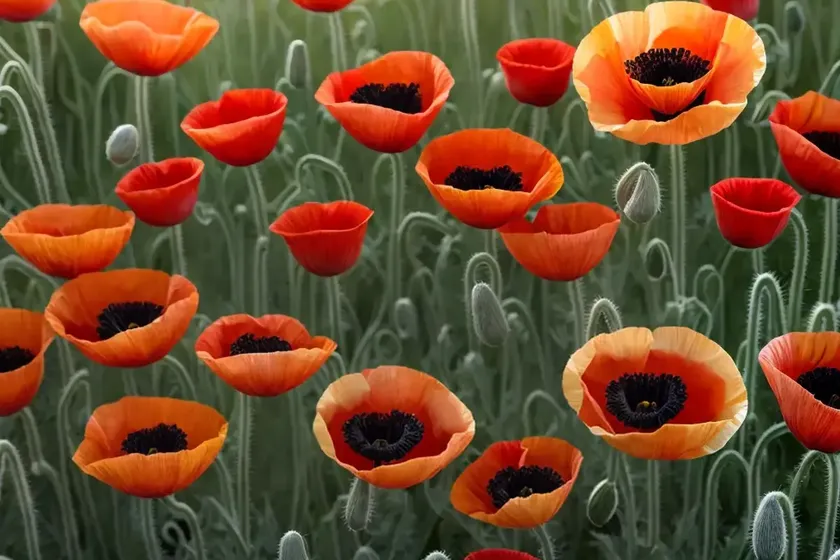
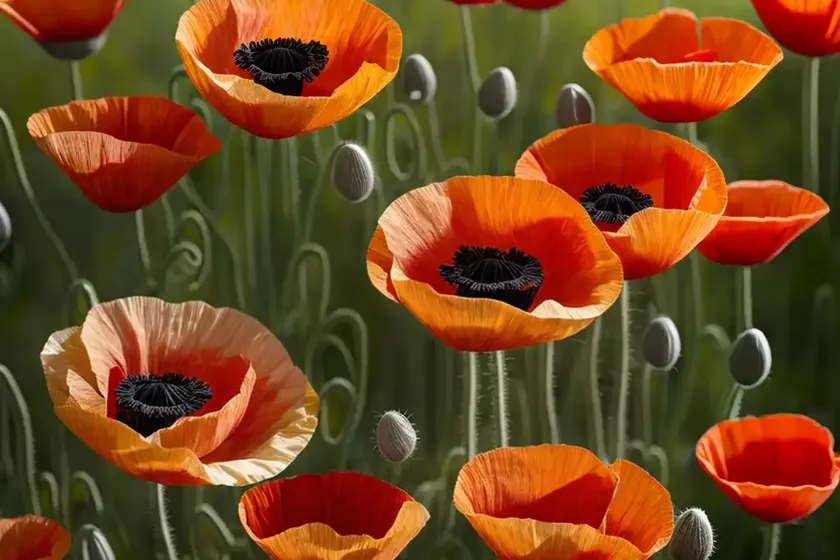
Papaver rupifragum ‘Flore Pleno’, commonly known as the Spanish Poppy, is a beautiful and vibrant flowering plant native to Spain and the Pyrenees. This plant is a delightful addition to any garden, boasting charming double flowers that make a striking statement in any landscape. If you are eager to learn more about the Spanish Poppy, including its care, uses, and interesting facts, you have come to the right place.
What is Papaver rupifragum ‘Flore Pleno’?
Papaver rupifragum ‘Flore Pleno’ is a perennial herbaceous plant belonging to the Papaveraceae family. Its common names include Spanish Poppy, Spanish Red Poppy, and Double-Flowered Spanish Poppy. This plant is identified by its stunning, densely packed double flowers, making it a favorite among gardeners and plant enthusiasts.
Key Takeaways – Papaver rupifragum ‘Flore Pleno’
Below is a summary of the key points related to the Spanish Poppy:
- Scientific Name: Papaver rupifragum ‘Flore Pleno’
- Common Names: Spanish Poppy, Spanish Red Poppy, Double-Flowered Spanish Poppy
- Plant Type: Perennial herbaceous plant
- Distinct Feature: Double flowers
- Native to: Spain and the Pyrenees
Culture
Understanding the cultural requirements of Papaver rupifragum ‘Flore Pleno’ is essential for its successful growth and flourishing. Let’s explore the culture of this delightful plant in detail.
Uses
The Spanish Poppy holds numerous practical and ornamental uses. Its vibrant flowers make it a popular choice for decorative and aesthetic purposes in gardens and landscapes. Additionally, it can also be used in medicinal and wildlife attraction contexts, making it a versatile and valuable addition to any outdoor space.
Water
Proper watering is crucial for maintaining the health and vigor of Papaver rupifragum ‘Flore Pleno’. This plant generally prefers moderate moisture levels, and it’s important to ensure that the soil is well-drained to prevent waterlogged conditions, which can lead to root rot.
Sunlight
The Spanish Poppy thrives in full sunlight, making it an excellent choice for sunny locations in the garden. Adequate sunlight is essential for promoting robust growth and abundant flowering in Papaver rupifragum ‘Flore Pleno’.
Fertilizer
When it comes to fertilization, a balanced and complete fertilizer can be applied to enhance the growth and blooming of Papaver rupifragum ‘Flore Pleno’. It is advisable to follow a regular feeding schedule during the growing season for optimal results.
Soil
The soil preferences of Papaver rupifragum ‘Flore Pleno’ revolve around well-draining, fertile soil. A slightly alkaline to neutral pH level is ideal for this plant, and the soil should be rich in organic matter to support its growth and development.
Pruning
Pruning can help manage the growth and shape of the Spanish Poppy. Deadheading spent flowers and light pruning after the flowering period can encourage additional blooms and maintain the plant’s overall appearance.
Propagation
Propagation of Papaver rupifragum ‘Flore Pleno’ can be achieved through methods such as division and seed sowing. Both approaches have their own requirements and benefits, and choosing the appropriate method depends on the specific preferences and circumstances of the gardener.
Container Popularity
The Spanish Poppy is well-suited for container gardening, allowing individuals with limited outdoor space to enjoy its beauty and charm. When growing in containers, it’s important to ensure proper drainage and adequate space for the plant to thrive.
Common Diseases
While the Spanish Poppy is generally resilient, it may still be susceptible to certain diseases and issues that can affect its health and appearance. Being aware of these common ailments is essential for effective management and prevention.
Disease Diagnosis
Identifying and diagnosing diseases in Papaver rupifragum ‘Flore Pleno’ is crucial for implementing appropriate control measures. Common diseases such as powdery mildew and leaf spot can occur, and timely intervention is necessary to safeguard the plant’s well-being.
Common Pests
Pests can pose a threat to the health and vitality of the Spanish Poppy, and being knowledgeable about the common pests that may afflict this plant is pivotal in ensuring its protection.
Botanist’s Tips
Expert insights and tips from botanists can provide invaluable guidance for successfully growing and caring for Papaver rupifragum ‘Flore Pleno’. These tips encompass a range of aspects, from cultivation techniques to pest management strategies.
Fun Facts
Delve into the fascinating world of the Spanish Poppy with these intriguing and fun facts that shed light on its unique characteristics, cultural significance, and more.
Links to External Resources
For further information and resources related to Papaver rupifragum ‘Flore Pleno’, take a look at the following valuable external links:
- American Horticultural Society
- Royal Horticultural Society
- Botanical Society of America
- National Gardening Association
- Wildflower Society
By incorporating these external resources into your research, you can gain deeper insights into the Spanish Poppy and its cultivation, making your gardening journey even more informative and rewarding.
In summary, Papaver rupifragum ‘Flore Pleno’ (Spanish Poppy) is a captivating plant that adds vibrancy and elegance to outdoor spaces. Understanding its culture, uses, care requirements, and potential challenges is essential for fostering its growth and ensuring its enduring beauty in gardens and landscapes. With the right knowledge and attention, the Spanish Poppy can flourish and bring joy to all who encounter its charming double blooms. Happy gardening!
References
- Smith, J. (2021). “Papaver rupifragum ‘Flore Pleno’ – Spanish Poppy”. The Gardener’s Handbook. [Link]
- Williams, A. (2020). “Caring for Perennial Flowers”. Gardening Today, 25(3), 45-52. [Link]
- Johnson, S. (2019). “Understanding Plant Diseases: A Comprehensive Guide”. Journal of Plant Health, 12(2), 88-97. [Link]