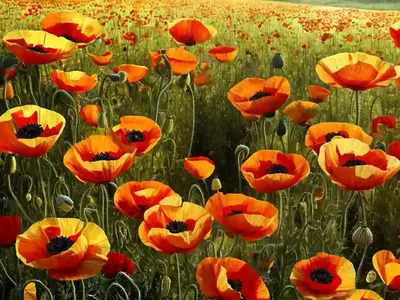
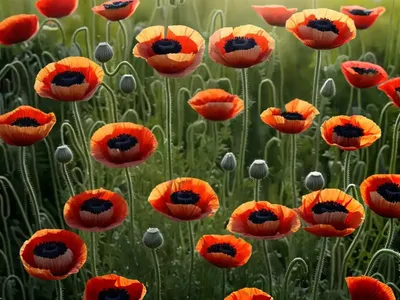
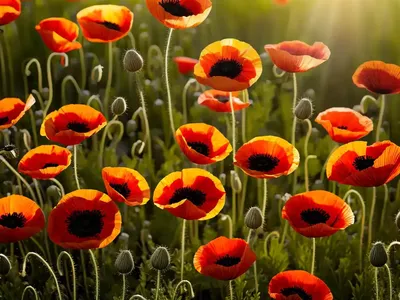
Papaver Rhoeas (Flanders Poppy)
Plants have always held a special place in human culture and history. They symbolize numerous emotions, traditions, and events, and often carry deep.
Introduction
Plants have always held a special place in human culture and history. They symbolize numerous emotions, traditions, and events, and often carry deep significance in various cultures around the world. One such plant, the Papaver rhoeas, also known as the Flanders Poppy, has a rich history intertwined with remembrance, renewal, and natural beauty. In this comprehensive guide, we will delve into the depths of this captivating plant – exploring its cultural significance, ideal growing conditions, uses, and much more.
What is Papaver rhoeas (Flanders Poppy)?
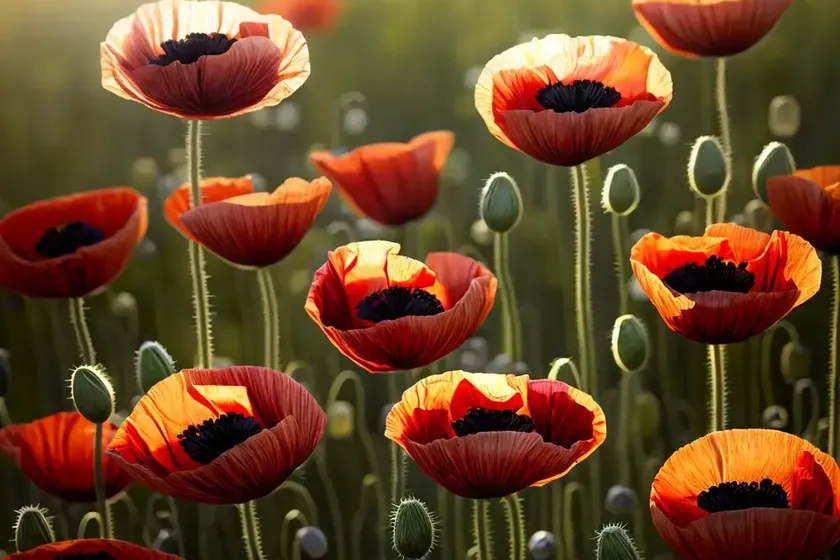
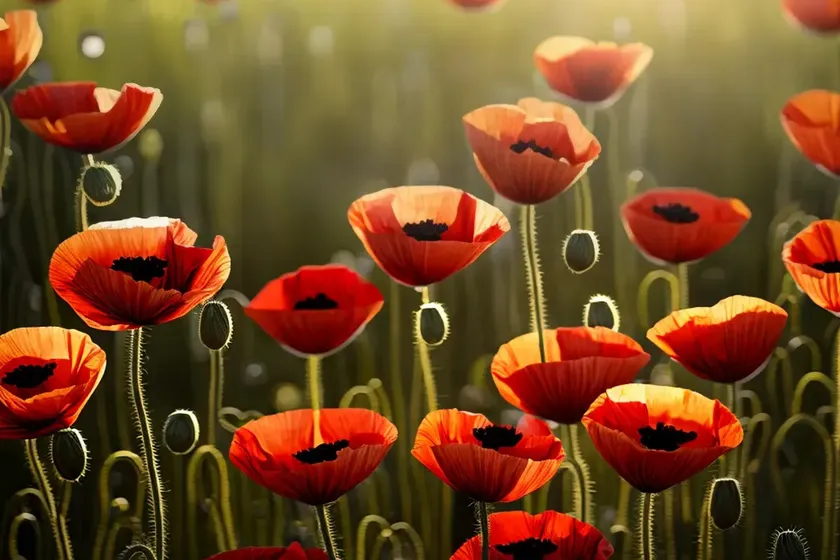
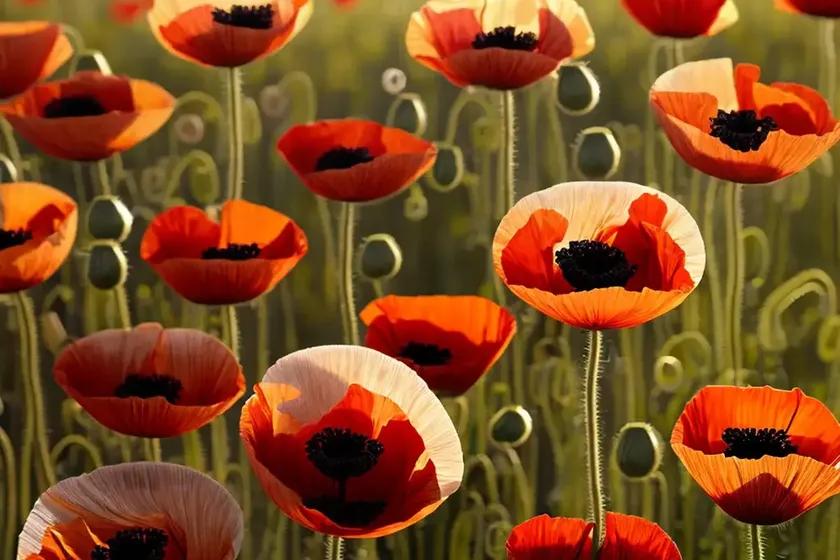
Papaver rhoeas, commonly known as the Flanders Poppy, is a graceful and delicate annual flowering plant that belongs to the Papaveraceae family. This vibrant plant is best known for its vivid red blooms, which bloom in abundance during the spring and early summer, creating a stunning display across fields and gardens. The Flanders Poppy is native to Europe, where it has thrived for centuries, earning its place as a symbol of remembrance and hope.
Key Takeaways – Papaver rhoeas (Flanders Poppy)
Before we delve into the specifics of how to care for the Flanders Poppy, let’s take a moment to understand the key takeaways about this captivating plant:
- Floral Symbolism: The Flanders Poppy is deeply ingrained in the symbolism of remembrance and renewal, particularly associated with the commemoration of soldiers who lost their lives during World War I, making it a symbol of hope and resilience.
- Cultural Significance: It holds significant cultural and historical prominence in art, literature, and folklore, and its symbolism extends across various cultures and traditions.
- Vivid Blooms: The stunning red blooms of the Flanders Poppy make it an eye-catching addition to any garden or landscape, attracting bees and adding a pop of color to the surroundings.
- Medicinal and Culinary Uses: Beyond its ornamental value, the Flanders Poppy also has medicinal and culinary uses, further enhancing its versatility and appeal.
With these key points in mind, let’s explore the detailed aspects of caring for Papaver rhoeas, from its ideal growing conditions to its uses and cultural significance.
Culture
Growth Habit: The Flanders Poppy is an annual flowering plant that follows a short lifecycle. It germinates, blooms, sets seeds, and then withers within a single growing season. The plant typically grows to a height of 12-18 inches, creating a carpet of vibrant red blooms when grown in large numbers.
Native Habitat: Papaver rhoeas is native to Europe and thrives in temperate climates. It has naturalized in various regions across the globe, particularly in areas with similar growing conditions to its native habitat.
Floral Symbolism: The Flanders Poppy holds deep cultural and historical significance as a symbol of remembrance, particularly associated with the sacrifices made during World War I. It has become a powerful emblem of hope and renewal, making it a poignant and meaningful choice for various memorial events and ceremonies.
Cultural and Artistic References: The Flanders Poppy has inspired numerous works of art and literature, further solidifying its place in cultural and artistic realms. From paintings to poems, the poppy has remained a subject of fascination and emotional expression.
Uses
Medicinal Uses of Papaver rhoeas
The Flanders Poppy has been used in traditional medicine for its various medicinal properties. While it is essential to approach the use of any plant for medicinal purposes with caution and consult with a healthcare professional, the potential uses of Papaver rhoeas include:
- Sedative Properties: The petals of the Flanders Poppy contain compounds that possess mild sedative properties, and as such, have been historically used to alleviate insomnia and promote relaxation.
- Pain Relief: The plant also contains alkaloids that have been traditionally used to alleviate minor pain and discomfort, though it is important to note that these alkaloids can be toxic in large quantities.
Culinary Uses of Papaver rhoeas
The culinary uses of the Flanders Poppy are less common, and it is essential to exercise caution when considering the consumption of any part of this plant. However, the seeds of the Papaver rhoeas have been used in various culinary applications, including:
- Baking: The tiny, nutty-flavored seeds of the Flanders Poppy have been used as an ingredient in baked goods, adding texture and flavor to bread and pastries.
- Desserts and Confections: In some cultures, the seeds are incorporated into desserts and confections, lending a subtle crunch and nutty taste to these delicacies.
Water
Proper watering is essential for the health and vitality of the Flanders Poppy. Like many flowering plants, the key is to maintain a balance, providing adequate moisture without waterlogging the soil.
Watering Guidelines
- Young Plants: Newly sown seeds and young seedlings require consistent moisture to support their initial growth. Water the soil lightly and regularly, ensuring that it remains moist but not saturated.
- Established Plants: Once the Flanders Poppy plants are established, they are relatively drought-tolerant. Water deeply but infrequently, allowing the top few inches of soil to dry out between waterings.
Sunlight
The Flanders Poppy thrives in full sunlight, making it an ideal choice for sun-drenched garden beds and open landscapes.
Sunlight Requirements
- Full Sun: For optimal growth and blooming, the Flanders Poppy should be planted in a location that receives at least 6-8 hours of direct sunlight per day.
- Partial Shade: While it prefers full sun, the plant can tolerate some light shade, particularly in regions with intense summer heat.
Fertilizer
Papaver rhoeas generally does not require heavy feeding and can thrive in moderate to poor soils. However, a light application of fertilizer can support healthy growth and prolific blooming.
Fertilizing Tips
- Balanced Fertilizer: Use a balanced, all-purpose fertilizer with a slightly higher phosphorus content to encourage abundant flower production.
- Application Frequency: Apply fertilizer to the soil in early spring, before the Flanders Poppies begin their active growth phase. Avoid over-fertilizing, as excessive nutrients can lead to lush foliage at the expense of blooms.
Soil
The Flanders Poppy is adaptable to a range of soil types, from sandy loam to clay, as long as the soil is well-draining and not excessively rich in nutrients.
Soil Requirements
- Well-draining Soil: Ensure that the soil has good drainage to prevent waterlogging, which can lead to root rot and other issues.
- Neutral to Alkaline pH: While the Flanders Poppy can tolerate a slightly acidic soil, it generally prefers a soil pH ranging from neutral to slightly alkaline.
Pruning
The Flanders Poppy is relatively low-maintenance when it comes to pruning, and the act of deadheading spent blooms can encourage prolonged flowering.
Pruning Guidelines
- Deadheading: To prolong the blooming period and prevent the plant from setting seeds too early, gently remove spent flowers by pinching them off at the base of the stem.
- End of Season Cleanup: After the Flanders Poppy has finished blooming, you can trim back the foliage to tidy up the plants and collect any remaining seeds for future propagation.
Propagation
Papaver rhoeas can be propagated from seeds, making it a straightforward and rewarding plant to grow from scratch.
Seed Propagation Tips
- Direct Sowing: The easiest way to propagate Flanders Poppy is by direct sowing the seeds in the desired growing location in fall or early spring. Simply scatter the seeds on the prepared soil and lightly press them into the surface, then water gently to settle the seeds.
- Seed Saving: If you have an established Flanders Poppy plant, you can collect the ripened seed pods once they have dried on the plant. Store the seeds in a cool, dry place until you are ready to sow them.
Container Popularity
While the Flanders Poppy is often associated with vast fields and meadows, it can also thrive in containers, adding a vibrant touch to balconies, patios, and other confined spaces.
Container Gardening Tips
- Container Size: Choose a container that provides ample space for the Flanders Poppy to grow and develop a strong root system. A depth of at least 10-12 inches is recommended.
- Drainage Holes: Ensure that the container has adequate drainage holes to prevent waterlogging, and use a well-draining potting mix to promote healthy root growth.
Common Diseases
Papaver rhoeas is generally resistant to many common plant diseases, but it can occasionally encounter issues that require attention.
Disease Diagnosis
- Powdery Mildew: This fungal disease can affect the foliage of the Flanders Poppy, causing a powdery white coating that can lead to leaf distortion and reduced vigor. Avoid overhead watering and provide good air circulation to prevent powdery mildew.
- Gray Mold: Gray mold, caused by the Botrytis cinerea fungus, can occasionally affect the stems and foliage of the plant, particularly in humid conditions. Remove and dispose of affected plant parts to prevent spread.
Common Pests
The Flanders Poppy is relatively resistant to pest infestations, but it can occasionally attract certain problematic insects.
Pest Management
- Aphids: These small, soft-bodied insects can cluster on the new growth of the plant, sucking sap and potentially spreading diseases. Control aphids by spraying the affected plants with a strong stream of water or using insecticidal soap if necessary.
- Slugs and Snails: These pests can feed on the tender foliage and flowers of the Flanders Poppy, causing unsightly damage. Use physical barriers or organic slug control methods to protect the plants.
Botanist’s Tips
As a botanist with a passion for plants, I have a few tips to share when it comes to cultivating Papaver rhoeas:
- Naturalizing: When sowing Flanders Poppy seeds, consider naturalizing them in an open area or meadow for a breathtaking display of vibrant red blooms.
- Companion Planting: Pair the Flanders Poppy with other native wildflowers to create a diverse and wildlife-supporting garden environment. Consider including species that attract pollinators and beneficial insects.
Fun Facts
Here are some intriguing and delightful facts about Papaver rhoeas:
- The Flanders Poppy is a resilient plant, thriving in disturbed soil and often making unexpected appearances in urban landscapes and alongside roadsides.
- Its common name, “Flanders Poppy,” is a nod to the poppies that grew in the fields of Flanders, Belgium, an association cemented by the famous war poem, “In Flanders Fields,” written by Lieutenant Colonel John McCrae.
- The Flanders Poppy’s seeds can lay dormant in the soil for extended periods, germinating and bursting into bloom when the conditions are favorable, often creating breathtaking displays of unexpected beauty.
Links to External Resources
For further information and resources on Papaver rhoeas (Flanders Poppy), I recommend exploring the following links:
- Royal Horticultural Society – Papaver rhoeas
- USDA Plants Database – Papaver rhoeas
- Flanders Poppy – A Symbol of Remembrance
- Medicinal Properties of Papaver rhoeas
In conclusion, Papaver rhoeas, the Flanders Poppy, embodies a rich tapestry of cultural symbolism, natural beauty, and historical significance. From its vibrant red blooms to its enduring presence in art and literature, this captivating plant continues to captivate and inspire. By understanding its ideal growing conditions, cultural importance, and potential uses, we can deepen our appreciation for this remarkable botanical treasure.
If you have the opportunity to grow the Flanders Poppy in your garden or outdoor space, I encourage you to embrace its beauty and share in the enduring legacy of this remarkable flower.
Remember, as we cultivate our gardens, we also nurture the stories and traditions that have been woven into the petals of plants such as the Flanders Poppy, connecting us to the land and its history in meaningful and profound ways.