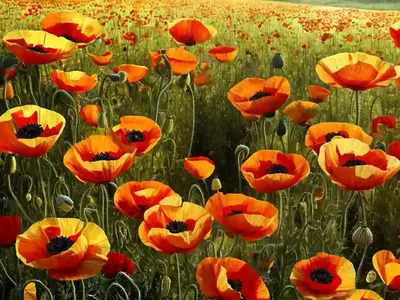
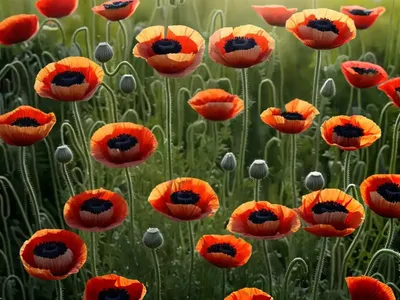
Papaver Orientale ‘Turkish Delight’ (Oriental Poppy)
Papaver orientale, commonly known as the Oriental Poppy, is a perennial flowering plant that belongs to the family Papaveraceae. The ‘Turkish Delight’.
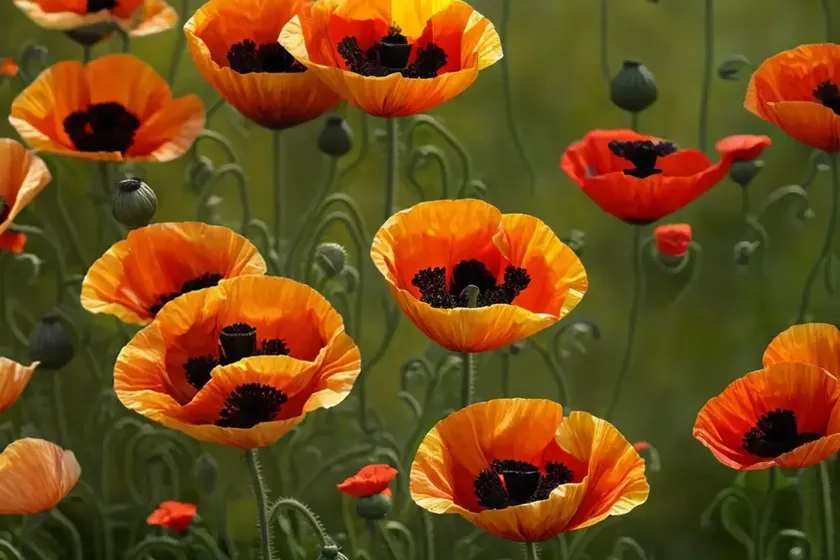
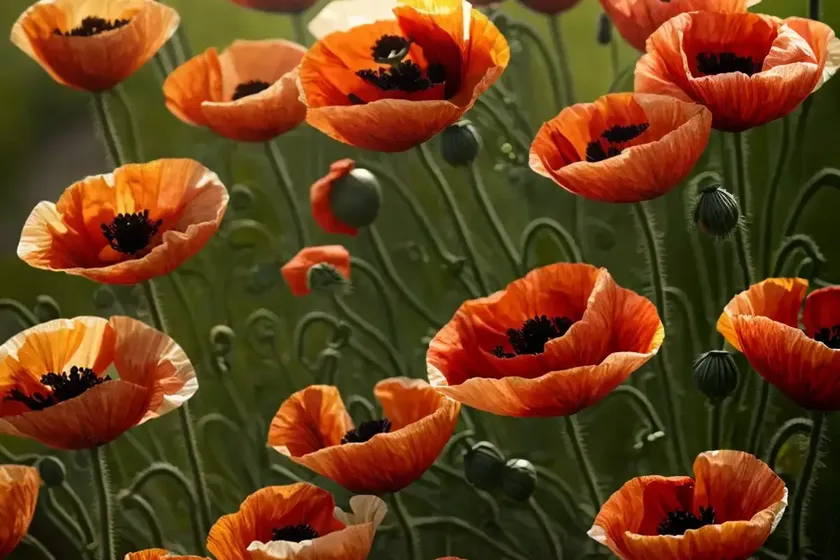
What is Papaver orientale ‘Turkish Delight’ (Oriental Poppy)?
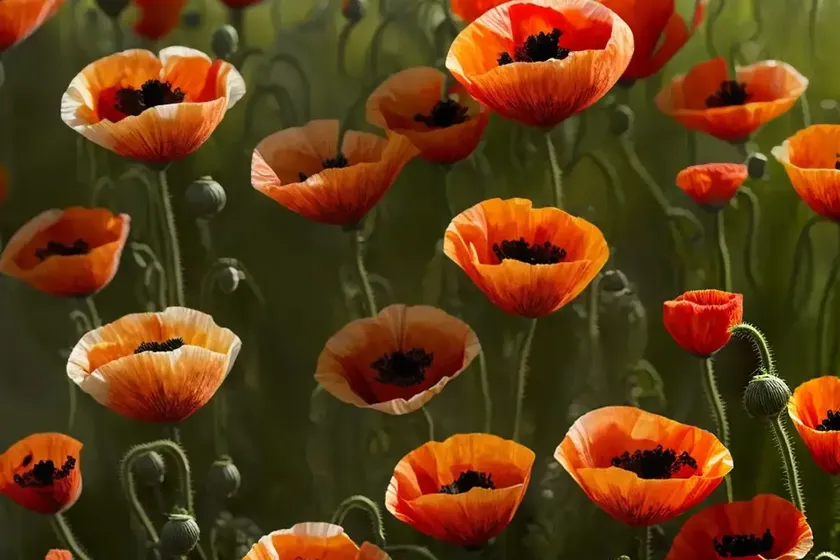
Papaver orientale, commonly known as the Oriental Poppy, is a perennial flowering plant that belongs to the family Papaveraceae. The ‘Turkish Delight’ variety is particularly renowned for its captivating, large, and showy blooms that add a vibrant touch to gardens and landscapes. These stunning flowers are native to the region extending from the eastern Mediterranean to the Caucasus. The ‘Turkish Delight’ Oriental Poppy is cherished for its prominent ornamental value, making it a favorite amongst gardeners and horticulturists.
Key Takeaways – Papaver orientale ‘Turkish Delight’ (Oriental Poppy)
Culture
- The ‘Turkish Delight’ Oriental Poppy thrives in temperate climates and is known for its low maintenance requirements.
- It is a drought-tolerant plant, making it suitable for xeriscaping and water-wise gardening.
- The plant can reach a height of 2 to 3 feet, creating an impressive display with its large, cup-shaped flowers.
Uses
- Ornamental purposes: The striking, crimson-hued flowers of ‘Turkish Delight’ Oriental Poppy make it a popular choice for adding visual interest to gardens, borders, and landscape designs.
- Cut flowers: The blooms of Oriental Poppies are often used in floral arrangements due to their vibrant colors.
Water
- The ‘Turkish Delight’ Oriental Poppy possesses moderate water needs. It is essential to ensure well-draining soil to prevent waterlogging, especially during the winter months.
Sunlight
- These plants thrive in full sun to partial shade, with at least 6 hours of direct sunlight being optimal for robust growth and abundant flowering.
Fertilizer
- A balanced, all-purpose fertilizer is suitable for ‘Turkish Delight’ Oriental Poppies. Apply the fertilizer in the spring to support vigorous growth and flowering.
Soil
- Well-draining soil is crucial for the successful cultivation of Oriental Poppies. They prefer slightly alkaline to neutral soil conditions.
Pruning
- After the flowering season, deadhead the spent blooms to encourage the plant’s energy towards producing new blooms and maintaining a tidy appearance.
Propagation
- Oriental Poppies can be propagated through division or by sowing seeds. Division is typically carried out in early spring or fall, while seed sowing can be performed in the autumn.
Container Popularity
- ‘Turkish Delight’ Oriental Poppies can be grown in containers, adding a pop of color to patios, balconies, and small outdoor spaces.
Common Diseases
- Fungal diseases: Oriental Poppies are susceptible to fungal infections such as powdery mildew and rust. Ensure proper air circulation and avoid overhead watering to prevent these diseases.
Disease Diagnosis
- Look for signs of discoloration, spots, or powdery residue on the leaves and stems, which can indicate a fungal infection.
Common Pests
- Aphids and slugs are common pests that may affect Oriental Poppies. Regular inspection and prompt intervention can help manage these pest issues.
Botanist’s Tips
- Plant Oriental Poppies in groupings or drifts to create a stunning visual impact in the garden.
- Consider companion planting with low-growing perennials or ornamental grasses to complement the striking blooms of ‘Turkish Delight’ Oriental Poppy.
Fun Facts
- The ‘Turkish Delight’ Oriental Poppy is named after its alluring resemblance to the delectable Turkish Delight candy.
- The botanical name, Papaver orientale, reflects the plant’s origins in the Eastern regions of the Mediterranean.
Links to External Resources
For further information on Oriental Poppies and gardening resources, the following links are recommended:
1. The Royal Horticultural Society – Papaver orientale
2. University of Vermont Extension Department of Plant and Soil Science – Oriental Poppies
3. Missouri Botanical Garden – Papaver orientale ‘Turkish Delight’
With its captivating blooms and easy-care nature, Papaver orientale ‘Turkish Delight’ (Oriental Poppy) is a delightful addition to any garden or landscape. Understanding its cultural needs, potential uses, and methods of maintenance can empower gardeners to cultivate and enjoy the beauty of this vibrant perennial plant.