Plant Scientist’s Guide to Panicle Hydrangea (Hydrangea paniculata ‘Piihp-1’ BABY LACE)
Introduction
As a plant scientist, I am thrilled to delve into the world of the Hydrangea paniculata cultivar, specifically the Hydrangea paniculata ‘Piihp-1’ BABY LACE. This delightful variety, commonly referred to as the Panicle Hydrangea, offers an array of striking attributes that make it a favorite among gardeners and horticulturists. Throughout this comprehensive guide, we will explore various aspects of caring for and understanding this beautiful plant, providing insights into its culture, uses, maintenance, and much more.
Let’s embark on a journey to uncover the intricacies of this charming and versatile plant species. By the end of this guide, you’ll be equipped with the knowledge and techniques needed to cultivate and nurture the Panicle Hydrangea in your garden or landscape.
What is the Panicle Hydrangea (Hydrangea paniculata ‘Piihp-1’ BABY LACE)?
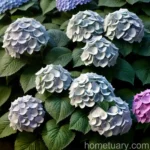
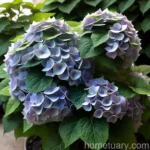
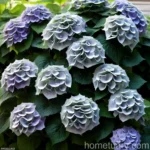
The Panicle Hydrangea, scientifically known as Hydrangea paniculata, is a deciduous shrub that belongs to the Hydrangeaceae family. It is renowned for its large and showy flower clusters, robust growth habits, and adaptability to various environmental conditions. The specific cultivar Hydrangea paniculata ‘Piihp-1’ BABY LACE, often referred to as Baby Lace, features delicate lacecap-like blooms and compact growth, making it an ideal choice for gardens, landscapes, and even containers.
This variety of Hydrangea paniculata typically exhibits a moderate growth rate, reaching an ultimate height and spread of approximately 4 to 6 feet, offering a manageable size that suits a wide range of outdoor settings. With its versatile characteristics and beautiful aesthetics, the Panicle Hydrangea is a sought-after plant for both professional landscapers and amateur gardeners.
Now, let’s delve into the key aspects of caring for the Hydrangea paniculata ‘Piihp-1’ BABY LACE, from its requirements for water, sunlight, and soil to pruning techniques, propagation methods, and common diseases and pests that may affect its growth.
Key Takeaways – Panicle Hydrangea (Hydrangea paniculata ‘Piihp-1’ BABY LACE)
Culture
The Panicle Hydrangea thrives in a culture that provides the ideal conditions for its growth and development. Understanding its cultural requirements is essential for cultivating healthy and vibrant plants. Here are the key cultural considerations for nurturing the Hydrangea paniculata ‘Piihp-1’ BABY LACE:
-
Water: Adequate watering is crucial, especially during the early stages of establishment and periods of dry weather. However, the plant should not be waterlogged, as excessive moisture can lead to root rot and other issues. A consistent watering schedule is recommended, ensuring that the soil remains moist but well-drained.
-
Sunlight: Panicle Hydrangeas thrive in partial to full sunlight, although they can tolerate some shade. However, to encourage robust flowering and overall health, it’s best to provide them with at least 4-6 hours of direct sunlight daily.
-
Soil: Well-draining, nutrient-rich soil is ideal for the Hydrangea paniculata ‘Piihp-1’ BABY LACE. The soil pH should be slightly acidic to neutral, ranging between 5.5 and 7.0. Amending the soil with organic matter can improve its structure and fertility, promoting optimal growth and blooming.
Uses
The Panicle Hydrangea, particularly the ‘Piihp-1’ BABY LACE cultivar, offers a multitude of uses in various settings, ranging from residential gardens to commercial landscapes. Its versatility and aesthetic appeal make it a valuable addition to outdoor spaces. Here are some common uses of this beautiful plant:
-
Gardens: As a focal point in garden beds or borders, the Panicle Hydrangea adds a splash of color and texture, enhancing the visual appeal of the landscape. It can also be incorporated into mixed shrub borders for a diverse and captivating display.
-
Landscapes: In larger landscapes and public gardens, the Hydrangea paniculata ‘Piihp-1’ BABY LACE serves as an attractive ornamental plant, offering a charming backdrop for other flowering perennials and shrubs.
-
Containers: Due to its compact size and manageable growth, this variety of Panicle Hydrangea is well-suited for container gardening. It can be featured in patio planters, decorative pots, or even used as a centerpiece in container arrangements.
These diverse applications showcase the adaptability and decorative value of the Panicle Hydrangea, making it a versatile choice for enhancing outdoor spaces.
Maintenance
Ensuring proper maintenance practices is integral to the long-term health and vitality of the Panicle Hydrangea. From pruning techniques to fertilization and disease management, implementing effective maintenance strategies can contribute to the plant’s overall well-being. Let’s explore the key maintenance considerations for the Hydrangea paniculata ‘Piihp-1’ BABY LACE:
-
Pruning: Pruning is essential for shaping the plant, removing dead wood, and promoting vigorous growth and flowering. Understanding the appropriate pruning techniques for the Panicle Hydrangea is crucial to avoid inadvertently reducing the potential for blooms. We will delve into specific pruning methods in detail later in this guide.
-
Fertilizer: Providing the plant with a balanced fertilizer can bolster its growth and blooming capacity. Selecting a fertilizer with a higher phosphorus content can encourage prolific flowering, while incorporating organic fertilizers can improve soil fertility and microbial activity.
-
Disease Management: Vigilance against common diseases, such as powdery mildew and leaf spot, is essential to prevent potential outbreaks. Implementing appropriate cultural practices and, if necessary, targeted treatment methods can safeguard the Hydrangea paniculata ‘Piihp-1’ BABY LACE against diseases.
By adhering to best practices for culture, uses, and maintenance, gardeners and horticulturists can harness the full potential of the Panicle Hydrangea, creating stunning outdoor displays and vibrant landscapes.
Continue reading here
Panicle Hydrangea Care: Cultivating Vibrant and Flourishing Plants
Caring for the Panicle Hydrangea (Hydrangea paniculata ‘Piihp-1’ BABY LACE) entails a strategic and attentive approach, encompassing various aspects such as watering, sunlight, fertilizer application, soil management, and pruning. Here, we will delve into the nuanced details of nurturing this beautiful shrub, enabling gardeners to foster healthy, robust, and thriving plants.
Water
A consistent and appropriately managed watering regimen is crucial for the well-being of the Panicle Hydrangea. This section details the optimal watering practices, ensuring that the plant receives the right amount of moisture to support its growth and blooming.
Panicle Hydrangea Watering Schedule
The watering schedule for the Hydrangea paniculata ‘Piihp-1’ BABY LACE should consider various factors, including environmental conditions, soil composition, and the plant’s stage of growth. Here’s a comprehensive overview of the watering requirements for this charming hydrangea cultivar:
-
Establishment Phase: During the initial establishment phase—typically the first growing season after planting— the Panicle Hydrangea requires regular watering to support root development and vitality. It is essential to ensure that the soil remains consistently moist, but not waterlogged, during this critical period. Frequent monitoring of soil moisture can help determine the appropriate frequency of watering.
-
Seasonal Needs: As the plant matures, its water requirements may fluctuate based on environmental factors such as temperature, precipitation, and humidity. During hot and dry spells, providing supplemental irrigation is crucial to prevent water stress and ensure the plant’s vigor. Conversely, in periods of prolonged rain, it’s important to mitigate excess moisture by adjusting the watering frequency accordingly.
-
Soil Conditions: The type of soil in which the Panicle Hydrangea is cultivated can significantly influence its water needs. Well-draining soil that retains moisture without becoming waterlogged is ideal. Sandy soils may necessitate more frequent watering, while clay soils may require moderation to prevent water accumulation around the roots.
-
Morning Watering: To optimize water absorption and minimize evaporation, it’s advisable to water the hydrangea in the morning. This allows the plant to utilize the moisture efficiently throughout the day, promoting healthy growth and blooming.
By adhering to a well-calibrated watering schedule and adjusting it based on seasonal and environmental factors, gardeners can provide the Panicle Hydrangea with the optimal moisture levels essential for its well-being.
Sunlight
Adequate exposure to sunlight is pivotal for the development of the Panicle Hydrangea, contributing to its flowering capacity, overall vigor, and aesthetic appeal. Understanding the plant’s sunlight requirements is essential for establishing thriving specimens in diverse outdoor settings.
Hydrangea paniculata Sun Requirements
The sunlight preferences of the Hydrangea paniculata ‘Piihp-1’ BABY LACE encompass a range of conditions, with partial to full sunlight being the most favorable. Here’s an in-depth exploration of the plant’s sunlight needs:
-
Partial Sun: Panicle Hydrangeas thrive in locations that receive partial sunlight, particularly during the morning hours. In regions with intense or prolonged sunlight exposure, providing the plant with some shade during the hottest part of the day can prevent stress and sunburn, especially for young and delicate leaves.
-
Full Sun: While tolerating partial shade, the Panicle Hydrangea exhibits its best growth and blooming performance when situated in areas with ample access to full sunlight. A minimum of 4-6 hours of direct sunlight daily is recommended to stimulate robust flowering and sturdy growth.
-
Shade Tolerance: Although the plant prefers sunlight, it also demonstrates a degree of tolerance to shaded environments. In settings with limited sunlight, such as under the canopy of larger trees or adjacent to tall structures, the Panicle Hydrangea can still thrive, albeit with potentially reduced flowering compared to plants in sunnier locations.
Understanding the balance between sunlight and shade is crucial for optimizing the growth and blooming potential of the Panicle Hydrangea. By selecting appropriate planting locations and addressing the plant’s sunlight requirements, gardeners can foster healthy and vibrant specimens in their outdoor spaces.
Fertilizer
The application of fertilizer plays a pivotal role in supplying essential nutrients to the Panicle Hydrangea, promoting robust growth, vibrant blooms, and overall plant health. Implementing a targeted fertilization regimen tailored to the specific needs of this cultivar can significantly enhance its performance and aesthetic appeal.
Hydrangea paniculata Fertilization
Fertilizing the Hydrangea paniculata ‘Piihp-1’ BABY LACE requires careful consideration of its nutrient requirements, soil composition, and the timing and frequency of fertilizer application. Here’s a comprehensive overview of the fertilization practices best suited for this charming hydrangea variety:
-
Balanced Fertilizer: Selecting a balanced fertilizer with a formulation such as 10-10-10 or 12-12-12 provides the essential macronutrients—nitrogen, phosphorus, and potassium—that contribute to overall plant vigor and flowering. A general-purpose, slow-release fertilizer can offer sustained nutrition over an extended period, reducing the need for frequent applications.
-
Phosphorus Emphasis: To stimulate prolific flowering and the development of robust blooms, incorporating a fertilizer with a higher phosphorus content is advantageous. Phosphorus plays a critical role in promoting flower formation and enhancing bloom size and intensity.
-
Organic Fertilizers: Supplementing the soil with organic fertilizers such as compost, well-rotted manure, or organic plant-based amendments can enrich the soil structure and foster microbial activity. Organic fertilizers contribute to long-term soil fertility, supporting the overall well-being of the Panicle Hydrangea and other beneficial organisms within the soil ecosystem.
-
Application Timing: Applying fertilizer at the appropriate times—such as early spring before new growth emerges—can ensure that the Panicle Hydrangea receives the necessary nutrients to fuel its seasonal development. Avoiding excessive late-season fertilization helps prevent tender new growth that may be susceptible to frost damage.
By adopting a targeted approach to fertilizing the Panicle Hydrangea and aligning the application with its growth stages and seasonal demands, gardeners can optimize the plant’s blooming potential and longevity.
Soil
The soil composition and fertility directly impact the growth, blooming capacity, and overall health of the Panicle Hydrangea. Tailoring the soil management practices to meet the specific needs of this cultivar is essential for establishing thriving specimens in diverse outdoor environments.
Hydrangea paniculata Soil Requirements
Cultivating the Hydrangea paniculata ‘Piihp-1’ BABY LACE in soil with the requisite characteristics is fundamental for supporting its vigorous growth and abundant blooming. Here’s an in-depth exploration of the soil requirements for this esteemed hydrangea variety:
-
Well-Draining Soil: Providing the Panicle Hydrangea with well-draining soil that facilitates moisture retention without waterlogging is essential. Waterlogged soil can lead to root suffocation and the onset of various issues, including root rot and fungal diseases. Amending the soil with organic matter, such as compost or peat moss, can improve drainage and enhance soil structure.
-
Acidic to Neutral pH: The optimal soil pH range for the Hydrangea paniculata ‘Piihp-1’ BABY LACE is slightly acidic to neutral, typically between 5.5 and 7.0. Ensuring that the soil pH falls within this range allows the plant to effectively access essential nutrients and minerals, supporting its overall vitality and blooming potential.
-
Nutrient-Rich Soil: Enriching the soil with organic matter, such as compost, well-rotted manure, or organic amendments, can enhance its fertility and microbial activity. This fosters a thriving soil ecosystem, promoting the health and resilience of the Panicle Hydrangea and beneficial organisms within the soil.
-
Soil Amendment: Periodically amending the soil with organic matter, especially before planting or during the early stages of establishment, can improve its structure, water retention capacity, and nutrient availability. This practice contributes to long-term soil fertility and the sustained well-being of the Panicle Hydrangea.
By understanding and addressing the specific soil requirements of the Panicle Hydrangea, gardeners can establish a robust foundation for healthy, vibrant, and flourishing plants, ensuring their long-term success in diverse outdoor settings.
Pruning
Pruning the Panicle Hydrangea is an essential practice for maintaining its shape, stimulating vigorous growth, and enhancing its blooming potential. Employing appropriate pruning techniques tailored to the growth habits and flowering characteristics of the Hydrangea paniculata ‘Piihp-1’ BABY LACE is crucial for achieving optimal results.
Hydrangea paniculata Pruning Techniques
Pruning the Panicle Hydrangea requires a strategic approach aimed at shaping the plant, removing dead or damaged wood, and promoting prolific flowering. Understanding the techniques and timing of pruning is essential for maintaining the health and aesthetic appeal of this charming hydrangea cultivar. Here’s a detailed exploration of the pruning techniques best suited for the Hydrangea paniculata ‘Piihp-1’ BABY LACE:
-
Early Spring Pruning: Conducting pruning in early spring, before the emergence of new growth, allows gardeners to remove any dead or damaged branches and shape the plant to their desired form. This practice maintains the plant’s structural integrity and encourages the development of new, vigorous growth.
-
Removal of Spent Blooms: Deadheading or removing spent blooms promotes continuous blooming and prevents the formation of seeds, directing the plant’s energy towards the production of new flowers. This can foster a prolonged blooming period, extending the visual impact and ornamental value of the Panicle Hydrangea.
-
Thinning Out Overcrowded Growth: Thinning out dense or overcrowded growth within the interior of the plant allows for improved air circulation and light penetration, reducing the risk of disease and promoting overall plant health. Pruning excess growth also helps maintain a balanced and attractive silhouette.
-
Late Season Pruning: While early spring is the primary period for major pruning, conducting minor corrective pruning in late summer or early fall can address any additional shape or growth concerns. It’s important to avoid significant late-season pruning, as this may impact the formation of next year’s flower buds.
Adhering to these pruning techniques, in accordance with the growth habits and flowering patterns of the Hydrangea paniculata ‘Piihp-1’ BABY LACE, allows gardeners to promote the plant’s overall vigor, shape, and blooming capacity, resulting in healthy and visually appealing specimens.
Continue reading here
Propagation of Panicle Hydrangea: Growing New Plants with Success
Propagating the Panicle Hydrangea (Hydrangea paniculata ‘Piihp-1’ BABY LACE) enables gardeners to expand their plant collection, share cuttings with fellow enthusiasts, or rejuvenate aging specimens. Several effective propagation methods, ranging from stem cuttings to division, offer the opportunity to cultivate new plants with high success rates. Here, we will explore the various techniques for propagating this beloved hydrangea variety, equipping enthusiasts with the knowledge and skills needed to grow new plants successfully.
Propagation Techniques
The propagation of the Panicle Hydrangea encompasses several proven techniques that allow for the successful cultivation of new plants, maintaining the desirable characteristics of the parent plant. Understanding the nuances of each propagation method is essential for achieving optimal results. Here’s an in-depth exploration of the propagation techniques best suited for the Hydrangea paniculata ‘Piihp-1’ BABY LACE:
-
Stem Cuttings: Propagating the Panicle Hydrangea from stem cuttings offers a straightforward and effective means of generating new plants. Selecting healthy, non-flowering stems and treating them with a rooting hormone can enhance the chances of successful rooting and subsequent establishment.
-
Layering: Encouraging the growth of roots on a flexible stem while it is still attached to the parent plant—through a process known as layering—can yield rooted plants ready for separation and transplantation. Layering is particularly suitable for establishing new plants with minimal disturbance and a high rate of success.
-
Division: Dividing established clumps of the Panicle Hydrangea enables gardeners to create multiple plants from a single specimen, rejuvenating older plants and generating new individuals. Carefully dividing the root ball into sections ensures that each division possesses sufficient root mass and foliage to support healthy growth.
-
Seed Propagation: While relatively less common, propagating the Panicle Hydrangea from seeds