Pampas Grass (Cortaderia Selloana)
Pampas grass, scientifically known as Cortaderia selloana, is a striking flowering plant native to South America, particularly the pampas region, which.
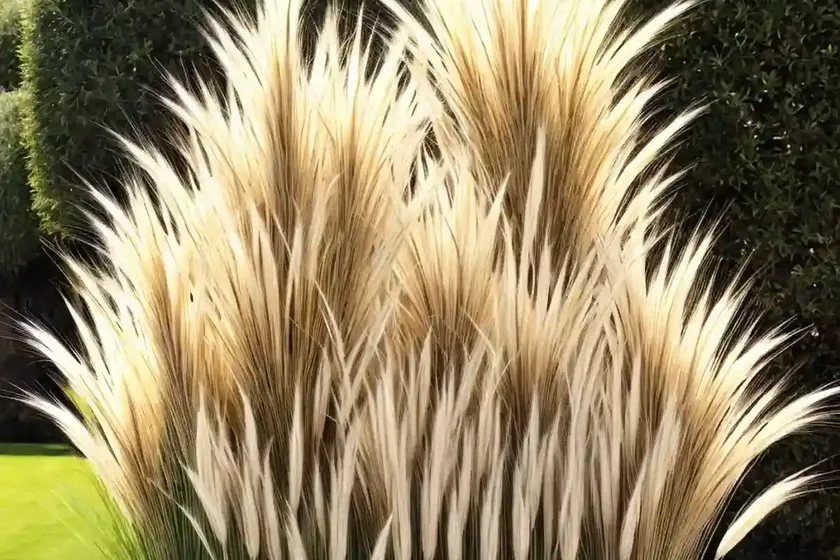
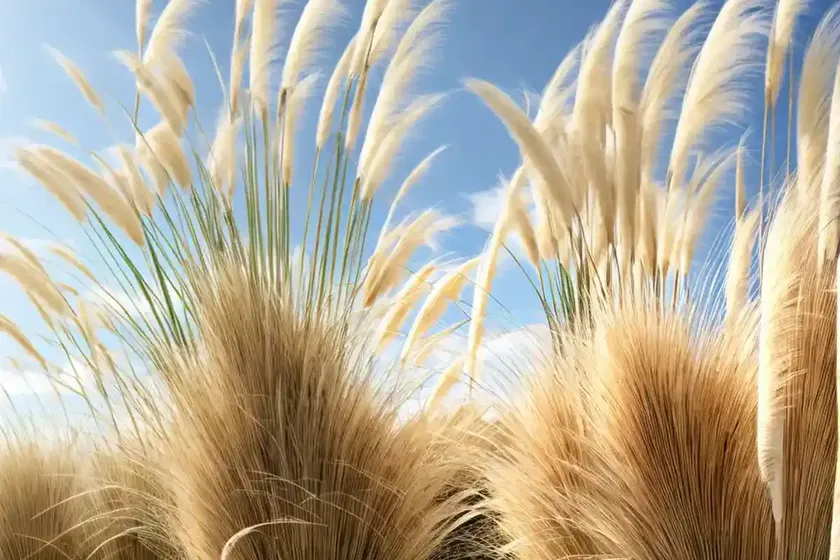
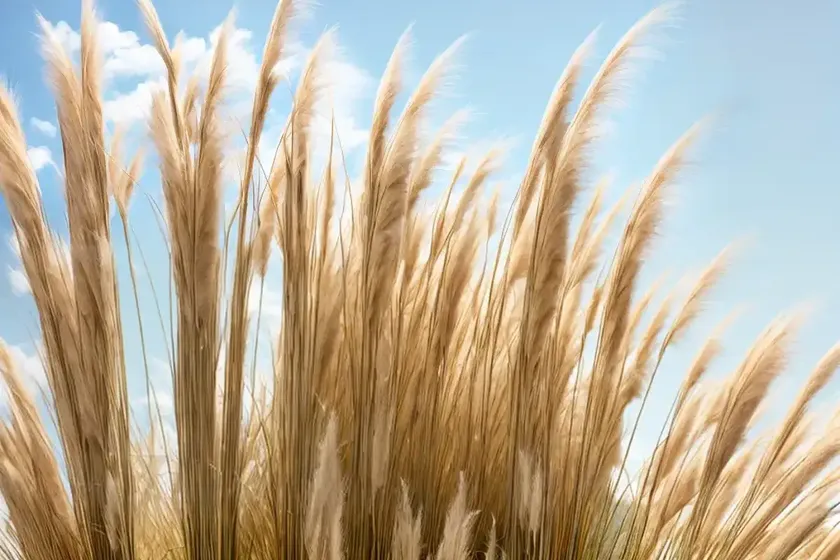
Pampas grass, scientifically known as Cortaderia selloana, is a striking flowering plant native to South America, particularly the pampas region, which extends from Argentina to Brazil. This impressive ornamental grass has gained immense popularity in landscaping and garden design due to its dramatic feathery plumes and its ability to thrive in various environmental conditions. In this comprehensive guide, we will explore the various aspects of pampas grass, from its cultural significance to its care and maintenance, and its ecological impact on the environment.
What is Pampas Grass (Cortaderia Selloana)?
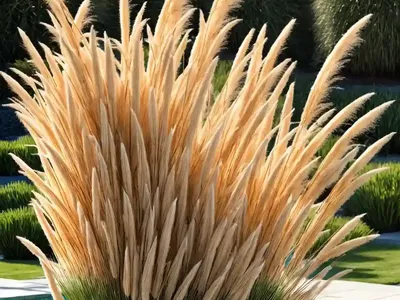
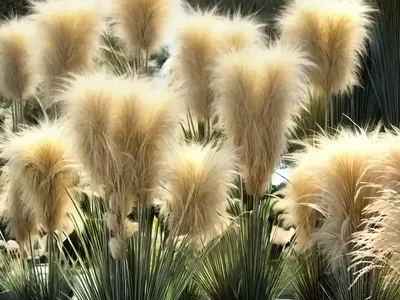
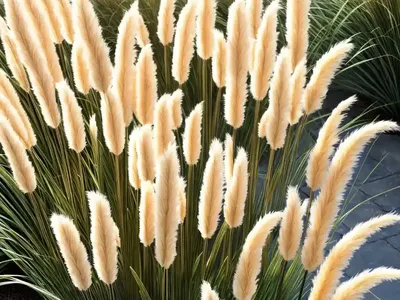
Pampas grass, belonging to the family Poaceae, is a perennial plant renowned for its tall flowering stalks and dense, tussock-forming habit. The plant typically grows in large clumps and can reach astonishing heights, with some species reaching up to 10 feet (3 meters) in height. The characteristic plumes of the pampas grass are its most distinct feature, with silky, cream-colored or pinkish flowers that emerge in late summer and persist throughout the fall and winter months. These plumes, which can measure up to 2 feet (60 centimeters) in length, create a stunning visual display and add a touch of elegance to any landscape or garden setting.
Key Takeaways – Pampas Grass (Cortaderia Selloana)
Before delving into the specifics of pampas grass, let’s highlight some of the key takeaways regarding this remarkable plant:
- Pampas grass is native to the pampas region of South America, known for its tall flowering stalks and feathery plumes.
- This ornamental grass has gained popularity in landscaping and garden design due to its dramatic appearance and adaptability to various environmental conditions.
- Pampas grass can reach heights of up to 10 feet (3 meters) and produces striking plumes of creamy or pinkish flowers in late summer and fall.
- The plant holds cultural significance, offers ecological benefits, and serves multiple purposes, making it a versatile addition to gardens and landscapes.
- Understanding its cultural significance, uses, care requirements, and ecological impact is crucial for harnessing the full potential of pampas grass in diverse settings.
Culture
Water
Pampas grass is known for its exceptional drought tolerance and can thrive in a variety of water conditions once established. While it is highly adaptable to drought, it is essential to provide adequate water during the initial establishment phase. Once the plant’s root system is well established, it generally requires minimal supplemental watering, making it an excellent choice for water-wise gardens and landscapes.
Sunlight
Pampas grass thrives in full sun and requires at least six to eight hours of direct sunlight each day. It is crucial to plant pampas grass in a location that receives ample sunlight to ensure optimal growth and flowering.
Fertilizer
Pampas grass is not a heavy feeder and can thrive in nutrient-poor soils. However, for optimal growth and flowering, a balanced fertilizer with a higher nitrogen content can be applied in early spring. Care should be taken to avoid excessive fertilization, as this can lead to overly lush foliage at the expense of flowering.
Soil
Pampas grass is adaptable to a wide range of soil types, including sandy, loamy, or clay soils, as long as they are well-draining. Ensuring proper drainage is crucial, as the plant is susceptible to root rot in waterlogged soils. A slightly acidic to neutral soil pH level between 6.0 and 7.5 is optimal for pampas grass.
Pruning
Pruning pampas grass is essential to maintain its vigorous growth and aesthetic appeal. The best time to prune pampas grass is in late winter or early spring before the new growth emerges. Use sharp shears or a hedge trimmer to remove the previous year’s foliage and flower stalks. When pruning, it is important to wear gloves and long sleeves, as the leaf margins are razor-sharp and can cause skin irritation.
Propagation
Pampas grass can be propagated through division or seed. Division is the most common method and is typically carried out in early spring before new growth begins. To propagate through division, carefully dig up an established clump of pampas grass and use a sharp spade to divide the plant into smaller sections, making sure each division has both roots and foliage. Replant the divisions in prepared soil, ensuring adequate spacing to accommodate their mature size.
Container Popularity
Pampas grass is well-suited for container gardening, allowing individuals with limited garden space to enjoy its ornamental beauty. When grown in containers, pampas grass can be used to create stunning focal points on patios, balconies, or rooftop gardens. It is important to select large, sturdy containers to accommodate the plant’s mature size and provide adequate support.
Container Common Diseases
When grown in containers, pampas grass can be susceptible to certain diseases, primarily related to moisture levels and air circulation. Common diseases that can affect pampas grass in containers include:
- Root Rot: This fungal disease occurs in poorly drained soils and can lead to the decline of the plant. To prevent root rot, ensure that containers have adequate drainage holes and use well-draining potting mix.
- Powdery Mildew: Powdery mildew can affect pampas grass in humid conditions with poor air circulation. To prevent this disease, avoid overcrowding plants in containers and provide ample air circulation.
Disease Diagnosis
Diagnosing diseases in pampas grass requires careful observation of the plant’s symptoms. Visual cues such as wilting, discoloration, or the presence of powdery residue on foliage can indicate potential diseases. It is important to promptly address any signs of disease through appropriate cultural practices and, if necessary, the application of targeted treatments.
Common Pests
While pampas grass is relatively resistant to pests, it can occasionally be affected by certain insects and pests. Common pests that can pose a threat to pampas grass include:
- Aphids: These small, sap-sucking insects can cluster on the foliage and stems of pampas grass, leading to stunted growth and deformation of the plant.
- Spider Mites: Spider mites are tiny arachnids that can cause stippling and webbing on the leaves of pampas grass, affecting its overall vigor.
Botanist’s Tips
As a plant scientist, I recommend the following tips for cultivating and caring for pampas grass:
- Select the appropriate cultivar based on the desired height and plume color, as pampas grass cultivars vary widely in size and appearance.
- When planting pampas grass, provide ample space between individual plants to accommodate their mature size and prevent overcrowding.
- Monitor the plant for signs of drought stress, particularly during the establishment phase, and water as needed to promote healthy growth.
- Prune pampas grass annually to remove old foliage and flower stalks, promoting new growth and maintaining its visual appeal.
Fun Facts
- Pampas grass is traditionally associated with the open grasslands of the South American pampas, where it thrives in the expansive landscape.
- The plant’s feathery plumes have been utilized in various cultural practices, including ornamental arrangements and symbolic representations.
- Pampas grass is known for its resilience and adaptability, reflecting the tenacity of plants in dynamic and ever-changing environments.
Links to External Resources
For further information on the cultivation and care of pampas grass, as well as its ecological significance, I recommend exploring the following resources:
- Royal Horticultural Society – Growing Pampas Grass
- University of California Agriculture and Natural Resources – Pampas Grass Management Guidelines
- American Meadows – Pampas Grass: A Guide to Planting and Care
In conclusion, pampas grass, with its striking appearance and diverse cultural and ecological significance, holds a special place in the world of ornamental grasses. From its adaptability to various environmental conditions to its use in gardens and landscapes, the allure of pampas grass is undeniable. By understanding its cultural significance, care requirements, and ecological impact, we can fully appreciate the beauty and versatility of this exceptional plant.
Photo by Chen YiChun on Unsplash
In this comprehensive guide, we have explored the various facets of pampas grass, from its cultural significance to its care and maintenance, and its ecological impact on the environment. If you have any specific questions or would like additional information on any aspect of pampas grass, please feel free to reach out.