Pagoda Dogwood (Cornus alternifolia ‘Argentea’)
The pagoda dogwood, scientifically known as Cornus alternifolia ‘Argentea,’ is a striking ornamental plant that is native to North America. This plant is celebrated for its unique tiered branching structure and beautiful foliage. In this blog post, we will explore the cultural significance, uses, and essential care tips for this stunning plant. Whether you are a novice gardener or a seasoned plant enthusiast, this comprehensive guide will provide you with valuable insights for successfully growing and nurturing pagoda dogwood in your garden.
Key Takeaways
Before delving into the detailed care and cultivation aspects of pagoda dogwood, let’s outline the key takeaways that will be covered in this comprehensive guide:
- Understanding the cultural significance and uses of pagoda dogwood
- Essential care tips relating to watering, sunlight, fertilizer, soil, pruning, and propagation
- Insights into growing pagoda dogwood in containers
- An overview of the plant’s popularity and common diseases
- Identification and management strategies for common pests
- Botanist’s tips for optimal plant care
- Fun facts about the pagoda dogwood
- Links to external resources for further reading and reference
Now, let’s embark on a journey to explore the fascinating world of pagoda dogwood and understand how to cultivate and care for this remarkable plant.
What is Pagoda Dogwood (Cornus alternifolia ‘Argentea’)?
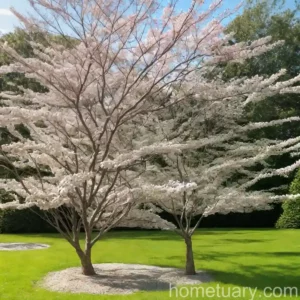
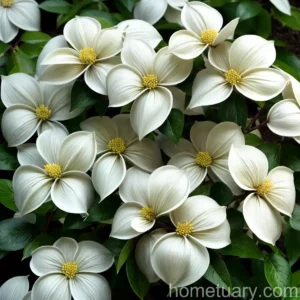
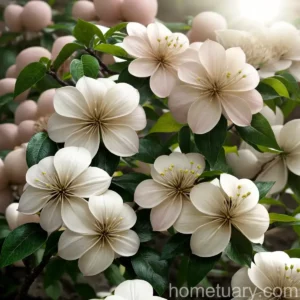
The pagoda dogwood, also known by its scientific name Cornus alternifolia ‘Argentea,’ is a deciduous shrub or small tree belonging to the family Cornaceae. Native to North America, this plant is characterized by its distinctive horizontal branching pattern and attractive foliage. It is commonly grown for its ornamental value, adding beauty and visual interest to gardens and landscapes. The “Argentea” cultivar specifically exhibits variegated leaves, featuring elegant silver markings that further enhance its aesthetic appeal.
Botanical Information
- Scientific Name: Cornus alternifolia ‘Argentea’
- Family: Cornaceae
- Common Names: pagoda dogwood, alternate-leaf dogwood
- Cultivar: ‘Argentea’
- Native Habitat: North America
- Mature Size: 15-25 feet in height, with a spread of 20-30 feet
Culture
Understanding the cultural requirements of pagoda dogwood is essential for ensuring its optimal growth and development. From suitable planting locations to environmental considerations, let’s explore the cultural aspects of growing and nurturing this distinctive plant.
Uses
The pagoda dogwood holds significant cultural and ecological value, offering a range of practical and aesthetic uses in various settings. Here are some common uses of this plant:
- Ornamental Purposes: Pagoda dogwood is widely cultivated for its ornamental beauty, adding visual interest to residential landscapes, public gardens, and parks.
- Wildlife Habitat: The plant’s flowers and berries attract birds, making it a valuable addition to wildlife gardens and naturalized areas.
- Hedging and Screening: When properly pruned, pagoda dogwood can be shaped into a hedge or screen, providing both visual appeal and privacy.
- Erosion Control: Its extensive root system and foliage make it suitable for stabilizing soil on slopes and preventing erosion.
Water
Understanding the water requirements of pagoda dogwood is crucial for maintaining its health and vigor. Adequate watering practices are essential, especially during the plant’s establishment phase and periods of drought. Here are some key considerations regarding water requirements for pagoda dogwood:
- Established Plants: Once established, pagoda dogwood exhibits good drought tolerance. However, regular watering is recommended during prolonged dry spells, particularly in the absence of natural rainfall.
- Young Plants: Newly planted or young pagoda dogwood specimens require consistent and thorough watering to support their root development and overall growth.
- Soil Moisture: It is important to ensure that the soil around the plant remains consistently moist but not waterlogged. Well-draining soil is essential for preventing waterlogged conditions that can lead to root rot.
Sunlight
Pagoda dogwood thrives in partial shade to full sun, making it a versatile plant that can adapt to various light conditions. The following points elucidate the sunlight preferences and requirements for this plant:
- Partial Shade: In hot climates, providing partial shade can help protect the plant from excessive sun exposure, especially during the hottest part of the day.
- Full Sun: While pagoda dogwood can tolerate full sun, especially in cooler regions, it may benefit from some respite during the intense midday sun in warmer climates.
- Morning Sun, Afternoon Shade: Positioning the plant in a location that receives morning sun and afternoon shade can offer an ideal balance, providing the necessary light while minimizing the risk of sunscald or stress.
Fertilizer
Applying the right type and amount of fertilizer is crucial for supporting the growth and health of pagoda dogwood. By understanding the plant’s specific nutrient requirements, gardeners can ensure that it receives the necessary nourishment for optimal performance. Consider the following guidelines when fertilizing pagoda dogwood:
- Balanced Fertilizer: Apply a balanced, slow-release fertilizer in early spring to provide essential nutrients for the plant’s growth and development. Look for a fertilizer with a balanced N-P-K (nitrogen, phosphorus, potassium) ratio suitable for ornamental trees and shrubs.
- Organic Amendments: Incorporating organic matter such as compost or well-rotted manure into the soil in the plant’s vicinity can enhance soil fertility and provide a steady supply of nutrients.
- Avoid Excessive Fertilization: While fertilization is important, excessive use of fertilizer can lead to nutrient imbalances and potential damage to the plant. Follow the recommended application rates and avoid over-fertilization.
Soil
Understanding the soil requirements for pagoda dogwood is essential for establishing an optimal growing environment. The plant thrives in well-draining, nutrient-rich soil, and by selecting a suitable planting site and ensuring proper soil preparation, gardeners can promote its long-term health and vitality. Consider the following soil-related considerations when cultivating pagoda dogwood:
- Soil Type: Pagoda dogwood prefers loamy, well-draining soil that is moderately fertile. It can tolerate a range of soil textures, including sandy loam, loam, and clay loam, as long as the soil allows for good water infiltration and root aeration.
- Soil pH: The plant generally thrives in slightly acidic to neutral soil with a pH range of 5.5 to 7.5. Conducting a soil test before planting can help determine the pH levels and identify any necessary amendments.
- Soil Moisture: While pagoda dogwood can tolerate occasional periods of soil moisture, it is important to ensure that the soil does not become waterlogged, as excessive moisture can lead to root rot and other problems.
Pruning
Pruning is an integral part of pagoda dogwood care, enabling gardeners to maintain the plant’s shape, encourage new growth, and remove dead or damaged branches. Proper pruning practices are essential for promoting the plant’s overall health and aesthetic appeal. Here are some key considerations for pruning pagoda dogwood:
- Pruning Timing: Prune pagoda dogwood during the dormant season, typically in late winter or early spring before new growth emerges. This allows the plant to recover quickly and minimizes the risk of disease transmission.
- Remove Dead or Diseased Branches: Regularly inspect the plant for dead, damaged, or diseased branches, and promptly remove them to prevent the spread of disease and maintain the plant’s vitality.
- Thinning Out Branches: To improve air circulation and sunlight penetration, selectively thin out the branches, particularly in dense areas, to encourage overall plant health.
Propagation
Propagating pagoda dogwood allows gardeners to expand their plant collection and share this distinctive species with others. Understanding the various propagation methods, from seeds to cuttings, provides opportunities for reproducing the plant and ensuring its continued presence in gardens and landscapes. Consider the following propagation techniques for pagoda dogwood:
- Seed Propagation: Collect ripe pagoda dogwood seeds and sow them in a well-prepared seedbed in autumn. Provide adequate moisture and shelter the seeds from extreme weather conditions to support germination and early growth.
- Softwood Cuttings: Take softwood cuttings from healthy, actively growing pagoda dogwood branches in late spring or early summer. Treat the cuttings with a rooting hormone and plant them in a well-draining rooting medium to encourage root development.
- Division: Divide mature pagoda dogwood plants in early spring before new growth begins. Carefully separate the root ball into sections, each containing healthy roots and shoots, and transplant them to new locations for establishment.
Container Popularity
While pagoda dogwood is often grown in traditional garden settings, it also exhibits popularity as a container plant. The plant’s distinctive appearance, adaptability to container growth, and ornamental value make it an attractive choice for container gardening enthusiasts. Consider the following advantages and considerations for growing pagoda dogwood in containers:
- Space Efficiency: In limited garden spaces or urban settings, growing pagoda dogwood in containers allows gardeners to enjoy the plant’s beauty without the need for expansive planting areas.
- Portability: Container-grown pagoda dogwood can be easily relocated, providing flexibility in design and allowing for seasonal adjustments based on sunlight and temperature considerations.
- Aesthetic Appeal: The tiered branching structure and variegated foliage of pagoda dogwood create a captivating visual display in container gardens, patios, and outdoor living spaces.
Common Diseases
While pagoda dogwood is generally a resilient and low-maintenance plant, it is susceptible to certain diseases that can impact its health and appearance. Understanding the common diseases and their identification is crucial for implementing effective management and prevention strategies. Recognizing the symptoms and signs of disease helps gardeners take timely action to protect the plant. Here are some common diseases that may affect pagoda dogwood:
- Powdery Mildew: Characterized by a white, powdery coating on the leaves, powdery mildew can impact the plant’s foliage and weaken its overall health. Fungicidal treatments and proper cultural practices can help manage this disease.
- Leaf Spot: Leaf spot diseases, caused by fungal pathogens, can result in the formation of dark lesions and spots on the leaves. Regular inspection and prompt removal of affected foliage can help control the spread of the disease.
- Anthracnose: Anthracnose can cause dieback, wilting, and browning of the leaves and branches. Pruning out affected areas and promoting overall plant vigor through proper care practices are essential for managing this disease.
Disease Diagnosis
Diagnosing diseases affecting pagoda dogwood requires careful observation of the plant’s symptoms and an understanding of the causal agents. By accurately identifying the diseases, gardeners can implement targeted management strategies to mitigate the impact and protect the plant’s health. Consider the following steps for diagnosing diseases in pagoda dogwood:
- Symptom Recognition: Observe the plant’s leaves, branches, and overall appearance for any abnormal changes, including discoloration, spotted areas, wilting, or unusual growth patterns.
- Examination of Foliage: Inspect the foliage for signs of powdery mildew, leaf spot, or other fungal diseases, paying attention to the texture, color, and presence of any characteristic patterns.
- Consultation with Experts: If uncertain about the diagnosis, seek guidance from local horticulturists, plant pathologists, or agricultural extension services to obtain professional assistance in identifying and managing diseases.
Common Pests
In addition to diseases, pagoda dogwood may also face challenges from common pests that can impact its growth and vitality. Understanding the pests, their behavior, and potential damage helps gardeners implement suitable pest control measures and protect the plant. Here are some common pests that may affect pagoda dogwood:
- Aphids: These small, soft-bodied insects feed on the plant’s sap, often congregating on the undersides of leaves and causing distortion and discoloration of the foliage. Natural predators and insecticidal treatments can help manage aphid infestations.
- Scale Insects: Scale insects can appear as small, immobile bumps on the branches and twigs, sapping the plant’s resources and compromising its overall health. Pruning infested areas and applying horticultural oils can help control scale populations.
- Borers: Borers, such as the dogwood borer, can tunnel into the plant’s stems and branches, causing structural damage and weakening the plant. Monitoring for borer activity and implementing appropriate control measures is essential for protecting pagoda dogwood.
Botanist’s Tips
To ensure the successful cultivation and care of pagoda dogwood, incorporating botanist’s tips and insights can provide valuable guidance for gardeners. Drawing from botanical expertise and research, here are some tailored suggestions and recommendations for optimal pagoda dogwood care:
- Site Selection: Choose a planting site with well-draining soil and suitable light conditions, balancing partial shade and sunlight to accommodate the plant’s preferences.
- Watering Routines: Practice deep and thorough watering, especially during dry periods, to support root growth and establishment. Mulching the soil around the plant can help conserve moisture and maintain consistent soil moisture levels.
- Integrated Pest Management: Implement an integrated approach to pest management, incorporating cultural, biological, and selective chemical control methods to minimize pest damage and preserve ecological balance.
- Regular Monitoring: Routinely inspect the plant for signs of disease, pest activity, and overall health, addressing any issues promptly and proactively to maintain the plant’s vigor.
- Pruning Best Practices: Follow proper pruning techniques, removing dead or damaged branches and shaping the plant as needed to promote its natural form and structural integrity.
- Soil Health: Enhance soil fertility and structure by incorporating organic matter and performing regular soil tests to monitor nutrient levels and pH balance.
Fun Facts
To further appreciate the unique qualities and cultural significance of pagoda dogwood, consider the following fun facts about this remarkable ornamental plant:
- Historical Symbolism: In some Indigenous cultures, pagoda dogwood holds symbolic value, representing resilience, natural beauty, and harmony with the environment.
- Wildlife Support: The plant’s berries provide a valuable food source for birds and wildlife, contributing to ecological diversity and supporting local ecosystems.
- Stellar Fall Color: Pagoda dogwood exhibits vibrant autumn foliage, showcasing stunning hues of red, orange, and purple, adding a touch of seasonal splendor to the garden.
- Aesthetic Appeal: The tiered, horizontal branching pattern of pagoda dogwood creates a captivating visual effect, resembling the layered structure of traditional East Asian pagodas.
Links to External Resources
For comprehensive information and additional insights into pagoda dogwood care and cultivation, consider exploring the following resources:
- Planting and Care Tips for Pagoda Dogwood
- In-Depth Guide to Cornus alternifolia ‘Argentea’
- Native Habitat and Landscape Uses of Pagoda Dogwood
- Pagoda Dogwood Varieties and Cultivars
- Pest and Disease Management for Cornus alternifolia ‘Argentea’
By utilizing these external resources, you can gain a deeper understanding of pagoda dogwood and its care requirements, expanding your knowledge and expertise as a gardener and plant enthusiast.
In conclusion, pagoda dogwood (Cornus alternifolia ‘Argentea’) is a captivating and culturally significant plant that enriches gardens and landscapes with its distinctive appearance and ecological contributions. By embracing the practical care tips, cultural uses, and ecological significance of this plant, gardeners can cultivate and nurture pagoda dogwood with confidence and appreciation, enhancing the beauty and diversity of their outdoor spaces. Whether you are drawn to its ornamental foliage, wildlife-attracting qualities, or historical symbolism, pagoda dogwood is a plant that embodies natural splendor and enriches the outdoor environment with its unique presence.
Remember to keep exploring, learning, and connecting with fellow plant enthusiasts to further enrich your journey with pagoda dogwood. Whether you are a novice gardener or seasoned horticulturist, the allure of pagoda dogwood invites you to cultivate a deeper appreciation for the natural world and the remarkable role of plants in shaping our lives and landscapes.
A blog post covering various aspects of pagoda dogwood (Cornus alternifolia ‘Argentea’), including its cultural significance, uses, and essential care tips. The post encompasses detailed information on watering, sunlight, fertilizer, soil, pruning, propagation, and container cultivation, providing valuable insights for gardeners and plant enthusiasts. Additionally, the post includes fun facts, the botanist’s tips, and external resources to further enhance the reader’s understanding and appreciation of this remarkable plant.