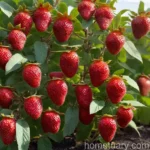
Pacific Madrone (Arbutus Menziesii): A Fascinating Plant Species
Plants play a crucial role in the ecosystem and have significant cultural, ecological, and environmental value. Among the diverse array of plant species, the Pacific Madrone (Arbutus menziesii) stands out with its unique characteristics and ecological importance. In this comprehensive guide, we will delve into the world of the Pacific Madrone, exploring its habitat, uses, care requirements, and much more.
What is Pacific Madrone (Arbutus Menziesii)?
The Pacific Madrone, also known as Arbutus menziesii, is a striking evergreen tree native to the Pacific Northwest region of North America. This tree species belongs to the Ericaceae family and is renowned for its distinctive reddish-brown bark, glossy leaves, and clusters of small, urn-shaped white flowers that later form reddish-orange berries. The Pacific Madrone is highly valued for various purposes, including its ornamental appeal, ecological significance, and traditional uses by indigenous communities.
Key Takeaways – Pacific Madrone (Arbutus Menziesii)
Before we delve deeper into the specifics of the Pacific Madrone, let’s explore some key takeaways about this captivating plant species. These points will provide a holistic view of its unique characteristics, habitat, uses, and ecological importance.
- Scientific Name: Arbutus menziesii
- Common Names: Pacific Madrone, Madrona, Madrona Tree
- Habitat: Native to the Pacific Northwest region of North America, including coastal British Columbia, the Puget Sound area, and the foothills of the Cascade Range.
- Unique Characteristics: Notable for its smooth, peeling reddish-brown bark, glossy green leaves, clusters of small white flowers, and distinctive reddish-orange berries.
- Ecological Significance: Serves as a valuable food and habitat source for wildlife, and contributes to the biodiversity and ecological balance of its native habitat.
- Cultural and Traditional Uses: Historically used by indigenous communities for various medicinal and cultural purposes, and valued for its ornamental appeal in landscaping and horticulture.
Now that we have established an overview of the Pacific Madrone, let’s delve into the detailed aspects of this remarkable plant species, covering its habitat, uses, care requirements, and more.
Culture
Understanding the cultural significance and traditional uses of the Pacific Madrone is essential to appreciate its value in various contexts. This section will explore the historical and contemporary cultural importance of the Pacific Madrone, encompassing its role in indigenous practices, folklore, and modern-day applications.
Indigenous and Cultural Uses
The Pacific Madrone has a rich history of traditional uses by indigenous communities, particularly among the Coast Salish and other indigenous tribes of the Pacific Northwest. The bark, berries, and wood of the Pacific Madrone have been utilized for a variety of purposes, ranging from medicinal treatments to the crafting of tools and ceremonial items.
Traditional Medicinal Uses: The bark and berries of the Pacific Madrone were historically used for their medicinal properties. Infusions and decoctions derived from the bark were employed for treating ailments such as sore throat, stomach issues, and diarrhea. Additionally, the berries were consumed for their nutritional and potential healing properties.
Cultural Significance: The Pacific Madrone holds significant cultural and ceremonial value in indigenous traditions. Its distinctive appearance, vibrant berries, and resilient nature have contributed to its symbolic representation in storytelling, art, and spiritual practices.
Modern Applications
In contemporary settings, the Pacific Madrone continues to be revered for its ornamental appeal in landscaping, parks, and urban green spaces. Its striking bark, glossy leaves, and vibrant berries make it a sought-after tree for aesthetic enhancement and ecological restoration projects.
Landscaping and Horticulture: Due to its aesthetic attributes and adaptability, the Pacific Madrone is often employed in landscaping designs, public parks, and botanical gardens. Its striking visual appeal, combined with its ecological benefits, has positioned it as a desirable choice for sustainable and biodiverse landscapes.
Ecological Restoration: Recognized for its ecological value, the Pacific Madrone is utilized in habitat restoration initiatives aimed at enhancing biodiversity and preserving native plant communities. Its role in supporting wildlife and contributing to the ecological balance makes it a valuable asset in restoration and conservation efforts.
Uses
The Pacific Madrone offers a diverse range of uses, spanning ecological, cultural, and horticultural domains. From its ecological contributions to its traditional and modern applications, this section will illuminate the multifaceted uses of the Pacific Madrone tree.
Ecological Uses
Wildlife Habitat: The Pacific Madrone serves as an important source of food and habitat for various wildlife species. Its berries are consumed by birds and mammals, while its dense foliage provides nesting sites and shelter for avian species. Additionally, the nectar from its flowers attracts pollinators, contributing to the overall biodiversity of its native ecosystem.
Soil Stabilization: With its extensive root system, the Pacific Madrone plays a role in soil stabilization and erosion control. Its presence can help prevent soil erosion and mitigate the impacts of slope instability in its native habitat.
Cultural and Traditional Uses
Medicinal Purposes: Historically, the Pacific Madrone’s bark and berries were utilized for medicinal treatments by indigenous communities. While modern scientific research on its medicinal properties is limited, it remains an important cultural and traditional resource for certain communities.
Craftsmanship: The wood of the Pacific Madrone is highly valued for its aesthetic appeal and workability. It is often used in crafting furniture, decorative items, and woodworking projects due to its unique grain patterns and reddish coloration.
Horticultural and Landscape Uses
Ornamental Value: As a landscaping tree, the Pacific Madrone adds visual interest and diversity to outdoor environments. Its attractive bark, glossy leaves, and colorful berries make it a desirable choice for residential and public landscapes.
Naturalistic Landscapes: In naturalistic and native plant landscapes, the Pacific Madrone contributes to the creation of biodiverse and resilient ecosystems. Its ability to thrive in diverse environmental conditions makes it a valuable component of sustainable landscape designs.
Water
Understanding the water requirements of the Pacific Madrone is fundamental for fostering its healthy growth and resilience. This section will provide insights into the optimal watering practices for this tree species, considering its native habitat and adaptability to varying moisture levels.
Watering Guidelines
Establishment Phase: During the initial establishment phase, newly planted Pacific Madrone trees benefit from regular watering to promote root development and overall vigor. Deep, infrequent watering is recommended to encourage deep root growth and drought tolerance.
Mature Trees: Once established, mature Pacific Madrone trees exhibit a moderate drought tolerance, but they may still require supplemental watering during prolonged dry periods, especially in urban and suburban settings where soil moisture levels can be influenced by human activities.
Soil Moisture: While the Pacific Madrone demonstrates adaptability to varying soil moisture levels, it generally thrives in well-draining soils. Soil that retains excessive moisture can lead to root rot and other moisture-related issues, emphasizing the importance of balanced soil moisture for optimal growth.
Irrigation Considerations
Seasonal Variations: Adjusting irrigation practices based on seasonal variations is crucial for meeting the specific water needs of the Pacific Madrone. During periods of active growth, such as spring and early summer, increased water availability may be beneficial, while reduced watering in late summer and fall helps prepare the tree for dormancy.
Mulching: Applying a layer of organic mulch around the base of Pacific Madrone trees can assist in regulating soil moisture levels, reducing evaporation, and insulating the root zone. Mulching also contributes to the suppression of competing weeds and enhances soil fertility over time.
Sunlight
Sunlight is a key factor influencing the growth, development, and overall health of the Pacific Madrone. This section will elucidate the sunlight requirements of this tree species, addressing optimal light conditions for its vigor and longevity.
Sun Exposure
Full Sun: The Pacific Madrone thrives in full sun exposure, benefiting from direct sunlight for a significant portion of the day. In its native habitat, it is often found in open, sunny locations, where it can fully express its characteristic traits, including vibrant foliage, seasonal flowering, and berry production.
Partial Shade: While the Pacific Madrone is adapted to full sun conditions, it can tolerate light shade, particularly in regions with intense summer heat or in urban environments with partial shading from buildings or other trees. However, prolonged or dense shade may diminish its growth and flowering potential.
Sunlight Considerations
Urban Environments: In urban and suburban landscapes, careful consideration of sun exposure is essential for the successful cultivation of Pacific Madrone trees. Site selection, including factors such as nearby structures, shade patterns, and potential obstructions, can influence the amount of sunlight reaching the trees.
Surrounding Vegetation: Interactions with surrounding vegetation, such as competition from neighboring trees or the presence of dense shrubbery, can impact the sunlight availability for Pacific Madrone trees. Pruning or managing nearby vegetation may be necessary to optimize sunlight exposure and promote healthy growth.
Fertilizer
Proper fertilization practices can bolster the growth and vitality of the Pacific Madrone, especially in nutrient-deficient soils or urban environments with competing vegetation. In this section, we will explore the optimal fertilizer applications and considerations for promoting the well-being of Pacific Madrone trees.
Nutrient Requirements
Soil Testing: Conducting a soil test can provide valuable insights into the specific nutrient requirements of the Pacific Madrone in a given area. Understanding the existing nutrient levels and soil composition helps in formulating targeted fertilization strategies that align with the tree’s needs.
Nutrient Profile: While the Pacific Madrone exhibits adaptability to nutrient-poor soils, it can benefit from supplemental fertilization under certain circumstances. Nitrogen, phosphorus, and potassium are primary nutrients that play a crucial role in supporting the tree’s growth and overall health.
Fertilization Guidelines
Organic Amendments: Incorporating organic amendments, such as well-aged compost or decomposed manure, can enhance soil fertility and microbial activity around Pacific Madrone trees. Organic matter contributes to long-term soil health and nutrient availability, supporting the tree’s nutritional requirements.
Balanced Fertilizers: When applying commercial fertilizers, choosing a balanced, slow-release fertilizer with a formulation suited to woody plants can provide essential nutrients over an extended period. Avoiding excessive nitrogen application is important to prevent excessive foliage growth at the expense of other vital functions.
Timing and Frequency: Fertilizer applications for Pacific Madrone trees are typically performed in late winter to early spring, prior to the onset of new growth. Applying fertilizers at this time allows the tree to utilize the nutrients for vegetative expansion and enhances its overall resilience.
Soil
Adequate soil conditions are critical for the health and longevity of the Pacific Madrone. This section will delve into the soil preferences, composition, and improvement strategies tailored to meet the specific needs of this tree species.
Soil Preferences
Well-Draining Soils: Pacific Madrone trees thrive in well-draining soils with good aeration and moisture permeability. Soil that retains excessive moisture can lead to root rot and other physiological disorders, highlighting the significance of balanced soil drainage.
Acidic to Neutral pH: The Pacific Madrone prefers slightly acidic to neutral soil pH, ranging from 5.5 to 7.0. Acidic soils are characteristic of many regions within its native range, and the tree has evolved to thrive in these conditions.
Soil Improvement
Amending Heavy Soils: In heavy clay soils, incorporating organic matter, such as compost or peat moss, can improve soil structure and drainage, creating a more favorable environment for Pacific Madrone root development.
Mulching and Soil Health: Application of organic mulch around the base of Pacific Madrone trees contributes to soil improvement by enhancing moisture retention, moderating soil temperature, and fostering the activity of beneficial soil organisms.
Nutrient Availability: Ensuring adequate nutrient availability in the soil is crucial for sustained growth and physiological function in Pacific Madrone trees. Soil amendments and targeted fertilization can address nutrient deficiencies and support the overall health of the trees.
Pruning
Pruning is a vital aspect of Pacific Madrone tree care, encompassing both aesthetic and horticultural considerations. This section will cover the best pruning practices for Pacific Madrone trees, addressing the timing, techniques, and objectives associated with pruning.
Pruning Objectives
Structural Development: Young Pacific Madrone trees benefit from formative pruning to encourage balanced branch development and a strong central leader. Proper structural pruning in the early stages establishes a framework for the tree’s future growth and long-term health.
Health and Vigor: Pruning dead, diseased, or damaged branches enhances the overall health and vitality of Pacific Madrone trees, preventing the spread of pathogens and reducing potential hazards from weakened or structurally compromised branches.
Pruning Guidelines
Timing: Pruning of Pacific Madrone trees is typically conducted during the dormant season in late winter to early spring. This timing minimizes the impact on the tree’s growth and flowering, and allows for optimal wound healing and recovery.
Pruning Techniques: Employing proper pruning techniques, such as making clean cuts at the branch collar without leaving stubs, promotes rapid wound closure and reduces the risk of decay or entry points for pathogens.
Aesthetic Considerations: In landscaping and urban settings, aesthetic pruning may be employed to maintain the desired form and visual appeal of Pacific Madrone trees. Careful consideration of the tree’s natural growth habit and overall landscape design is essential in aesthetic pruning practices.
Propagation
The propagation of Pacific Madrone trees offers an opportunity to propagate new trees for ecological restoration, horticultural purposes, and conservation efforts. This section will explore the various propagation methods used for Pacific Madrone, including seed propagation and vegetative propagation techniques.
Seed Propagation
Seed Collection: Collecting mature, viable seeds from healthy Pacific Madrone trees is the initial step in seed propagation. Harvesting seeds from wild populations requires proper permissions and adherence to conservation guidelines.
Seed Preparation: After collection, seeds are cleaned, dried, and stored under appropriate conditions to maintain their viability and germination potential. Collecting seeds from genetically diverse parent trees can enhance the genetic variability of propagated seedlings.
Germination and Seedling Care: Germinating Pacific Madrone seeds involves providing a period of cold stratification to break seed dormancy, followed by sowing the seeds in a suitable growing medium. Careful monitoring of moisture levels and environmental conditions is essential for successful seedling establishment.
Vegetative Propagation
Cuttings: Propagation via stem cuttings offers an asexual method to replicate desirable Pacific Madrone traits. Semi-hardwood cuttings taken from healthy, actively growing branches can be treated with rooting hormones and placed in a suitable rooting medium to encourage root formation.
Grafting: Grafting techniques, such as cleft grafting or budding, can be employed to propagate Pacific Madrone trees with specific characteristics, such as disease resistance or ornamental traits. Grafting onto compatible rootstocks yields new trees with combined desirable attributes.
Tissue Culture: Advanced tissue culture methods provide a means to propagate Pacific Madrone trees using small tissue samples, allowing for the rapid production of numerous genetically identical plantlets under controlled laboratory conditions.
Container Popularity
The versatility and ornamental appeal of the Pacific Madrone make it a favored choice for container gardening and landscape design. This section will highlight the popularity of Pacific Madrone trees in container cultivation, addressing considerations for successful container growth and management.
Container Considerations
Root Space: When selecting containers for Pacific Madrone trees, it is crucial to prioritize ample root space for unhindered root development. Larger, deep containers with sufficient drainage are essential to accommodate the tree’s extensive root system.
Soil Mix: A well-draining, nutrient-rich soil mix is imperative for container-grown Pacific Madrone trees. Blending high-quality potting mix with organic matter and perlite promotes optimal soil structure and moisture retention.
Site Selection: Positioning containers in locations with adequate sunlight and air circulation is vital for the growth and well-being of Pacific Madrone trees. Regular monitoring and adjustment of container placement may be necessary to optimize environmental conditions.
Landscape Design
Aesthetic Appeal: Containers planted with Pacific Madrone trees contribute to the aesthetic diversity and visual interest of outdoor spaces. Their striking bark, glossy leaves, and seasonal berries make them captivating focal points in landscape designs.
Portable Landscaping: Container-grown Pacific Madrone trees offer the flexibility of portable landscaping, allowing for temporary or seasonal display in various outdoor settings. Their adaptability to containers enables them to complement diverse design themes and spatial arrangements.
Biodiversity Enhancement: Container cultivation of Pacific Madrone trees contributes to the introduction of native plant species in urban, suburban, and commercial landscapes, fostering biodiversity and ecological connectivity.
Common Diseases
While the Pacific Madrone is generally resilient, it is susceptible to certain diseases that can impact its health and vigor. This section will outline common diseases that affect Pacific Madrone trees, including preventive measures and management strategies.
Leaf Spot Diseases
Ramorum Blight (Sudden Oak Death): Caused by the pathogen Phytophthora ramorum, this disease can lead to leaf and twig dieback, with characteristic leaf spots and browning. Implementing measures to prevent the introduction and spread of the pathogen is crucial in areas where this disease is prevalent.
Septoria-Leaf Blotch: Septoria species can cause leaf spot symptoms on Pacific Madrone trees, leading to the development of circular lesions on the leaves. Promoting good air circulation and sanitation practices can help minimize the spread of this disease.
Stem and Twig Diseases
Canker Diseases: Canker-causing pathogens, such as Nattrassia mangiferae and Nectria sp., can infect the bark and woody tissues of Pacific Madrone trees, resulting in sunken lesions and dieback. Pruning out affected branches in a timely manner can aid in disease management and reduce the spread of cankers.
Phytophthora Root Rot: Soil-borne Phytophthora species can cause root rot in Pacific Madrone trees, impacting their vigor and susceptibility to secondary stressors. Implementing measures to improve soil drainage and root health helps mitigate the risk of Phytophthora infections.
Preventive Measures
Site Selection: Choosing well-draining sites and avoiding areas prone to waterlogging can reduce the risk of soil-borne diseases, such as Phytophthora root rot.
Sanitation: Regular removal of fallen leaves, diseased twigs, and plant debris can minimize the buildup of pathogens and sources of infection within the vicinity of Pacific Madrone trees.
Resistant Varieties: Selecting disease-resistant Pacific Madrone cultivars can offer heightened resilience against certain pathogens, contributing to the long-term health of planted trees.
Disease Diagnosis
Prompt diagnosis of diseases affecting Pacific Madrone trees is essential for implementing effective management strategies and safeguarding their health. This section will cover disease diagnosis techniques and indicators to identify common diseases that may affect Pacific Madrone trees.
Symptom Identification
Leaf Symptoms: Leaf spots, browning, yellowing, and general discoloration are characteristic symptoms of various leaf spot diseases that can impact Pacific Madrone trees. Close monitoring of leaf health and appearance aids in early detection.
Twig and Branch Symptoms: Dieback, cankers, and sunken lesions on twigs and branches may indicate the presence of stem and branch diseases, necessitating closer inspection and potential intervention.
Root Health: Symptoms of root diseases, such as reduced vigor, wilting, or premature defoliation, are indicators of potential root-related issues that warrant further investigation.
Laboratory Analysis
**