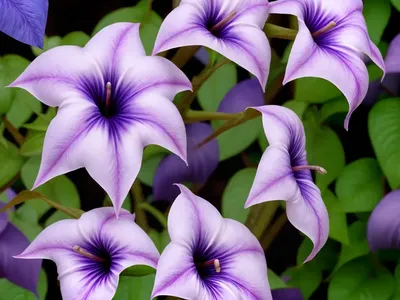
Understanding Kangkong (Ipomoea Aquatica)
What is Kangkong (Ipomoea Aquatica)?
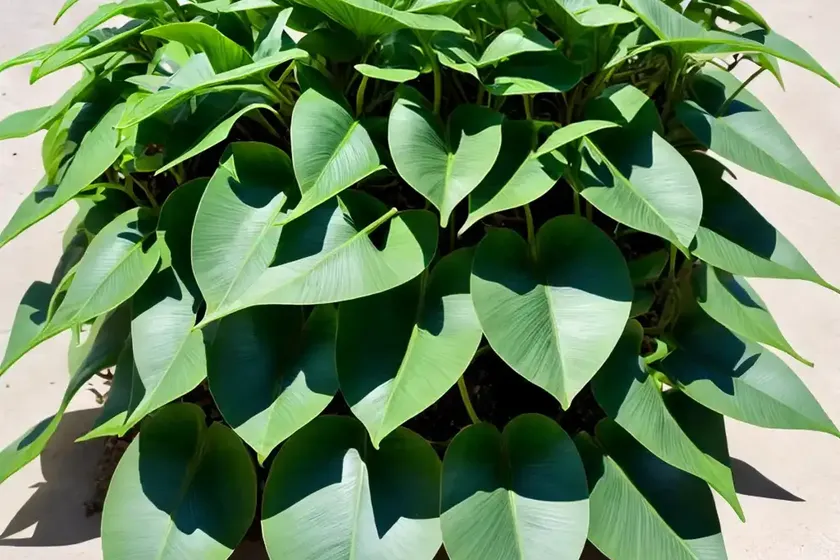
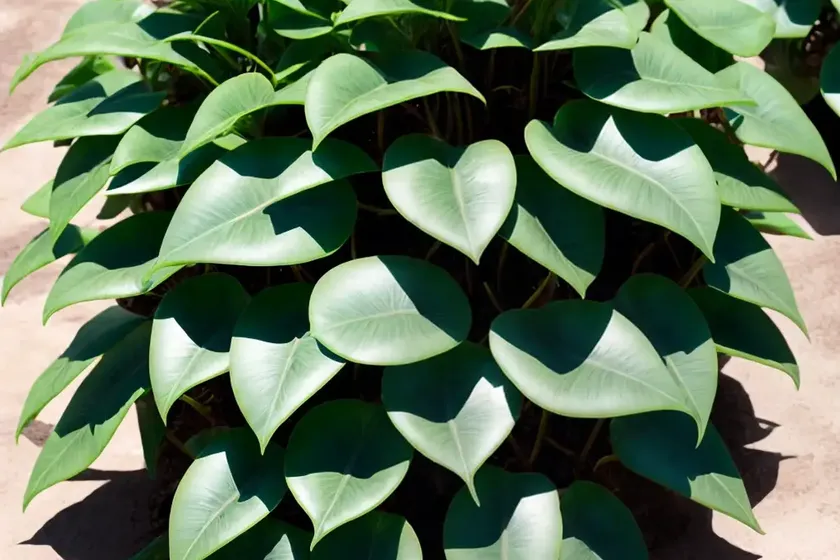
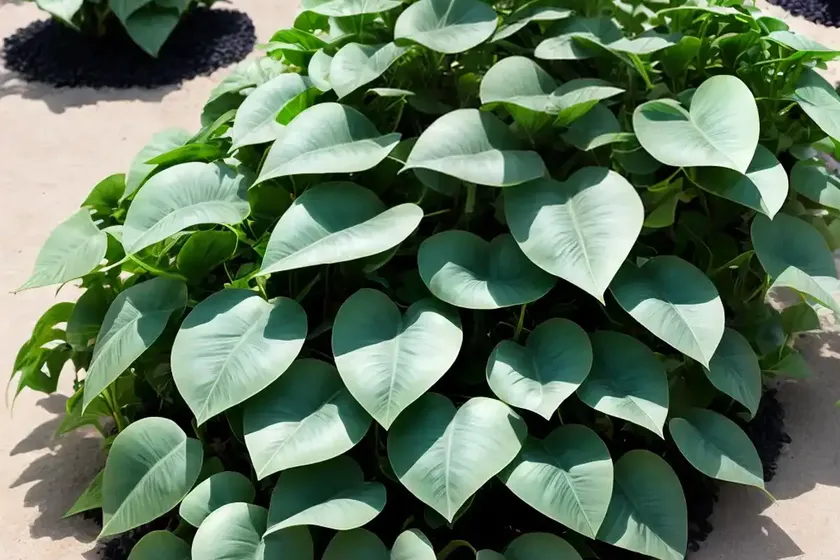
Kangkong, scientifically known as Ipomoea Aquatica, is a semi-aquatic, tropical plant that belongs to the Convolvulaceae family. It is also commonly referred to as water spinach, water morning glory, Chinese watercress, tumula, or swamp cabbage. Kangkong is widely cultivated and consumed in Asian countries and holds a significant place in the cuisine and traditional medicine of these regions.
Key Takeaways – Kangkong (Ipomoea Aquatica)
Before delving into the details of cultivation and care, let’s quickly summarize the key takeaways associated with Kangkong:
- Kangkong, also known as water spinach, holds essential cultural and culinary significance in several Asian regions.
- It thrives in water-rich environments and requires ample sunlight to grow vigorously.
- The plant can be easily propagated through stem cuttings and is well-suited for cultivation in containers.
- Kangkong is susceptible to certain diseases and pests that can hinder its growth and productivity.
- The high nutritional value and versatile uses of Kangkong make it a valuable addition to a well-rounded, sustainable diet.
Now, let’s explore the specific aspects of its cultivation and care.
Culture
Uses
Kangkong serves as a staple ingredient in various Asian cuisines and is highly esteemed for its nutritional value. It is primarily used in stir-fries, soups, and as a leafy green accompaniment to numerous dishes. Additionally, some traditional medicinal practices incorporate Kangkong for its purported health benefits.
Water
Kangkong thrives in water-rich conditions and can be grown directly in water or in consistently moist soil. It is often found near ponds, rivers, and other water bodies, indicating its affinity for aquatic environments.
Sunlight
Adequate sunlight is crucial for the healthy growth of Kangkong. It should ideally receive at least 6-8 hours of direct sunlight daily to support robust development and abundant foliage.
Fertilizer
When grown in containers or soil, Kangkong benefits from regular fertilization to ensure the continuous availability of essential nutrients. An all-purpose liquid fertilizer can be applied every 2-3 weeks during the growing season to promote vigorous growth and high yields.
Soil
While Kangkong is known for its adaptability to various soil types, it thrives in well-draining, fertile soil with a slightly acidic to neutral pH range. Amending the soil with organic matter such as compost or well-rotted manure can further enhance its growth and productivity.
Pruning
Regular pruning helps maintain the desired shape of the Kangkong plant and prevents it from becoming overly leggy or unwieldy. It also encourages the growth of fresh, tender shoots that are highly valued for culinary purposes.
Propagation
Kangkong can be effortlessly propagated through stem cuttings. Select healthy stems from a mature plant, trim them to about 6 inches in length, and plant them in water or moist soil. Within a few days, roots will begin to develop, signifying successful propagation.
Container
The adaptability of Kangkong to container cultivation makes it an excellent choice for urban gardening or limited outdoor space. A medium-sized container with good drainage is suitable for growing Kangkong, provided it receives ample sunlight and regular watering.
Popularity
Kangkong’s popularity stems from its versatility and significant role in Asian cuisine. Its delicious flavor, abundant nutrients, and ease of cultivation contribute to its widespread embrace by both home gardeners and professional growers.
Common Diseases
Like many plants, Kangkong is vulnerable to certain diseases that can impede its growth and overall health. Some common diseases affecting Kangkong include:
-
Downy Mildew: Characterized by the presence of a grayish-white coating on the underside of the leaves, downy mildew can weaken the plant and lead to reduced yields. It thrives in humid conditions and can spread rapidly if left unchecked.
-
Leaf Spot: Leaf spot manifests as circular, dark lesions on the leaves, ultimately causing them to wither and drop prematurely. This disease is often exacerbated by excessive moisture and poor air circulation.
-
Powdery Mildew: Powdery mildew appears as a powdery, white substance on the surfaces of leaves and stems. It can inhibit photosynthesis and compromise the overall vigor of the plant.
Disease Diagnosis
Timely identification and diagnosis of diseases are critical for implementing effective control measures. Visual inspection of the foliage, stems, and overall plant health can provide valuable insights into the presence of any diseases. Additionally, consulting with a local agricultural extension office or plant pathology expert can aid in accurate disease diagnosis and management.
Common Pests
Several pests pose potential threats to Kangkong, necessitating vigilant pest management practices. Common pests affecting Kangkong include:
-
Aphids: These tiny, sap-sucking insects can cause distortion and yellowing of the leaves, leading to reduced vigor and stunted growth.
-
Spider Mites: Spider mites are known for their ability to form fine webbing on the undersides of leaves while feeding. Their feeding activity can result in stippled, discolored foliage and overall plant decline.
-
Caterpillars: Certain caterpillar species feed voraciously on Kangkong leaves, often causing extensive defoliation if their populations are left unchecked.
Botanist’s Tips
For optimal growth and productivity of Kangkong, consider the following tips:
-
Consistent Watering: Kangkong thrives in consistently moist conditions, necessitating regular watering to maintain adequate soil moisture levels.
-
Sunlight Exposure: Ensure that Kangkong plants receive sufficient sunlight to support robust photosynthesis and overall vigor. Inadequate sunlight can lead to spindly growth and reduced productivity.
-
Nutrient Management: Regularly fertilize Kangkong plants to supply them with essential nutrients for vigorous growth and high-quality foliage.
-
Disease and Pest Monitoring: Routinely inspect Kangkong plants for signs of diseases and pest infestations, addressing any issues promptly to prevent widespread damage.
Fun Facts
- The tender leaves and stems of Kangkong are an excellent source of vitamins and minerals, including vitamin A, vitamin C, iron, and calcium.
- Kangkong is valued for its adaptability to various culinary techniques, including stir-frying, steaming, and incorporating into soups and stews.
- In some traditional medicine practices, Kangkong is utilized for its purported medicinal properties, including its potential as a natural anti-inflammatory and immune-booster.
For those interested in cultivating Kangkong, exploring its diverse culinary uses, or incorporating its health-boosting properties into their diet, the following resources provide valuable insights into this versatile plant:
- Kangkong Health Benefits and Nutritional Value
- Kangkong Recipes and Cooking Methods
- Kangkong Cultivation and Care Guide
In conclusion, Kangkong, with its rich cultural significance, culinary versatility, and beneficial nutritional attributes, stands as a valuable addition to home gardens and traditional cuisines alike. Understanding its specific cultivation requirements and embracing its myriad uses can open up a world of flavorful and healthful possibilities for enthusiasts of gardening and gastronomy alike.