Opuntia Santa-rita Tubac� (Santa Rita Prickly Pear)
Opuntia santa-rita Tubac�, commonly known as Santa Rita Prickly Pear, is a stunning species of cactus that belongs to the Cactaceae family. Its origin can.
What Is Opuntia santa-rita Tubac� (Santa Rita Prickly Pear)?
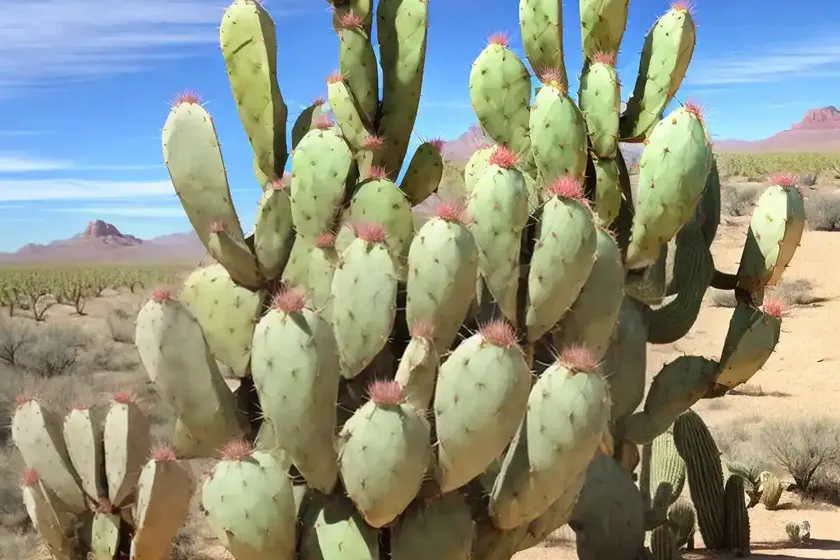
Opuntia santa-rita Tubac�, commonly known as Santa Rita Prickly Pear, is a stunning species of cactus that belongs to the Cactaceae family. Its origin can be traced back to the Sonoran Desert in Mexico and the southwestern United States, including Arizona, New Mexico, and Texas. This striking plant is sought after for its vibrant and visually arresting appearance, making it a popular choice for landscaping in arid and semi-arid regions.
The botanical name “Opuntia” is derived from the Greek city of Opus, where an edible plant with similar characteristics was believed to have originated. “Santa Rita” refers to the Santa Rita Mountains in southeastern Arizona, showcasing the plant’s geographical association.
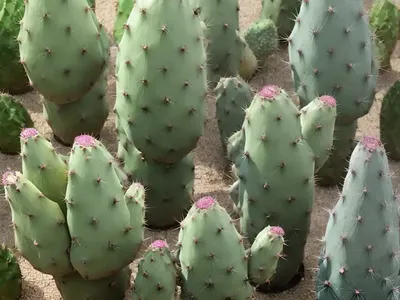
The Santa Rita Prickly Pear is a true marvel of nature with its distinctive purple to violet-pink pads and yellow flowers, making it an eye-catching addition to gardens and landscapes. Its ability to thrive in harsh environmental conditions and its low maintenance requirements further add to its appeal as a landscaping favorite.
Key Takeaways – Opuntia santa-rita Tubac� (Santa Rita Prickly Pear)
Culture
The Santa Rita Prickly Pear is deeply rooted in the cultural heritage of the region it hails from. Its presence is intertwined with the traditions and symbolism of the indigenous people of the Southwest, adding a layer of cultural significance to its already captivating allure.
Uses
Beyond its ornamental value, the Santa Rita Prickly Pear has diverse uses, ranging from culinary applications to its role in traditional medicine and ecological importance in wildlife habitats.
Water
Being a desert-adapted plant, the Santa Rita Prickly Pear has specific water needs that are essential for sustaining its growth and vitality in arid environments.
Sunlight
Understanding its sunlight requirements is crucial for ensuring the optimal growth and blooming of this unique cactus variety.
Fertilizer
While Opuntia santa-rita Tubac� is known for its resilience, providing appropriate nutrients can contribute to its overall health and vibrancy.
Soil
The choice of soil and its characteristics play a pivotal role in the successful cultivation of this desert gem.
Pruning
Pruning techniques tailored to the Santa Rita Prickly Pear are vital for maintaining its distinctive appearance and promoting healthy growth.
Propagation
Exploring propagation methods for this cactus species can allow for the expansion of its presence in diverse landscapes.
Container Popularity
The adaptability of the Santa Rita Prickly Pear to container gardening has garnered attention and increased its popularity among urban gardeners and enthusiasts.
Opuntia santa-rita Tubac� (Santa Rita Prickly Pear): A Closer Look
Description
The Opuntia santa-rita Tubac� (Santa Rita Prickly Pear) stands out with its striking purple to violet-pink hued pads and the compelling contrast created by its bright yellow flowers. This distinctive color combination adds a vivid and awe-inspiring element to any landscape it inhabits.
Characteristics
- Color: Purple to violet-pink pads with yellow flowers
- Growth Habit: Low-growing, spreading
- Foliage: Succulent, spiny pads
Cultivation Tips
Incorporating the following cultivation tips can promote the health and vibrancy of the Santa Rita Prickly Pear:
- Providing well-draining soil to mimic its native desert habitat
- Ensuring adequate sunlight exposure for optimal growth and blooming
- Adhering to the plant’s specific water requirements to prevent overwatering
- Understanding its temperature and hardiness zone requirements for successful cultivation
Health Benefits
The potential health benefits associated with the Santa Rita Prickly Pear include its use in traditional medicine for various ailments and its nutritional value as an edible cactus.
Wildlife Habitat
The Santa Rita Prickly Pear contributes to the preservation of wildlife habitats, serving as a crucial resource for numerous desert-dwelling animals.
History and Symbolism
The historical and symbolic significance of the Santa Rita Prickly Pear is rooted in the traditions and beliefs of the indigenous communities in the Southwest, adding a layer of cultural and spiritual importance to this resilient plant.
Cultivating Opuntia santa-rita Tubac� (Santa Rita Prickly Pear)
Water Requirements
The Santa Rita Prickly Pear exhibits a remarkable tolerance to drought conditions, making it an ideal choice for water-wise landscapes. However, proper hydration is essential, especially during its establishment and flowering periods.
The following table outlines the water requirements for the Santa Rita Prickly Pear based on its growth stage:
| Growth Stage | Watering Frequency |
|---|---|
| Establishment Phase | Weekly in the absence of rain |
| Flowering Period | Bi-weekly or as needed |
| Mature Plant | Monthly during dry spells |
Sunlight
Tapping into its desert heritage, the Santa Rita Prickly Pear thrives in full sunlight, making it an excellent choice for sunny and exposed landscapes. Providing at least six hours of direct sunlight daily is vital for its growth and blooming.
Fertilizer
The Santa Rita Prickly Pear’s modest fertilizer needs can be met with a balanced, slow-release fertilizer applied during the growing season. Use a fertilizer with an N-P-K ratio of 10-10-10 or 5-10-5 to provide essential nutrients without promoting excessive growth.
Soil
The ideal soil for cultivating Opuntia santa-rita Tubac� consists of a well-draining mix to prevent waterlogging and mimic its native desert environment. A blend of sandy loam, perlite, and coarse sand can create a suitable medium for this cactus species.
Pruning Techniques
Pruning the Santa Rita Prickly Pear is primarily focused on the removal of damaged or decaying pads and controlling its growth to maintain a compact and aesthetically pleasing appearance. The following pruning techniques can be employed:
- Using sterilized pruning shears to remove damaged or diseased pads
- Trimming overgrown sections to maintain the desired size and shape
- Minimizing the risk of injury through the removal of spiny pads in high-traffic areas
Propagation Methods
Propagating Opuntia santa-rita Tubac� can be achieved through various methods, including:
- Pads: Planting individual pads to allow for the development of new plants
- Seeds: Collecting and germinating seeds for new growth
- Division: Separating offsets or pups from the parent plant to propagate new individuals
Santa Rita Prickly Pear in Gardens and Landscaping
The Santa Rita Prickly Pear’s exceptional beauty and adaptability make it a valuable addition to gardens and landscaping projects. Its vibrant colors and low maintenance requirements have positioned it as a highly sought-after plant for arid and xeriscape designs.
Desert Landscapes
In desert landscapes, the Santa Rita Prickly Pear serves as a focal point, infusing vibrant hues into the arid backdrop. Its ability to withstand harsh conditions while adding aesthetic value makes it a top choice for desert-themed gardens and xeriscaping projects.
Xeriscaping
Xeriscaping, a landscaping approach focused on water conservation and sustainability, benefits from the inclusion of water-wise plants like the Santa Rita Prickly Pear. Its ability to thrive with minimal irrigation aligns with the principles of xeriscaping, making it an essential component of water-conscious landscaping designs.
Container Gardening
The Santa Rita Prickly Pear’s adaptability to container gardening presents an opportunity for urban and space-limited gardeners to incorporate its captivating beauty into their outdoor spaces. The use of containers allows for greater control over its growth and provides flexibility in placement.
Managing Diseases and Pests
Common Diseases
The Santa Rita Prickly Pear is susceptible to certain diseases, including fungal infections and bacterial rots. Understanding these diseases and their symptoms is crucial for implementing timely interventions to protect the plant’s health.
Disease Diagnosis
Diagnosing common diseases such as anthracnose, root rot, and stem rot involves observing symptoms like discoloration, wilting, and the presence of fungal growth. Proper diagnosis enables targeted treatment approaches to mitigate the spread of these diseases.
Common Pests
Pests such as scale insects, aphids, and spider mites can pose a threat to the Santa Rita Prickly Pear, affecting its overall health and appearance. Vigilant monitoring and proactive pest management are essential in preventing infestations and minimizing potential damage.
Botanist’s Tips for Opuntia santa-rita Tubac� Care
Fun Facts
- The vibrant purple coloration of the Santa Rita Prickly Pear’s pads intensifies during periods of drought, adding to its visual appeal and adaptation to arid conditions.
- The flowers of Opuntia santa-rita Tubac� are not only visually stunning but also serve as a nectar source for pollinators, contributing to the ecological balance of its habitat.
Botanist’s Tips
- Avoid overwatering, especially during the plant’s dormant periods, to prevent root rot and other moisture-related issues.
- Prune the Santa Rita Prickly Pear cautiously, considering its spiny nature and employing appropriate protective gear and tools.
External Resources
For more information on the cultivation, care, and significance of Opuntia santa-rita Tubac� (Santa Rita Prickly Pear), refer to the following external resources:
-
Cactus and Succulent Society of America: Explore a wealth of information on cacti and succulents, including care guides and cultivation tips.
-
Arizona-Sonora Desert Museum: Delve into the diverse ecosystem of the Sonoran Desert and its native flora, including the Santa Rita Prickly Pear.
-
University of Arizona Cooperative Extension: Access educational resources and publications related to desert landscaping, water conservation, and plant health.
-
International Society for Horticultural Science: Stay informed about the latest research and developments in horticulture, including arid-adapted plant species.
-
Lady Bird Johnson Wildflower Center: Discover native plant landscapes and conservation efforts, emphasizing the ecological significance of desert plants like the Santa Rita Prickly Pear.
In conclusion, Opuntia santa-rita Tubac�, also known as Santa Rita Prickly Pear, embodies the resilience and beauty of desert-adapted plants. Its vibrant colors, low maintenance requirements, and cultural significance make it an exceptional choice for gardens, landscaping, and conservation efforts. By understanding its unique characteristics, care needs, and ecological role, enthusiasts can fully appreciate and promote the preservation of this captivating cactus species.
Note: The content provided in this blog post is for informational purposes only and does not constitute professional advice. It is essential to consult local resources and experts for specific guidance on cultivating and managing Opuntia santa-rita Tubac� in diverse environments.