Opuntia ‘Baby Rita’ (Prickly Pear)
Opuntia, commonly referred to as prickly pear, is a unique and resilient plant known for its distinctive appearance and adaptability to arid conditions..
Introduction
Opuntia, commonly referred to as prickly pear, is a unique and resilient plant known for its distinctive appearance and adaptability to arid conditions. Among the various Opuntia cultivars, the Opuntia ‘Baby Rita’ stands out for its compact size, striking beauty, and low maintenance requirements. This article aims to provide a comprehensive guide to Opuntia ‘Baby Rita’ care, highlighting its cultural significance, uses, and essential care tips for enthusiasts and horticulturists.
What is Opuntia ‘Baby Rita’?
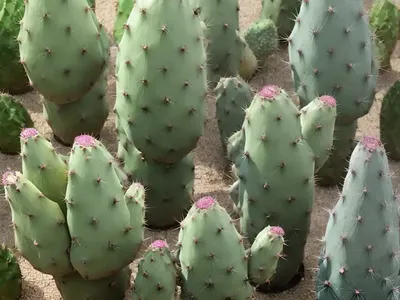
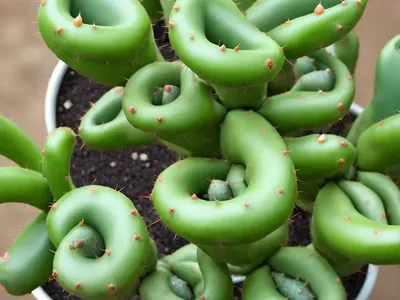
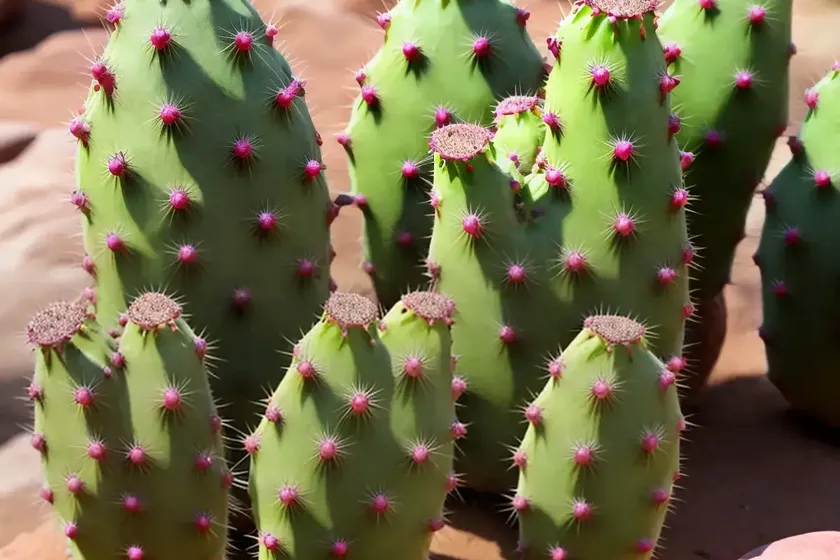
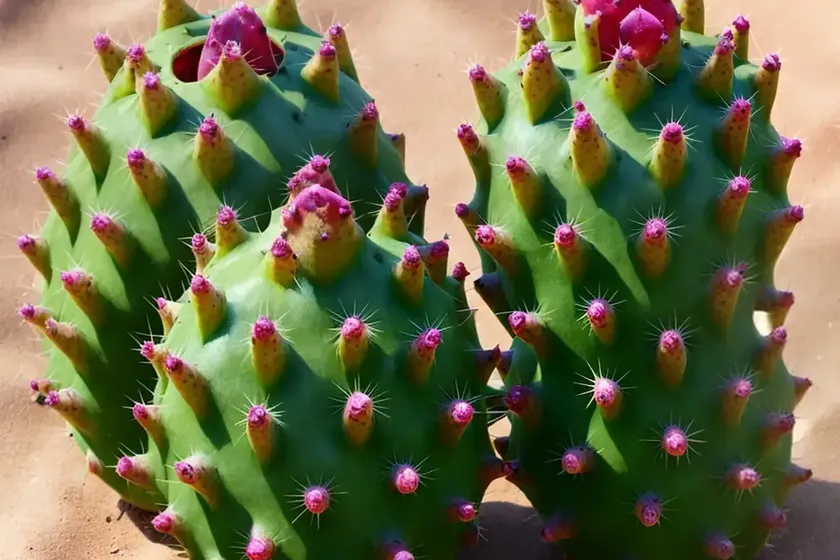
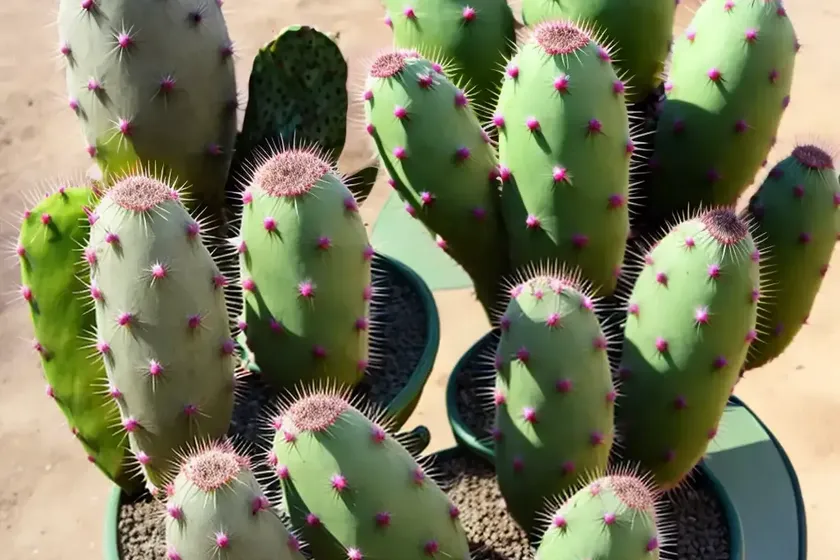
Opuntia ‘Baby Rita’ is a cultivated variety of Opuntia, a genus in the Cactaceae family. It is a succulent plant that is native to the Americas, particularly prevalent in the arid regions of the southwestern United States and Mexico. This particular variety is characterized by its compact growth habit, vibrant green pads, and clusters of prickly spines.
Key Takeaways – Opuntia ‘Baby Rita’
Before delving into the specific care instructions for Opuntia ‘Baby Rita’, it’s crucial to understand the key characteristics and cultural significance of this prickly pear variety.
Culture
Opuntia ‘Baby Rita’ is deeply rooted in the cultural heritage of arid regions where it often thrives. It holds an esteemed position in the folklore and traditional practices of Native American communities, symbolizing resilience, endurance, and sustenance in the face of harsh environmental conditions.
Uses
The uses of Opuntia ‘Baby Rita’ are diverse and multifaceted, encompassing ornamental, culinary, and medicinal applications. Its visually striking appearance makes it a popular choice for xeriscaping and desert gardens, while its fruits, known as tunas, are valued for their edible and nutritious properties.
Water
One of the most remarkable attributes of Opuntia ‘Baby Rita’ is its exceptional drought tolerance. It has evolved to thrive in arid climates, requiring minimal irrigation once established. This makes it an ideal choice for water-wise gardening and landscaping.
Sunlight
Opuntia ‘Baby Rita’ exhibits a strong preference for full sunlight, making it well-suited for sunny and hot environments. Inadequate light can lead to elongation and weakening of the plant, highlighting the importance of providing ample sunlight for its healthy growth.
Fertilizer
While Opuntia ‘Baby Rita’ is known for its ability to thrive in nutrient-poor soils, occasional fertilization during the growing season can support its overall vigor and productivity. A balanced, low-nitrogen fertilizer applied sparingly can suffice to meet its nutritional needs.
Soil
The ideal soil conditions for Opuntia ‘Baby Rita’ mimic its natural habitat, consisting of well-draining, sandy, or rocky substrates. It is crucial to avoid waterlogged or compacted soils, as they can hinder root respiration and lead to various physiological disorders.
Pruning
Pruning requirements for Opuntia ‘Baby Rita’ are minimal, primarily focused on the removal of dead or damaged pads and the control of its spread in landscaping settings. Caution should be exercised while handling the plant due to its spiny nature.
Propagation
The propagation of Opuntia ‘Baby Rita’ can be accomplished through various methods, including seed germination, cuttings, and division. Each approach offers unique advantages and challenges, allowing enthusiasts to expand their collections and share the plant’s beauty with others.
Container Popularity
Opuntia ‘Baby Rita’ is a popular choice for container gardening, enabling individuals with limited outdoor space to cultivate and showcase this stunning desert plant. Its compact growth habit and minimal care requirements make it an excellent option for container cultivation.
Container Common Diseases
When grown in containers, Opuntia ‘Baby Rita’ may be susceptible to certain diseases, notably fungal infections and root rot. Proper drainage and vigilant monitoring can help prevent these issues and maintain the plant’s health.
Disease Diagnosis
Recognizing and diagnosing diseases in Opuntia ‘Baby Rita’ is integral to preserving its vitality. Early detection of symptoms such as discolored or withering pads, lesions, and abnormal growth can aid in implementing timely interventions to mitigate the impact of diseases.
Common Pests
Pests such as scale insects and mealybugs can pose a threat to the health of Opuntia ‘Baby Rita’. Regular inspections and the use of horticultural oils or natural predators can assist in managing pest populations without resorting to harsh chemical treatments.
Botanist’s Tips
From a botanist’s perspective, Opuntia ‘Baby Rita’ represents a fascinating subject for studying ecological adaptations, evolutionary relationships, and the genetic diversity of the Opuntia genus. Its distinctive traits and behavioral responses to environmental stimuli offer valuable insight into the plant kingdom’s resilience and survival strategies.
Fun Facts
- The vibrant yellow or red fruits produced by Opuntia ‘Baby Rita’ are not only visually appealing but also boast high levels of vitamin C, antioxidants, and dietary fiber, contributing to its significance as an edible plant.
- Opuntia species, including ‘Baby Rita’, have been utilized for centuries by indigenous communities for various purposes, ranging from food and traditional medicine to construction materials and dye production.
- The flattened stem segments of Opuntia ‘Baby Rita’, commonly referred to as pads or cladodes, serve as the primary photosynthetic organs, allowing the plant to harness solar energy and thrive in arid environments.
Links to External Resources
For more in-depth information about Opuntia ‘Baby Rita’ and related topics, please refer to the following authoritative resources:
- The Cactus and Succulent Society of America
- Arizona-Sonora Desert Museum
- Royal Horticultural Society – Cacti and Succulents
In conclusion, Opuntia ‘Baby Rita’ represents a captivating and versatile addition to arid and desert landscapes, offering an array of practical, aesthetic, and ecological benefits. By understanding its cultural significance, growth requirements, and maintenance guidelines, enthusiasts can cultivate and appreciate this remarkable prickly pear variety while contributing to the conservation of arid-adapted plant species. Whether grown in gardens, containers, or natural habitats, Opuntia ‘Baby Rita’ continues to inspire admiration and fascination among plant enthusiasts and researchers alike, underscoring its enduring appeal and importance in the botanical world.