Advertisement

Advertisement

Advertisement

Oligoneuron Rigidum (Stiff Goldenrod)

· · ⏰ 7 min read · 1,423 words
Disclosure: This post may contain affiliate links. If you purchase through these links, we may earn a small commission at no extra cost to you. We only recommend products we genuinely believe in. Learn more.
Home » Compositae » Oligoneuron Rigidum (Stiff Goldenrod)

Oligoneuron rigidum (Stiff Goldenrod): A Fascinating Perennial Plant

Plants are not only essential for the ecological balance of our planet but also add beauty to our surroundings. Oligoneuron rigidum, commonly known as Stiff Goldenrod, is one such perennial plant that not only adds visual appeal to gardens but also has notable ecological importance. In this extensive guide, we will explore the various aspects of Oligoneuron rigidum, from its characteristics and habitat to its cultivation, ecological benefits, and medicinal uses.

What is Oligoneuron rigidum (Stiff Goldenrod)?

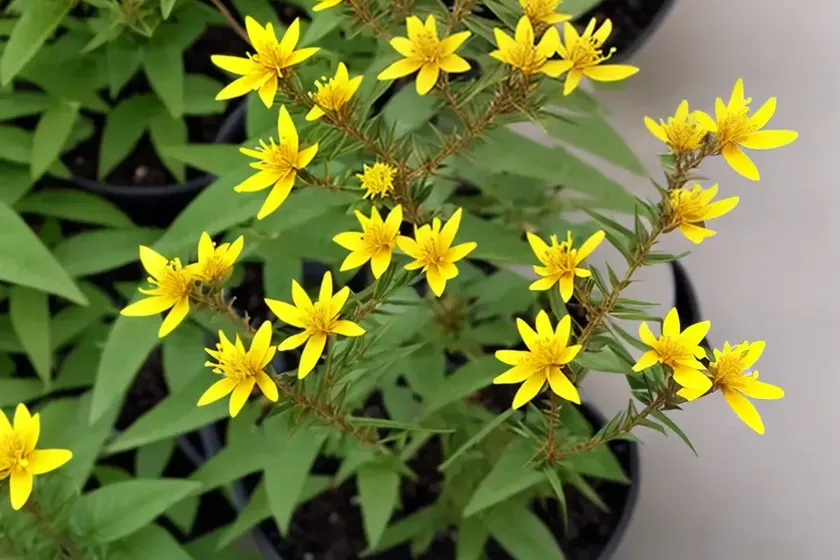
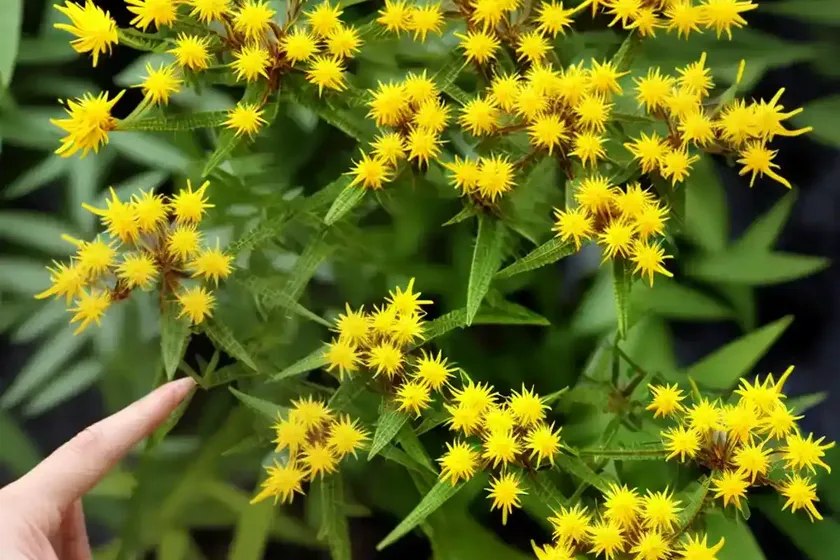
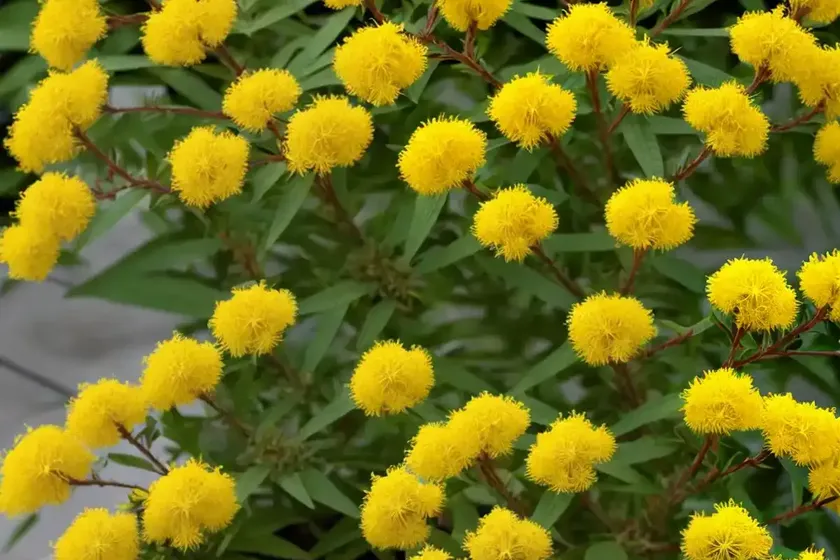
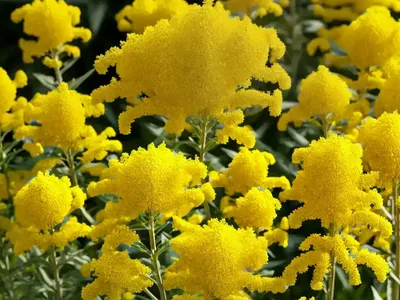
Oligoneuron rigidum is a species of flowering plant in the family Asteraceae. It is native to North America and is particularly abundant in the central and eastern regions of the United States and Canada. The plant is commonly known as Stiff Goldenrod due to its sturdy and upright growth habit and the golden-yellow flowers it produces.

Advertisement

Key Takeaways – Oligoneuron rigidum (Stiff Goldenrod)

Before diving into the details of caring for Oligoneuron rigidum, let’s begin with a quick overview of some key takeaways about this plant.

  • Oligoneuron rigidum Facts
  • Native to North America
  • Belongs to the Asteraceae family
  • Known for its golden-yellow flowers
  • Ecologically important

  • Stiff Goldenrod Plant Care

  • Requires minimal maintenance
  • Drought-tolerant once established
  • Attracts pollinators and beneficial insects

  • Oligoneuron rigidum Habitat

  • Thrives in open, sunny areas
  • Often found in prairies, meadows, and open woodlands

  • Stiff Goldenrod Growth Requirements

  • Well-draining soil
  • Full sunlight
  • Minimal fertilization needs

  • Oligoneuron rigidum Characteristics

  • Sturdy, upright growth habit
  • Clusters of small, yellow flowers
  • Perennial plant

Now that we have a brief overview of Oligoneuron rigidum, let’s delve into the specifics of its care and cultivation.


Culture

Uses

Oligoneuron rigidum holds significance in both horticulture and ecology. From a horticultural perspective, it is valued for its ornamental qualities, serving as an attractive addition to gardens and landscapes. The plant’s ecological importance is derived from its role as a pollinator attractant and as a host plant for various insect species, contributing to overall biodiversity and ecosystem health.

Water

Once established, Oligoneuron rigidum is remarkably drought-tolerant and requires minimal supplemental watering. However, during the initial establishment period, regular watering is essential to promote root development and overall plant vigor. As a general guideline, it is advisable to water the plant deeply but infrequently, allowing the soil to dry out between watering sessions to encourage the development of a robust root system.

Sunlight

Stiff Goldenrod thrives in full sunlight and is well-suited to open, sunny landscapes. When selecting a planting site, ensure that it receives at least 6-8 hours of direct sunlight daily for optimal growth and flowering.

Fertilizer

One of the remarkable aspects of Oligoneuron rigidum is its minimal fertilizer requirements. In most cases, the plant can thrive without the need for additional fertilization, particularly in nutrient-rich soils. However, if the soil is poor or lacking in essential nutrients, a light application of a balanced, slow-release fertilizer in early spring can support healthy growth and flowering.

Soil

Well-draining soil is crucial for the successful cultivation of Oligoneuron rigidum. It thrives in various soil types, including loamy, sandy, or rocky soils, as long as they offer good drainage. Additionally, the plant exhibits remarkable adaptability to different soil pH levels, ranging from slightly acidic to slightly alkaline.

Pruning

Pruning requirements for Oligoneuron rigidum are minimal, primarily revolving around the removal of dead flower heads to encourage continuous flowering and the maintenance of a tidy appearance. In late fall or early spring, cutting back the plant to its basal foliage can help rejuvenate its growth and overall appearance.


Propagation

Oligoneuron rigidum can be propagated through several methods, including division, seed sowing, and stem cuttings. Here’s an overview of these propagation techniques:

  • Division: Divide mature clumps of Stiff Goldenrod in early spring or fall to create new plants. Ensure that each division has a sufficient portion of roots and shoots for successful establishment.

  • Seed Sowing: Collect seeds from mature flower heads and sow them directly in the garden in the fall or early spring. Oligoneuron rigidum is known for its prolific self-seeding tendencies, and this method can lead to naturalized populations in suitable growing conditions.

  • Stem Cuttings: Take softwood or hardwood cuttings from healthy plants and root them in a well-draining propagation medium. This method is particularly useful for propagating specific cultivars or varieties with desirable traits.

Container Popularity

Given its adaptability and moderate size, Oligoneuron rigidum is well-suited to container cultivation. This is especially beneficial for gardeners with limited space or those looking to accentuate outdoor living areas with vibrant floral displays. When growing Stiff Goldenrod in containers, ensure that the containers have adequate drainage and provide the plant with the same cultural conditions required for its successful growth in garden beds.

Common Diseases

As a relatively low-maintenance plant, Oligoneuron rigidum is not highly susceptible to serious disease issues. However, it may occasionally encounter the following conditions:

  • Powdery Mildew: This fungal disease can affect the foliage, resulting in a powdery white coating. To prevent powdery mildew, ensure proper air circulation around the plants and avoid overhead watering.

  • Rust: Rust diseases can manifest as orange or rusty-colored spots on the foliage. To minimize the risk of rust, remove and destroy any affected foliage and avoid wetting the leaves during watering.

  • Root Rot: Overly wet or poorly draining soil can lead to root rot in Oligoneuron rigidum. To prevent this, ensure proper soil drainage and avoid overwatering the plants.

Disease Diagnosis

Monitoring the plants for any signs of unusual discoloration, spots, or wilting is essential in diagnosing and managing potential diseases. Regular inspection can help identify issues early, enabling prompt intervention and minimizing the impact on plant health.

Common Pests

Similar to its resistance to diseases, Oligoneuron rigidum exhibits resistance to many common garden pests. However, certain insects may occasionally present minor challenges:

  • Aphids: These small, sap-sucking insects can gather on the tender new growth of Stiff Goldenrod. A strong blast of water or the use of insecticidal soap can effectively control aphid infestations.

  • Caterpillars: Some caterpillar species may feed on the foliage of Oligoneuron rigidum. Handpicking caterpillars or using biological control methods can help manage their populations without the need for chemical interventions.

Botanist’s Tips

For botanists and plant enthusiasts, here are some additional tips and insights regarding Oligoneuron rigidum:

  • Ecological Significance: As a native North American plant, Oligoneuron rigidum plays a crucial role in supporting local wildlife, particularly pollinators and beneficial insects. Understanding its ecological connections and conservation status can deepen appreciation for its environmental contributions.

  • Species Diversity: Oligoneuron rigidum encompasses several subspecies and varieties, each with its unique characteristics and habitat preferences. Exploring the diversity within the species can provide valuable insights into its adaptability and evolutionary history.


Fun Facts

No exploration of a fascinating plant like Oligoneuron rigidum would be complete without a few fun and intriguing facts about this botanical marvel:

  1. Wildlife Attraction: Beyond its aesthetic appeal, Stiff Goldenrod serves as an important food source for various wildlife, including butterflies, bees, and other pollinators, making it a valuable addition to wildlife-supporting landscapes.

  2. Medicinal Uses: Traditionally, indigenous cultures have utilized certain species of goldenrod, including Oligoneuron rigidum, for various medicinal purposes, ranging from teas for urinary health to topical preparations for skin-related ailments.

  3. Drought Tolerance: The ability of Oligoneuron rigidum to thrive in dry, sunny conditions makes it an excellent choice for water-wise gardening and landscaping, where it can contribute to sustainable and resilient plantings.


To further expand your knowledge and understanding of Oligoneuron rigidum and its cultivation, here are some valuable external resources:

  1. Wildflower Center – Oligoneuron rigidum

  2. USDA Plants Database – Oligoneuron rigidum

  3. Missouri Botanical Garden – Oligoneuron rigidum

  4. Lady Bird Johnson Wildflower Center – Stiff Goldenrod

  5. Illinois Wildflowers – Oligoneuron rigidum

  6. Xerces Society – Pollinator Conservation Resource Center

These resources offer a wealth of information, ranging from botanical details and cultivation recommendations to the broader ecological significance of Oligoneuron rigidum.


In conclusion, Oligoneuron rigidum, or Stiff Goldenrod, is a remarkable native perennial plant that holds multifaceted value as an ornamental, ecological, and even medicinal species. Its resilience, adaptability, and ecological contributions make it a plant worthy of appreciation and consideration for various horticultural and conservation initiatives. By understanding its unique characteristics, growth requirements, and ecological importance, we can foster a deeper connection with this captivating plant and contribute to the conservation of native flora and fauna.

Whether you’re a gardener, botanist, or nature enthusiast, exploring the world of Oligoneuron rigidum can lead to a deeper appreciation for the intricate web of life in which it participates, inspiring a sense of stewardship and admiration for the natural world.

Advertisement

Browse Topics