Okra (Abelmoschus Esculentus)
Okra, scientifically known as Abelmoschus esculentus, is a warm-season vegetable that is gaining popularity for its culinary uses and health benefits. Also.
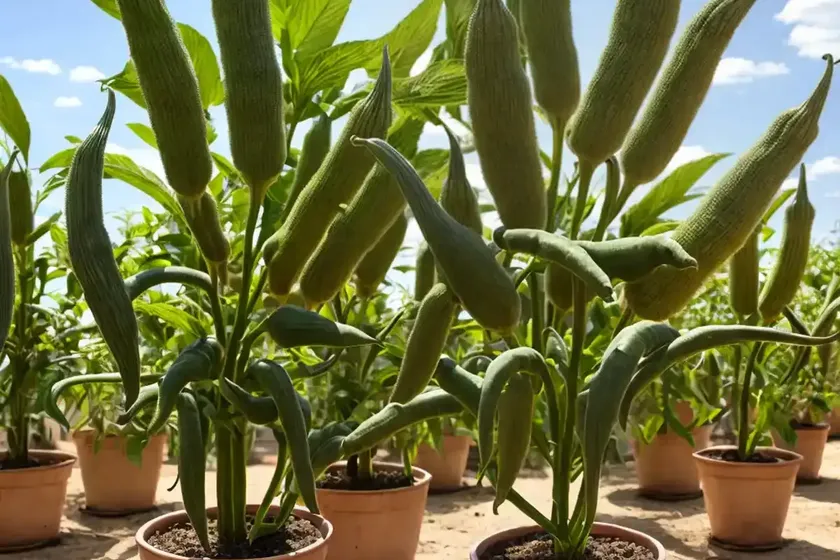
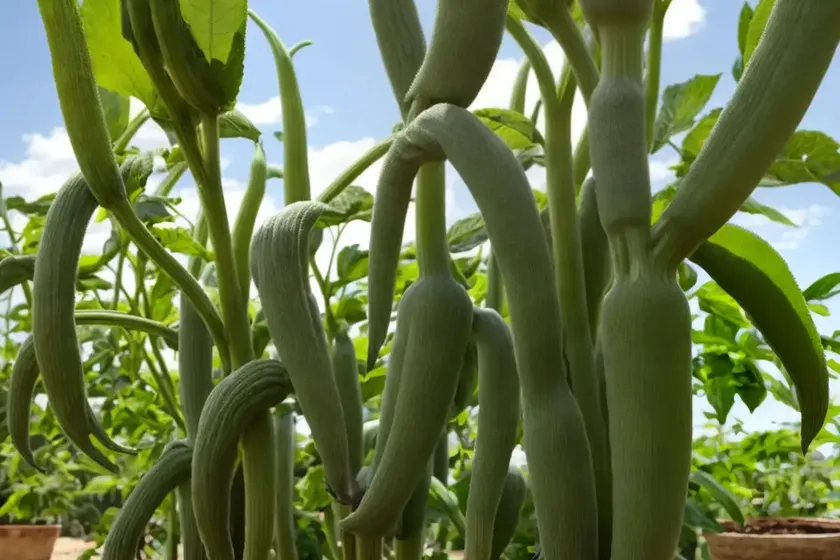
Okra, scientifically known as Abelmoschus esculentus, is a warm-season vegetable that is gaining popularity for its culinary uses and health benefits. Also known as lady’s fingers or gumbo, okra is a flowering plant that belongs to the mallow family Malvaceae. It is widely cultivated in tropical and subtropical regions for its edible green pods.
This blog post will delve into the various aspects of okra, including its cultivation, uses, care, common diseases, and pests, as well as interesting facts and additional resources for further exploration. Whether you are a gardening enthusiast, a food lover, or someone interested in the nutritional and medicinal properties of okra, this comprehensive guide will provide valuable insights into the world of Abelmoschus esculentus.
What is Okra (Abelmoschus Esculentus)?
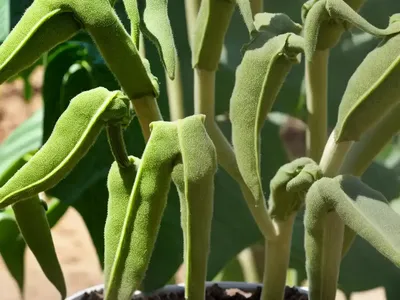
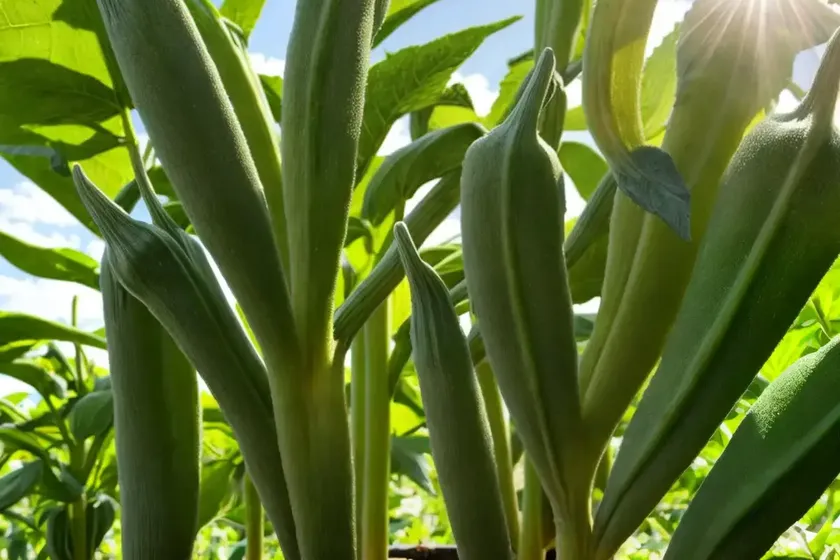
Okra, scientifically referred to as Abelmoschus esculentus, is a flowering plant that is cultivated for its green, seed-filled pods which are used in various culinary preparations. The plant is known for its distinctive angular and ridged pods, which contain numerous small, edible seeds. Okra is a warm-season vegetable that thrives in well-drained, fertile soils and requires adequate sunlight and warmth to flourish.
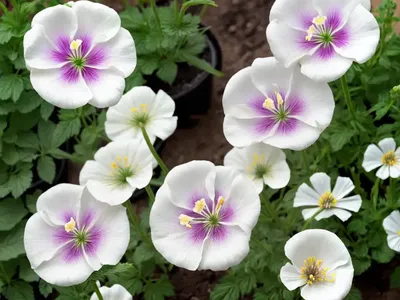
The okra plant is characterized by its large and showy yellow flowers, and its pods are harvested for consumption when they are immature and tender. The vegetable is commonly used in soups, stews, stir-fries, and pickles due to its unique textural properties and mild flavor. In addition to its culinary uses, okra is also valued for its potential health benefits, including its high fiber content, vitamin C, and antioxidants.
Key Takeaways – Okra (Abelmoschus Esculentus)
Before diving into the specifics of growing and caring for okra, let’s take a look at some key takeaways about this versatile vegetable.
- Okra Vegetable: Okra is a warm-season vegetable with edible green pods that belong to the mallow family.
- Abelmoschus Esculentus: Scientific name for okra, indicating its botanical classification.
- Okra Health Benefits: Okra is known for its potential health benefits, including high fiber content and antioxidant properties.
- Okra Nutrition Facts: Okra is rich in various nutrients, including vitamin C, and is low in calories.
- Growing Okra at Home: Okra can be successfully grown at home in suitable climates and conditions.
- Okra Plant Care: Proper care and maintenance are essential for the successful cultivation of okra plants.
- Okra Recipes: Okra is used in a variety of culinary preparations, including soups, stews, and pickles.
- Okra Varieties: There are different okra varieties with varying pod sizes, colors, and flavors.
- Benefits of Eating Okra: Consuming okra may offer various health benefits, including potential medicinal properties.
- Okra Medicinal Properties: Okra is believed to possess medicinal properties that contribute to overall well-being.
Now, let’s explore the various aspects of cultivating and caring for okra, as well as its common uses and potential benefits.
Culture
Cultivating okra requires a solid understanding of the plant’s requirements in terms of water, sunlight, fertilizer, soil, and pruning. By providing the ideal growing conditions, you can ensure the healthy development and abundant yield of okra plants.
Uses
Okra is a versatile vegetable that finds its way into a wide array of culinary dishes and preparations. The green pods are the primary edible part of the plant, and they are used in both raw and cooked forms. Some popular uses of okra include:
- In soups and stews, such as gumbo
- Stir-fried with other vegetables or meats
- As a pickled vegetable
- Added to curries and rice dishes
The mucilaginous nature of okra makes it an excellent thickening agent for soups and stews. Its mild flavor and unique texture lend themselves to a variety of cooking styles and flavor profiles.
Water
Proper watering is essential for the healthy growth and development of okra plants. While okra is relatively drought tolerant, consistent moisture is crucial, especially during the flowering and fruiting stages. Adequate irrigation helps prevent issues such as blossom end rot and ensures the production of high-quality pods.
Watering Guidelines:
- Water okra plants deeply but infrequently, aiming for around 1 to 1.5 inches of water per week.
- Avoid waterlogging the soil, as excessive moisture can lead to root diseases.
- Water in the morning to allow foliage to dry off during the day, reducing the risk of fungal diseases.
Sunlight
Okra is a sun-loving plant that thrives in full sunlight. Adequate sun exposure is key for promoting healthy growth, flowering, and fruiting. When selecting a spot for planting okra, choose a location that receives at least 6 to 8 hours of direct sunlight per day.
Sunlight Requirements:
- Plant okra in a sunny spot with well-drained soil to maximize sunlight exposure.
- Avoid shading from tall plants or structures that could obstruct sunlight.
Fertilizer
Providing the proper nutrients is essential for ensuring the vigorous growth and productivity of okra plants. Fertilize the soil before planting and supplement as needed throughout the growing season.
Fertilization Tips:
- Conduct a soil test to determine the nutrient levels and pH of the soil.
- Use a balanced fertilizer with a higher potassium content to promote flowering and fruiting.
- Side-dress with compost or well-decomposed organic matter to enrich the soil and enhance nutrient availability.
Soil
The quality of the soil significantly impacts the overall health and productivity of okra plants. Well-drained, fertile soil with a slightly acidic to neutral pH is ideal for growing healthy okra.
Soil Requirements:
- Choose well-drained, loamy soil with good organic matter content.
- Maintain a soil pH of 6.0 to 7.0 for optimal nutrient uptake and plant growth.
- Avoid waterlogged or compacted soils, as they can lead to root rot and stunted growth.
Pruning
Pruning okra plants may not be necessary for all gardeners, but selective pruning can help improve airflow, reduce disease incidence, and promote better productivity.
Pruning Guidelines:
- Remove any diseased or damaged foliage to prevent the spread of diseases.
- Thin out crowded areas to allow for better air circulation and light penetration.
- Harvest mature pods regularly to encourage continuous flowering and new pod formation.
Propagation
Okra can be propagated from seeds, making it a highly accessible and rewarding vegetable to grow. By starting okra seeds indoors or directly sowing them in the garden, you can successfully raise healthy plants for a bountiful harvest.
Seed Propagation:
- Start okra seeds indoors 3 to 4 weeks before the last expected frost date.
- Directly sow seeds in the garden once the soil has warmed to around 65°F (18°C) or above.
- Plant seeds 1 inch deep and 12 to 18 inches apart in rows spaced 3 feet apart.
Container Popularity
Okra can also be grown in containers, making it a suitable option for gardeners with limited space. Container-grown okra provides the opportunity to enjoy homegrown produce even in small urban settings or on balconies and patios.
Container Gardening Tips:
- Choose a large container with adequate drainage holes for growing okra.
- Use a well-draining potting mix and ensure the container receives ample sunlight.
- Fertilize and water container-grown okra regularly to support healthy growth and fruiting.
Container Common Diseases
When growing okra in containers, it’s important to be mindful of potential diseases that can affect the plants. Common container diseases include:
- Root rot due to overwatering
- Fungal diseases from poor air circulation
- Nutrient deficiencies in the potting soil
Proper care and container maintenance can help mitigate the risk of these issues.
Disease Diagnosis
Okra plants may be susceptible to various diseases, including fungal, bacterial, and viral infections. Identifying and diagnosing plant diseases early is crucial for implementing appropriate management strategies and protecting the crop from extensive damage.
Common Okra Diseases:
- Powdery Mildew: White powdery growth on leaves, stems, and pods.
- Fusarium Wilt: Yellowing and wilting of lower leaves, followed by plant collapse.
- Bacterial Blight: Water-soaked lesions on leaves, often leading to defoliation.
Common Pests
In addition to diseases, okra plants can also be targeted by pests that may compromise their health and yield. By recognizing common pests and implementing preventive measures, you can safeguard your okra crop from infestations.
Pest Identification:
- Aphids: Small, soft-bodied insects that cluster on the undersides of leaves.
- Whiteflies: Small, white insects that flutter around the foliage when disturbed.
- Caterpillars: Larvae that feed on okra leaves and may cause defoliation.
Botanist’s Tips
Understanding the botanical aspects of okra plants can provide valuable insights into their growth, development, and overall requirements. Here are some botanist’s tips for cultivating and caring for okra:
- Pollination: Okra flowers are predominantly self-pollinated, but attracting pollinators can enhance fruit set.
- Flowering: Okra plants produce large, showy flowers that precede the formation of the pods.
- Seed Saving: Allow a few pods to mature and dry on the plant for saving seeds for future plantings.
- Lifecycle: Okra is an annual plant, completing its lifecycle within a single growing season.
Fun Facts
In addition to its culinary uses and potential health benefits, okra boasts a variety of intriguing and lesser-known facts that highlight its cultural significance and botanical characteristics.
- The term “okra” is derived from the word “nkruman” in the Akan language, spoken in Ghana, West Africa.
- Okra is a staple ingredient in various cuisines, including Indian, Southern, African, and Caribbean.
- The seed pods of okra are often used as a natural thickening agent in dishes such as gumbo.
- Okra has been traditionally used in herbal medicine for its potential medicinal properties.
Links to External Resources
For further exploration into the world of okra, consider delving into the following external resources:
- Okra: Planting, Growing, and Harvesting
- Cooking with Okra – Delicious Recipes
- Health Benefits of Okra
Conclusion
In conclusion, okra (Abelmoschus esculentus) is a remarkable vegetable with diverse uses, potential health benefits, and cultural significance. By understanding its cultivation requirements, savory recipes, and health-related properties, individuals can fully appreciate the value of this unique vegetable in the culinary and horticultural realms. Whether you are intrigued by okra’s role in traditional cuisines, its nutritional composition, or its potential as a homegrown produce, there is much to discover and celebrate about the fascinating world of okra. Happy gardening and culinary adventures with this exceptional vegetable!