Oilseed Poppy (Papaver Somniferum)
The oilseed poppy, scientifically known as Papaver somniferum, is a versatile plant with a rich history of cultural and medicinal uses. As a plant.
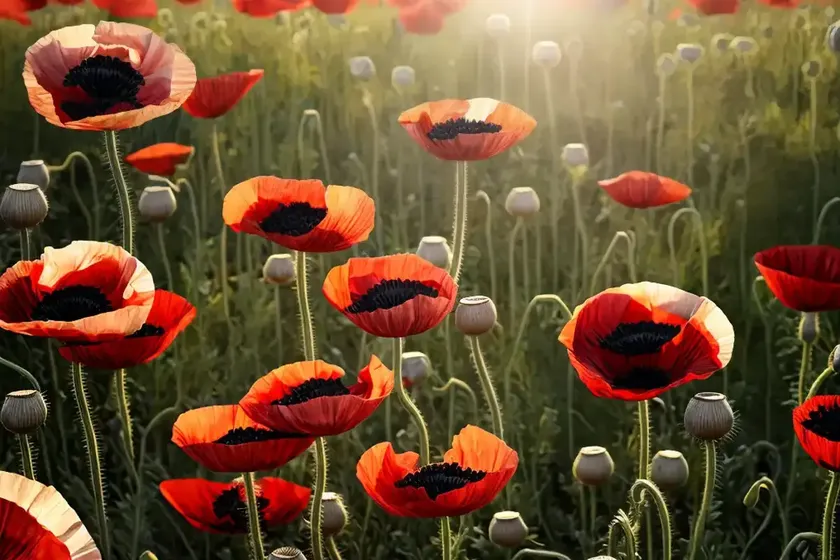
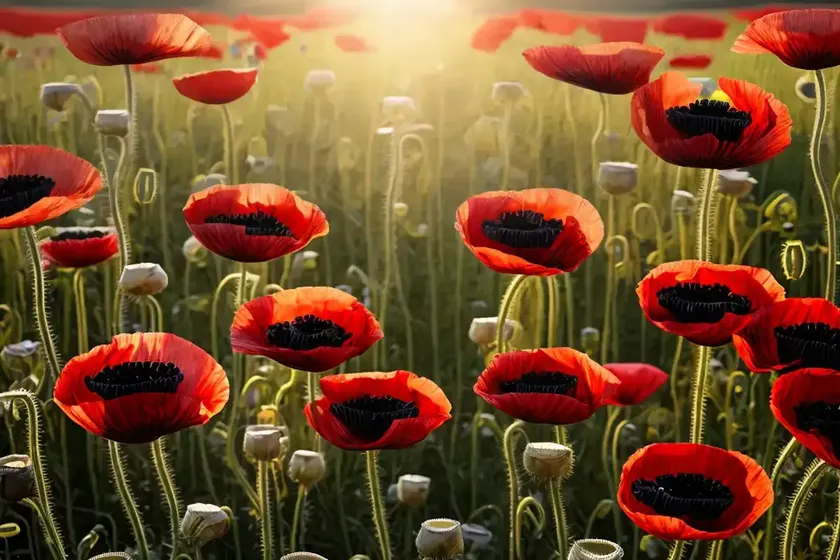
The oilseed poppy, scientifically known as Papaver somniferum, is a versatile plant with a rich history of cultural and medicinal uses. As a plant scientist, I am excited to delve into the nuances of this fascinating botanical species. This comprehensive guide will cover the culture, uses, cultivation techniques, common diseases, pests, and propagation methods associated with oilseed poppy. Additionally, I will provide insightful tips and fun facts to enhance your understanding and appreciation of this plant. Let’s embark on an exploration of the captivating oilseed poppy.
What is Oilseed Poppy (Papaver Somniferum)?
Overview
Papaver somniferum, commonly known as the opium poppy or oilseed poppy, is an annual flowering plant belonging to the Papaveraceae family. This species is renowned for its striking flowers and the seeds it produces, which have a wide range of applications. While the opium poppy is infamous for its association with the production of opium, it also holds significance in traditional medicine, culinary practices, and horticulture.
Botanical Characteristics
Before delving into the various aspects of oilseed poppy cultivation and utilization, it’s essential to understand the botanical characteristics of Papaver somniferum.
- Family: Papaveraceae
- Genus: Papaver
- Species: Somniferum
- Common Names: Opium Poppy, Oilseed Poppy
- Native Range: Western Asia and Southeastern Europe
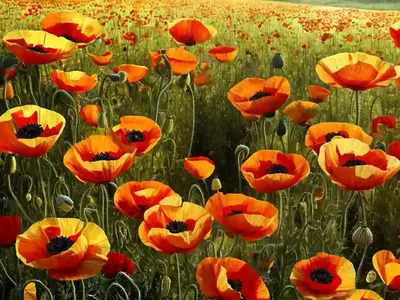
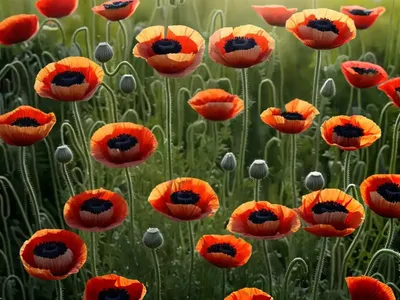
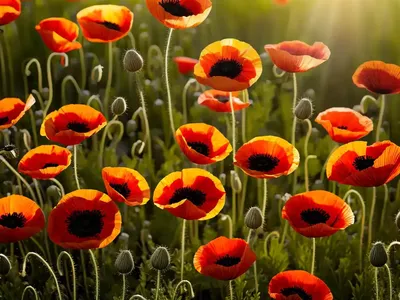
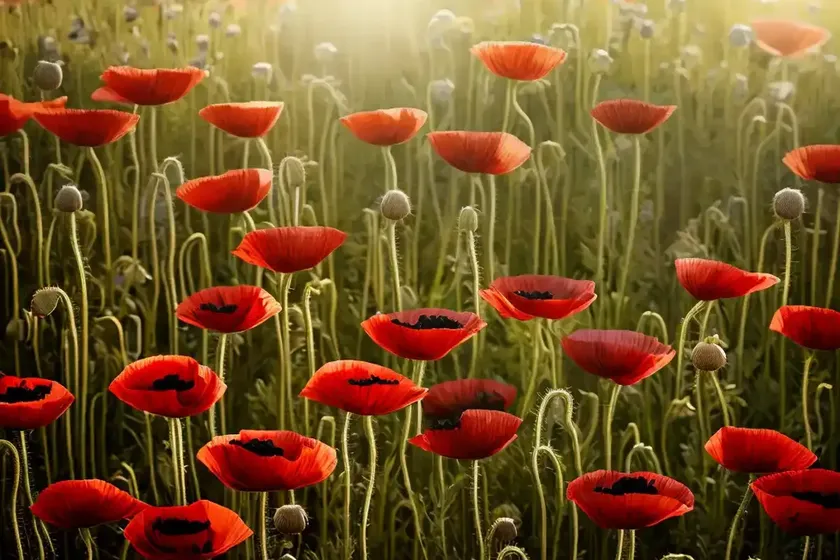
The opium poppy is characterized by its showy, cup-shaped flowers with delicate petals in a range of colors, including white, pink, red, and purple. The plant typically reaches a height of 2-3 feet and produces distinctive seed pods that contain numerous small, oil-rich seeds.
Now that we have an overview of the botanical aspects of oilseed poppy, let’s delve into its various facets, including cultural significance, uses, and cultivation techniques.
Key Takeaways – Oilseed Poppy (Papaver Somniferum)
Culture
The oilseed poppy has been deeply intertwined with human culture and history, playing diverse roles in traditional practices, art, and symbolism.
- The opium poppy has held symbolic significance in various cultures and has been represented in art, literature, and religious rituals for centuries.
- In some cultures, the oilseed poppy is associated with remembrance and commemoration, particularly in relation to war and sacrifice.
- The vibrant and delicate flowers of Papaver somniferum have inspired artists and poets, finding representation in paintings, poetry, and cultural expressions globally.
Uses
The oilseed poppy offers a multitude of uses, ranging from culinary applications to medicinal and industrial purposes.
- Poppy Seed Production: The seeds of Papaver somniferum are widely used in culinary practices, adding a nutty flavor and texture to baked goods, pastries, and savory dishes.
- Poppy Seed Oil: The oil extracted from poppy seeds is utilized in cooking, salad dressings, and pharmaceutical preparations, owing to its pleasant flavor and beneficial fatty acid composition.
- Traditional Medicine: Historically, various parts of the oilseed poppy plant have been used in traditional medicine to address a range of ailments, with the plant’s alkaloids holding medicinal properties.
- Opium Production: The opium poppy is the primary source of opium, a substance with both medicinal and narcotic properties. The alkaloids derived from the plant have been used for pain relief and sedation, as well as illicit drug production.
Now, let’s move on to the essential environmental considerations and cultivation practices for nurturing oilseed poppies.
Water
Proper watering is crucial for the growth and development of oilseed poppies, ensuring adequate moisture without waterlogging the soil.
- Seedling Stage: During the initial stages of growth, it’s essential to keep the soil consistently moist but not waterlogged to support the germination of seeds and the development of seedlings.
- Established Plants: Once the plants are established, they generally require moderate watering, with a focus on maintaining even moisture levels in the soil.
- Flowering and Seed Production: Adequate moisture is especially vital during the flowering and seed production stages, as fluctuations in water availability can impact seed development and quality.
Sunlight
As with many flowering plants, oilseed poppies thrive in environments with ample sunlight, but they also exhibit adaptability to varying light conditions.
- Full Sun: Oilseed poppies generally prefer full sun exposure, with at least 6-8 hours of direct sunlight per day promoting robust growth and prolific flowering.
- Partial Shade: While they thrive in full sun, oilseed poppies can tolerate partial shade, especially in regions with intense summer heat, where some protection from the sun may be beneficial.
Fertilizer
Proper nutrient management, including fertilization, is essential for supporting the growth, flowering, and seed production of oilseed poppies.
- Nutrient Requirements: A balanced fertilizer with a slightly higher phosphorus content can support the development of robust roots, healthy foliage, and prolific flowering.
- Application Timing: Fertilizers can be applied during the early stages of growth to support initial establishment and then during the flowering phase to promote seed production.
- Avoid Over-Fertilization: Excessive fertilization can lead to excessive foliage growth at the expense of flower and seed development, so it’s crucial to apply fertilizers judiciously.
Soil
Understanding the soil requirements and preparing a suitable growing medium is vital for cultivating healthy oilseed poppy plants.
- Well-Drained Soil: Oilseed poppies thrive in well-drained, loamy soil that promotes healthy root development and prevents waterlogging, which can be detrimental to the plants.
- Soil pH: A slightly alkaline to neutral soil pH in the range of 7.0-7.5 provides an optimal growing environment for oilseed poppies.
- Soil Preparation: Prior to planting, the soil can be enriched with organic matter such as compost to improve its structure and fertility, supporting the growth of vigorous plants.
Pruning
While oilseed poppies do not require extensive pruning, there are certain considerations for promoting optimal plant growth and seed production.
- Deadheading Flowers: Removing spent flowers can encourage the continuous production of blooms and prevent the formation of seed pods prematurely, prolonging the flowering period.
- Thinning Seedlings: In the early stages of growth, thinning out overcrowded seedlings can enhance airflow and light penetration, reducing the risk of disease and promoting healthy plant development.
Propagation
Oilseed poppies can be propagated through seeds, and understanding the best practices for seed collection, storage, and sowing is essential for successful propagation.
- Seed Collection: Mature poppy seed pods can be harvested when they turn brown and develop small openings at the top, indicating that the seeds are fully developed and ready for collection.
- Seed Storage: Properly dried poppy seeds can be stored in a cool, dry place in airtight containers to maintain their viability for future sowing.
- Sowing Techniques: Papaver somniferum seeds can be directly sown into the prepared garden soil or containers, and they generally germinate well when in contact with the soil and exposed to light.
Container Popularity
While oilseed poppies are often cultivated in garden beds, their popularity in container gardening is also noteworthy, offering versatility in small-space gardening and ornamental displays.
- Container Selection: Selecting well-draining containers of appropriate size for oilseed poppies is crucial, providing adequate space for root development and stability.
- Ornamental Display: Container-grown oilseed poppies can add vibrant color and visual interest to patios, balconies, and windowsills, enhancing the aesthetic appeal of outdoor spaces.
Now that we have explored the essential cultural, environmental, and cultivation aspects of oilseed poppy, let’s address the challenges associated with common diseases and pests that can affect the health of these plants.
Common Diseases
Plant diseases can impact the vigor and productivity of oilseed poppies, necessitating proactive management to minimize the risk of infections.
Downy Mildew (Peronospora arborescens)
- Symptoms: Characterized by the development of grayish-white, fuzzy growth on the undersides of leaves, often accompanied by yellowing and wilting of foliage.
- Prevention and Management: Maintaining good airflow around plants, avoiding overhead watering, and applying fungicidal sprays can help mitigate the impact of downy mildew.
Fusarium Wilt (Fusarium oxysporum)
- Symptoms: This fungal disease leads to the yellowing, wilting, and eventual death of plant tissues, often starting with the lower leaves and progressing upwards.
- Prevention and Management: Planting in well-drained soil, using disease-resistant varieties, and practicing crop rotation can reduce the incidence of Fusarium wilt.
Powdery Mildew (Erysiphe cruciferarum)
- Symptoms: Powdery white patches appear on the upper surfaces of leaves, accompanied by leaf distortion and impaired plant growth.
- Prevention and Management: Ensuring proper spacing between plants, removing affected foliage, and applying fungicidal treatments can aid in managing powdery mildew.
Disease Diagnosis
Timely diagnosis of plant diseases is essential for implementing effective management strategies and preventing the spread of infections.
- Symptom Observation: Regular inspection of oilseed poppies for characteristic signs of diseases, such as leaf discoloration, wilting, or abnormal growth, can aid in early detection.
- Laboratory Analysis: Submitting plant samples to diagnostic laboratories for pathogen identification and analysis of disease causes can provide precise insights for targeted management.
Moving on, let’s address the common pests that can pose challenges to the health and productivity of oilseed poppies, requiring attentive monitoring and intervention.
Common Pests
Insect pests can compromise the vitality of oilseed poppies, necessitating integrated pest management approaches to mitigate their impact.
Aphids (Aphidoidea)
- Damage: Aphids feed on plant sap, causing leaf curling, stunted growth, and the spread of viral diseases through their feeding activities.
- Control Measures: Natural predators, such as ladybugs and lacewings, can help manage aphid populations, and insecticidal soaps or oils can be used for treatment if infestations become severe.
Flea Beetles (Alticini)
- Damage: These small, jumping beetles feed on foliage, creating numerous tiny holes in leaves and causing defoliation over time.
- Mitigation: Utilizing row covers to protect young plants, removing weed hosts, and applying neem oil-based sprays can reduce flea beetle damage.
Slugs and Snails (Gastropoda)
- Damage: These mollusks consume tender foliage and flowers, leaving behind characteristic slime trails and irregular feeding patterns.
- Control Strategies: Physical barriers, such as copper tape and diatomaceous earth, as well as beer traps and iron phosphate-based baits, can help manage slug and snail populations.
Botanist’s Tips
As a plant scientist with a passion for oilseed poppies, I offer the following tips to enthusiasts and cultivators:
- Soil Preparation: Prior to planting oilseed poppies, ensure that the soil is well-drained and amended with organic matter to promote optimal growth.
- Watering Practices: Monitor soil moisture levels and avoid excessive watering, especially during the flowering and seed development stages.
- Integrated Pest Management: Implement strategies that prioritize natural and cultural pest control methods before resorting to chemical treatments.
- Harvest Timing: Harvest poppy seed pods when they have dried and turned brown, carefully collecting the seeds for culinary or propagative purposes.
Fun Facts
To further ignite your curiosity and appreciation for oilseed poppies, consider the following engaging facts:
- The opium poppy has a long history of cultivation, with evidence of its use dating back to ancient civilizations in Mesopotamia and the Mediterranean region.
- Some varieties of oilseed poppies produce flowers with mesmerizing hues of blue and purple, captivating gardeners and plant enthusiasts.
- Poppy seed oil, derived from oilseed poppy seeds, is valued for its pleasant flavor and potential health benefits, adding a distinctive touch to culinary creations.
- The oilseed poppy has been represented in art throughout history, appearing in paintings, literature, and cultural traditions as a symbol of beauty and transience.
Links to External Resources
To enrich your understanding of oilseed poppies and access valuable resources, consider exploring the following links:
- Papaver Somniferum – Missouri Botanical Garden
- Growing Papaver Somniferum – Royal Horticultural Society
With a comprehensive understanding of the cultural significance, uses, cultivation techniques, common diseases, pests, propagation methods, and insightful tips and fun facts pertaining to oilseed poppies, you are well-equipped to embark on a journey of discovery and cultivation with this captivating botanical species. Whether you are drawn to the historical significance of the opium poppy or the culinary potential of its seeds and oil, the oilseed poppy holds a wealth of intrigue and practical applications. Happy gardening and exploration with Papaver somniferum!