New South Wales Christmas Bush (Ceratopetalum Gummiferum)
The New South Wales Christmas Bush, scientifically known as Ceratopetalum gummiferum, is a stunning and iconic Australian native plant. This species is.
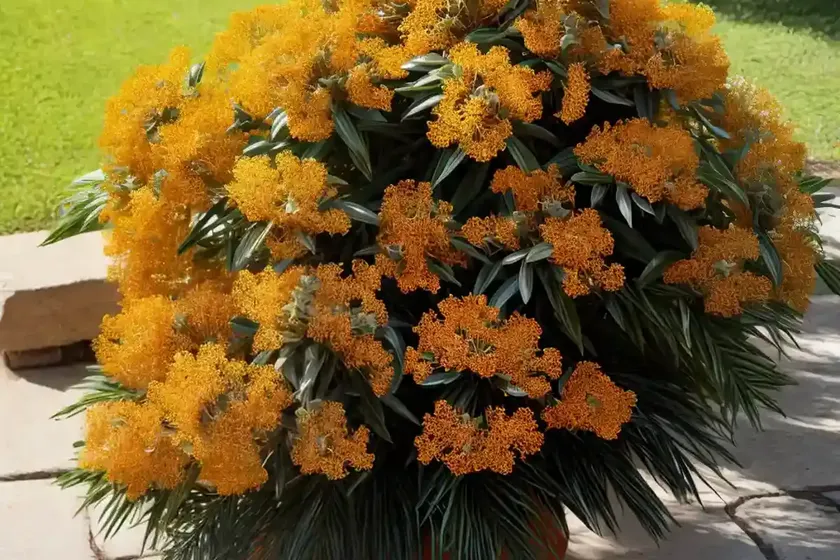
The New South Wales Christmas Bush, scientifically known as Ceratopetalum gummiferum, is a stunning and iconic Australian native plant. This species is highly regarded for its unique foliage and ornamental features, making it a popular choice for gardens and landscapes. In this comprehensive guide, we will explore the various aspects of caring for the New South Wales Christmas Bush, including its culture, uses, watering needs, sunlight requirements, pruning techniques, propagation methods, common diseases, and much more. Whether you are a gardener, landscaper, or simply an enthusiast of native Australian flora, this guide will provide you with valuable insights into cultivating and maintaining the beauty of Ceratopetalum gummiferum.
What is the New South Wales Christmas Bush?
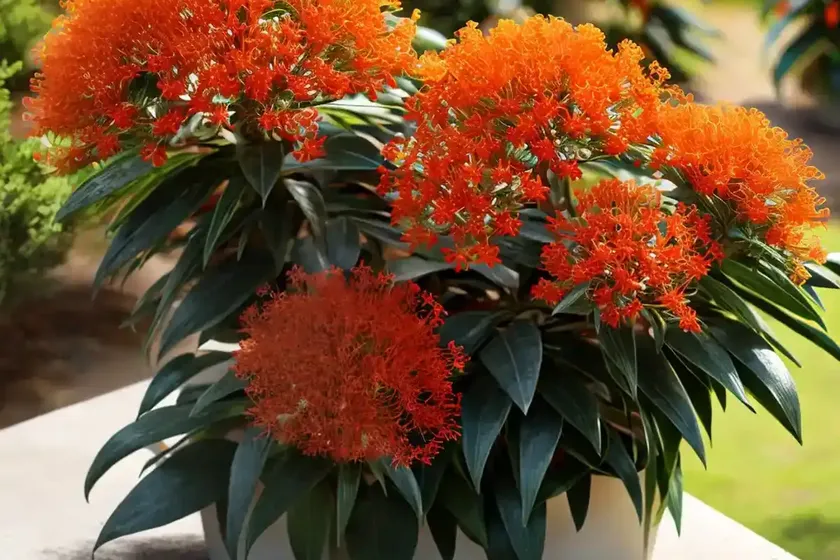
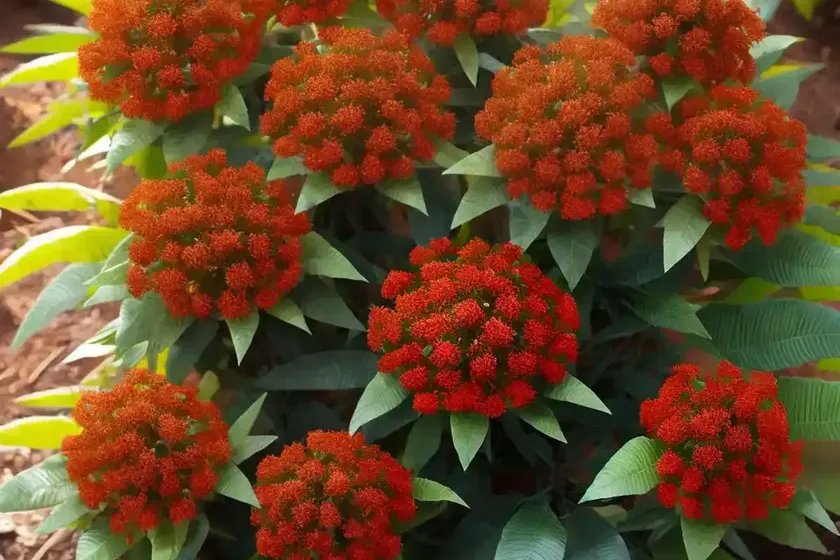
The New South Wales Christmas Bush, or Ceratopetalum gummiferum, is a member of the Cunoniaceae family, endemic to the east coast of Australia, particularly in New South Wales and Queensland. It is also commonly known as the New South Wales Christmas Bush, due to its festive appearance during the Christmas season, when its starry white flowers are surrounded by bright red sepals, creating a beautiful and striking display.
This plant is renowned for its stunning floral arrangements, making it a popular choice for festive decorations and landscaping purposes during the holiday season. The New South Wales Christmas Bush typically grows as a medium-sized shrub, reaching heights of 3 to 5 meters, although it can be pruned to maintain a more compact form.
Key Takeaways – New South Wales Christmas Bush (Ceratopetalum gummiferum)
Before delving into the specific care requirements for the New South Wales Christmas Bush, let’s summarize the key takeaways about this beautiful Australian native plant.
- Scientific Name: Ceratopetalum gummiferum
- Common Names: New South Wales Christmas Bush
- Family: Cunoniaceae
- Native Habitat: East coast of Australia, primarily New South Wales and Queensland
- Distinctive Features: Starry white flowers with bright red sepals, which resemble a festive display, particularly during the Christmas season
- Growth Form: Medium-sized shrub, typically reaching heights of 3 to 5 meters
- Cultural Uses: Highly valued for festive decorations during the Christmas season, as well as for landscaping and ornamental purposes
Now that we have introduced the New South Wales Christmas Bush, let’s explore the essential aspects of its care and cultivation, including its cultural uses, water, sunlight, fertilizer, soil requirements, pruning techniques, propagation methods, common diseases, and much more.
Culture
The New South Wales Christmas Bush is deeply rooted in Australian culture, celebrated for its festive appearance during the Christmas season and valued for its ornamental features throughout the year. Understanding the cultural significance and uses of this native plant can provide valuable insights into its care and maintenance.
Uses
The New South Wales Christmas Bush is renowned for its unique floral displays, making it a highly sought-after plant for a range of uses, including festive decorations, landscaping, and ornamental gardening.
Festive Decorations
One of the most prominent cultural uses of the New South Wales Christmas Bush is in festive decorations, particularly during the Christmas season. The plant’s starry white flowers and striking red sepals create a picturesque display that evokes the spirit of the holiday season. As a result, it is commonly utilized in floral arrangements, wreaths, and other decorative elements to add a touch of Australian flora to festive settings.
Landscaping and Ornamental Gardening
Beyond its role in festive decorations, the New South Wales Christmas Bush is valued for its ornamental qualities in landscaping and garden design. Its attractive foliage, distinctive flowers, and medium-sized growth make it a versatile choice for adding visual interest to gardens, parks, and public spaces. Additionally, it can be used as a focal point in mixed shrub borders or as a standalone specimen, contributing to the overall aesthetic appeal of the landscape.
Understanding the cultural uses and significance of the New South Wales Christmas Bush provides insight into its role in both traditional and contemporary settings. Whether used for holiday decorations or as a year-round ornamental plant, Ceratopetalum gummiferum holds a special place in Australian culture and horticulture.
Care Requirements
Successfully cultivating and maintaining the New South Wales Christmas Bush requires a good understanding of its specific care requirements, including water, sunlight, fertilizer, soil, pruning, propagation, and more. By addressing each of these factors, you can ensure the health and vitality of this iconic Australian native plant.
Water
Proper watering is essential for the health and vigor of the New South Wales Christmas Bush. Understanding its water needs and implementing appropriate irrigation practices are key factors in supporting its growth and flowering.
Watering Needs
The New South Wales Christmas Bush has moderate water needs, particularly during the active growing season. When established, it is relatively drought-tolerant, but it benefits from regular watering to support healthy growth and flowering. As a general guideline, aim to provide the plant with deep, thorough waterings, allowing the soil to dry out slightly between watering sessions. This helps promote deep root development and prevents waterlogged conditions, which can be detrimental to the plant’s overall health.
During hot and dry periods, pay close attention to the moisture levels of the soil, adjusting the frequency and volume of watering as needed to prevent drought stress. Conversely, in cooler and wetter seasons, moderate the watering frequency to avoid waterlogging and root rot. By maintaining balanced soil moisture, you can support the New South Wales Christmas Bush’s growth and enhance its floral displays.
To determine the optimal watering regimen for Ceratopetalum gummiferum, consider the following factors:
- Local climate and weather patterns
- Soil type and drainage characteristics
- Seasonal variations in temperature and precipitation
- The plant’s growth stage and overall health
By assessing these factors and observing the plant’s response to watering practices, you can tailor a customized irrigation schedule that meets its specific water requirements.
Sunlight
Proper sunlight exposure is critical for the growth and flowering of the New South Wales Christmas Bush. Understanding its sunlight preferences and providing suitable light conditions are essential for ensuring its overall well-being.
Sunlight Requirements
The New South Wales Christmas Bush thrives in locations with full to partial sunlight, preferring at least 4 to 6 hours of direct sunlight each day. Adequate sun exposure is crucial for promoting robust growth, encouraging abundant flowering, and enhancing the plant’s ornamental qualities.
When selecting a planting site or positioning a container-grown specimen, prioritize locations that receive ample sunlight, especially during the morning and early afternoon hours. Additionally, consider the following factors related to sunlight exposure:
- Observe the plant’s response to light conditions, particularly its growth patterns and flowering behavior.
- Monitor potential shade or obstruction from nearby structures, trees, or taller plants that may affect sunlight availability.
- Adjust the plant’s positioning as needed to optimize its exposure to natural light, taking into account seasonal changes in sun angles and shadows.
By providing the New South Wales Christmas Bush with the appropriate sunlight requirements, you can maximize its growth potential and ensure the development of vibrant floral displays, showcasing its iconic red and white coloration.
Fertilizer
Applying appropriate fertilization can enhance the health and vigor of the New South Wales Christmas Bush, providing essential nutrients for growth and flowering. Understanding its fertilizer needs and implementing a suitable feeding regimen are key components of its care requirements.
Fertilization Tips
When it comes to fertilizing Ceratopetalum gummiferum, a balanced and controlled approach is recommended to support its specific nutritional requirements. Consider the following guidelines for effectively fertilizing the New South Wales Christmas Bush:
-
Fertilizer Type: Utilize a well-balanced, slow-release fertilizer formulated for flowering shrubs and ornamental plants. Select a product with a balanced NPK ratio, along with micronutrients that support overall plant health.
-
Application Timing: Apply fertilizer in early spring, prior to the active growing season, to provide the plant with essential nutrients for robust growth and flowering. Refrain from fertilizing during the fall and winter months, as the plant’s nutrient uptake decreases during dormancy.
-
Application Method: Spread the fertilizer evenly around the base of the plant, avoiding direct contact with the stems or foliage. Gently incorporate the fertilizer into the soil surface, then water thoroughly to facilitate its uptake by the roots.
-
Dosage and Frequency: Follow the manufacturer’s recommendations regarding the appropriate dosage and frequency of application for the selected fertilizer product. Avoid over-fertilization, as excessive nutrient levels can lead to adverse effects on the plant’s growth and flowering.
-
Organic Alternatives: If preferred, organic fertilizers, such as well-composted manure or organic-based formulations, can be used to provide a natural and sustainable nutrient source for the New South Wales Christmas Bush.
By adhering to these fertilization tips and tailoring the feeding regimen to the plant’s specific needs, you can promote vigorous growth, stimulate abundant flowering, and enhance the overall health of Ceratopetalum gummiferum.
Soil
The selection of suitable soil and understanding its composition are crucial factors in maintaining the health and vitality of the New South Wales Christmas Bush. By providing an optimal growing medium, you can support the plant’s root development, nutrient uptake, and overall well-being.
Soil Requirements
In general, the New South Wales Christmas Bush thrives in well-draining, slightly acidic to neutral soils with good fertility and texture. When selecting or preparing the planting site, consider the following soil requirements to support the optimal growth of Ceratopetalum gummiferum:
-
Drainage: Ensure good drainage to prevent waterlogging and root rot. Avoid heavy clay soils that retain excess moisture, as they can impede root respiration and lead to soil saturation. If necessary, amend heavy soils with organic matter, such as compost or well-rotted leaf litter, to improve drainage and enhance soil structure.
-
Acidity Level: Aim for a slightly acidic to neutral pH range, ideally between 5.5 to 7.0, to create favorable soil conditions for the New South Wales Christmas Bush. Conduct a soil pH test using a reliable testing kit to assess the existing acidity level and make any necessary adjustments using appropriate soil amendments.
-
Fertility and Texture: Prioritize soils with good fertility, high organic matter content, and a well-balanced texture. Optimal soil fertility supports healthy growth and flowering, while a well-structured texture facilitates root penetration and nutrient uptake. Incorporate organic amendments, such as compost, well-rotted manure, or peat moss, to enrich the soil and promote favorable growing conditions.
By addressing these soil requirements and creating an ideal growing environment for the New South Wales Christmas Bush, you can optimize its root development, support robust growth, and ensure the successful establishment of this iconic Australian native plant.
Pruning
Pruning is an essential horticultural practice for maintaining the form, structure, and flowering performance of the New South Wales Christmas Bush. Understanding appropriate pruning techniques and implementing a strategic pruning regimen are pivotal for its long-term health and ornamental appeal.
Pruning Techniques
When approaching the pruning of Ceratopetalum gummiferum, consider the following techniques and guidelines to achieve desirable outcomes:
-
Deadheading: Remove spent flowers and faded bracts after the flowering period to promote a tidy appearance and encourage potential reblooming in subsequent seasons. Use clean, sharp pruning shears to make clean cuts just above a leaf node or lateral shoot.
-
Thinning and Shaping: Periodically thin out overcrowded or crossing branches to improve air circulation, reduce density, and maintain an open growth habit. Focus on enhancing the plant’s natural form while removing any damaged, diseased, or undesirable growth.
-
Size Control: If necessary, selectively prune the New South Wales Christmas Bush to control its size and shape, particularly in garden settings or confined spaces. Aim to preserve its natural growth habit and silhouette while managing its overall dimensions.
-
Timing: Schedule pruning activities for the New South Wales Christmas Bush after the flowering period, typically in late spring to early summer, to avoid interfering with the development of next season’s flower buds. Refrain from excessive or untimely pruning, as it can impact the plant’s flowering and overall vigor.
By implementing these pruning techniques and adhering to appropriate timing, you can maintain the aesthetic appeal, floral abundance, and long-term health of Ceratopetalum gummiferum, contributing to its ornamental value in garden and landscape settings.
Propagation
The propagation of the New South Wales Christmas Bush allows for the expansion of its presence in various garden and horticultural contexts, providing a rewarding opportunity to cultivate new plants from established specimens. Understanding effective propagation methods and implementing suitable techniques are essential for successfully propagating Ceratopetalum gummiferum.
Propagation Methods
The New South Wales Christmas Bush can be propagated through several viable methods, including:
-
Seed Propagation: Collect ripe seeds from mature flower clusters, then sow them in well-draining, moist seed-starting mix. Provide appropriate warmth, humidity, and light to support germination and seedling development. Transplant the young seedlings into separate containers or garden beds once they have established sturdy growth.
-
Cutting Propagation: Take semi-ripe cuttings from healthy, disease-free stems during the active growing season. Prepare the cuttings by removing lower leaves and applying a rooting hormone to stimulate root development. Plant the cuttings in a well-draining propagation medium, maintain consistent moisture, and provide suitable warmth and humidity to encourage root formation.
-
Division and Layering: In certain cases, the New South Wales Christmas Bush can be propagated through division or layering methods. Select mature plants with vigorous growth, then carefully divide the root mass or encourage the development of roots on low-lying branches to generate new individual plants.
By selecting the most suitable propagation method and following proper techniques, you can successfully propagate Ceratopetalum gummiferum, fostering the growth of new plants and expanding the presence of this iconic Australian species.
Container Cultivation
The New South Wales Christmas Bush can be effectively cultivated in containers, offering flexibility in placement and the ability to thrive in various garden and urban settings. By understanding the specific considerations for container growth and management, you can successfully grow and showcase Ceratopetalum gummiferum in restricted spaces.
Popularity in Container Gardening
The New South Wales Christmas Bush’s popularity in container gardening is attributed to several factors:
-
Aesthetic Appeal: Its striking floral displays and attractive foliage make it a desirable choice for container arrangements, providing vibrant color and ornamental interest in garden settings, patios, and outdoor living spaces.
-
Space Flexibility: Container cultivation allows for the effective utilization of limited space, making it suitable for urban gardens, balconies, and courtyards, where traditional in-ground planting may not be feasible.
-
Mobility and Versatility: Container-grown New South Wales Christmas Bush specimens can be easily repositioned and relocated to accommodate changing design preferences or seasonal considerations, offering versatility in garden design.
When cultivating the New South Wales Christmas Bush in containers, consider the following factors to ensure its successful growth and ornamental impact:
-
Container Selection: Choose a well-draining container or planter with adequate drainage holes, suitable dimensions to accommodate the plant’s root system, and a stable construction that withstands environmental conditions.
-
Growing Medium: Use a high-quality, well-aerated potting mix with good water retention and fertility to support the plant’s growth and development. Ensure proper soil texture and composition that encourages healthy root growth and overall vitality.
-
Watering and Maintenance: Implement appropriate irrigation practices to maintain consistent moisture levels in the container, particularly during the active growing season. Monitor the plant’s health and respond to its watering needs based on environmental factors and seasonal changes.
-
Sunlight Exposure: Position the container in a location that receives sufficient sunlight, meeting the New South Wales Christmas Bush’s light requirements for optimal growth and flowering. Consider seasonal variations in sun angles and potential shade obstacles when selecting the placement.
By addressing these considerations and providing careful attention to the specific requirements of container cultivation, you can successfully grow and showcase the beauty of Ceratopetalum gummiferum in a range of urban and garden settings.
Common Diseases
Like any plant species, the New South Wales Christmas Bush is susceptible to certain diseases and health issues, which can impact its growth, appearance, and overall well-being. Identifying common diseases and implementing appropriate management strategies are essential for preserving the plant’s health and vitality.
Disease Diagnosis
The New South Wales Christmas Bush may encounter various diseases and health challenges, including:
-
Powdery Mildew: Fungal disease characterized by white, powdery growth on leaves and stems, often resulting from poor air circulation and high humidity. Symptoms include distorted foliage and reduced plant vigor.
-
Leaf Spot Diseases: Caused by various fungal pathogens, resulting in the formation of circular to irregular spots on the leaves, with accompanying discoloration and tissue damage. Leaf spot diseases can lead to defoliation and diminished plant health if left untreated.
-
Root Rot: Occurs due to waterlogged soil conditions and excessive moisture, leading to the decay of the root system and subsequent decline in plant health. Symptoms include wilted foliage, yellowing leaves, and stunted growth, accompanied by a foul odor in the root zone.
-
Botrytis Blight: Common under humid and wet conditions, this fungal disease causes the development of grayish-brown fungal growth on affected plant parts, particularly flowers and fruit. Botrytis blight can result in the premature decay and browning of floral structures.
When diagnosing and managing common diseases of the New South Wales Christmas Bush, consider the following integrated pest and disease management strategies:
-
Cultural Practices: Promote good air circulation, proper plant spacing, and adequate drainage to reduce the risk of fungal diseases and limit favorable conditions for pathogen development.
-
Sanitation: Remove and dispose of any infected plant debris, including fallen leaves and affected plant parts, to prevent the spread of diseases and minimize the presence of fungal inoculum.
-
Fungicide Applications: If necessary, apply fungicidal treatments according to the manufacturer’s recommendations and guidelines to control specific fungal diseases. Select appropriate products labeled for use on ornamental shrubs and foliar diseases.
By promptly identifying and addressing common diseases through effective disease management strategies, you can safeguard the health and vitality of the New South Wales Christmas Bush, preserving its ornamental value and promoting long-term resilience in garden and landscape settings.
Common Pests
In addition to diseases, the New South Wales Christmas Bush may be subjected to pest infestations that can affect its growth and overall vigor. Recognizing common pests and implementing suitable pest management practices are essential for mitigating potential damage and maintaining the plant’s health.
Botanist’s Tips
Cultivar Selection
When selecting cultivars of the New South Wales Christmas Bush for cultivation, consider the specific traits and characteristics that align with your aesthetic preferences and growing conditions. Look for cultivars that exhibit desirable qualities, such as compact growth, abundant flowering, and enhanced disease resistance, to ensure a successful and rewarding gardening experience.
Pollinator Attraction
The New South Wales Christmas Bush’s floral displays serve as a valuable nectar and pollen source for various pollinators, including bees, butterflies, and other beneficial insects. By incorporating this plant into garden designs, you can attract and support local pollinator populations, contributing to overall ecosystem health and biodiversity.
Wildlife Habitat
In addition to its role in attracting pollinators, the New South Wales Christmas Bush provides habitat and shelter for native wildlife, such as birds and small mammals. The plant’s dense foliage and