Needlepoint Holly (Ilex Cornuta)
Welcome to the ultimate guide to understanding and caring for Needlepoint Holly (Ilex Cornuta). As a plant scientist with a passion for horticulture, I am.
Welcome to the ultimate guide to understanding and caring for Needlepoint Holly (Ilex Cornuta). As a plant scientist with a passion for horticulture, I am excited to share valuable insights into the culture, uses, care, and much more about this versatile and beautiful plant.
What is Needlepoint Holly (Ilex Cornuta)?
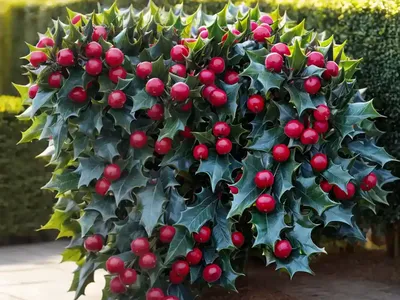
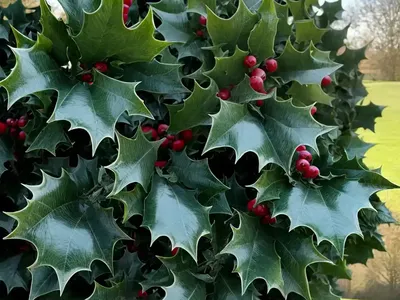
Needlepoint Holly, scientifically known as Ilex Cornuta, is an evergreen shrub in the Aquifoliaceae family. This plant is native to China and Korea and is popular for its attractive foliage and berries, making it a staple in many landscapes and gardens.
Key Takeaways – Needlepoint Holly (Ilex Cornuta)
The Needlepoint Holly (Ilex Cornuta) is a versatile and attractive shrub known for its:
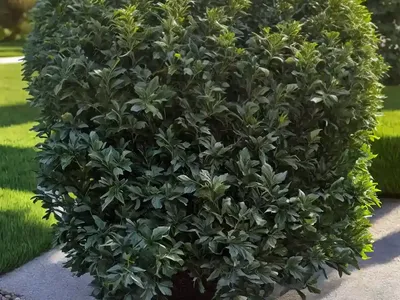
- Densely leafy appearance
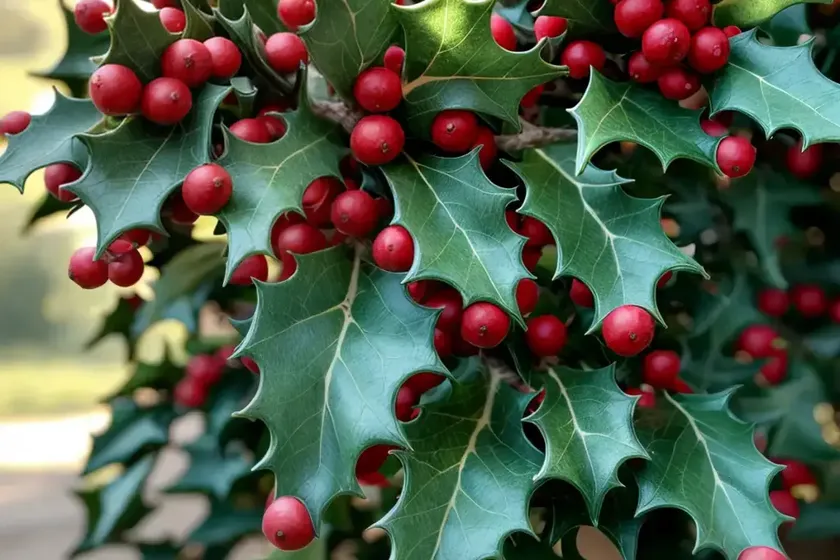
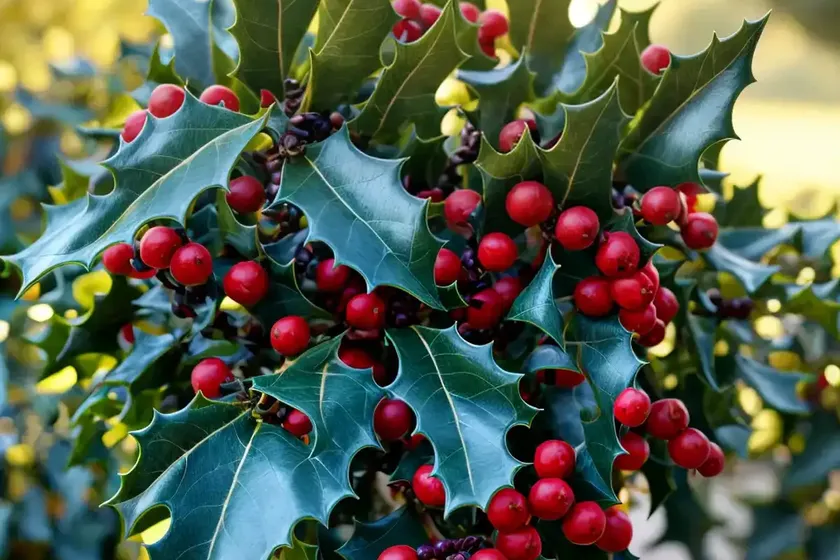
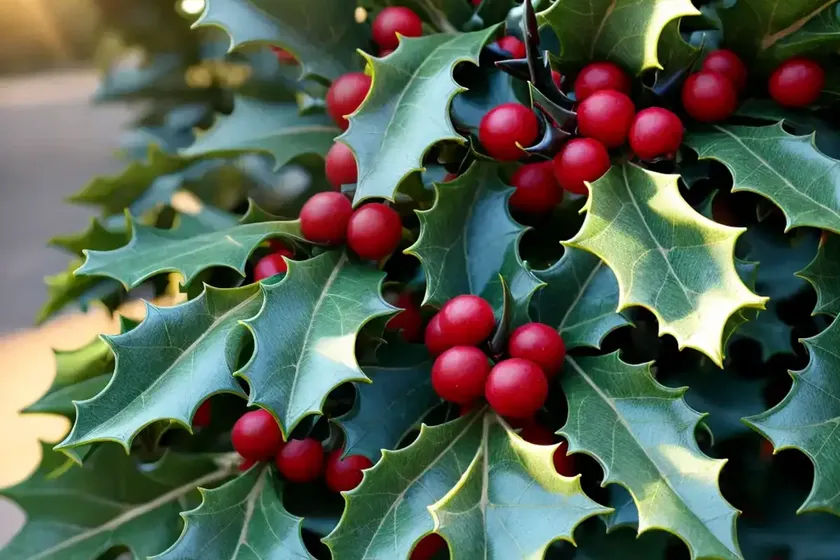
- Bright red berries in the fall and winter
- Ability to thrive in various conditions
- Wildlife-attracting qualities
- Low maintenance requirements
Now, let’s delve into the specifics of caring for Needlepoint Holly and explore its cultural considerations, uses, and other important aspects.
Culture
Understanding the cultural needs of Needlepoint Holly is essential for ensuring its optimal growth and health. Here are the key cultural considerations for this plant:
Water
- Watering Needs: Needlepoint Holly generally prefers well-drained soil and moderate watering. Young plants may require more frequent watering to establish strong root systems.
- Drought Tolerance: Once established, Needlepoint Holly exhibits good drought tolerance, making it suitable for regions with sporadic rainfall.
Sunlight
- Sun Requirements: Needlepoint Holly thrives in full sun to partial shade. It can adapt to various light conditions, making it versatile for landscaping purposes.
Fertilizer
- Fertilization: Like many shrubs, Needlepoint Holly benefits from a balanced fertilizer application in the spring. A slow-release, general-purpose fertilizer can support healthy growth.
Soil
- Soil Conditions: This plant thrives in well-drained, acidic to slightly alkaline soil. It is adaptable to different soil types and can tolerate some level of salt in the soil.
Pruning
Proper pruning is essential for maintaining the desired shape and size of Needlepoint Holly while also promoting healthy growth. Here are some key pruning considerations:
- Pruning Frequency: Needlepoint Holly generally benefits from annual pruning in late winter to early spring. This timing ensures that new growth can fill in after the pruning.
- Pruning Techniques: When pruning, it’s important to remove any dead, damaged, or crowded branches. This helps maintain an open and healthy growth habit.
Propagation
Propagating Needlepoint Holly allows for the expansion of its presence in a garden or landscape. Here are some common methods of propagation:
- Cuttings: Stem cuttings, taken from semi-hardwood in late summer to early autumn, can be rooted to propagate new plants.
- Seeds: Needlepoint Holly can also be grown from seeds, although this method may take longer to establish mature plants.
Container Popularity
Needlepoint Holly is a popular choice for container gardening due to its adaptability and ornamental features. When planting in containers, consider the following:
- Container Size: Choose a container that provides ample room for root development while also complementing the size of the plant.
- Drainage: Ensure that the container has adequate drainage to prevent waterlogged soil, which can lead to root rot.
Now that we’ve covered the cultural aspects of Needlepoint Holly, let’s explore its uses and benefits in landscaping and beyond.
Uses
Landscaping
- Ornamental Value: Needlepoint Holly serves as an attractive ornamental shrub, adding year-round interest to landscapes with its rich green foliage and vibrant berries.
- Privacy Screening: When planted in rows, Needlepoint Holly can serve as an effective privacy hedge, providing both visual and noise screening.
Wildlife Habitat
- Attracting Birds: The bright red berries of Needlepoint Holly are highly attractive to birds, making it a valuable plant for creating wildlife-friendly landscapes.
- Shelter for Small Animals: The dense foliage of this shrub can provide shelter and nesting sites for small animals and birds.
Urban Gardening
- Container Planting: Due to its adaptability to container gardening, Needlepoint Holly is suitable for urban and small-space gardens, adding greenery and visual interest to balconies and patios.
Now, let’s explore some aspects of maintenance, common diseases, pests, and fun facts about Needlepoint Holly.
Maintenance
Maintaining Needlepoint Holly involves regular care and attention to ensure its health and beauty. Here are some maintenance tips:
- Mulching: Applying a layer of organic mulch around the base of the plant helps retain moisture and suppress weeds.
- Regular Inspection: Periodically inspect the plant for signs of pests, diseases, or any other issues that may require attention.
Common Diseases
Needlepoint Holly is generally resistant to many common diseases. However, it can occasionally be affected by:
- Leaf Spot: This fungal disease can cause dark spots on the leaves. Proper sanitation and air circulation can help prevent its occurrence.
- Powdery Mildew: In humid conditions, Needlepoint Holly may be susceptible to powdery mildew, which can be managed with proper spacing and air circulation.
Disease Diagnosis
If you notice any unusual symptoms on your Needlepoint Holly, such as leaf discoloration, spots, or wilting, it’s important to diagnose the issue promptly. Consulting with a plant professional or diagnostic service can help identify and address any diseases or health concerns.
Common Pests
While generally resilient, Needlepoint Holly may encounter some common pests that can impact its health. These include:
- Scale Insects: These small, immobile pests can infest the leaves and stems, causing damage to the plant. Horticultural oils or insecticidal soaps can help control scale populations.
- Spider Mites: These tiny pests can cause stippling and webbing on the leaves. Regular spraying of the plant with water can help deter spider mite infestations.
Botanist’s Tips
As a botanist, I recommend the following tips for successfully caring for Needlepoint Holly:
- Companion Planting: Pair Needlepoint Holly with companion plants that complement its cultural requirements and aesthetic qualities, creating visually appealing and diverse landscapes.
- Wildlife-friendly Landscapes: Incorporate Needlepoint Holly into wildlife-friendly garden designs to attract and support diverse bird species and small animals.
Fun Facts
Discover some intriguing facts about Needlepoint Holly (Ilex Cornuta):
- Needlepoint Holly is named for its needle-like, pointed leaves that contribute to its distinctive appearance.
- The bright red berries of Needlepoint Holly are a valuable food source for birds during the winter months, adding color and life to outdoor spaces.
- In traditional folklore and customs, holly leaves and berries symbolize protection, luck, and eternal life, giving the plant cultural significance beyond its ornamental value.
Now that we’ve explored the many aspects of Needlepoint Holly, from its cultural needs to its uses and fun facts, let’s take a deeper dive into some key concepts and specifics related to this versatile plant.
Links to External Resources
To further enhance your knowledge of Needlepoint Holly and its care, here are some recommended external resources:
- The Spruce – How to Grow and Care for Holly Plants
- University of Florida IFAS Extension – Ilex Cornuta (Needlepoint Holly)
- Mississippi State University Extension – Understanding Holly: A Versatile Plant
- North Carolina State University Extension – Plant Propagation by Stem Cuttings
- Clemson Cooperative Extension – Holly Diseases & Insect Pests
By exploring these resources, you can gain a more comprehensive understanding of Needlepoint Holly and its care, as well as access valuable tips and insights from experienced horticulturists and plant professionals.
In conclusion, Needlepoint Holly (Ilex Cornuta) stands out as a highly adaptable, attractive, and valuable plant for a wide range of landscaping and gardening applications. By understanding its cultural needs, uses, and maintenance requirements, you can enhance the beauty and biodiversity of your outdoor spaces while enjoying the many benefits this resilient and elegant shrub has to offer. Whether you’re a seasoned gardener or just starting on your horticultural journey, incorporating Needlepoint Holly into your landscape can bring year-round beauty and vitality to your outdoor environment.
I hope this comprehensive guide provides you with the knowledge and inspiration to cultivate and appreciate the unique qualities of Needlepoint Holly (Ilex Cornuta) in your own garden or landscape. Happy gardening!
*Disclaimer: The information provided in this article is for educational and informational purposes only. Always consult with a qualified horticulturist or plant professional regarding specific care and maintenance requirements for your plants and garden.