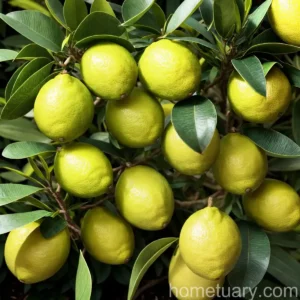
The Navel Orange (Citrus Sinensis ‘Washington’)
As a plant scientist, I am always excited to delve into the fascinating world of plants. In this blog post, we will explore the Navel Orange, scientifically known as Citrus Sinensis ‘Washington.’ This citrus variety is renowned for its delectable, seedless fruits and is a favorite among horticulturists and fruit enthusiasts alike. Let’s embark on a journey to uncover the intricacies of this remarkable fruit, including its culture, uses, care requirements, propagation, common diseases, pests, and much more.
What is a Navel Orange?
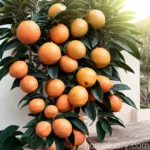
The Navel Orange, scientifically classified as Citrus Sinensis ‘Washington,’ is a type of sweet orange that belongs to the Rutaceae family. This variety is characterized by its distinctive navel-like formation at the blossom end of the fruit, hence its name. Navel Oranges are known for their sweet and flavorful taste, making them a popular choice for consumption both fresh and in various culinary applications.
Key Takeaways – Navel Orange (Citrus Sinensis ‘Washington’)
Let’s begin our exploration by highlighting the key takeaways related to the Navel Orange (Citrus Sinensis ‘Washington’). This will provide a comprehensive overview of the various aspects we will be discussing in this article.
Culture
- The cultural requirements of Navel Oranges, including preferred climate and environmental conditions.
- The significance of soil, water, and sunlight in the successful cultivation of Navel Orange trees.
Uses
- The diverse uses of Navel Oranges, encompassing culinary, medicinal, and ornamental purposes.
- The nutritional benefits and value of Navel Oranges.
Care
- The essential practices for caring for Navel Orange trees, including pruning, fertilization, and disease management.
- Tips for maintaining the health and vigor of Navel Orange trees.
Propagation
- Methods for propagating Navel Orange trees, such as seed propagation and grafting techniques.
- Considerations for successful propagation and establishment of new Navel Orange trees.
Common Diseases
- Identification and management of common diseases that affect Navel Orange trees.
- Measures to prevent and control diseases for overall tree health.
Common Pests
- Recognition of common pests that pose a threat to Navel Orange trees.
- Strategies for pest management and ensuring the protection of Navel Orange orchards.
Botanist’s Tips
- Expert insights and recommendations from botanists and horticulturists for the cultivation of Navel Oranges.
- Best practices and unique tips for maximizing the growth and productivity of Navel Orange trees.
Fun Facts
- Interesting and lesser-known facts about Navel Oranges that highlight their cultural, historical, and botanical significance.
- Engaging details that showcase the allure of Navel Oranges.
Links to External Resources
- Curated list of external resources including academic articles, gardening guides, and reputable websites for further exploration of Navel Oranges and related topics.
- Access to valuable information and knowledge sources for comprehensive understanding.
Now that we have outlined the key takeaways, let’s delve into each of these aspects in greater detail to unravel the allure and intricacies of the Navel Orange (Citrus Sinensis ‘Washington’).
Culture of Navel Oranges
Cultivating Navel Oranges requires an understanding of the environmental conditions and cultural practices that support the optimal growth and development of the trees. From soil requirements to water management, each element plays a crucial role in nurturing healthy and fruitful Navel Orange trees.
Water
Water is a vital component of Navel Orange tree care, influencing both growth and fruit production. Adequate soil moisture is essential for the development of healthy roots and the sustained hydration of the tree. In regions with distinct dry and wet seasons, thoughtful irrigation scheduling is necessary to maintain optimal moisture levels. Inadequate watering can lead to stress and poor fruit quality, while excessive moisture may result in root rot and other water-related issues.
Sunlight
Navel Orange trees thrive in full sunlight, requiring approximately 8 to 12 hours of direct sunlight each day for vigorous growth and abundant fruiting. Optimal sunlight exposure ensures the efficient photosynthesis and carbohydrate production vital for the development of flavorful and juicy Navel Oranges. Proper spacing of trees within orchards is essential to prevent shading and allow for uniform sunlight exposure for all trees.
Fertilizer
Fertilization is a key component of Navel Orange tree management, providing essential nutrients for robust growth and fruit formation. Nitrogen, phosphorus, potassium, and micronutrients are crucial for supporting the various metabolic processes within the trees. Employing a balanced fertilization regimen tailored to the specific needs of Navel Oranges is essential for sustaining healthy trees and bountiful harvests.
Soil
The soil composition profoundly impacts the growth and productivity of Navel Orange trees. Well-draining, loamy soils enriched with organic matter are ideally suited for Navel Orange cultivation. Soil pH levels should be within the slightly acidic to neutral range (pH 6.0-7.5) to facilitate optimal nutrient uptake. Additionally, soil testing and amendment practices are employed to rectify deficiencies and maintain soil fertility for sustained tree health.
Uses of Navel Oranges
Navel Oranges are prized for their versatility and delicious flavor, offering a range of uses that cater to culinary, nutritional, and even ornamental preferences. From delightful recipes to health-promoting properties, Navel Oranges hold a special place in the hearts of many due to their multifaceted applications.
Culinary Uses
The sweet and aromatic flesh of Navel Oranges makes them a popular choice for fresh consumption in fruit salads, juices, and snacks. The vibrant orange color and refreshing taste elevate the appeal of numerous culinary creations, including desserts, salsas, and savory dishes. The zest and juice of Navel Oranges serve as delightful additions to a myriad of recipes, imparting a burst of citrus flavor and fragrance.
Nutritional Benefits
Navel Oranges are renowned for their rich vitamin C content, providing a substantial portion of the recommended daily intake of this essential nutrient. Furthermore, they contain dietary fiber, antioxidants, and a range of vitamins and minerals that contribute to overall health and wellness. Consuming Navel Oranges as part of a balanced diet offers a refreshing and nutritious boost to one’s daily nutrient intake.
Medicinal Applications
The nutritional profile of Navel Oranges aligns with various medicinal applications, including supporting immune function, promoting cardiovascular health, and aiding in digestion. The consumption of Navel Oranges and their derivatives, such as essential oils and extracts, has been associated with diverse health benefits in traditional and contemporary wellness practices.
Ornamental Value
Beyond their culinary and health-related uses, Navel Oranges contribute to ornamental landscapes and home gardens as attractive ornamental trees. The lush, glossy foliage and colorful fruits add visual interest and vibrancy to outdoor spaces, creating a charming and fruitful ambiance. The aesthetic appeal of Navel Orange trees enhances the overall appeal of garden settings and recreational areas.
Care for Navel Orange Trees
Caring for Navel Orange trees involves a combination of regular maintenance practices and attentive management strategies aimed at ensuring the health and vitality of the trees. From pruning to fertilization, each aspect of tree care plays an integral role in fostering robust growth and consistent fruit production.
Pruning
Pruning is an essential cultural practice for maintaining the structure, vigor, and fruit-bearing capacity of Navel Orange trees. Regular pruning aims to remove dead or diseased branches, encourage proper airflow and sunlight penetration within the canopy, and shape the tree for optimal growth. Additionally, pruning assists in managing tree size and density, ultimately enhancing fruit quality and ease of tree management.
Fertilization
A balanced fertilization program tailored to the specific needs of Navel Orange trees is critical for sustaining healthy growth and fruit development. The application of nitrogen, phosphorus, and potassium, along with micronutrients, is typically carried out to address nutrient deficiencies and promote vigorous tree vitality. The timing and method of fertilization are carefully planned to align with the tree’s growth stages and nutritional requirements.
Disease Management
Fungal, bacterial, and viral diseases pose a threat to the health and productivity of Navel Orange trees, necessitating proactive disease management measures. Regular scouting for disease symptoms, timely application of preventive treatments, and adherence to cultural practices that promote tree vigor are integral to mitigating disease outbreaks. Additionally, proper sanitation and hygiene practices in orchards contribute to disease prevention and control.
Pest Control
Various pests, including insects and mites, can adversely impact Navel Orange trees, leading to foliar damage, fruit infestation, and diminished tree health. Integrated pest management (IPM) approaches are employed to monitor pest populations, implement biological controls, and judiciously apply targeted pesticides when necessary. By integrating multiple pest control strategies, the impact of pests can be minimized while safeguarding the ecological balance within orchards.
Propagation of Navel Orange Trees
The propagation of Navel Orange trees encompasses both sexual and asexual methods, each offering distinct advantages and considerations for establishing new trees. From seed propagation to grafting techniques, the propagation process requires precision and care to ensure the successful establishment of vigorous and true-to-type Navel Orange trees.
Seed Propagation
Navel Orange seeds are employed in seed propagation endeavors aimed at generating new trees with genetic variability. However, it’s important to note that trees grown from seeds may exhibit genetic variations and may not retain the exact characteristics and qualities of the parent tree. Despite the variable nature of seed-grown trees, this method contributes to genetic diversification within Navel Orange populations.
Grafting Techniques
Grafting, particularly budding and T-budding, is a widely practiced method for propagating Navel Orange trees with desired traits and characteristics. This asexual propagation approach allows for the precise replication of superior Navel Orange cultivars and ensures the retention of specific fruit quality, growth habits, and disease resistance. Rootstock selection and compatibility are pivotal considerations in successful grafting efforts.
Considerations for Success
Successful propagation of Navel Orange trees hinges on ensuring optimal environmental conditions, proper rootstock and scion selection, and meticulous care throughout the propagation process. Rooting media, humidity levels, and protection from extreme temperatures play crucial roles in fostering root development and early growth. Attention to detail and adherence to best practices enhance the likelihood of successful Navel Orange tree propagation.
Common Diseases of Navel Orange Trees
Navel Orange trees are susceptible to various diseases, necessitating vigilant monitoring, prompt diagnosis, and the implementation of targeted disease management strategies. By recognizing the symptoms and understanding the causal agents of common Navel Orange diseases, effective control and prevention measures can be implemented to protect the health and productivity of the trees.
Disease Diagnosis
Accurate diagnosis of Navel Orange diseases is essential for implementing appropriate management measures. Visual symptoms such as leaf discoloration, canker development, fruit blemishes, and overall tree decline serve as indicators of potential diseases. Laboratory analyses, including pathogen isolation and molecular diagnostics, may be employed to confirm disease presence and guide treatment decisions.
Common Diseases
-
Citrus Canker (Xanthomonas citri subsp. citri): This bacterial disease manifests as raised, corky lesions on leaves, stems, and fruits, leading to defoliation and reduced fruit quality. Copper-based bactericides are often utilized for canker control, combined with strict sanitation practices to limit disease spread.
-
Citrus Tristeza Virus (CTV): CTV infects Navel Orange trees and causes decline, as well as yield and quality reduction. Certified virus-free rootstocks and budwood, along with vector control, are integral for preventing the spread of this destructive virus.
-
Phytophthora Root Rot (Phytophthora spp.): Soil-borne Phytophthora pathogens lead to root rot and tree decline, particularly in poorly drained or waterlogged soils. Improving soil drainage and employing disease-resistant rootstocks aid in mitigating the impact of Phytophthora root rot.
-
Citrus Black Spot (Guignardia citricarpa): This fungal disease affects the fruit and foliage, resulting in unsightly dark lesions and premature fruit drop. Fungicide applications and timely fruit removal contribute to black spot management and prevention.
-
Melanose (Diaporthe citri): Melanose causes lesions on leaves, twigs, and fruit, ultimately influencing tree health and fruit quality. Cultural practices such as pruning and sanitation, along with fungicidal applications, are utilized for melanose control.
Common Pests Affecting Navel Orange Trees
Pests pose a persistent threat to the health and yield of Navel Orange trees, necessitating proactive monitoring, integrated pest management strategies, and judicious pesticide use. Recognizing the signs of pest infestation and employing targeted control measures are crucial for safeguarding the vitality and productivity of Navel Orange orchards.
Common Pests
-
Citrus Whitefly (Dialeurodes citri): The citrus whitefly feeds on sap, leading to leaf yellowing, honeydew secretion, and reduced tree vigor. Natural enemies such as parasitic wasps and cultural practices contribute to whitefly management.
-
Citrus Red Mite (Panonychus citri): Red mites inflict damage through leaf stippling, which can diminish photosynthetic activity and impact fruit development. Predatory mites and carefully timed acaricide applications aid in red mite suppression.
-
Citrus Thrips (Scirtothrips dorsalis): Thrips infestations cause scarring and distorted growth on young fruits and foliage, compromising fruit quality. Biological control agents and selective insecticides are utilized to mitigate thrips populations.
-
Citrus Leafminer (Phyllocnistis citrella): The larvae of leafminers create serpentine tunnels within leaves, leading to reduced photosynthetic capacity. Cultural practices and targeted insecticide applications help manage leafminer infestations.
-
Citrus Root Weevils (Diaprepes abbreviatus): Adult weevils feed on foliage, while larval stages damage roots, impairing the overall health of Navel Orange trees. Soil drench applications and protective barriers aid in root weevil control.
Botanist’s Tips for Navel Orange Tree Care
Obtaining insights and tips from expert botanists and horticulturists enriches the understanding and practice of Navel Orange tree care. Their knowledge, accumulated through experience and research, provides valuable guidance for addressing challenges and optimizing the growth and fruiting of Navel Orange trees.
Expert Recommendations
-
Pruning Techniques: Utilize proper pruning techniques to maintain an open canopy, remove dead or diseased wood, and encourage balanced tree growth. Pruning during the dormant season is ideal for enhancing tree structure and fruit production.
-
Soil Health: Regularly assess soil health and fertility through comprehensive soil testing. Adjust soil pH and nutrient levels as needed to create an optimal growing environment for Navel Orange trees.
-
Integrated Pest Management: Implement an integrated approach to pest control, emphasizing biological, cultural, and minimal chemical interventions. Preserve natural predator populations to aid in pest management.
-
Environmental Monitoring: Continuously monitor environmental conditions, including temperature, humidity, and precipitation, to anticipate and mitigate potential stress factors that may affect Navel Orange tree health.
-
Fertilization Timing: Adhere to a consistent fertilization schedule aligned with tree growth stages, while considering seasonal nutrient demands and soil nutrient availability.
Best Practices
-
Canopy Management: Maintain an open canopy structure to optimize sunlight penetration and airflow within the tree, reducing disease pressure and enhancing fruit quality.
-
Mulching: Apply organic mulch around the base of Navel Orange trees to conserve soil moisture, suppress weed growth, and contribute to soil organic matter enrichment.
-
Watering Techniques: Employ efficient irrigation methods such as drip or micro-sprinkler systems to deliver targeted and uniform moisture to Navel Orange root zones.
-
On-Site Observations: Regularly conduct on-site observations of tree health and fruit development to detect early signs of stress or pest and disease issues.
-
Record-Keeping: Maintain detailed records of cultural practices, pest and disease management activities, and tree performance to facilitate informed decision-making and continual improvement.
Fun Facts about the Navel Orange
Discovering intriguing and captivating facts about the Navel Orange adds an element of fascination to our exploration of this beloved citrus variety. From historical significance to botanical curiosities, the following fun facts shed light on the captivating allure of Navel Oranges.
Engaging Details
-
Historical Heritage: The Navel Orange takes its name from the “navel” formation found at the blossom end of the fruit, resembling a human navel. This distinctive feature has contributed to the widespread appeal and recognition of Navel Oranges.
-
Mutant Origins: The unique mutation that led to the formation of the navel in these oranges occurred on a single tree in Brazil in the early 19th century. Since then, this mutation has been perpetuated through asexual propagation methods, maintaining the characteristic navel formation.
-
Winter Harvests: Navel Oranges are known for their winter harvest season, providing a welcome burst of citrus flavor and essential nutrients during the colder months.
-
Parent-Offspring Relationship: The propagation of Navel Oranges is predominantly achieved through asexual methods such as grafting, resulting in new trees that are genetically identical to the parent tree. This ensures the preservation of desired traits and fruit quality.
-
Global Delicacy: Navel Oranges are cultivated in various parts of the world, including countries such as the United States, Spain, Australia, and South Africa. This widespread cultivation reflects the universal appeal and economic significance of this citrus variety.
Links to External Resources
Access the following external resources to further enrich your knowledge of Navel Oranges and related topics:
-
University of California, Division of Agriculture and Natural Resources: Explore comprehensive guides and research publications on citrus cultivation, pest management, and disease control. UCANR Citrus Resources
-
Gardening Know How: Access a wealth of articles and expert advice on growing citrus trees, including Navel Oranges. Citrus Tree Care
-
Citrus Industry Magazine: Stay updated with the latest news, trends, and advancements in the global citrus industry. Citrus Industry Magazine
-
International Society of Citriculture: Engage with a network of citrus researchers, professionals, and enthusiasts through the society’s resources and events. ISC Resources
-
United States Department of Agriculture (USDA) – Citrus Crop Data: Access statistical data and reports on citrus production, trade, and consumption. USDA Citrus Reports
-
HortScience: Delve into scholarly articles and research papers on citrus horticulture, physiology, and postharvest management. HortScience Citrus Publications
By exploring these resources, you can broaden your understanding of Navel Oranges, citrus cultivation, and the diverse aspects of horticultural and botanical sciences.
In conclusion, the Navel Orange (Citrus Sinensis ‘Washington’) stands as a testament to the marvels of nature and the art of hort