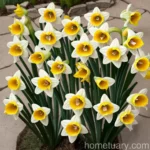
The Wonderful World of Narcissus ‘Pipit’ (Jonquil Daffodil)
Narcissus ‘Pipit’ (Jonquil Daffodil) is a captivating and popular plant that entices garden enthusiasts with its breathtaking beauty, delightful fragrance, and ease of cultivation. This exceptional bulb is adorned with clusters of long-lasting, dainty, and sweetly scented blossoms, making it a must-have for any garden or landscape. In this extensive guide, we will explore the various facets of this splendid spring bloomer, delving into its cultural requirements, propagation methods, common pests and diseases, and much more. Let’s embark on an enlightening journey to uncover the enchanting world of Narcissus ‘Pipit’!
What is Narcissus ‘Pipit’ (Jonquil Daffodil)?
Narcissus ‘Pipit’ is a cherished member of the Amaryllidaceae family, renowned for its diminutive, cheerful blooms, and heralding the arrival of spring with its vibrant splendor. This perennial bulbous plant is a true harbinger of the season’s renewal, gracing gardens, parks, and landscapes with its unparalleled beauty. With its long, narrow leaves and delicate, fragrant flowers, Narcissus ‘Pipit’ has garnered widespread adoration from gardeners and horticulturists alike.
Key Takeaways
Before we embark on our exploration of Narcissus ‘Pipit’ in all its glory, let’s glean some key takeaways about this enchanting Jonquil Daffodil:
- Beautiful, fragrant flowers that signify the arrival of spring
- Belongs to the Amaryllidaceae family
- Delicate, slender leaves complement the charming blossoms
- A popular choice for adorning gardens and landscapes
- Captivating fragrance that adds an ethereal ambiance to the surroundings.
We will now venture into the intricate details, nurturing requirements, and the overall charm of Narcissus ‘Pipit’, ensuring that by the end of this guide, you will be equipped with the knowledge to cultivate, admire, and appreciate this splendid botanical treasure.
Narcissus ‘Pipit’ (Jonquil Daffodil) in Culture
Cultivating Narcissus ‘Pipit’ is a delightful experience that rewards gardeners with a captivating display of colors and scents. Understanding its cultural preferences is paramount to ensuring its successful growth and exuberant bloom. Let’s delve into the various aspects of its cultural requirements.
Water
Narcissus ‘Pipit’ appreciates well-draining, evenly moist soil during its growing season, which spans from late winter to early summer. Adequate watering, especially during the active growth and blooming stages, is crucial for promoting healthy foliage and vibrant blossoms.
Key Points
- Maintain consistently moist soil during active growth
- Avoid waterlogging to prevent bulb rot
- Reduce watering after blooming to allow the bulb to enter dormancy
Sunlight
This radiant spring bloomer thrives in partial to full sun, requiring a minimum of 6 hours of sunlight daily for optimal growth and bloom development. Positioning the plants in a sunny location ensures robust foliage and abundant flower production.
Key Points
- Select a planting site with ample sunlight exposure
- Ensure the provision of at least 6 hours of direct sunlight daily
- Protect from intense midday sun in warmer climates to prevent scorching
Fertilizer
Applying a balanced fertilizer specially formulated for bulbs, such as a 5-10-10 or 10-10-10 formulation, before planting in fall and after blooming in spring, provides the necessary nutrients for vigorous growth and prolific flowering.
Key Points
- Utilize a balanced fertilizer with an even NPK ratio
- Apply fertilizer during the planting phase and post-blooming period
- Avoid excessive nitrogen to prevent foliar growth at the expense of flowers
Soil
Well-draining, fertile soil is essential for the successful cultivation of Narcissus ‘Pipit’. A loamy or sandy soil enriched with organic matter ensures optimal conditions for bulb development and vigorous growth.
Key Points
- Opt for well-draining loamy or sandy soil
- Incorporate organic matter to enhance soil fertility and structure
- Avoid heavy, waterlogged soils to prevent bulb rot
Pruning
Minimal pruning is required for Narcissus ‘Pipit’, with the removal of spent flowers being the primary maintenance task. As the flowers fade, deadhead them to prevent seed formation and conserve the plant’s energy for future growth.
Key Points
- Remove faded blossoms to prevent seed formation
- Deadhead promptly to redirect the plant’s energy
- Allow foliage to yellow and wither naturally to facilitate nutrient storage in the bulb
Propagation
Narcissus ‘Pipit’ can be propagated through bulb offsets and seeds, although the latter method is less common due to the length of time required for seedlings to reach blooming maturity. Dividing and planting bulb offsets during the dormant season is the most efficient means of propagation.
Key Points
- Propagate using bulb offsets for a true-to-type reproduction
- Sow seeds for creating new varieties and hybrids
- Division should be performed during the dormant phase for successful establishment
The Allure of Narcissus ‘Pipit’ (Jonquil Daffodil)
Narcissus ‘Pipit’, with its enchanting blossoms and captivating fragrance, holds an esteemed position in gardens, landscapes, and floral arrangements. This section will shed light on the plant’s various uses and its popularity among gardening enthusiasts and floral aficionados.
Container Popularity
The diminutive size and elegant charm of Narcissus ‘Pipit’ make it an ideal candidate for container cultivation, adding a touch of springtime splendor to patios, balconies, and indoor spaces. Its compact nature and suitability for container gardening have endeared it to many gardeners seeking to bring the delights of spring to confined spaces.
Key Points
- Well-suited for container cultivation
- Adds vibrant color and fragrance to indoor and outdoor settings
- Showcases ornamental and aromatic qualities in compact spaces
Common Diseases
Narcissus ‘Pipit’ is susceptible to certain diseases that can affect its overall health and vigor. Familiarizing yourself with these potential ailments and their diagnosis can aid in implementing timely interventions to safeguard the plants.
Disease Diagnosis
| Disease | Symptoms | Management |
|---|---|---|
| Bulb Rot | Soft, discolored areas on bulbs | Improve drainage, avoid overwatering, discard infected bulbs |
| Leaf Scorch | Brown, withered foliage tips | Provide adequate water, protect from intense sunlight |
| Botrytis Blight | Gray mold on flowers and foliage | Remove affected plant parts, improve air circulation |
| Narcissus Fly | Stunted growth, bulb damage, yellowing | Apply insecticidal soaps, proper sanitation and hygiene |
Understanding the signs and symptoms of these common diseases is crucial for implementing proactive measures to protect Narcissus ‘Pipit’ from these potential threats and ensure its vitality.
Common Pests
Several pests pose a threat to the health and vigor of Narcissus ‘Pipit’, necessitating vigilant monitoring and timely interventions to mitigate their impact on the plants.
Common Pests
- Thrips
- Aphids
- Narcissus Bulb Fly
- Slugs and Snails
Vigilant inspection and the prompt implementation of pest control measures are essential for preserving the health and beauty of Narcissus ‘Pipit’, safeguarding it from the ravages of these detrimental pests.
Botanist’s Tips
As a renowned botanist with a passion for ornamental plants, I am delighted to impart some expert tips for the successful cultivation and enjoyment of Narcissus ‘Pipit’. These insights are garnered from years of experience and observations, aiming to ensure that your gardening endeavors are met with bountiful blooms and thriving plants.
Fun Facts
Before delving into the expert tips, let’s uncover some fascinating and lesser-known facts about Narcissus ‘Pipit’ that add to its allure and mystique:
- The name “Narcissus” is derived from the Greek mythology figure Narcissus, known for his extraordinary beauty and ill-fated demise.
- Daffodils are also referred to as “Lent lilies”, as they often bloom during the Lenten season, symbolizing rebirth and rejuvenation.
- The fragrance of daffodils is believed to possess uplifting and mood-enhancing properties, making them an ideal addition to bouquets and floral arrangements.
Botanist’s Tips for Cultivation
- Planting Depth: Ensure that the bulbs are planted at a depth of approximately 3 times their diameter to facilitate strong rooting and stability.
- Naturalization: Encourage the naturalization of Narcissus ‘Pipit’ by allowing the plants to set seed and disperse, creating delightful drifts of blooms over time.
- Bulb Storage: Store surplus bulbs in a cool, dry location with adequate air circulation to preserve their viability for future planting.
- Companion Planting: Pair Narcissus ‘Pipit’ with early-blooming perennials such as primroses or pansies to create visually stunning and complementary displays.
Botanist’s Insights
As a botanist, I have had the privilege of witnessing the enduring appeal and charm of Narcissus ‘Pipit’, and I am confident that with the application of these expert tips, you will be able to cultivate and appreciate its ephemeral beauty to the fullest.
Links to External Resources
To further enrich your knowledge and appreciation of Narcissus ‘Pipit’ (Jonquil Daffodil) and its endearing qualities, I have curated a selection of valuable external resources for in-depth exploration:
- American Daffodil Society – The official site of the American Daffodil Society provides a wealth of information on daffodils, including cultivation tips, varieties, and regional groups.
- Royal Horticultural Society – The RHS offers comprehensive guidance on daffodil cultivation, pest and disease management, and inspirational design ideas.
- University of Illinois Extension – A valuable resource for understanding the cultural requirements of daffodils and addressing common issues encountered during their cultivation.
Closing Thoughts
Narcissus ‘Pipit’ (Jonquil Daffodil) exemplifies the ephemeral beauty and captivating allure of spring, enchanting all who behold its dainty blossoms and inhale its sweet fragrance. The cultural insights, expert tips, and resources presented in this guide aim to empower you to cultivate and appreciate this botanical treasure to its fullest potential. May your gardening endeavors be adorned with the vibrant hues and enchanting fragrance of Narcissus ‘Pipit’, elevating your outdoor spaces and infusing your surroundings with the spirit of spring.
With the comprehensive exploration of Narcissus ‘Pipit’ (Jonquil Daffodil) completed, we have unveiled its captivating charm, nurturing requirements, and inherent allure. From its delightful fragrant blossoms to its suitability for container cultivation, this splendid spring bloomer embodies the essence of rejuvenation and natural beauty, enriching gardens, landscapes, and floral displays with its timeless grace.