Napa Cabbage (Brassica Rapa Var. Pekinensis)
Napa cabbage, scientifically known as Brassica rapa var. pekinensis, is a type of Chinese cabbage that belongs to the Brassicaceae family. This cool-season.
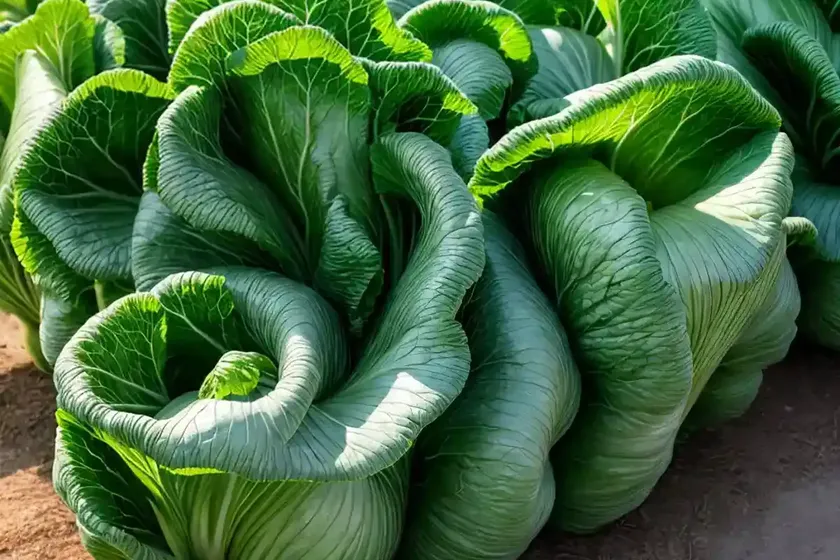
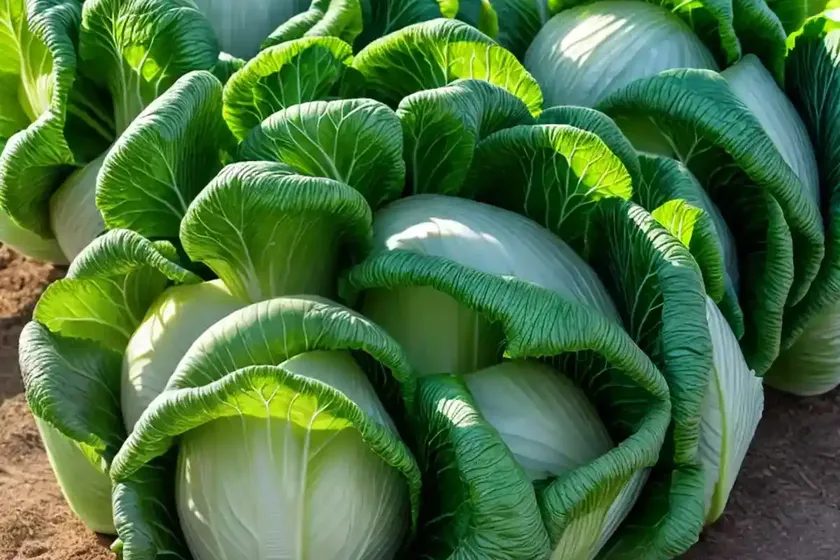
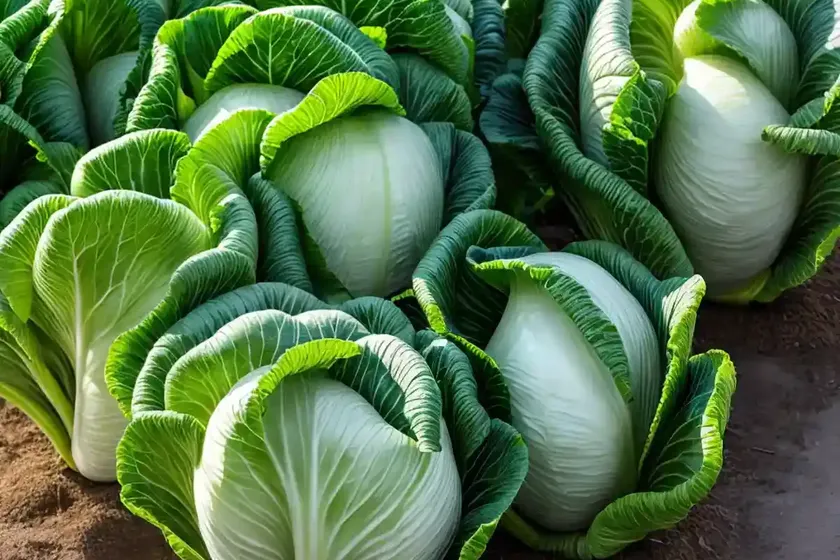
Napa cabbage, scientifically known as Brassica rapa var. pekinensis, is a type of Chinese cabbage that belongs to the Brassicaceae family. This cool-season vegetable is known for its crisp and mild flavor, making it a popular ingredient in various Asian cuisines. In this comprehensive guide, we will explore the culture, uses, care, and other important aspects of growing and enjoying Napa cabbage.
Key Takeaways – Napa Cabbage (Brassica rapa var. pekinensis)
- Nutritional Value: Napa cabbage is a rich source of vitamins, minerals, and antioxidants, making it a valuable addition to a healthy diet.
- Health Benefits: Incorporating Napa cabbage into your meals can offer numerous health benefits, including potential support for weight management, diabetes, and detoxification.
- Cultural Significance: This vegetable holds a significant place in Asian cuisines, particularly in Chinese, Korean, and Japanese cooking.
- Growth and Care: Napa cabbage requires specific cultural practices, including proper watering, sunlight exposure, and soil conditions, for optimal growth and harvest.
Now, let’s delve deeper into each of these aspects to gain a comprehensive understanding of this remarkable vegetable.
What is Napa Cabbage?
Napa cabbage, also known as Chinese cabbage or celery cabbage, is a leafy, cylindrical-shaped vegetable with tightly packed, pale green to yellowish leaves. It is widely cultivated in East Asia and is a staple in dishes like kimchi, stir-fries, and soups. With a mild, slightly sweet flavor and a crunchy texture, Napa cabbage adds a refreshing element to a variety of recipes.
Culture
Understanding the cultural requirements of Napa cabbage is essential for successful growth and optimal yield. Here are the key cultural aspects to consider when cultivating Napa cabbage:
Uses
Napa cabbage serves multiple purposes, making it a versatile vegetable in culinary and wellness applications.
Culinary Uses
- Recipes: Napa cabbage is used in a wide range of dishes, including stir-fries, soups, salads, slaws, and fermented products like kimchi.
- Cuisine: It is a prominent ingredient in Asian cuisines, especially in Chinese, Korean, and Japanese cooking, where it adds unique flavor and texture to traditional dishes.
- Nutritional Value: Napa cabbage is prized for its high nutritional content, providing essential vitamins, minerals, and fiber.
Health Benefits
- Nutrient-Rich: Napa cabbage is a good source of vitamins A, C, and K, as well as folate, calcium, and potassium, supporting overall health and wellness.
- Weight Management: Its low-calorie and high-fiber nature make it an ideal vegetable for those aiming to manage their weight and improve digestive health.
- Antioxidant Properties: The antioxidants present in Napa cabbage contribute to its potential role in supporting cellular health and combating oxidative stress.
Water
Napa cabbage requires consistent moisture to thrive, especially during the early stages of growth. Adequate watering is crucial to prevent the development of bitterness in the leaves and to ensure the formation of crisp, tender heads.
- Watering Frequency: Provide regular, even moisture, especially during dry periods. Avoid water stress, as it can lead to stunted growth and poor head development.
- Soil Moisture: Ensure that the soil is consistently moist but not waterlogged, as excessive water can result in root rot and other diseases.
Sunlight
Proper sunlight exposure is vital for the growth and development of Napa cabbage. Adequate sunshine contributes to the vegetable’s flavor, color, and overall quality.
- Sun Requirements: Napa cabbage thrives in full sun to partial shade. Aim for at least 6 hours of direct sunlight daily for optimal growth.
- Shading: In regions with intense heat, providing partial shade during the hottest part of the day can prevent sunscald and heat stress.
Fertilizer
Supplemental fertilization can help ensure robust growth and high-quality Napa cabbage heads. Understanding the appropriate fertilization practices is essential for maximizing yield and nutrient content.
- Fertilizer Type: Use a balanced, organic fertilizer with a higher nitrogen content to support leafy growth and head formation.
- Application Timing: Apply fertilizer at planting and incorporate it into the soil. Additionally, side-dress with a nitrogen-rich fertilizer once the plants are established to promote vigorous growth.
Soil
The right soil conditions are critical for the successful cultivation of Napa cabbage. Understanding the soil preferences and requirements can contribute to healthier plants and higher yields.
- Soil Type: Well-draining, loamy soil with ample organic matter content is ideal for Napa cabbage. Avoid heavy clay soils, as they can hinder root development and water infiltration.
- Soil pH: Maintain a slightly acidic to neutral pH level, ideally between 6.0 and 7.5, to support nutrient uptake and overall plant health.
Pruning
Pruning or thinning Napa cabbage plants can promote better air circulation, reduce disease incidence, and encourage the development of larger, more uniform heads.
- Thinning: Once the plants reach a certain size, thin them to maintain a recommended spacing of 12-18 inches between each plant. This facilitates optimal growth and head formation.
- Removal of Unwanted Leaves: Regularly remove any yellowing or damaged leaves to focus the plant’s energy on head development and overall vigor.
Propagation
Understanding the propagation methods for Napa cabbage is crucial for growers who want to expand their plantings or maintain specific varieties.
- Seed Propagation: Napa cabbage is commonly propagated from seeds. Direct sowing or starting seeds indoors for later transplanting are both effective methods for establishing plants.
- Seed Quality: Use high-quality, disease-free seeds from a reputable source to ensure uniform germination and healthy plant establishment.
Container Popularity
Napa cabbage can be successfully grown in containers, offering a space-saving option for gardeners with limited garden areas.
- Container Size: Choose medium to large containers that provide ample space for root development and head formation.
- Drainage: Ensure that containers have adequate drainage holes to prevent waterlogging, which can lead to root diseases.
Container Common Diseases
Like in-ground plantings, Napa cabbage grown in containers is susceptible to certain diseases that can impact plant health and productivity.
Disease Diagnosis
- Common Diseases: Keep an eye out for symptoms of common cabbage diseases, such as blackleg, clubroot, and downy mildew, which can affect Napa cabbage in containers.
- Timely Intervention: Monitor plant health closely and promptly address any signs of disease through proper sanitation, cultural controls, and, if necessary, targeted treatments.
Common Pests
Pest management is crucial for protecting Napa cabbage from potential infestations that can compromise plant health and yield.
- Pest Identification: Learn to identify common cabbage pests, including aphids, cabbage loopers, flea beetles, and cabbage worms, to implement timely control measures.
- Integrated Pest Management: Adopt an integrated approach to pest management, incorporating cultural, biological, and, if needed, minimal chemical controls to minimize pest damage.
Botanist’s Tips
Cultivating Napa cabbage successfully involves understanding the plant’s needs and implementing best practices at each stage of growth. Here are some tips to enhance your Napa cabbage cultivation experience:
- Consistent Moisture: Maintain even soil moisture throughout the growing season to promote healthy, vigorous growth and to prevent bitterness in the leaves.
- Rotation: Practice crop rotation to minimize disease pressure and optimize soil fertility for subsequent plantings.
- Optimal Spacing: Provide adequate spacing between plants to ensure proper air circulation and promote head development.
- Early Harvest: Harvest Napa cabbage heads when they reach the desired size and feel firm to the touch, ensuring the best flavor and quality.
Fun Facts
- The name “Napa cabbage” is derived from the Japanese word “nappa,” which refers to the leaves of certain vegetables.
- Napa cabbage is often used to create delicious and nutritious kimchi, a traditional Korean fermented dish that offers numerous health benefits.
Links to External Resources
For further information on Napa cabbage cultivation, recipes, and health benefits, explore the following resources:
Conclusion
Napa cabbage, with its culinary versatility, nutritional value, and cultural significance, is a remarkable vegetable that deserves a prominent place in home gardens and kitchens. By understanding its specific cultural requirements, health benefits, and various uses, you can enjoy the satisfaction of growing, preparing, and savoring this exceptional Chinese cabbage.
Through careful attention to watering, sunlight, soil fertility, and pest and disease management, you can cultivate healthy, vibrant Napa cabbage plants and savor their delicious, nutrient-packed leaves in a variety of delightful recipes. Whether you are a beginner gardener or an experienced enthusiast, Napa cabbage offers a rewarding and flavorful addition to your garden and dining table.
Remember to explore various recipes and cooking techniques to fully appreciate the culinary potential of Napa cabbage, and share your newfound knowledge and experiences with fellow enthusiasts to promote the joys of growing and savoring this exceptional vegetable.
As you embark on your Napa cabbage journey, may the insights and tips shared in this guide serve as valuable resources, enhancing your understanding and appreciation of this beloved Chinese cabbage. Happy growing and cooking!
Remember to include real links in the external resources instead of placeholder. Let me know if you need further assistance.