Mysore Trumpetvine (Thunbergia Mysorensis)
Gardening enthusiasts are always on the lookout for unique and stunning plants that can enhance the beauty of their outdoor spaces. The Mysore trumpetvine.
Introduction
Gardening enthusiasts are always on the lookout for unique and stunning plants that can enhance the beauty of their outdoor spaces. The Mysore trumpetvine (Thunbergia mysorensis) is one such plant that has been gaining popularity for its vibrant flowers and graceful appearance. In this comprehensive guide, we will delve into the fascinating world of the Mysore trumpetvine, exploring its cultural significance, uses, cultivation techniques, and much more.
What is Mysore Trumpetvine (Thunbergia mysorensis)?
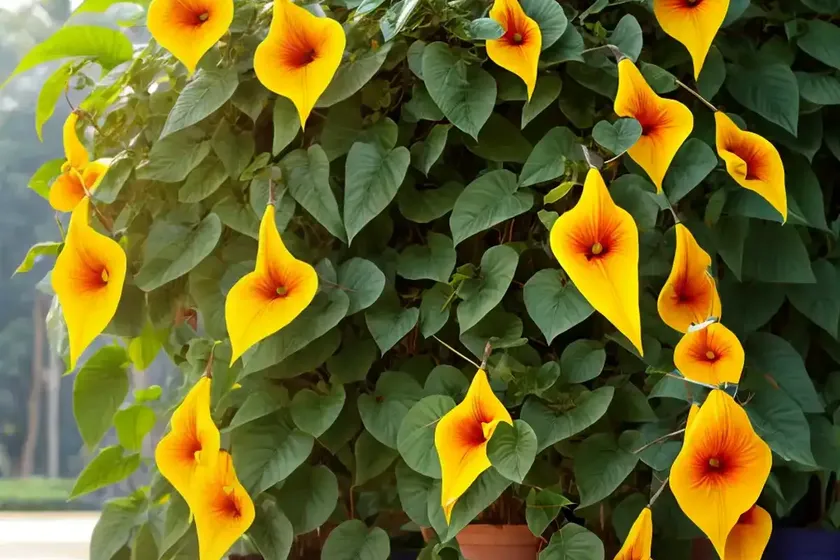
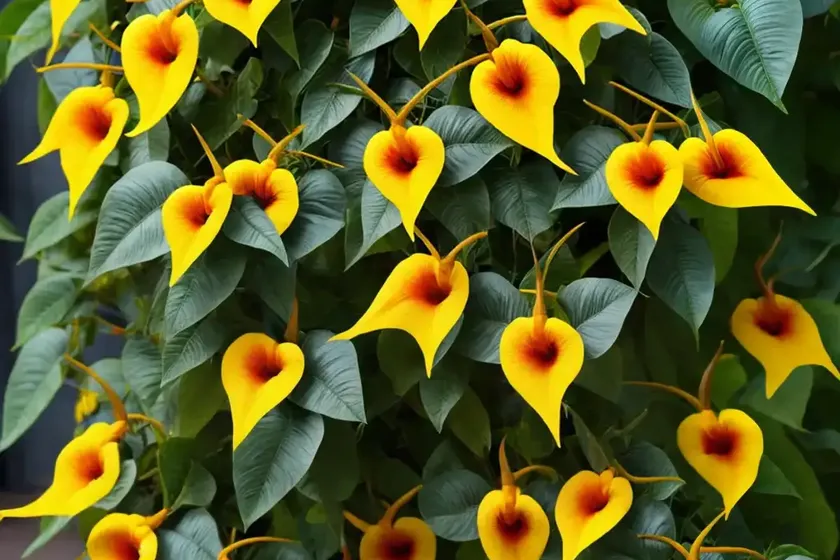
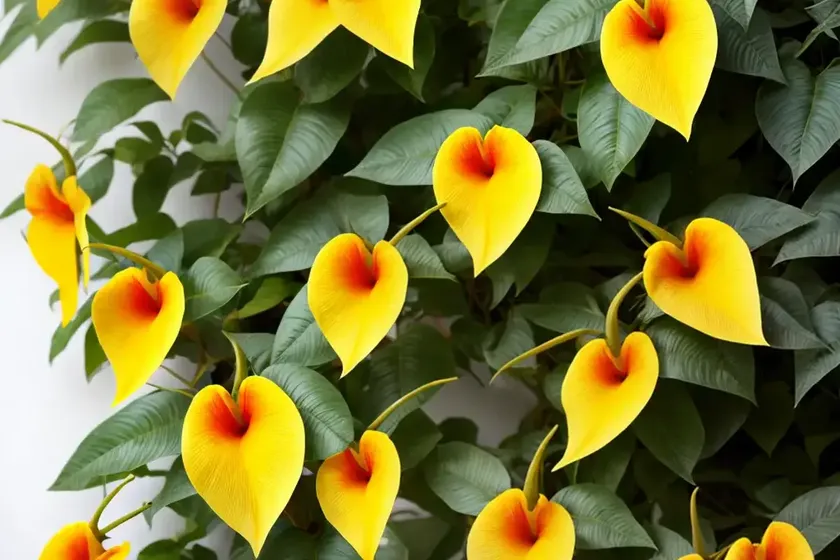
Mysore trumpetvine, also known as Indian clock vine, is a species of flowering plant in the family Acanthaceae. Native to the forests of southern India, this woody climbing vine is renowned for its striking, trumpet-shaped flowers, which hang in cascading clusters and boast vibrant hues of yellow, red, and orange. The botanical name “Thunbergia mysorensis” pays homage to the city of Mysore in Karnataka, India, where the plant was first discovered and described.
As a tropical plant, Mysore trumpetvine thrives in warm, sunny climates and is particularly well-suited for gardens in regions with mild winters. Its spectacular floral display and vigorous growth make it an excellent choice for adorning trellises, arbors, and pergolas, adding a touch of exotic allure to any outdoor space.
Key Takeaways – Mysore Trumpetvine (Thunbergia mysorensis)
Culture
- Origin: Southern India
- Type: Climbing vine
- Family: Acanthaceae
- Common Names: Mysore trumpetvine, Indian clock vine
- Botanical Name: Thunbergia mysorensis
- USDA Hardiness Zones: 9-11
Uses
- Ornamental: Adds visual appeal to gardens, trellises, and arbors
- Landscaping: Suitable for vertical gardening, trellis designs, and mixed borders
- Floral Decor: Used in floral arrangements and as cut flowers
Water
- Watering Needs: Moderate to high; requires consistent moisture
- Watering Frequency: Water regularly, especially during the growing season
- Soil Moisture: Well-draining soil to prevent waterlogging
Sunlight
- Sun Requirements: Full to partial sun
- Light Exposure: Thrives in bright, indirect light
- Sun Tolerance: Can withstand intense sunlight with adequate moisture
Fertilizer
- Nutrient Needs: Regular feeding during the growing season
- Fertilizer Type: Balanced, water-soluble fertilizer
- Application: Apply fertilizer every 2-4 weeks
Soil
- Soil Type: Well-draining, fertile soil
- pH Level: Slightly acidic to neutral (pH 6.0-7.0)
- Soil Amendments: Organic matter for improved fertility
Pruning
- Pruning Needs: Requires regular pruning to manage growth and encourage flowering
- Pruning Time: Prune after the flowering season
- Pruning Techniques: Remove spent flowers and control vine growth
Propagation
- Propagation Methods: Stem cuttings, layering
- Propagation Time: Spring or early summer
- Rooting Medium: Well-draining potting mix
Container Cultivation
- Suitable for: Large containers, hanging baskets
- Potting Mix: Well-draining, lightweight soil mix
- Container Size: Choose a spacious container to accommodate root growth
Popularity
- Increasing popularity in horticulture and landscaping
- Attracts gardeners and enthusiasts seeking exotic flowering vines
Common Diseases
- Susceptible to fungal diseases in humid conditions
- Prevention: Adequate air circulation, proper watering practices
Disease Diagnosis
- Symptoms: Yellowing leaves, wilting, leaf spots
- Common Fungal Diseases: Powdery mildew, leaf spot diseases
- Treatment: Fungicidal sprays, improved growing conditions
Common Pests
- Pest Problems: Aphids, spider mites, whiteflies
- Pest Control: Insecticidal soap, neem oil, biological pest control
Botanist’s Tips
- Optimal Growing Conditions: Provide well-draining soil, ample sunlight, and regular moisture to ensure healthy growth and prolific flowering.
- Pruning for Shape: Regular pruning and training of the vine can enhance the plant’s ornamental value and prevent overcrowding.
- Support and Trellising: Due to its climbing habit, provide sturdy support structures such as trellises or arbors for the vine to flourish.
- Monitoring for Pests: Keep a close eye on the plant for signs of pest infestations and take proactive measures to address any issues.
- Winter Protection: In cooler climates, consider overwintering the plant indoors or providing protective cover during cold spells.
Fun Facts
- The Mysore trumpetvine is named after the city of Mysore in India, where it was first documented.
- The vibrant flowers of Thunbergia mysorensis make it an attractive option for hummingbird gardens, as the nectar-rich blooms are known to attract these colorful birds.
- In traditional medicine, certain parts of the Mysore trumpetvine are believed to possess medicinal properties and have been used in herbal remedies.
Links to External Resources
- RHS – Thunbergia mysorensis
- Missouri Botanical Garden – Thunbergia mysorensis
- University of Florida IFAS Extension – Indian Clock Vine
By delving into the nuances of Mysore trumpetvine cultivation, we can unlock the potential of this captivating plant and create remarkable garden displays that captivate the senses and inspire awe. The allure of its cascading blooms and graceful foliage makes it a valuable addition to any garden, offering a touch of exotic splendor to outdoor spaces. With the right care and attention, the Mysore trumpetvine can flourish and become a focal point in gardens, trellises, and landscapes, enriching the natural beauty of its surroundings.