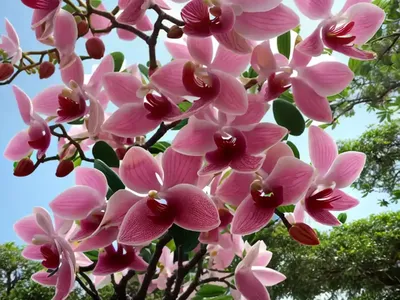
Mountain-ebony (Bauhinia Variegata)
The Mountain-Ebony tree, scientifically known as Bauhinia Variegata, is a fascinating plant with a rich cultural history and diverse set of uses. In this.
The Mountain-Ebony tree, scientifically known as Bauhinia Variegata, is a fascinating plant with a rich cultural history and diverse set of uses. In this comprehensive guide, we will explore the various aspects of cultivating and caring for this remarkable species. From its cultural significance to its growth requirements, diseases, and maintenance tips, this guide is designed to provide a holistic understanding of the Mountain-Ebony tree.
What is Mountain-Ebony (Bauhinia Variegata)?
Bauhinia Variegata, commonly known as Mountain-Ebony, is a species of flowering tree in the Fabaceae family. It is native to various regions in Asia, including parts of China, India, and Southeast Asia. The tree is prized for its ornamental value, thanks to its stunning, orchid-like flowers and distinctive bi-lobed leaves.
Key Takeaways – Mountain-Ebony (Bauhinia Variegata)
Before delving into the specifics of the Mountain-Ebony tree, let’s highlight the key takeaways about this fascinating plant:
-
Mountain-Ebony Cultivation: Bauhinia Variegata is cultivated for its ornamental beauty and is well-suited to tropical and subtropical climates.
-
Mountain-Ebony Characteristics: The tree is known for its vibrant, fragrant flowers and unique bi-lobed leaves, making it a striking addition to any landscape.
-
Mountain-Ebony Uses: Apart from its ornamental value, the Mountain-Ebony tree has traditional medicinal uses in various cultures.
-
Mountain-Ebony Growth: Understanding its growth requirements, including water, sunlight, soil, and fertilizer needs, is essential for successful cultivation.
-
Mountain-Ebony Diseases and Pests: Like all plants, Bauhinia Variegata is susceptible to certain diseases and pests, and being aware of these issues is crucial for proper care.
-
Botanist’s Tips: Expert tips and recommendations for landscaping, propagation, pruning, and overall maintenance of the Mountain-Ebony tree.
-
Fun Facts: Discover interesting and lesser-known facts about the Mountain-Ebony tree that add to its allure and charm.
-
Links to External Resources: Access additional information about the Mountain-Ebony tree from trusted external sources.
Now, let’s delve deeper into each of these key takeaways to gain a comprehensive understanding of the Mountain-Ebony tree and its cultivation.
Culture
The Mountain-Ebony tree holds significant cultural and symbolic importance in many regions where it is native. In countries like China, India, and Vietnam, the tree is revered for its beauty and is often associated with auspicious meanings. In traditional Chinese culture, the Mountain-Ebony is considered a symbol of perseverance and resilience, admired for its ability to bloom in harsh conditions.
Baihinia Variegata Flowers and Landscape Design
The striking flowers of the Bauhinia Variegata are a highlight of its cultural significance. With their mesmerizing, orchid-like appearance and delightful fragrance, the flowers are often incorporated into religious ceremonies, decorative motifs, and landscaping designs. The vibrant hues and elegant shape of the flowers make them a sought-after feature in ornamental gardens and public spaces.
In landscape design, the Mountain-Ebony tree serves as a focal point in tropical and subtropical settings, adding a touch of exotic beauty to the surroundings. Its blossoms can be integrated into diverse landscape themes, from formal gardens to naturalistic plantings, offering a versatile and visually appealing element.
Uses
Ornamental Value
One of the primary uses of the Mountain-Ebony tree is its ornamental value. The tree’s vibrant and fragrant flowers, coupled with its distinctive foliage, make it a popular choice for landscaping in tropical and subtropical regions. Whether planted as a standalone specimen or as part of a mixed planting scheme, the Bauhinia Variegata adds an aesthetic appeal to gardens, parks, and urban landscapes.
Medicinal Properties
Beyond its ornamental uses, the Mountain-Ebony tree has a history of traditional medicinal applications in various cultures. In Ayurvedic and traditional Chinese medicine, parts of the tree, including the bark and leaves, are believed to possess therapeutic properties. They have been used in herbal remedies for ailments such as inflammation, skin disorders, and digestive issues.
Water
Proper watering is essential for the health and vitality of Mountain-Ebony trees. While they are relatively tolerant of dry conditions once established, consistent moisture is crucial, especially during the establishment phase and in periods of prolonged drought. Here are some guidelines for watering the Bauhinia Variegata:
-
Establishment Phase: Newly planted Mountain-Ebony trees require regular watering to help them establish a strong root system. Provide sufficient moisture, ensuring that the soil around the tree remains evenly moist, but not waterlogged.
-
Mature Trees: Once established, Mountain-Ebony trees are moderately drought-tolerant. However, during dry periods, it is important to monitor soil moisture and provide supplemental watering when necessary, especially in the absence of rainfall.
-
Watering Technique: When watering, aim to saturate the root zone thoroughly. Deep, infrequent watering encourages the development of a robust root system, enabling the tree to withstand dry spells more effectively.
Sunlight
As a tropical and subtropical species, the Mountain-Ebony tree thrives in full sunlight and warm climates. Sunlight is a crucial factor in determining the tree’s growth, flowering, and overall health. Here are some considerations regarding sunlight requirements for the Bauhinia Variegata:
-
Sun Exposure: Mountain-Ebony trees prefer full sun, where they receive at least 6-8 hours of direct sunlight daily. Adequate sunlight promotes vigorous growth, abundant flowering, and the development of healthy foliage.
-
Shade Tolerance: While the tree prefers full sun, it can tolerate partial shade, especially in hot, equatorial climates, where some protection from intense afternoon sun may be beneficial.
-
Optimal Placement: When selecting a site for planting Mountain-Ebony trees, prioritize locations with ample sunlight exposure throughout the day to maximize their potential for vigorous growth and prolific blooming.
Fertilizer
Proper fertilization supports the growth and vitality of Mountain-Ebony trees, providing essential nutrients for robust foliage and prolific flowering. When administering fertilizer, it is important to consider the nutritional requirements of the tree and its specific growth stage. Here are some guidelines for fertilizing Bauhinia Variegata:
-
Timing: Fertilize Mountain-Ebony trees in early spring, just before the onset of the growing season, to support new growth and flower development.
-
Fertilizer Type: Use a balanced, slow-release fertilizer formulated for flowering trees and shrubs. Select a product with a nutrient ratio such as 10-10-10 or 15-15-15 to provide a well-rounded blend of essential nutrients.
-
Application Method: Apply the fertilizer evenly around the drip line of the tree, where the feeder roots are concentrated. Avoid direct contact between the fertilizer and the trunk to prevent potential damage.
-
Watering After Application: After applying the fertilizer, water the soil thoroughly to promote the incorporation of nutrients and prevent any risk of root burn.
Soil
Mountain-Ebony trees have specific soil preferences that cater to their growth requirements and overall health. Understanding the ideal soil characteristics for Bauhinia Variegata is essential for ensuring optimal growing conditions. Here are the essential considerations for soil requirements:
-
Well-Draining Soil: Mountain-Ebony trees thrive in well-draining soil that prevents waterlogging and promotes aeration. Avoid heavy clay soils that retain excessive moisture, as they can lead to root suffocation and susceptibility to diseases.
-
pH Level: The optimal soil pH for Bauhinia Variegata is slightly acidic to neutral, ranging from 6.0 to 7.5. Conduct a soil test to assess the pH and make any necessary amendments to optimize growing conditions.
-
Soil Amendments: Incorporating organic matter, such as compost or well-rotted manure, into the soil before planting can improve its texture, fertility, and moisture-retention capabilities.
-
Mulching: Apply a layer of organic mulch around the base of the tree to conserve soil moisture, suppress weed growth, and regulate soil temperature. Use mulch materials such as bark chips, straw, or pine needles.
Pruning
Pruning is an essential aspect of Mountain-Ebony tree care, enabling the maintenance of a desirable shape, the removal of dead or damaged branches, and the promotion of healthy growth and abundant flowering. Understanding the principles and techniques of pruning Bauhinia Variegata is crucial for achieving optimal results. Here are some key points to consider for pruning the Mountain-Ebony tree:
-
Pruning Timing: Perform routine pruning during the tree’s dormant period in late winter to early spring. Avoid heavy pruning during the active growing season to minimize stress on the tree and promote efficient healing of pruning wounds.
-
Branch Removal: Remove any dead, diseased, or crossing branches to maintain the tree’s structural integrity and overall health. Additionally, prune out any unwanted growth or excessively crowded branches to improve air circulation and light penetration.
-
Formative Pruning: When the tree is young, engage in formative pruning to shape its growth and encourage a well-balanced, symmetrical structure. This early intervention sets the foundation for a healthy and visually appealing mature tree.
-
Pruning Technique: Use clean, sharp pruning tools to make precise cuts that promote rapid healing and reduce the risk of disease transmission. Employ proper pruning techniques, such as making cuts just beyond the branch collar, to facilitate natural wound closure.
Propagation
The propagation of Mountain-Ebony trees enables the expansion of their presence in gardens and landscapes, offering plant enthusiasts the opportunity to cultivate new specimens. Propagation methods for Bauhinia Variegata include both sexual (seed-based) and asexual (vegetative) approaches. Here’s an overview of the propagation techniques for the Mountain-Ebony tree:
-
Seed Propagation: Collect ripe seeds from the Mountain-Ebony tree and sow them in well-draining, seed-starting mix. Keep the soil consistently moist and provide warmth and bright, indirect light. Germination typically occurs within several weeks, after which the seedlings can be transplanted into individual containers.
-
Cutting Propagation: Propagate Mountain-Ebony trees through semi-hardwood cuttings taken from the current season’s growth. Dip the cut ends of the cuttings in a rooting hormone to encourage root development, then plant them in a well-draining propagation medium. Maintain high humidity and warmth to support rooting.
-
Air Layering: Another method of asexual propagation involves air layering, where a section of a branch is induced to produce roots while still attached to the parent tree. Once the roots have developed, the new plant can be severed and potted separately.
Container Popularity
The Mountain-Ebony tree’s ornamental beauty and manageable size make it an attractive choice for container cultivation. Whether grown as a patio tree, a specimen plant on a balcony, or an accent in a courtyard, the Bauhinia Variegata thrives in containers under the right growing conditions.
Container Growing Requirements
When selecting a container for a Mountain-Ebony tree, opt for a spacious, well-draining pot that accommodates the tree’s root system. Consider the following factors for successful container cultivation:
-
Container Size: Choose a container that provides ample space for the tree’s roots to spread and develop. A container with a diameter of at least 18-24 inches is suitable for accommodating a young Mountain-Ebony tree.
-
Drainage Holes: Ensure that the container has sufficient drainage holes at the bottom to prevent waterlogging and promote aeration of the root zone.
-
Growing Medium: Use a high-quality, well-draining potting mix formulated for woody plants and trees. Consider adding perlite or coarse sand to improve the mix’s drainage and aeration.
-
Placement: Position the container in a location that receives full sunlight for a significant portion of the day, providing the tree with the light it needs to thrive.
-
Watering and Fertilization: Monitor the moisture levels in the container and water the tree as needed to maintain even soil moisture. Apply a balanced, slow-release fertilizer as per the tree’s specific requirements.
-
Root Pruning and Repotting: Periodically assess the root ball of the Mountain-Ebony tree in the container and consider root pruning or repotting to prevent root binding and promote healthy growth.
Common Diseases
While Mountain-Ebony trees are generally resilient, they are susceptible to certain diseases that can impact their health and appearance. By recognizing the symptoms of common diseases, plant enthusiasts can take proactive measures to mitigate the impact and enhance the plant’s overall vigor.
Disease Diagnosis
Identifying and diagnosing diseases affecting the Mountain-Ebony tree is crucial for implementing appropriate management strategies. Some common diseases that may afflict Bauhinia Variegata include:
-
Anthracnose: This fungal disease can result in irregular, dark lesions on the leaves, defoliation, and overall decline in tree health. It thrives in moist conditions and can be managed through appropriate cultural practices and, if necessary, fungicidal treatments.
-
Powdery Mildew: Manifesting as a white, powdery growth on the foliage, powdery mildew can affect the aesthetic appeal of the tree and weaken its vigor. Improving air circulation and using fungicidal sprays can help control the spread of this disease.
-
Leaf Spot: Leaf spot diseases, caused by various fungi, can result in the development of dark, irregular lesions on the foliage. Keeping the tree’s canopy dry, addressing any overcrowding, and removing affected foliage can aid in managing leaf spot diseases.
-
Root Rot: Excessive soil moisture and poor drainage can lead to root rot, causing wilting, yellowing foliage, and overall decline in the tree’s health. Adjusting watering practices and ensuring proper soil drainage are key steps in preventing and managing root rot.
Common Pests
In addition to diseases, Mountain-Ebony trees may also attract certain pests that can impact their growth and overall health. Being aware of common pests and their potential effects on the tree enables plant enthusiasts to implement effective pest management strategies.
Pest Identification
Some of the common pests that may pose a threat to the health of Bauhinia Variegata include:
-
Aphids: These small, sap-sucking insects can congregate on the undersides of leaves, causing leaf curling, distortion, and the development of sticky honeydew. Insecticidal soaps or horticultural oils can be used to control aphid populations.
-
Scale Insects: Scale insects may appear as raised, waxy bumps on the stems and foliage of Mountain-Ebony trees. They feed on the plant’s sap, leading to yellowing and weakening of the affected parts. A targeted approach with horticultural oil can aid in managing scale infestations.
-
Whiteflies: Whiteflies are small, flying insects that may be found around the foliage of the Mountain-Ebony tree. They can cause leaf yellowing and wilting due to their feeding habits. Insecticidal treatments and the introduction of natural predators can assist in controlling whitefly populations.
-
Caterpillars: Certain caterpillar species may feed on the leaves of the Bauhinia Variegata, leading to foliage damage and defoliation. Monitoring the tree for caterpillar presence and employing biological controls or targeted insecticides can help mitigate their impact.
Botanist’s Tips
For successful landscaping, cultivation, and ongoing care of Mountain-Ebony trees, it is valuable to consider expert recommendations and best practices. Here are some botanist’s tips to guide plant enthusiasts in their endeavors with Bauhinia Variegata:
Landscaping and Design
-
Complementary Plantings: When designing a landscape with Mountain-Ebony trees, consider companion plants that accentuate the tree’s colors, textures, and overall aesthetic. Select flowering shrubs, ornamental grasses, or groundcover plants that complement the Bauhinia Variegata’s characteristics.
-
Seasonal Interest: Integrate plants with staggered blooming periods and varied foliage textures to ensure year-round visual interest within the landscape. Design elements such as pathways, seating areas, and focal points can be strategically arranged to highlight the Mountain-Ebony tree’s presence.
-
Habitat Considerations: Incorporate landscape features that support local wildlife, such as bird-friendly plants, pollinator-attracting flowers, and diverse vegetation that contributes to a healthy ecosystem.
Pruning and Maintenance
-
Regular Inspection: Conduct routine inspections of Mountain-Ebony trees to identify any signs of diseases, pests, or structural issues, allowing for prompt intervention and proactive management.
-
Corrective Pruning: Address any crossing, weak, or damaged branches through corrective pruning to maintain the tree’s structural integrity and overall health.
-
Seasonal Adjustments: Modify watering, fertilization, and pest management practices in response to seasonal changes and the shifting needs of the Mountain-Ebony tree.
Propagation and Expansion
-
Seed Collection: Harvest seeds from mature Bauhinia Variegata trees in autumn, selecting healthy, viable seeds for propagation.
-
Selective Breeding: Explore the potential for selective breeding and hybridization to develop new varieties of Mountain-Ebony with unique characteristics and enhanced vigor.
-
Community Involvement: Engage with local gardening clubs, botanical gardens, and horticultural societies to exchange knowledge, resources, and plant material for the expansion of the Mountain-Ebony’s presence in various settings.
Fun Facts
The Mountain-Ebony tree is a captivating species with a wealth of interesting traits and attributes. Here are some fun facts about the Bauhinia Variegata that add to its allure and appeal:
-
National Flower: Bauhinia Variegata is the national flower of Hong Kong, symbolizing the region’s natural beauty and resilience. The tree’s graceful blossoms are celebrated for their elegance and symbolic significance.
-
Honey Plant: The nectar-rich flowers of the Mountain-Ebony tree attract pollinators, such as bees and butterflies, contributing to the support of local ecosystems and the production of high-quality honey.
-
Ethnobotanical Use: In traditional medicine, various parts of the Bauhinia Variegata, including the bark and leaves, are utilized to prepare herbal remedies for ailments such as skin disorders, gastrointestinal issues, and respiratory discomfort.
-
Adaptability: Mountain-Ebony trees are adaptable to a range of soil types, provided they are well-draining, and exhibit resilience to certain environmental stressors, making them suitable for diverse landscaping scenarios.
-
Cultural Significance: The striking appearance of the Mountain-Ebony’s flowers has inspired artists, poets, and cultural expressions, reflecting its enduring popularity and symbolism.
Links to External Resources
For additional information, resources, and insights into the Mountain-Ebony tree and its cultivation, consider exploring the following trusted external sources:
- Royal Botanic Gardens, Kew – Bauhinia variegata
- Missouri Botanical Garden – Bauhinia variegata
- [University of Florida IFAS