Monstera Minima (Rhaphidophora Tetrasperma)
Plants play a crucial role in our lives, providing us with oxygen, food, and even medicinal compounds. Among the myriad species of plants, the Monstera.
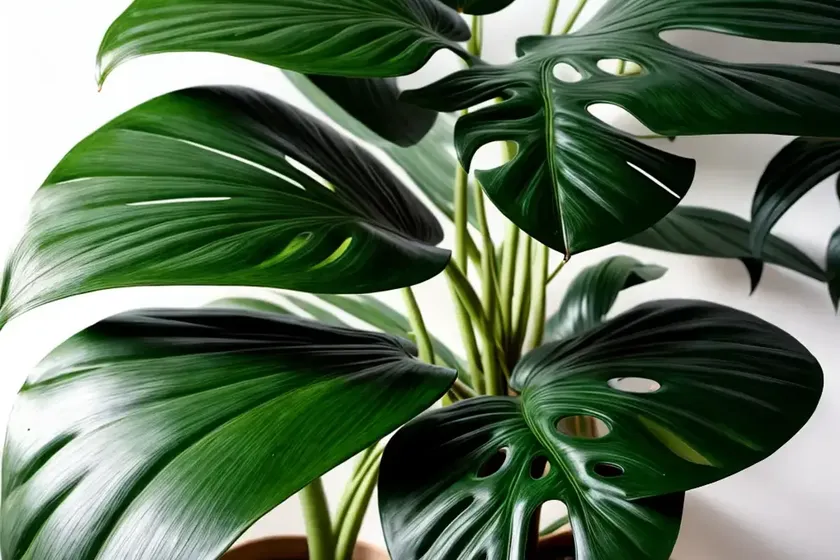
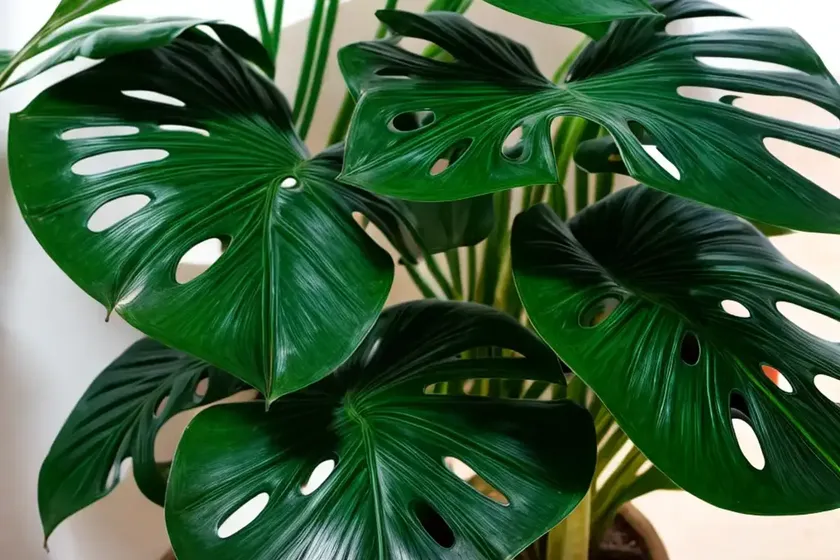
Plants play a crucial role in our lives, providing us with oxygen, food, and even medicinal compounds. Among the myriad species of plants, the Monstera Minima, scientifically known as Rhaphidophora tetrasperma, stands out for its unique and captivating features. In this comprehensive guide, we will delve into the world of Monstera Minima, exploring its culture, uses, care requirements, and much more. Whether you are a seasoned plant enthusiast or a beginner looking to add some natural charm to your living space, this guide will equip you with all the essential knowledge to nurture and appreciate the beauty of the Monstera Minima.
What is Monstera Minima (Rhaphidophora tetrasperma)?
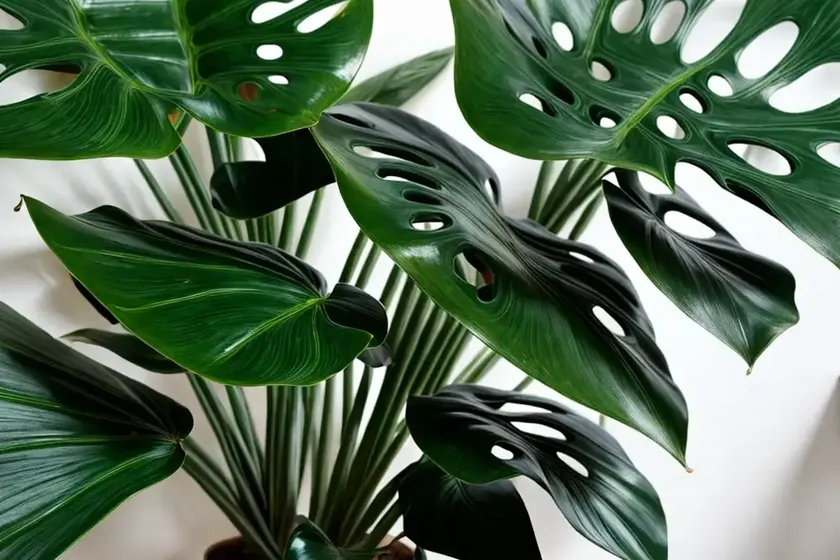
The Monstera Minima, also referred to as Rhaphidophora tetrasperma, is a tropical plant belonging to the family Araceae. This species is native to Thailand and Malaysia, where it thrives in the warm and humid conditions of the tropical rainforests. The Monstera Minima is renowned for its striking foliage, characterized by uniquely fenestrated leaves that add a touch of elegance to any indoor or outdoor setting.
Key Takeaways – Monstera Minima (Rhaphidophora tetrasperma)
Before we delve into the specific aspects of caring for the Monstera Minima, it is vital to highlight some key takeaways about this alluring plant. Understanding these fundamental points will provide you with a solid foundation for nurturing and appreciating the beauty of the Monstera Minima.
- The Monstera Minima, also known as Rhaphidophora tetrasperma, is a tropical plant with captivating fenestrated leaves.
- This plant is native to Thailand and Malaysia, where it thrives in warm and humid conditions.
- Monstera Minima is a popular choice for indoor gardening, adding a touch of natural beauty to living spaces.
- Proper care and attention are essential for the healthy growth and development of the Monstera Minima plant.
Now that we have established an overview of the Monstera Minima, let’s explore the various aspects of its care and maintenance to ensure that it thrives in your home or garden environment.
Culture
Understanding the cultural requirements of the Monstera Minima is essential for creating an optimal environment for its growth. From the appropriate watering regimen to the ideal sunlight exposure, the cultural aspects play a pivotal role in nurturing a healthy and vibrant Monstera Minima plant.
Uses
The Monstera Minima is renowned for its versatile uses, making it a valuable addition to any indoor or outdoor setting. Whether you are looking to enhance the aesthetics of your living space or create a tropical ambiance in your garden, the Monstera Minima offers a range of uses that cater to different preferences and settings.
Indoor Use
As an indoor plant, the Monstera Minima brings a refreshing touch of nature into homes, offices, and various interior spaces. Its compact size and elegant foliage make it an ideal choice for tabletops, shelves, and plant stands, adding a decorative element to any room. The striking fenestrated leaves of the Monstera Minima create a visually captivating display, making it a popular choice for indoor décor.
Outdoor Use
In outdoor settings, the Monstera Minima thrives in shaded areas with indirect sunlight. It can be planted in gardens, patios, and balconies, where its tropical charm enhances the natural ambiance. The unique foliage of the Monstera Minima adds a touch of elegance to outdoor spaces, transforming them into lush and captivating environments.
Water
Proper watering is a crucial aspect of caring for the Monstera Minima, as it directly impacts the plant’s health and vigor. Understanding the water requirements, frequency, and methods of watering will help you maintain an optimal moisture level for the Monstera Minima.
| Key Points | Details |
|---|---|
| Watering Frequency | – Water the Monstera Minima when the top inch of the soil feels dry to the touch. – Use a watering can or a gentle stream of water to avoid waterlogging the soil. |
| Ideal Watering Method | – Allow excess water to drain from the bottom of the pot to prevent water accumulation. – Avoid overwatering, as it can lead to root rot and other moisture-related issues. |
| Water Quality | – Use room temperature water to avoid shocking the plant with extreme temperature changes. – Avoid using water that is high in salts and chemicals, as they can negatively affect the plant’s health. |
Sunlight
Proper sunlight exposure is essential for the photosynthesis and overall growth of the Monstera Minima. Understanding the light requirements and finding the ideal placement for the plant will help you maintain its vibrant foliage and promote healthy development.
| Key Points | Details |
|---|---|
| Sunlight Requirements | – Provide the Monstera Minima with bright, indirect sunlight. – Avoid direct sunlight, especially during the peak hours of the day, as it can scorch the plant’s leaves. |
| Ideal Placement | – Place the Monstera Minima near a window with sheer curtains or in a location with filtered light. – Rotate the plant periodically to ensure even exposure to light, promoting balanced growth. |
Fertilizer
Fertilizing the Monstera Minima is essential for providing the plant with the necessary nutrients for robust growth and vibrant foliage. Understanding the appropriate fertilizer type, frequency, and application method is crucial for maintaining the health and vigor of the Monstera Minima.
| Key Points | Details |
|---|---|
| Fertilizer Type | – Use a balanced, water-soluble fertilizer with a formulation such as 10-10-10 or 20-20-20. – Opt for a fertilizer designed for foliage plants to support the lush growth of the Monstera Minima. |
| Fertilizing Frequency | – Apply fertilizer to the Monstera Minima every 2-3 months during the growing season (spring and summer). – Avoid over-fertilizing, as it can lead to fertilizer burn and other nutrient-related issues. |
| Application Method | – Dilute the fertilizer according to the instructions on the label before applying it to the plant. – Ensure thorough and even coverage of the soil to promote uniform nutrient uptake. |
Soil
The choice of soil for the Monstera Minima plays a significant role in providing the plant with a supportive and nourishing growth medium. Understanding the ideal soil type, texture, and drainage properties will help you create an environment that promotes the healthy development of the Monstera Minima.
| Key Points | Details |
|---|---|
| Ideal Soil Type | – Choose a well-draining, aerated potting mix that retains moisture without becoming waterlogged. – Opt for a blend that includes components such as peat moss, perlite, and coarse sand for optimal drainage and aeration. |
| Soil Texture | – Look for a soil mix that has a light, airy texture to prevent compaction and promote healthy root growth. – Avoid heavy, clay-based soils, as they can restrict drainage and lead to moisture-related issues. |
| pH Level | – Aim for a slightly acidic to neutral soil pH range of 6.0-7.0 to support nutrient availability and root health. – Use a pH testing kit to monitor and adjust the soil pH as needed. |
Pruning
Pruning is an essential aspect of maintaining the appearance and health of the Monstera Minima. Regular pruning helps manage the plant’s size, shape, and overall development, ensuring that it remains vibrant and visually appealing.
| Key Points | Details |
|---|---|
| Pruning Frequency | – Prune the Monstera Minima as needed throughout the year to remove dead or yellowing leaves, as well as any damaged or overgrown portions. – Regularly inspect the plant for any signs of overgrowth or leaf discoloration that may indicate the need for pruning. |
| Pruning Technique | – Use clean, sharp pruning shears to make precise cuts and minimize the risk of damage to the plant. – Trim the leaves and stems at an angle just above a node (joint) to encourage new growth and maintain the plant’s shape. |
Propagation
Propagating the Monstera Minima allows you to expand your plant collection and share the beauty of this species with others. Understanding the propagation methods and best practices will enable you to successfully propagate the Monstera Minima and nurture new plants from cuttings or seeds.
| Key Points | Details |
|---|---|
| Propagation Methods | – Propagate the Monstera Minima through stem cuttings, air layering, or division of the root ball. – Select a method that aligns with your experience and resources to ensure successful propagation. |
| Cutting Preparation | – Take stem cuttings that are 4-6 inches long and have at least one node (joint) for optimal rooting. – Use a clean, sharp blade to make the cuts and remove any excess leaves from the lower portion of the cutting. |
| Rooting Medium | – Plant the Monstera Minima cuttings in a well-draining rooting medium, such as perlite or a mix of peat moss and perlite. – Maintain consistent moisture and indirect light to facilitate root development and new growth. |
Container
Selecting the right container for the Monstera Minima is key to providing it with a supportive and comfortable living space. Understanding the container requirements and best practices will help you create an environment that promotes the healthy growth and development of the plant.
| Key Points | Details |
|---|---|
| Container Size | – Choose a container that provides ample space for the Monstera Minima’s root system to grow and expand. – Select a pot that is approximately 1-2 inches larger in diameter than the plant’s current pot. |
| Drainage Holes | – Use containers with drainage holes to prevent water accumulation and maintain optimal soil moisture levels. – Ensure that excess water can freely escape from the bottom of the container to avoid waterlogging the soil. |
| Container Material | – Opt for containers made of materials such as terracotta, ceramic, or plastic, depending on your aesthetic preferences and the plant’s moisture requirements. – Choose a durable and stable container that complements the overall look of the Monstera Minima. |
Popularity
The Monstera Minima has gained significant popularity among plant enthusiasts and indoor gardeners due to its captivating foliage and relatively low maintenance requirements. Its compact size, striking leaves, and adaptability to indoor environments make it an attractive choice for those looking to enhance their living spaces with a touch of natural beauty.
Common Diseases
Despite being a resilient plant, the Monstera Minima is susceptible to certain diseases and health issues that can affect its growth and overall well-being. Understanding these common diseases and their symptoms will help you identify and address any potential concerns promptly.
Root Rot
Root rot is a common issue in Monstera Minima plants and is often caused by overwatering or poor soil drainage. The excessive moisture leads to the decay of the plant’s roots, resulting in wilting, yellowing leaves, and a general decline in health. If left unaddressed, root rot can significantly affect the plant’s ability to uptake water and nutrients, leading to stunted growth and potential long-term damage.
Disease Diagnosis
Diagnosing and treating diseases in the Monstera Minima requires careful observation and proactive measures to address any underlying issues. By understanding the symptoms and potential causes of common diseases, you can take the necessary steps to restore the plant’s health and prevent further complications.
Symptoms of Root Rot
- Wilting or drooping leaves, often accompanied by yellowing or browning.
- Dark, mushy roots that may have a foul odor.
- Reduced overall growth and vitality, with the plant appearing less vibrant and healthy.
Common Pests
In addition to diseases, the Monstera Minima is also susceptible to pests that can compromise its health and appearance. Understanding the common pests that affect this plant and implementing appropriate pest management strategies will help you protect and maintain the well-being of the Monstera Minima.
Spider Mites
Spider mites are a common pest that can infest the Monstera Minima, especially in dry and arid environments. These tiny pests feed on the plant’s sap, causing stippling, yellowing leaves, and webbing on the undersides of the foliage. If left unchecked, spider mite infestations can weaken the plant and lead to a decline in overall health.
Botanist’s Tips
As a plant scientist with a passion for cultivating and studying the Monstera Minima, I have gathered valuable insights and tips to help you make the most of your experience with this fascinating plant. Whether you are a seasoned gardener or a beginner exploring the world of indoor plants, these expert tips will enhance your understanding and care of the Monstera Minima.
Fun Facts
The world of plants is filled with intriguing and delightful facts, and the Monstera Minima is no exception. From its unique growth patterns to its cultural significance, there are numerous fun facts that add to the allure of this tropical plant.
- The Monstera Minima is often referred to as the “Mini Monstera” due to its resemblance to the larger and more widely known Monstera deliciosa.
- In its native habitat, the Monstera Minima can be found climbing trees and other vertical surfaces, showcasing its natural ability to thrive in diverse environments.
- The fenestrations (natural holes and splits) in the leaves of the Monstera Minima serve to increase the plant’s exposure to light and airflow, enhancing its overall resilience and adaptability.
Links to External Resources
To further enrich your understanding of the Monstera Minima and its care requirements, I have curated a selection of valuable external resources. These resources provide comprehensive insights, tips, and visual references to support your journey in cultivating and appreciating the beauty of the Monstera Minima.
- Monstera Minima: A Beginner’s Guide to Care and Maintenance
- Rhaphidophora Tetrasperma: Everything You Need to Know
- Indoor Gardening 101: Tips for Thriving Monstera Minima
By integrating the essential elements of culture, uses, care, and interesting facts, we have explored the captivating world of the Monstera Minima (Rhaphidophora tetrasperma). From its unique foliage to its popularity among plant enthusiasts, the Monstera Minima continues to captivate and inspire individuals who seek to bring the beauty of nature into their homes and gardens. Whether you are a dedicated plant parent or an aspiring indoor gardener, the Monstera Minima offers a rewarding and enriching experience, inviting you to appreciate the wonders of the botanical world.