Monstera Dubia (Monstera Dubia)
As plant enthusiasts, we are constantly in awe of the diversity and beauty that nature offers. One plant that has captured the attention of indoor.
As plant enthusiasts, we are constantly in awe of the diversity and beauty that nature offers. One plant that has captured the attention of indoor gardeners and botanical enthusiasts alike is the Monstera dubia. With its stunning foliage and unique characteristics, this plant has become a sought-after addition to indoor gardens. In this comprehensive care guide, we will delve into all aspects of Monstera dubia care, from its cultural requirements to propagation and maintenance tips.
What is Monstera Dubia (Monstera dubia)?
Monstera dubia, a member of the Araceae family, is a tropical plant native to the rainforests of Central and South America. It belongs to the same genus as the popular Monstera deliciosa, known for its iconic “Swiss cheese” leaves. However, Monstera dubia distinguishes itself with its unique foliage and growth habits.
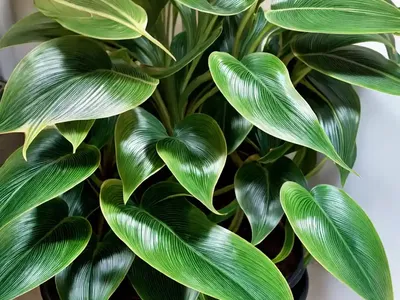
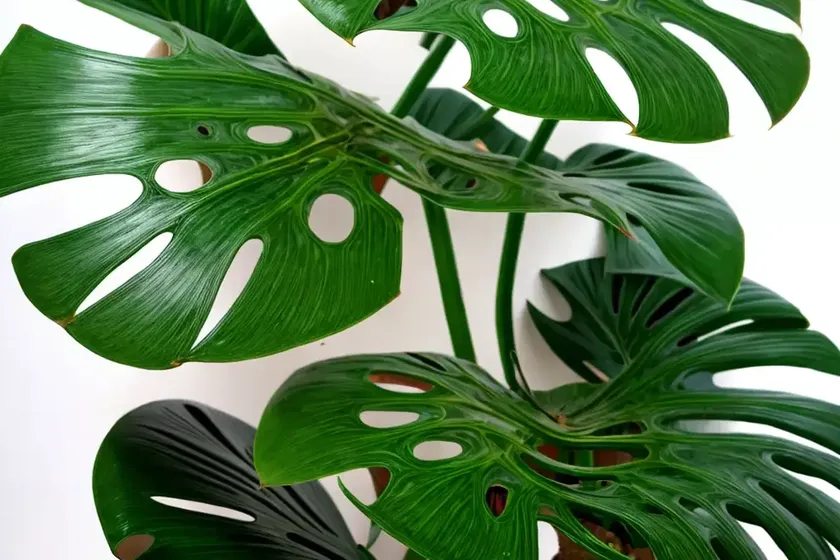
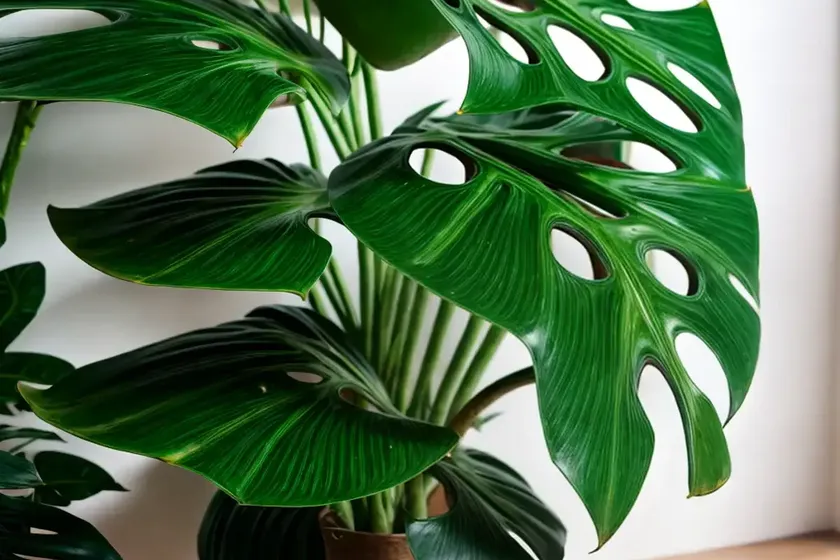
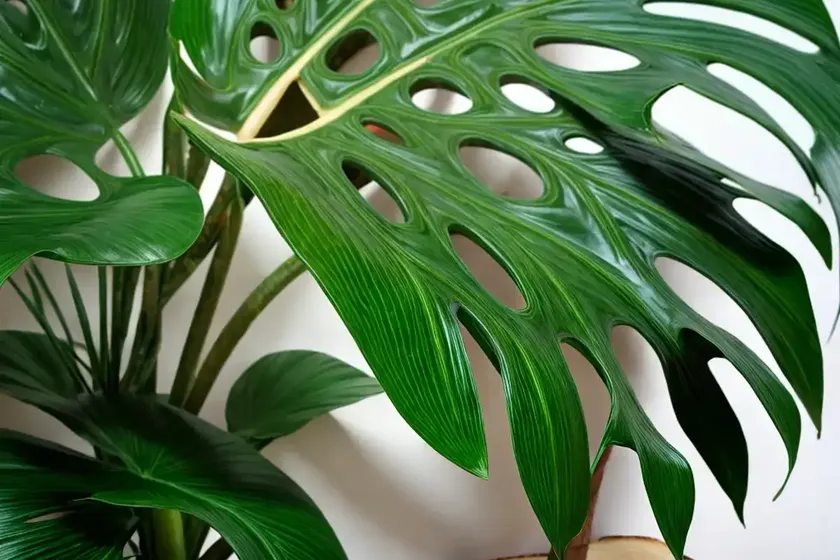
The Monstera dubia plant is characterized by its small, glossy, heart-shaped leaves that feature intricate fenestrations. Unlike its larger relatives, Monstera dubia has a compact growth habit, making it a perfect choice for indoor and urban gardening. Its vining nature and manageable size make it an excellent addition to hanging baskets, shelves, and compact indoor spaces.
Key Takeaways – Monstera Dubia (Monstera dubia)
Before we delve into the specific care requirements for Monstera dubia, here are key takeaways that will guide us through this comprehensive care guide:
- Plant Name: Monstera Dubia (Monstera dubia)
- Family: Araceae
- Native Habitat: Central and South American rainforests
- Foliage: Small, glossy, heart-shaped leaves with fenestrations
- Growth Habit: Compact, vining
- Adaptation: Well-suited for indoor and urban gardening
Now that we have an overview of what Monstera dubia is, let’s explore the cultural requirements for ensuring its thriving growth.
Culture
Water
Proper watering is crucial for the health and vitality of Monstera dubia. Like many tropical plants, Monstera dubia thrives in consistently moist but not waterlogged soil. It is essential to allow the top inch of the soil to dry out between watering sessions to prevent overwatering, which can lead to root rot and other issues.
- Watering Frequency: Water Monstera dubia approximately once a week, but adjust based on environmental conditions and the plant’s moisture needs.
- Water Quality: Use filtered or room temperature water to avoid potential damage from chemicals or extreme temperatures.
- Signs of Underwatering: Wilting, browning at leaf tips, and dry soil are indicators that the plant requires more frequent watering.
- Signs of Overwatering: Yellowing leaves, drooping, and waterlogged soil are signs of overwatering, indicating the need to adjust the watering frequency.
Sunlight
In their natural habitat, Monstera dubia plants thrive under the dappled light of the rainforest canopy. When cultivating Monstera dubia indoors, it is essential to provide it with appropriate lighting conditions to mimic its natural habitat.
- Light Requirements: Indirect, bright light is ideal for Monstera dubia. It thrives in medium to bright, indirect light, and it can also tolerate lower light conditions. Avoid direct sunlight to prevent leaf burn or damage.
- Lighting Adjustments: Rotate the plant regularly to ensure even exposure to light and promote balanced growth.
Soil
The choice of soil is critical for the overall health and growth of Monstera dubia. A well-draining, aerated potting mix that retains moisture without becoming waterlogged is essential to support the plant’s root system and overall health.
- Potting Mix: A mixture of peat moss, perlite, and pine bark provides the ideal balance of water retention and drainage for Monstera dubia. Commercial potting mixes formulated for tropical plants can also be suitable.
- Soil Moisture: Maintain a moderately moist soil environment, allowing the top inch of the soil to dry out between waterings.
- Soil pH: Aim for a slightly acidic to neutral pH range, around 5.5 to 7.0, to support optimal nutrient uptake and overall plant health.
Fertilizer
Proper nourishment is essential for the vigorous growth and vitality of Monstera dubia. A balanced fertilizer regimen can provide the necessary nutrients to support the plant’s development.
- Fertilizer Type: Utilize a balanced, water-soluble fertilizer with a 20-20-20 NPK ratio or a specialized tropical plant fertilizer.
- Fertilizing Frequency: Apply fertilizer every 4-6 weeks during the growing season, reducing frequency during the plant’s dormant period in winter.
- Application Method: Dilute the fertilizer to half or a quarter of the recommended strength to prevent the risk of fertilizer burn, and apply during regular watering sessions for optimal nutrient absorption.
Uses
Pruning
Pruning is an essential aspect of Monstera dubia care, promoting a tidy appearance and encouraging healthy growth and development.
- Pruning Frequency: Regularly inspect the plant for any damaged, yellowed, or overgrown leaves and trim them back to maintain a clean and healthy appearance.
- Pruning Technique: Use clean, sharp scissors or pruning shears to make precise cuts, ensuring minimal stress on the plant.
- Propagule Removal: Remove any aerial roots or propagules that are not desired for propagation or growth.
Propagation
The ability to propagate Monstera dubia allows plant enthusiasts to expand their collection and share the beauty of this unique plant with others. Several methods can be employed for successful propagation.
- Propagation Methods: Monstera dubia can be propagated through stem cuttings, division, or air layering. Stem cuttings are the most common and straightforward method.
- Cutting Preparation: Select a healthy stem with at least two nodes and aerial roots, and make a clean cut just below a node. Place the cutting in water or a well-draining propagation medium, and provide the appropriate conditions for root development.
Container
Selecting the right container for Monstera dubia is essential for providing adequate space for root growth and overall plant health.
- Container Size: Choose a container that provides ample room for the plant’s root system without excessive space. A slightly snug fit can encourage healthy root development.
- Drainage: Ensure that the container has sufficient drainage holes to prevent waterlogging and promote aeration of the root system.
- Potting Medium: Use a well-draining potting mix to support healthy root growth and prevent water accumulation at the bottom of the container.
Popularity
The rising popularity of Monstera dubia can be attributed to its unique foliage, manageable size, and adaptability to indoor settings. With the increasing interest in urban gardening and indoor plant collections, Monstera dubia has become a sought-after addition to many plant enthusiasts’ collections.
- Interior Design: Its compact size and vining nature make it an ideal choice for interior design, allowing for creative arrangements and versatile display options.
- Urban Gardening: As urban gardening continues to gain traction, Monstera dubia’s suitability for indoor cultivation has made it a favorite among urban gardeners looking to add tropical flair to their living spaces.
- Rare Plant Appeal: The relative rarity of Monstera dubia in comparison to its more popular relatives has sparked interest among collectors and enthusiasts seeking unique and uncommon plants.
Common Diseases
While Monstera dubia is relatively resilient, it can be susceptible to certain diseases and issues that can impact its health and vitality. Being aware of common diseases and their symptoms is essential for prompt diagnosis and treatment.
Disease Diagnosis
- Root Rot: Overwatering and waterlogged soil can lead to root rot, resulting in wilting, yellowing leaves, and a foul odor from the soil. Repotting in fresh, well-draining soil and adjusting the watering frequency can help address this issue.
- Leaf Spotting: Fungal infections or bacterial growth may manifest as dark spots or lesions on the leaves. Prune affected foliage, improve air circulation, and avoid overhead watering to prevent the spread of the infection.
Common Pests
Pests can pose a threat to the health and appearance of Monstera dubia. Regular inspection and proactive pest management are essential for preventing infestations and maintaining the plant’s vitality.
- Spider Mites: These tiny pests can cause stippling on leaves and fine webbing on the plant. Regularly misting the plant, wiping the leaves, and employing natural or chemical control methods can help manage spider mite infestations.
- Mealybugs: Mealybugs may appear as white, cottony masses on the plant, particularly in leaf joints and along the stem. They can be removed manually and controlled with neem oil or insecticidal soap applications.
Botanist’s Tips
To ensure the successful growth and maintenance of Monstera dubia, consider the following tips and recommendations from botanists and experienced plant enthusiasts:
- Humidity Management: Maintain moderate to high humidity levels, particularly in drier indoor environments, to support healthy foliage and overall plant vigor.
- Adequate Support: Provide a trellis, moss pole, or other support for the vining growth of Monstera dubia, encouraging upward growth and optimal leaf development.
- Pruning Experimentation: Don’t be afraid to experiment with pruning techniques to achieve the desired appearance and growth habit for your Monstera dubia.
Fun Facts
As we explore the fascinating world of Monstera dubia, here are some fun and intriguing facts about this remarkable plant:
- Adaptation: Monstera dubia’s compact size and vining nature reflect its adaptation to the rainforest understory, where it seeks light and support from surrounding plants.
- Aerial Roots: Like other members of the Monstera genus, Monstera dubia produces aerial roots that aid in climbing and anchoring the plant.
- Leaf Fenestration: The intricate fenestrations on Monstera dubia leaves are thought to be an adaptation to allow light to filter through and reduce wind resistance in its natural habitat.
Links to External Resources
For further exploration and in-depth information on Monstera dubia care, propagation, and more, consider these valuable external resources:
- The Ultimate Monstera Dubia Care Guide
- Propagating Monstera Dubia: A Step-by-Step Guide
- Tropical Plant Fertilizer Recommendations
- Identifying and Managing Common Houseplant Pests
As we conclude this comprehensive care guide for Monstera dubia, it is our hope that plant enthusiasts and gardeners alike will gain valuable insights into the cultivation, maintenance, and appreciation of this remarkable tropical plant. With careful attention to its cultural requirements, propagation methods, and proactive pest and disease management, Monstera dubia can grace indoor spaces with its unique beauty and charming growth habit.
Remember, embracing the wonders of plant care and cultivation opens the door to a world of natural marvels and the joy of nurturing living green companions in our homes and gardens. Happy gardening!
Disclaimer: The information provided in this guide is for educational and informational purposes only. It is not intended as professional gardening or botanical advice. Always consult with a qualified horticulturist or plant care specialist for specific guidance and recommendations for your plant care needs.