Monkey Plant (Ruellia Makoyana)
Plants bring life and beauty to any space, be it indoors or outdoors. The Monkey Plant, scientifically known as Ruellia makoyana, is an exquisite.
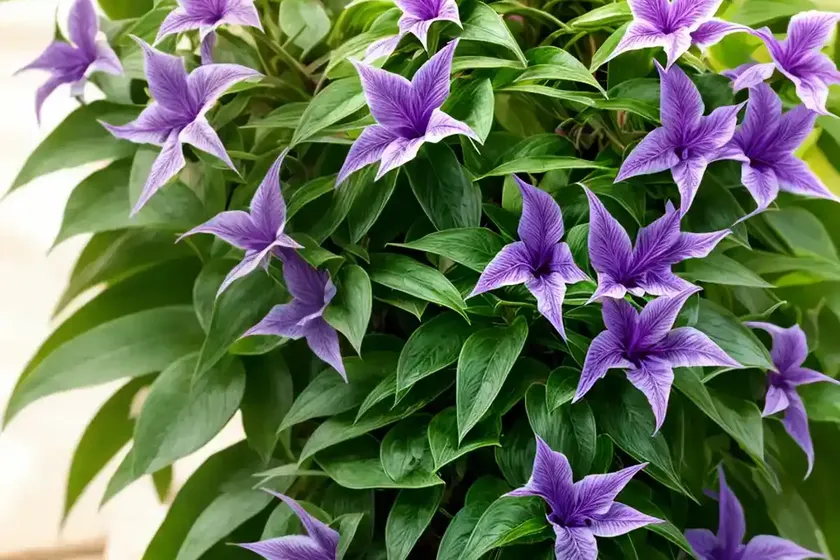
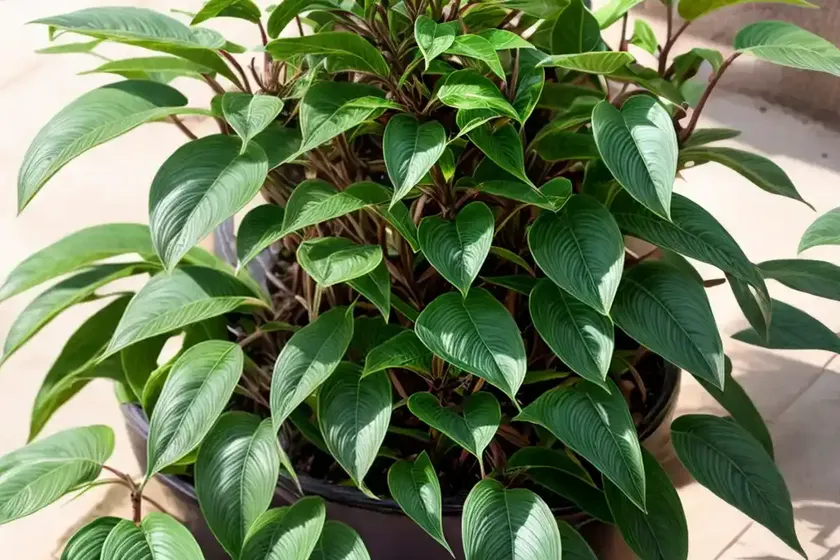
Plants bring life and beauty to any space, be it indoors or outdoors. The Monkey Plant, scientifically known as Ruellia makoyana, is an exquisite houseplant that adds a touch of tropical charm to any setting with its stunning foliage and easy-care nature. In this comprehensive guide, we will delve into the characteristics of the Monkey Plant, its care requirements, propagation, common uses, and much more. Whether you are a seasoned plant enthusiast or a beginner looking to add greenery to your surroundings, this guide will provide all the information you need to cultivate and enjoy the beauty of the Monkey Plant.
What is the Monkey Plant (Ruellia makoyana)?
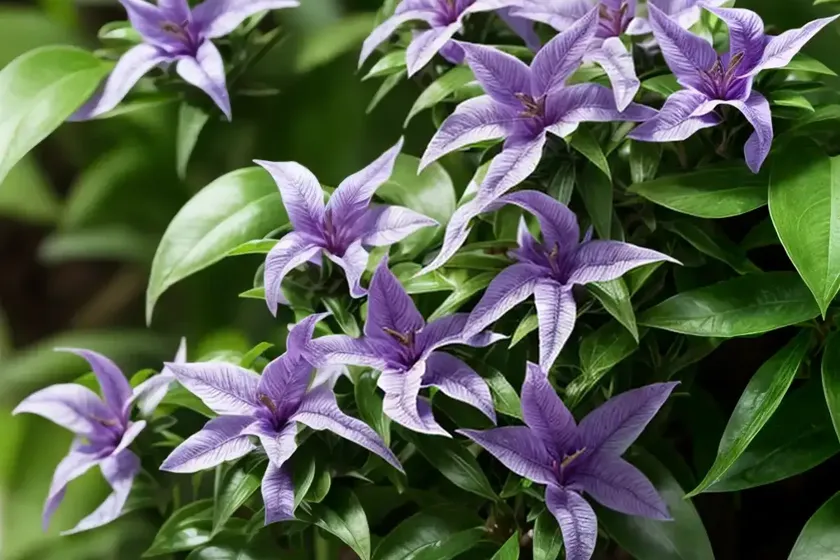
Ruellia makoyana, commonly referred to as the Monkey Plant, is a species of flowering plant in the Acanthaceae family. It is native to Brazil and is prized for its striking leaves, which feature green and silver variegation, resembling the patterns seen on a monkey’s tail, hence its popular name. The plant is primarily grown for its ornamental foliage and is well-suited for indoor cultivation, making it a popular choice for houseplant enthusiasts.
Key Takeaways – Monkey Plant (Ruellia makoyana)
Before we delve into the specifics of caring for the Monkey Plant, let’s take a glance at the key takeaways that will guide us through the various aspects of its cultivation and maintenance.
- Botanical Name: Ruellia makoyana
- Common Name: Monkey Plant
- Family: Acanthaceae
- Native Region: Brazil
- Plant Type: Perennial, houseplant
- Foliage: Green and silver variegated leaves
- Uses: Ornamental, indoor decoration
- Propagation: Stem cuttings, division
- Watering: Moderately moist soil
- Sunlight: Bright, indirect light
- Fertilization: Balanced fertilizer every 2-4 weeks
- Soil: Well-draining, rich potting mix
- Pruning: Regular trimming to maintain shape
- Common Diseases: Leaf spot, root rot
- Common Pests: Spider mites, aphids
Now that we have an overview of the Monkey Plant, let’s explore each aspect of its care and maintenance in detail.
Culture
Understanding the cultural requirements of the Monkey Plant is essential for ensuring its healthy growth and vibrant foliage. From water and sunlight to soil and fertilizer, let’s delve into the cultural aspects of caring for Ruellia makoyana.
Water
A consistent and appropriate watering regimen is crucial for the health of the Monkey Plant. Maintaining moderately moist soil without overwatering is key to preventing root rot and other moisture-related issues.
-
Watering Frequency: Water the plant when the top inch of the soil feels slightly dry to the touch. This typically translates to watering every 7-10 days, but may vary based on environmental conditions.
-
Watering Technique: Ensure thorough watering, allowing excess water to drain from the bottom of the pot to prevent waterlogging.
-
Water Quality: Use room-temperature, filtered water to avoid chlorine or mineral buildup in the soil.
Sunlight
The Monkey Plant thrives in bright, indirect light, making it an ideal choice for indoor cultivation. Ensuring the right balance of sunlight is essential to maintain the plant’s variegated foliage and promote healthy growth.
-
Light Requirements: Place the Monkey Plant in a location with bright, indirect light. Avoid direct sunlight as it can scorch the leaves, leading to sunburn.
-
Sun Exposure: East or west-facing windows are ideal for providing the appropriate amount of light without exposing the plant to harsh midday sun.
-
Artificial Lighting: If natural light is limited, supplement with fluorescent or grow lights to meet the plant’s light requirements.
Fertilizer
Providing the Monkey Plant with balanced nutrition through regular fertilization supports its growth and foliage development. A well-rounded fertilizer formulated for houseplants can help maintain the plant’s vibrancy and overall health.
-
Fertilization Schedule: Apply a balanced liquid fertilizer every 2-4 weeks during the growing season, typically from spring to early fall.
-
Dilution and Strength: Dilute the fertilizer to half or quarter strength to avoid over-fertilization, which can lead to leaf burn and nutrient imbalances.
-
Fertilizer Type: A balanced, water-soluble fertilizer with an N-P-K ratio of 20-20-20 or 10-10-10 is suitable for the Monkey Plant.
Soil
The choice of soil significantly impacts the plant’s overall health and growth. A well-draining, nutrient-rich potting mix provides the right foundation for the Monkey Plant to thrive.
-
Soil Composition: Use a well-aerated and well-draining potting mix that retains moisture without becoming waterlogged. A combination of peat moss, perlite, and vermiculite is well-suited for the Monkey Plant.
-
Acidity Level: Aim for a slightly acidic to neutral pH level (6.0-7.0) in the soil to support nutrient uptake and plant health.
-
Amendments: Consider adding organic matter such as compost or well-rotted manure to the soil mix to enhance its fertility and texture.
Pruning
Regular pruning is essential for maintaining the Monkey Plant’s attractive growth habit and preventing legginess. Trimming back leggy stems and spent foliage not only improves the plant’s appearance but also encourages new growth.
-
Pruning Technique: Use clean, sharp pruning shears to trim back overgrown or leggy stems, cutting just above a leaf node or set of leaves.
-
Timing: Prune the Monkey Plant as needed throughout the growing season to control its size and shape. Avoid heavy pruning that may shock the plant.
-
Foliage Grooming: Remove any yellow or damaged leaves to maintain the plant’s aesthetic appeal and prevent potential disease spread.
Propagation
Propagating the Monkey Plant is a rewarding way to expand your plant collection or share its beauty with others. Stem cuttings and division are the primary methods used for propagating Ruellia makoyana.
Stem Cuttings
Stem cuttings provide a reliable way to propagate the Monkey Plant, allowing you to create new plants from healthy stem sections.
-
Selecting the Cutting: Choose a healthy stem with several sets of leaves and a node, which is the point from which leaves and roots emerge.
-
Cutting Preparation: Using clean, sharp scissors or pruning shears, snip the stem just below a leaf node. Remove any lower leaves to expose the node.
-
Rooting Medium: Plant the cutting in a well-draining rooting medium such as perlite or a mix of vermiculite and peat moss.
-
Rooting Process: Keep the rooting medium consistently moist and provide indirect light. Roots should develop within a few weeks, signaling successful propagation.
Division
Dividing an established Monkey Plant is an effective method to propagate the species and rejuvenate overcrowded or root-bound plants.
-
Plant Preparation: Gently remove the plant from its pot and carefully shake off excess soil to expose the root system.
-
Division Process: Use clean gardening shears to divide the plant into sections, ensuring each section has a good balance of roots and foliage.
-
Replanting: Plant the divided sections in individual pots filled with fresh, well-draining potting mix. Water the newly potted divisions thoroughly.
Container Popularity
The Monkey Plant’s compact growth habit and ornamental foliage make it a popular choice for container gardening, particularly indoors. Its ability to adapt to a variety of container sizes and interior settings adds to its appeal as a versatile houseplant.
Container Selection
When choosing a container for the Monkey Plant, consider the following factors to ensure optimal growth and health:
-
Drainage Holes: Select containers with sufficient drainage holes to prevent waterlogging and promote healthy root development.
-
Size: Choose a container that provides ample space for the plant’s roots and allows for some growth. A slightly larger pot than the current one is suitable for accommodating the plant.
-
Material: Opt for containers made of breathable materials such as terracotta or ceramic to support proper air circulation around the roots.
Indoor Display
The Monkey Plant’s vibrant foliage and compact growth make it an excellent choice for interior decoration, adding a touch of tropical elegance to any room. Its adaptability to various light conditions further enhances its appeal as an indoor plant.
-
Living Spaces: Display the Monkey Plant in living rooms, bedrooms, or home offices where it can receive bright, indirect light.
-
Decorative Pots: Enhance the visual impact of the plant by placing it in decorative pots or containers that complement its variegated foliage.
-
Grouping: Create visually appealing displays by grouping the Monkey Plant with other houseplants, taking care to match their light and moisture requirements.
Common Diseases
Despite being a relatively low-maintenance plant, the Monkey Plant is susceptible to a few common diseases that can affect its overall health and appearance. Recognizing the symptoms and addressing these issues promptly is essential for maintaining the plant’s vitality.
Disease Diagnosis
-
Leaf Spot: Identified by the appearance of dark, water-soaked spots on the leaves, often accompanied by yellowing or browning. This condition is typically caused by overwatering or poor air circulation.
-
Root Rot: Overly wet conditions can lead to root rot, characterized by wilting foliage, yellowing leaves, and a foul odor emanating from the soil. Root examination may reveal brown, mushy roots.
Prevention and Treatment
-
Cultural Practices: Avoid overwatering and ensure proper air circulation around the plant to minimize the risk of fungal diseases.
-
Fungicidal Treatment: If leaf spot is detected, use a suitable fungicide labeled for ornamental plants to treat the affected foliage, following the manufacturer’s instructions.
-
Soil Drying: If root rot is suspected, allow the soil to dry out slightly and adjust the plant’s watering regimen to prevent further damage.
Common Pests
In addition to diseases, the Monkey Plant may encounter pest infestations, particularly when grown indoors. Vigilance and prompt action are crucial to keeping these pests at bay and preserving the health of the plant.
Pest Identification
-
Spider Mites: These tiny pests may appear as specks on the undersides of leaves and produce fine webbing. They can cause stippling and yellowing of the foliage.
-
Aphids: Small, soft-bodied insects that often cluster on new growth, feeding on the plant’s sap and causing distortion of leaves.
Pest Control
-
Natural Predators: Encourage the presence of beneficial insects such as ladybugs or lacewings, which feed on aphids and mites.
-
Horticultural Oil: Use a horticultural oil spray to suffocate and control spider mite populations, applying it to the affected parts of the plant.
-
Insecticidal Soap: For heavy aphid infestations, treat the Monkey Plant with insecticidal soap, targeting the pests with thorough spraying.
Botanist’s Tips
As a plant scientist, I have curated a few expert tips to help you cultivate and care for the Monkey Plant with confidence and success. Incorporating these insights into your plant care routine can make a notable difference in the health and vigor of Ruellia makoyana.
-
Consistent Moisture: Strive to maintain moderately moist soil, allowing it to dry out slightly between waterings to prevent waterlogged conditions.
-
Rotational Sun Exposure: Rotate the plant periodically to ensure balanced growth and prevent one-sided leaning towards the light source.
-
Regular Inspection: Periodically check the plant for signs of pests, diseases, or moisture-related issues, addressing any concerns promptly.
-
Humidity Enhancement: Consider using a humidifier or pebble tray to increase air moisture, especially during dry winter months, to support the plant’s well-being.
Fun Facts
The Monkey Plant is not only an enchanting houseplant but also holds intriguing characteristics and associations that add to its allure. Here are some fun and fascinating facts about Ruellia makoyana:
-
The scientific name Ruellia makoyana is derived from the French botanist J. G. Makoy, who made significant contributions to botanical knowledge in the 19th century.
-
The unique variegation on the leaves of the Monkey Plant is said to resemble the tail pattern of a monkey, hence the common name.
-
In its native habitat of Brazil, the Monkey Plant is known to attract hummingbirds with its attractive blooms, adding to its ecological significance.
-
The variegated foliage of Ruellia makoyana makes it a popular choice for tropical-themed and modern interior designs, adding a touch of lush greenery to homes and offices.
Links to External Resources
For further exploration of plant care, propagation, and in-depth information on Ruellia makoyana, you can refer to the following external resources:
-
American Society for the Prevention of Cruelty to Animals (ASPCA) – Toxic and Non-Toxic Plant List
-
Royal Horticultural Society (RHS) – Houseplant Care
-
University of Florida IFAS Extension – Acanthaceae – Plant Resources
-
The Spruce – Guide to Indoor Plants
-
Missouri Botanical Garden – Plant Finder
-
University of California Agriculture and Natural Resources – Integrated Pest Management
-
Plant Physiology Online – Botanical Research Journals
-
Plant Management Network – Gardening and Landscaping Resources
-
Houseplant411 – Houseplant Care Tips
-
Plant the Future – Urban Gardening and Green Living
Conclusion
The Monkey Plant, with its captivating foliage and easy-care nature, is a wonderful addition to any plant enthusiast’s collection. Its striking leaves, adaptability to indoor environments, and relatively low-maintenance requirements make it a delightful companion for both novice and seasoned plant enthusiasts. By incorporating the guidelines and insights shared in this comprehensive guide, you can cultivate and cherish the beauty of Ruellia makoyana while enjoying the satisfaction of nurturing a thriving houseplant.
As we wrap up this guide, I hope you have gained valuable knowledge and inspiration to care for the Monkey Plant with confidence and enthusiasm. May your journey with Ruellia makoyana be filled with lush growth, vibrant foliage, and the joy of tending to this enchanting botanical treasure.
Remember, every leaf tells a story, and the Monkey Plant’s story is one of beauty and resilience, waiting to unfold in your care.
Happy gardening!
Disclaimer: The information provided in this guide is for educational and informational purposes only. It is not intended as a substitute for professional botanical or horticultural advice. Always consult with a qualified expert or local extension service for precise guidance tailored to your specific plant-care needs.