Mini Red Vein (Fittonia Verschaffeltii “Mini Red Vein”)
Fittonia verschaffeltii, commonly known as Mini Red Vein, is a fascinating and visually striking plant that has gained popularity among plant enthusiasts.
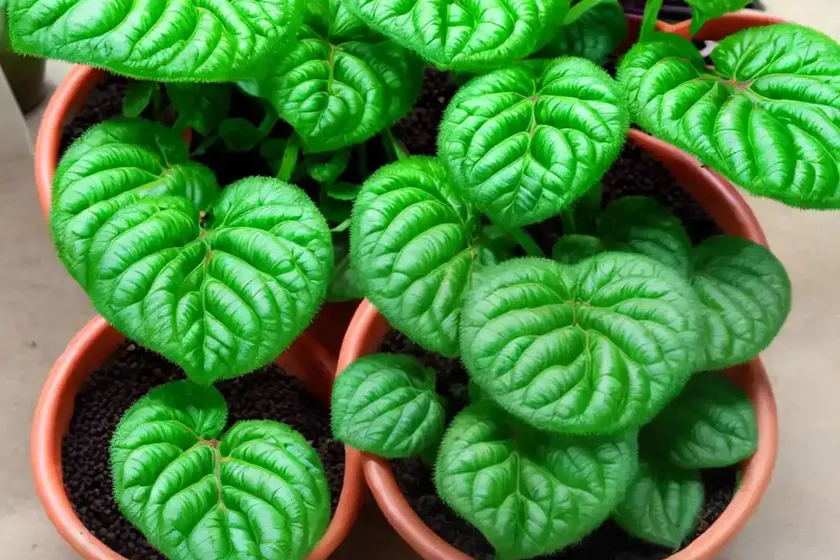
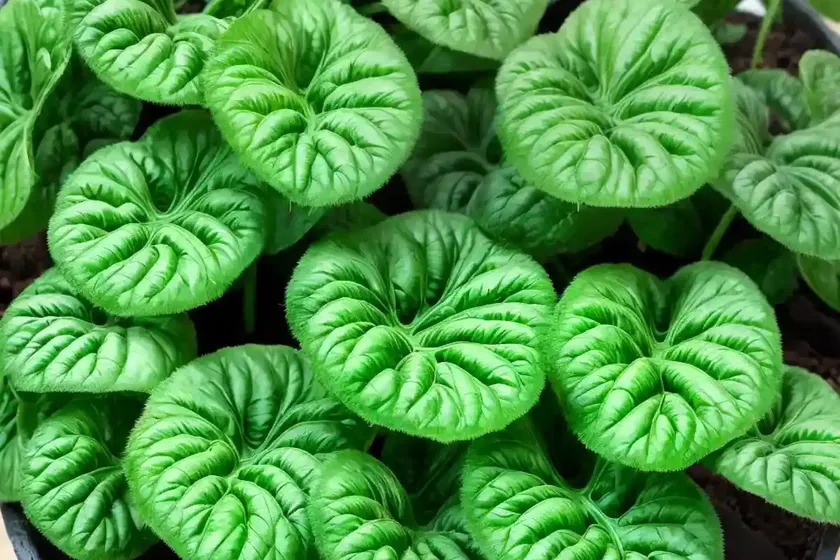
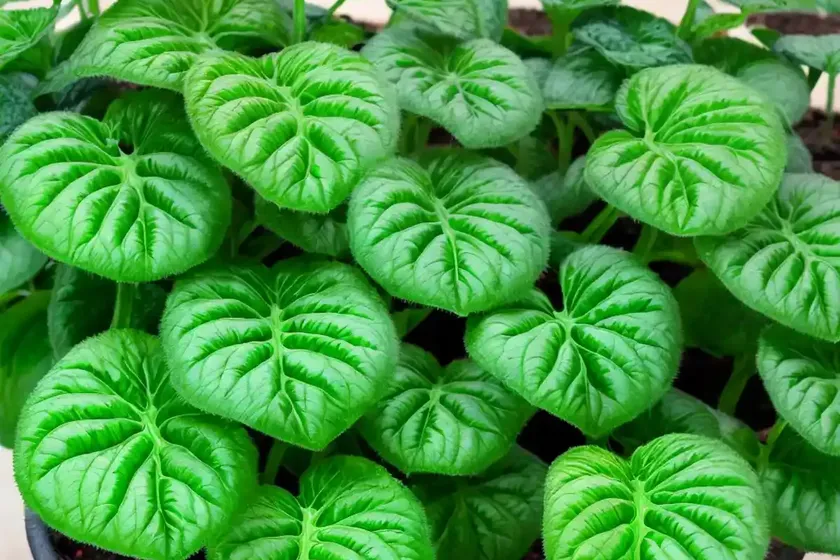
Fittonia verschaffeltii, commonly known as Mini Red Vein, is a fascinating and visually striking plant that has gained popularity among plant enthusiasts due to its vibrant foliage and low-maintenance nature. Whether you are a seasoned plant parent or just starting your journey in the world of indoor gardening, the Mini Red Vein plant is an excellent addition to any collection. In this comprehensive guide, we will explore the various aspects of caring for Fittonia verschaffeltii “Mini Red Vein”, including its culture, uses, maintenance requirements, propagation methods, common diseases, and more. Let’s dive into the world of Mini Red Vein plants and uncover the secrets to nurturing these beautiful ornamental plants.
What is Fittonia verschaffeltii “Mini Red Vein”?
Fittonia verschaffeltii, also known as nerve plant, is a species of flowering plant in the Acanthaceae family. The “Mini Red Vein” variety is prized for its striking red veins that adorn its dark green leaves, creating a captivating visual display. Native to the tropical rainforests of South America, Fittonia verschaffeltii “Mini Red Vein” thrives in the warm, humid conditions of its natural habitat.
Key Takeaways – Mini Red Vein (Fittonia verschaffeltii “Mini Red Vein”)
Before delving into the specifics of caring for Mini Red Vein plants, let’s highlight some key takeaways that will guide our exploration:
- Fittonia verschaffeltii is commonly known as nerve plant due to the intricate vein patterns on its leaves.
- The “Mini Red Vein” variety features vibrant red veins that provide a striking contrast against its dark green foliage.
- Mini Red Vein plants are well-suited for indoor cultivation and are favored for their low-light tolerance, making them ideal for spaces with limited natural sunlight.
- Proper watering and humidity levels are crucial for the health and vitality of Fittonia verschaffeltii “Mini Red Vein”.
- These plants can be propagated through stem cuttings, allowing enthusiasts to expand their Mini Red Vein collection or share the beauty of these ornamental plants with friends and fellow plant lovers.
Now that we have established an overview of Fittonia verschaffeltii “Mini Red Vein”, let’s delve into the specific aspects of caring for these delightful plants.
Culture
Uses
The striking visual appeal of Mini Red Vein plants makes them a popular choice for indoor decor and ornamental displays. Their vibrant foliage adds a splash of color and liveliness to any space, making them well-suited for various decorative arrangements. Mini Red Vein plants are often used in terrariums, miniature gardens, and as part of indoor plant collections, where their miniature size and visually captivating leaves can shine.
Water
Proper watering is crucial for the health and well-being of Fittonia verschaffeltii “Mini Red Vein”. These plants thrive in consistently moist but not waterlogged soil. It is essential to maintain a balance and avoid allowing the soil to dry out completely between waterings. Depending on environmental conditions and the moisture retention capabilities of the potting mix, Mini Red Vein plants may require watering every 1-2 days, especially during warmer periods.
To determine the watering needs of Mini Red Vein plants, it is advisable to check the moisture level of the soil regularly. A simple technique involves inserting a finger into the soil to assess the moisture content. If the top inch of the soil feels dry to the touch, it is an indication that the plant may require watering.
Sunlight
Fittonia verschaffeltii “Mini Red Vein” is well-adapted to low-light conditions, making it an excellent choice for indoor spaces with minimal natural light. While these plants can tolerate low light, they will thrive in moderate to bright, indirect light. Avoid exposing Mini Red Vein plants to direct sunlight, as this can lead to leaf scorch and damage.
Placing the plants near a north-facing window or in a location where they receive filtered sunlight throughout the day will support healthy growth and vibrant foliage. Tolerant of lower light levels, Mini Red Vein plants can also thrive under artificial grow lights, making them versatile choices for indoor gardens and plant collections.
Fertilizer
Proper fertilization is an essential aspect of caring for Fittonia verschaffeltii “Mini Red Vein”. During the active growing season, which typically spans spring and summer, it is beneficial to provide the plants with a balanced, water-soluble fertilizer formulated for houseplants. Dilute the fertilizer to half or a quarter of the recommended strength to avoid over-fertilizing, which can lead to salt buildup in the soil and potential damage to the roots.
Apply the diluted fertilizer solution to the soil every 4-6 weeks to provide the necessary nutrients for healthy growth and vibrant foliage. During the autumn and winter months, when the plant’s growth slows down, reduce the frequency of fertilization or discontinue it altogether until the following spring.
Soil
The choice of potting mix plays a significant role in supporting the health and vitality of Fittonia verschaffeltii “Mini Red Vein”. A well-draining, peat-based potting mix with added perlite or vermiculite is ideal for these plants. The porous nature of the potting mix allows for adequate air circulation and water drainage, preventing waterlogging and promoting healthy root development.
When repotting or planting Mini Red Vein, ensure that the potting mix is thoroughly moistened before adding it to the pot. This helps maintain the overall moisture level and supports the plant’s transition to its new container. Regularly check the condition of the potting mix to ensure it remains loose, well-aerated, and suitable for the needs of Fittonia verschaffeltii “Mini Red Vein”.
Pruning
Pruning is an important aspect of maintaining the compact and bushy appearance of Fittonia verschaffeltii “Mini Red Vein”. As the plants grow, they may develop leggy stems or become sparse in certain areas. Pruning allows you to encourage new growth, control the plant’s shape, and remove any diseased or damaged foliage. Utilize clean, sharp scissors or pruning shears to make precise cuts and avoid causing unnecessary stress to the plant.
When pruning Mini Red Vein plants, focus on trimming back leggy stems, removing yellow or brown leaves, and shaping the plant to promote a full and lush appearance. Regular pruning also prevents the plants from becoming overgrown and helps maintain their ornamental appeal. As you prune the plants, consider using the cuttings for propagation, allowing you to expand your Mini Red Vein collection or share the beauty of these plants with others.
Propagation
Fittonia verschaffeltii “Mini Red Vein” can be propagated through stem cuttings with relative ease, making it a rewarding process for plant enthusiasts. Here is a simple guide to propagating Mini Red Vein plants from stem cuttings:
- Select a healthy, non-flowering stem from the parent plant. Look for a section of the stem that features several nodes, as this is where new roots will develop.
- Using clean, sharp scissors or pruning shears, make a clean cut directly below a node to obtain a stem cutting that is approximately 3-4 inches in length.
- Remove the leaves from the lower half of the stem cutting, leaving a few leaves at the top to support ongoing growth.
- Prepare a small container filled with moistened, well-draining potting mix. Make a hole in the potting mix and insert the lower end of the stem cutting, ensuring that at least one node is buried in the soil.
- Gently press the soil around the base of the cutting to provide stability and promote contact between the stem and the potting mix.
- Place the container in a warm, humid location with indirect light and maintain consistent moisture levels in the potting mix.
Container Popularity
Mini Red Vein plants are widely favored for their suitability in various types of containers, making them versatile choices for indoor gardening and decorative displays. Their small size, vibrant foliage, and low-light tolerance make them well-suited for different types of containers, including:
- Ceramic pots
- Hanging baskets
- Terrariums
- Small decorative containers
Whether displayed individually or as part of a larger arrangement, Fittonia verschaffeltii “Mini Red Vein” adds a touch of elegance and visual interest to any container, making them popular choices among plant enthusiasts and interior decorators.
Container Common Diseases
While Mini Red Vein plants are relatively resilient, they can be susceptible to certain common diseases that may impact their overall health and appearance. Understanding the potential diseases and their symptoms can help you identify and address issues promptly, ensuring the ongoing vitality of your plants.
Disease Diagnosis
Some common diseases that may affect Fittonia verschaffeltii “Mini Red Vein” include:
-
Leaf Spot: Characterized by the presence of dark, water-soaked spots on the foliage, leaf spot can be caused by fungal pathogens or environmental stress. Overwatering and high humidity levels can contribute to the development of leaf spot disease.
-
Root Rot: Excessive moisture and poorly draining soil can lead to root rot, a condition that affects the health of the plant’s roots and overall vitality. Symptoms include wilting, yellowing leaves, and a foul odor emanating from the soil.
-
Powdery Mildew: Powdery mildew presents as a powdery white coating on the leaves, stems, and other plant surfaces. This fungal disease thrives in high humidity and low air circulation conditions, impacting the overall health and appearance of the plant.
Common Pests
In addition to diseases, Mini Red Vein plants may also be susceptible to infestations by common pests that can affect their growth and vigor. Some common pests that may target Fittonia verschaffeltii “Mini Red Vein” include:
-
Spider Mites: These tiny arachnids can cause stippling, webbing, and overall decline in plant health. Spider mites thrive in dry conditions and are often found on the undersides of the leaves.
-
Aphids: These small, soft-bodied insects can cluster on the new growth of plants, causing distortion of leaves, yellowing, and reduced vitality.
-
Mealybugs: Mealybugs appear as small, cottony masses on the plant, particularly on the leaf undersides and stem joints. Their feeding can lead to stunted growth and yellowing of foliage.
To prevent and manage diseases and pest infestations, it is essential to maintain a clean and favorable growing environment for Fittonia verschaffeltii “Mini Red Vein”. Regular inspection, proper watering practices, and prompt intervention can help mitigate the impact of diseases and pests on the plants.
Botanist’s Tips
As a plant scientist with expertise in the care and cultivation of indoor plants, I have gathered some valuable tips to support the health and vitality of Fittonia verschaffeltii “Mini Red Vein”. By incorporating these recommendations into your plant care routine, you can foster robust growth and vibrant foliage in your Mini Red Vein plants:
-
Humidity Control: Given the tropical origins of Fittonia verschaffeltii “Mini Red Vein”, it is beneficial to maintain adequate humidity levels around the plants. Placing a small humidifier near the plants or using a pebble tray filled with water can help increase ambient humidity and create a conducive environment for healthy growth.
-
Regular Mistings: Periodically misting the leaves of Mini Red Vein plants can help maintain adequate moisture levels and prevent the foliage from drying out. Use a fine misting spray bottle to lightly mist the leaves, focusing on the lower surface where the stomata are located.
-
Avoid Overfertilization: While providing essential nutrients is important, it is crucial to avoid overfertilizing Fittonia verschaffeltii “Mini Red Vein”, as this can lead to salt buildup in the soil and cause damage to the plant’s roots. Follow a balanced fertilization schedule and dilute the fertilizer to the appropriate strength to support healthy growth.
-
Proper Drainage: Ensuring proper drainage in the plant’s container is essential for preventing waterlogging and root rot. Choose pots with drainage holes and use well-draining potting mix to promote good aeration and moisture balance in the root zone.
-
Regular Inspections: Conduct regular inspections of your Mini Red Vein plants to monitor their overall health, check for signs of diseases or pests, and address any issues promptly. Early detection and intervention can make a significant difference in maintaining the well-being of the plants.
-
Gentle Handling: When handling Mini Red Vein plants, do so with care and gentleness to avoid damaging the delicate leaves and stems. Minimize unnecessary disturbances to the plants to support their growth and minimize stress.
Fun Facts
As we continue our exploration of Fittonia verschaffeltii “Mini Red Vein”, let’s uncover some fun and interesting facts about these captivating plants:
-
The intricate red vein patterns on the leaves of Mini Red Vein plants give rise to their common name, stemming from the striking visual resemblance to the human circulatory system.
-
Fittonia verschaffeltii is named after the 19th-century botanist and plant collector, Ambroise Verschaffelt, who played a significant role in introducing various plant species to cultivation.
-
Mini Red Vein plants belong to the Acanthaceae family, which encompasses a diverse array of ornamental and medicinal plants known for their unique flowers and foliage.
-
These plants are excellent choices for terrariums and miniature gardens, where their compact size and vibrant foliage can create enchanting displays in small, controlled environments.
Links to External Resources
To further enhance your knowledge and understanding of Fittonia verschaffeltii “Mini Red Vein” and its care requirements, consider exploring the following external resources:
- The Spruce – Fittonia Plant Care: Tips for Growing Nerve Plants
- Better Homes & Gardens – Nerve Plant (Fittonia) Care
- University of Florida IFAS Extension – Fittonia argyroneura
As you delve into these resources, you will gain valuable insights, practical tips, and in-depth knowledge that will enrich your experience of caring for Mini Red Vein plants and other ornamental species.
In conclusion, Fittonia verschaffeltii “Mini Red Vein” is a captivating and visually stunning plant that embodies elegance and charm. With its vibrant foliage and low-maintenance nature, it has found its place as a beloved choice among plant enthusiasts and interior decorators. By providing the proper care, attention, and nurturing environment, you can cultivate thriving Mini Red Vein plants that bring life and beauty to your indoor spaces. Embrace the joy of growing and caring for these ornamental treasures, and let the allure of Fittonia verschaffeltii “Mini Red Vein” enrich your indoor gardening journey.