Milk Thistle (Silybum Marianum): A Comprehensive Guide
As a plant scientist, I’m thrilled to delve into the depths of a truly remarkable plant – the Milk Thistle, scientifically known as Silybum Marianum. This plant has been revered for centuries due to its numerous uses and potential health benefits, particularly related to liver health and detoxification. In this comprehensive guide, we will explore the biology of Milk Thistle, its cultural requirements, uses, and maintenance. Additionally, we will uncover the key takeaways, common diseases, pests, and some fun facts about this fascinating plant. Let’s embark on an enlightening journey into the realm of Milk Thistle!
What is Milk Thistle (Silybum Marianum)?
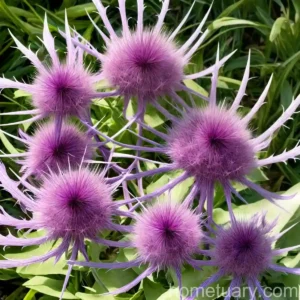
Milk Thistle, known scientifically as Silybum Marianum, is a flowering herb that belongs to the Asteraceae family. This plant is native to the Mediterranean region, although it is now found in various parts of the world, including North America. Milk Thistle is recognized for its characteristic prickly leaves and vibrant purple flowering heads, which contain the plant’s seeds.
The health benefits of Milk Thistle are attributed to a specific group of compounds found in the plant’s seeds, known as silymarin. Silymarin is a potent antioxidant and is believed to have liver-protective properties, making Milk Thistle a popular choice for liver detoxification and overall liver health support.
Key Takeaways – Milk Thistle (Silybum Marianum)
Before we delve into the cultural aspects and care requirements for Milk Thistle, let’s explore some key takeaways and potential benefits associated with this remarkable plant.
Milk Thistle Benefits
- Supports liver health and detoxification
- Exhibits antioxidant properties
- Potentially aids in lowering cholesterol levels
- May assist in managing diabetes
- Has anti-inflammatory properties
- Could aid in promoting healthy skin
- Supports digestive health
Now that we have a glimpse of the potential benefits, let’s move on to understanding how to cultivate and care for Milk Thistle to harness its full potential.
Culture
Cultivating Milk Thistle successfully requires an understanding of its specific growth requirements, including water, sunlight, fertilizer, soil, and pruning needs.
Water
Milk Thistle thrives in well-drained soil and prefers regular watering, especially during dry periods. However, it’s essential to avoid overwatering, as consistently waterlogged soil can lead to root rot and other issues.
Sunlight
This plant flourishes in full sun, although it can tolerate partial shade, particularly in regions with intense heat. Providing adequate sunlight is crucial for the healthy growth and development of Milk Thistle.
Fertilizer
Milk Thistle generally does not require high levels of fertilizer. However, applying a balanced, all-purpose fertilizer during the growing season can support its overall growth and flowering.
Soil
The ideal soil for Milk Thistle is well-drained and moderately rich in organic matter. A slightly alkaline to neutral soil pH range is preferred for optimal growth.
Pruning
Milk Thistle plants do not typically require extensive pruning. However, removing spent flower heads can encourage continuous blooming and prevent self-seeding.
Uses
Milk Thistle has a diverse range of uses, from culinary to medicinal, making it a versatile addition to any garden. Let’s explore its various applications.
Culinary Uses
Although the primary use of Milk Thistle is medicinal, its young leaves and stems are edible and can be consumed as a cooked vegetable. However, the plant is best known for its medicinal and health-supporting properties.
Medicinal Uses
Milk Thistle is widely used in herbal medicine, particularly for its potential to support liver health, detoxification, and overall well-being. Its seeds are used to produce extracts and supplements that are popular in the natural health community.
Water
When it comes to watering your Milk Thistle plant, it’s crucial to strike a balance. Overwatering can lead to root rot and other issues, while underwatering can result in stunted growth and poor flowering. The goal is to maintain consistent moisture in the soil without allowing it to become waterlogged.
To achieve this, follow these watering guidelines:
- Established Plants: Water deeply once a week during dry periods, allowing the soil to dry slightly between waterings.
- Seedlings and Young Plants: Water more frequently to support their establishment, ensuring that the soil remains consistently moist but not waterlogged.
- Container-Grown Milk Thistle: Ensure that containers have drainage holes and water until water begins to trickle out of the bottom. Discard excess water that accumulates in the saucer to prevent waterlogging.
By adhering to these guidelines, you’ll create optimal growing conditions for your Milk Thistle, supporting its health and vitality.
Sunlight
Proper sunlight is crucial for the healthy growth and flowering of Milk Thistle. While this plant can tolerate some shade, it thrives when provided with full sunlight. Here’s how to ensure that your Milk Thistle receives adequate sunlight:
- Outdoor Plants: Choose a location that receives full sun for at least six to eight hours a day. If you live in a particularly hot region, providing some afternoon shade can be beneficial to prevent stress from excessive heat.
- Indoor Plants: If you’re growing Milk Thistle indoors, place the plant near a south- or west-facing window to ensure it receives sufficient sunlight. Alternatively, you can use grow lights to supplement natural light.
By meeting the sunlight requirements of your Milk Thistle, you’ll encourage robust growth and prolific flowering.
Fertilizer
While Milk Thistle generally thrives in moderately fertile soil, providing some supplemental nutrients can support its overall health and vitality. Here are some tips for fertilizing your Milk Thistle plants:
- Organic Matter: Incorporate well-rotted compost or organic matter into the soil before planting to enrich the soil and provide a steady source of nutrients.
- Balanced Fertilizer: During the growing season, apply a balanced, all-purpose fertilizer according to the manufacturer’s instructions. Generally, a light application every four to six weeks is sufficient to support healthy growth and flowering.
By following these fertilizer recommendations, you’ll ensure that your Milk Thistle plants have access to the nutrients they need to thrive.
Soil
Creating optimal soil conditions is essential for the successful cultivation of Milk Thistle. The right soil structure, nutrient content, and pH level can significantly impact the plant’s growth and overall health. Here’s how to ensure that your Milk Thistle is planted in the right soil environment:
- Well-Drained Soil: Milk Thistle thrives in well-drained soil that prevents water from pooling around the roots. Avoid heavy clay soils that retain water, as they can lead to root rot and other issues.
- Organic Matter: Incorporate organic matter, such as compost or well-rotted manure, into the soil to improve its structure, fertility, and moisture-retention capabilities.
- Soil pH: Milk Thistle prefers a slightly alkaline to neutral soil pH range, ideally between 7.0 and 7.5. Conduct a soil test to determine the pH of your soil and amend it as needed to achieve the optimal range.
By providing the right soil conditions, you’ll create an environment where Milk Thistle can thrive and express its full potential.
Pruning
Pruning is an essential aspect of caring for Milk Thistle, as it can help maintain the plant’s shape, promote flowering, and prevent self-seeding. Here’s a guide to pruning your Milk Thistle effectively:
- Deadheading: Removing spent flower heads as they fade can encourage the plant to produce new blooms and prolong the flowering period.
- Trimming: If your Milk Thistle plant becomes unruly or excessively large, you can trim back the stems and foliage to maintain a more compact and tidy appearance.
By incorporating these pruning practices into your plant care routine, you can promote the health and aesthetics of your Milk Thistle.
Propagation
Propagating Milk Thistle allows you to expand your plant collection and share this remarkable species with others. The primary method of propagation for Milk Thistle is through seed sowing. Here’s a step-by-step guide to propagating Milk Thistle from seeds:
- Seed Collection: Allow the flowers of your Milk Thistle plants to mature and form seed heads. Once the seed heads turn brown and dry, carefully collect the seeds by shaking the heads over a container.
- Seed Preparation: Remove the seeds from the seed heads and allow them to air dry for a few days to ensure that they are fully mature and free of moisture.
- Sowing Seeds: Plant the seeds in well-drained soil, either directly in the garden or in containers, at a depth of around 1/4 inch.
- Watering and Care: Keep the soil consistently moist but not waterlogged, and provide adequate sunlight for the seeds to germinate and establish.
By following these propagation guidelines, you can successfully cultivate new Milk Thistle plants from seeds, expanding your garden and sharing the beauty of this species with others.
Container Popularity
Milk Thistle is a popular choice for container gardening, as it can thrive in a wide range of growing conditions and is relatively low-maintenance. The striking appearance of its spiny leaves and vibrant purple flowers makes Milk Thistle a visually appealing addition to any container garden. Additionally, its potential health benefits and medicinal uses make it a valuable and multipurpose plant to have on hand. Whether you have limited outdoor space or simply want to enjoy the beauty and benefits of Milk Thistle up close, growing it in a container can be a rewarding experience.
Container Requirements
When growing Milk Thistle in containers, it’s important to provide the right growing conditions to ensure the plant’s success. Here are some container requirements to consider:
- Pot Size: Choose a container that allows for ample root growth and provides stability for the tall and robust foliage of Milk Thistle. A pot with a diameter of at least 12 inches is generally suitable for a single Milk Thistle plant.
- Drainage: Ensure that the container has adequate drainage holes to prevent waterlogging and root rot. Additionally, use a well-draining potting mix to promote healthy root development.
- Placement: Position the container in a location that receives full sun for the majority of the day, allowing the plant to thrive and produce abundant blooms.
By meeting these container requirements, you can create an optimal growing environment for Milk Thistle, even in limited garden spaces.
Common Diseases
While Milk Thistle is generally a resilient and disease-resistant plant, it can be susceptible to certain issues under unfavorable growing conditions. Understanding the common diseases that can affect Milk Thistle can help you identify and address potential problems early on, ensuring the long-term health of your plants.
Disease Diagnosis
Some of the common diseases that can affect Milk Thistle include:
- Powdery Mildew: This fungal disease appears as a powdery white substance on the leaves, eventually causing them to wilt and decline. It thrives in humid and crowded growing conditions.
- Rust: Rust presents as orange or brown spots on the leaves and can lead to defoliation and reduced plant vigor. It often occurs in moist and warm environments.
- Root Rot: Excessive moisture or poorly draining soil can lead to root rot, characterized by wilting, yellowing leaves, and stunted growth.
By regularly inspecting your Milk Thistle plants for signs of these diseases, you can take proactive measures to address any issues and prevent them from spreading.
Common Pests
While Milk Thistle is relatively resistant to pests, certain insects can still pose a threat to its health and vitality. Being able to identify and manage common pests is essential for protecting your Milk Thistle plants and ensuring their optimal growth.
Pest Identification
Some of the common pests that can affect Milk Thistle include:
- Aphids: These small, soft-bodied insects feed on the sap of plants, causing distorted growth and the development of sticky honeydew on leaves.
- Spider Mites: These tiny arachnids can infest Milk Thistle plants, causing stippling on the leaves and webbing in severe infestations.
- Caterpillars: Certain caterpillar species may feed on Milk Thistle foliage, leading to defoliation and reduced plant vigor.
By monitoring your Milk Thistle plants for signs of pest infestations and taking appropriate measures to manage them, you can protect your plants from potential damage and stress.
Botanist’s Tips
As a plant scientist, I’d like to offer some additional tips for successfully growing and enjoying Milk Thistle in your garden or indoor spaces:
- Optimal Growing Conditions: Providing the right balance of sunlight, water, soil, and fertilizer is crucial for the health and vigor of Milk Thistle plants. Monitor these factors regularly to ensure that your plants have everything they need to thrive.
- Natural Pest Control: Consider implementing natural pest control methods, such as introducing beneficial insects or using organic pest control products, to manage pest issues while minimizing harm to beneficial organisms and the environment.
- Harvesting and Processing: If you’re growing Milk Thistle for its seeds and potential health benefits, learn about the optimal time to harvest the seeds and the proper processing methods to maximize their potency and quality.
By incorporating these botanist’s tips into your plant care routine, you can enhance the vitality and resilience of your Milk Thistle plants.
Fun Facts
To conclude our journey into the world of Milk Thistle, let’s explore some fascinating and lesser-known facts about this extraordinary plant:
- Historical Significance: Milk Thistle has been used in traditional medicine for over 2,000 years, with historical references dating back to ancient Greece and Rome.
- Pollinator Magnet: The vibrant purple flowers of Milk Thistle attract a variety of pollinators, including bees, butterflies, and other beneficial insects.
- Edible Uses: While Milk Thistle is primarily valued for its medicinal properties, the young leaves and stems of the plant are edible and can be prepared as a cooked vegetable.
- Symbolism: In various cultures, Milk Thistle has been associated with protection, healing, and fertility, with its distinctive appearance inspiring a rich tapestry of folklore and symbolism.
These fun facts offer a glimpse into the rich history and cultural significance of Milk Thistle, underscoring its enduring appeal and relevance in today’s world.
Links to External Resources
To further enhance your knowledge and appreciation of Milk Thistle, I recommend exploring the following external resources:
- National Center for Complementary and Integrative Health – Milk Thistle
- The American Botanical Council – Milk Thistle Monograph
- Royal Botanic Gardens, Kew – Silybum Marianum
These resources offer valuable insights and authoritative information on the botany, uses, and potential health benefits of Milk Thistle, allowing you to deepen your understanding and appreciation of this remarkable plant.
In conclusion, Milk Thistle (Silybum Marianum) stands as a testament to the enduring relationship between humans and plants, offering a wealth of potential benefits and cultural significance. By nurturing and appreciating the beauty and resilience of Milk Thistle, we honor its legacy as a revered botanical ally in the pursuit of health and well-being.
By: [Your Name]
Date: [Date]